

Pink Shaded Lamps
Pink shaded lamps bring a warm, inviting glow to a room, combining practical lighting with decorative charm.
Pink Shaded Lamps
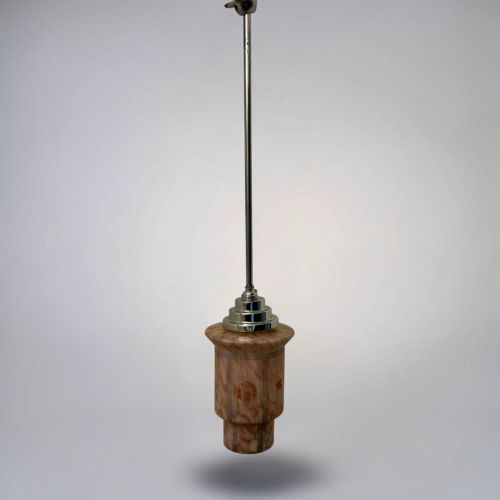
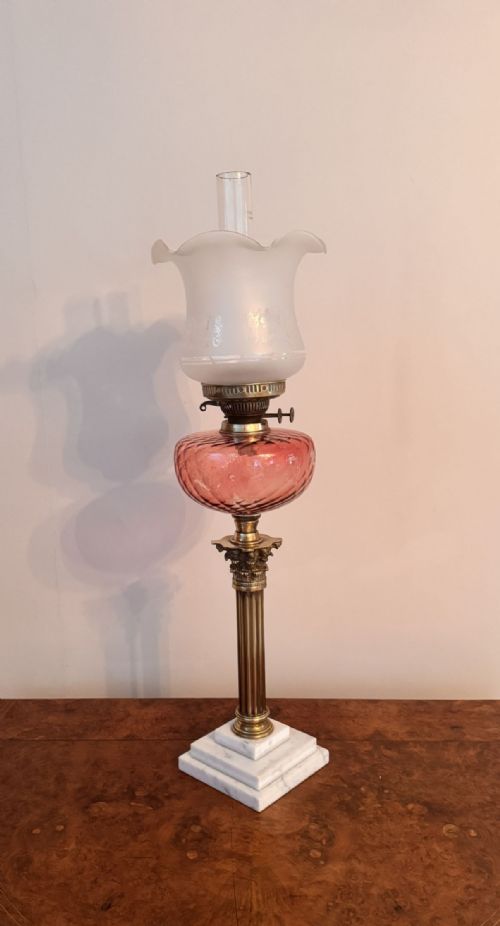
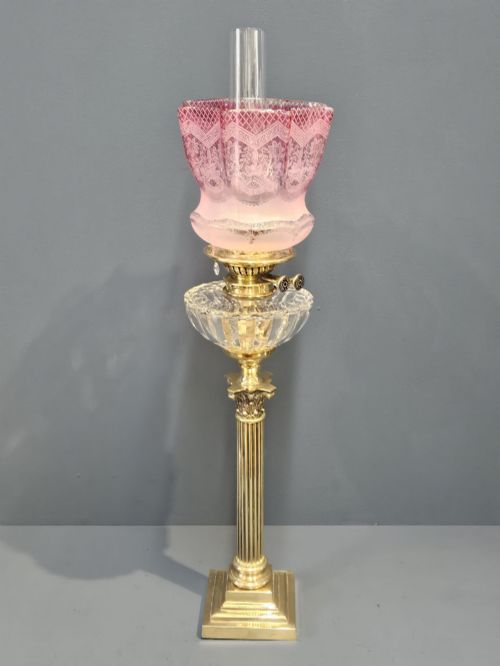
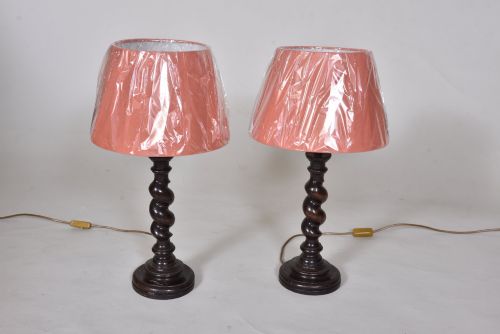
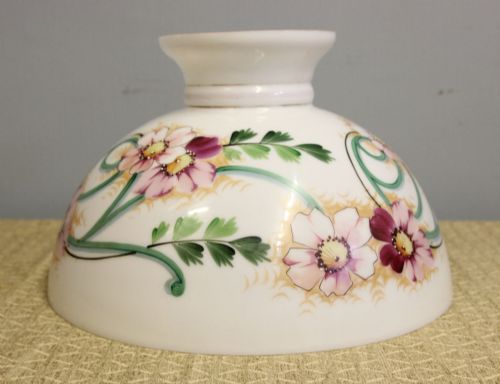
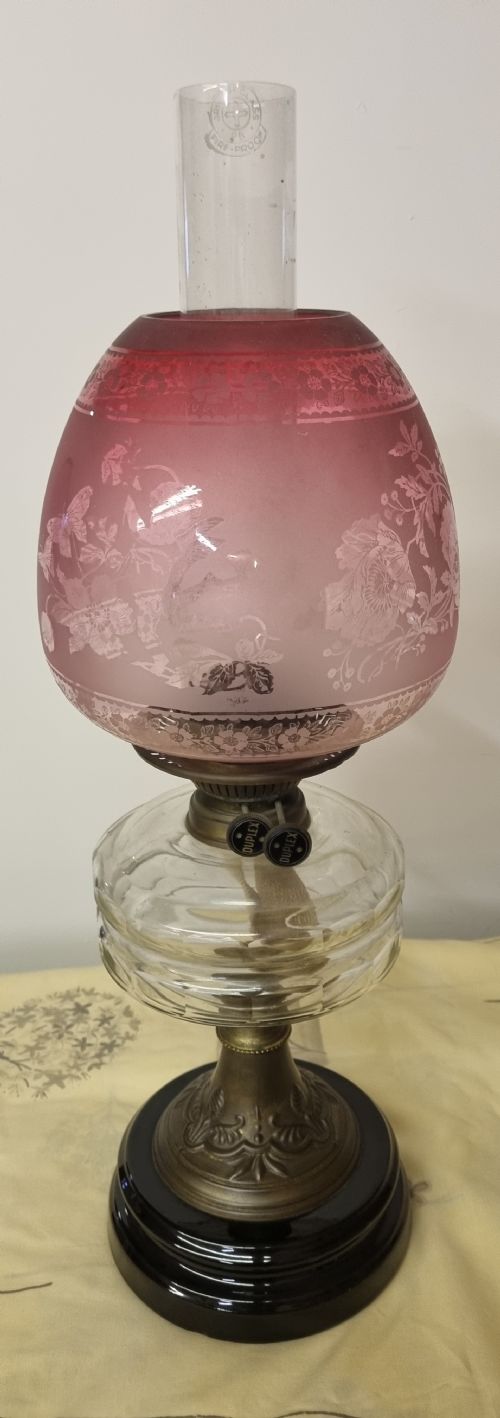
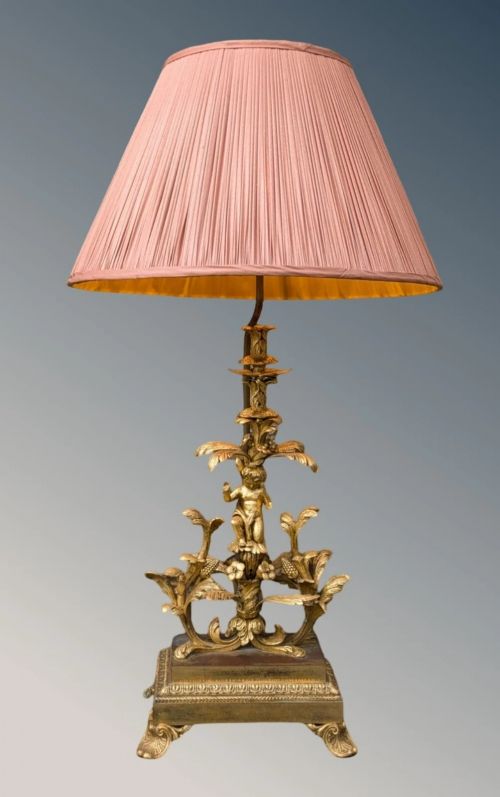
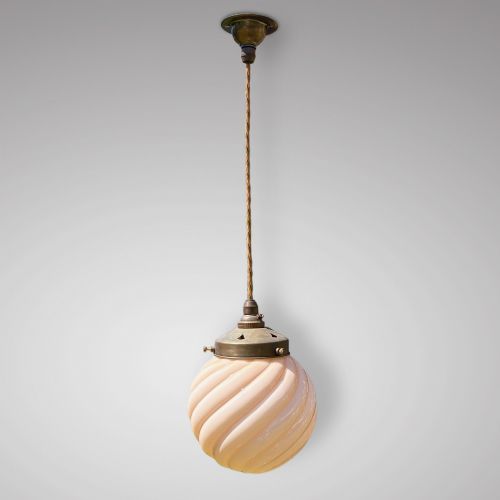
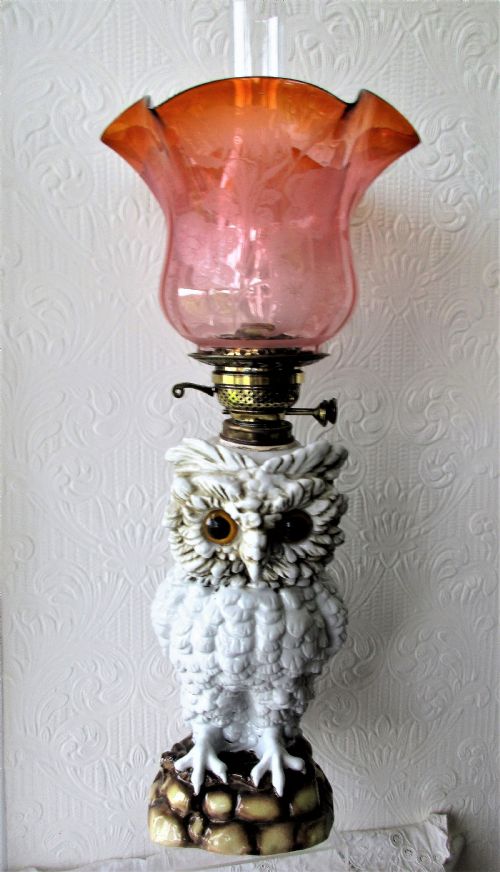
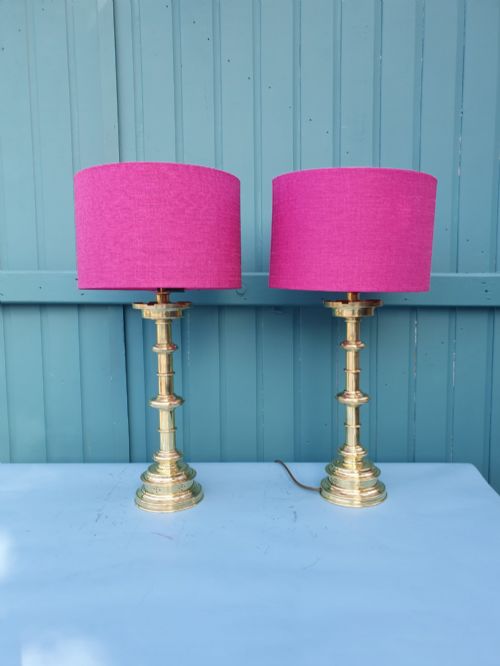
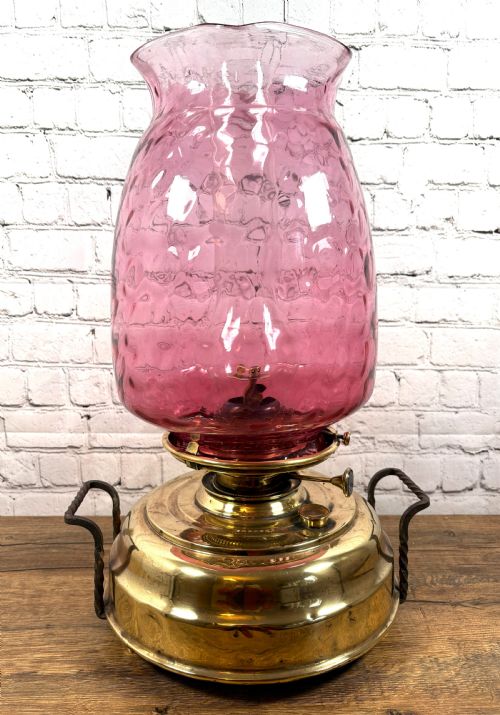
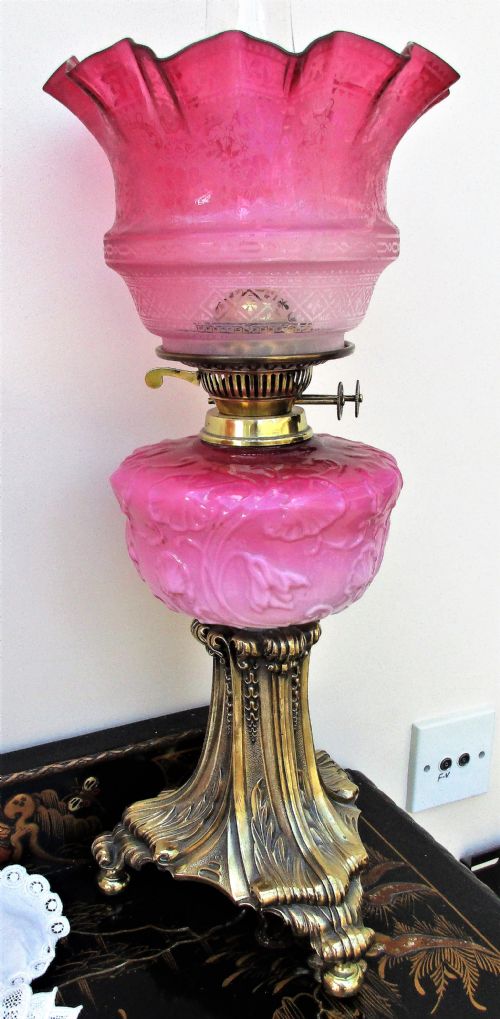
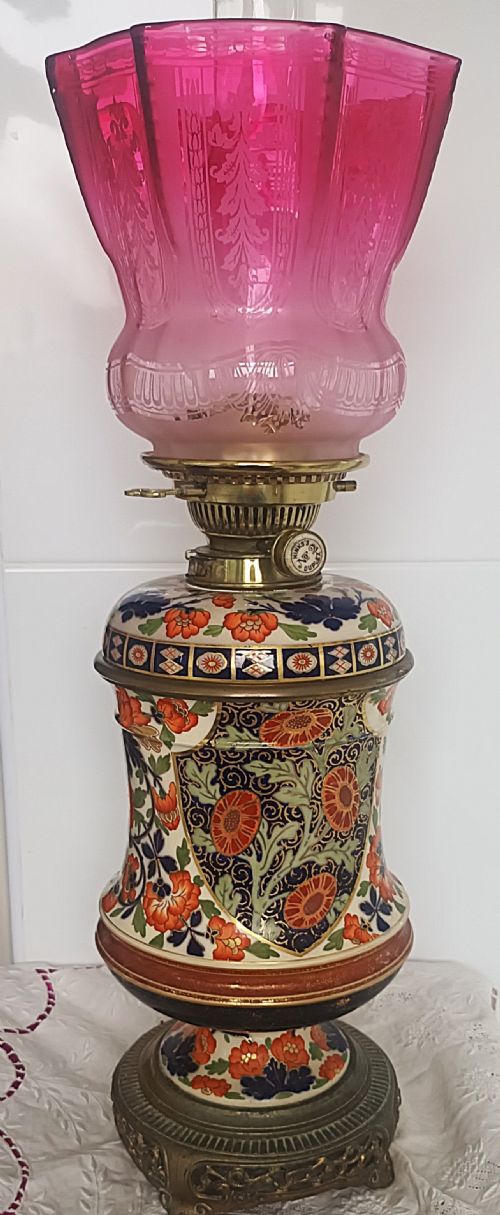
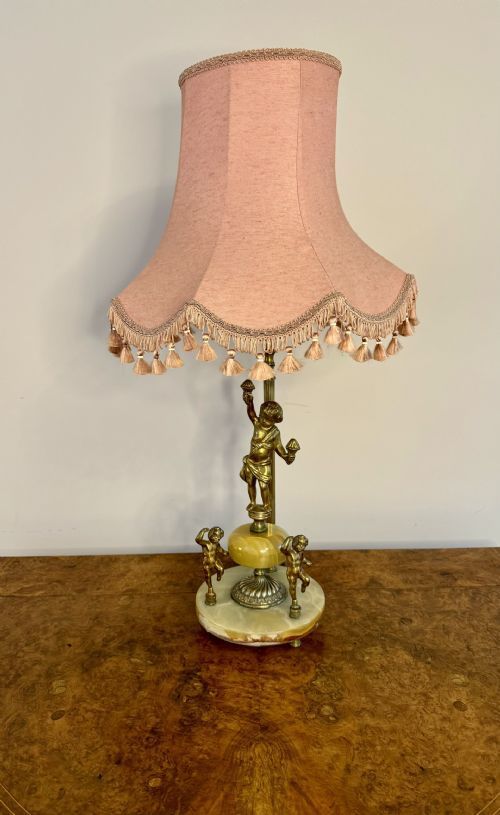
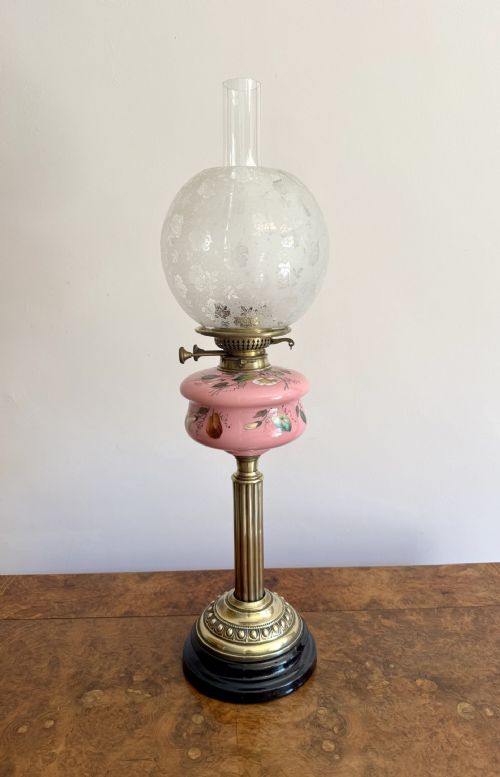
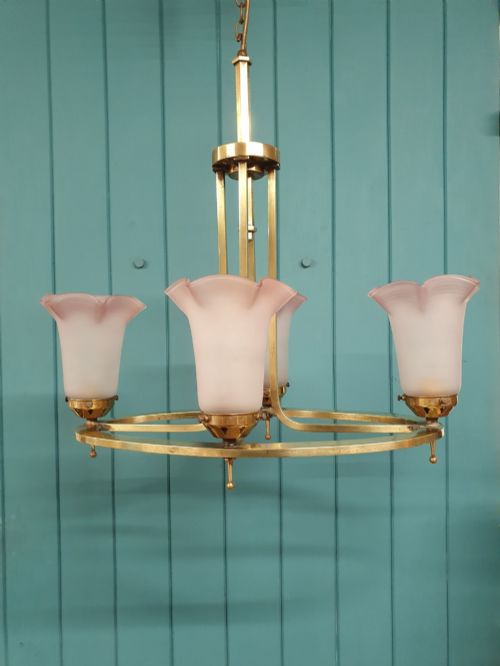
Pink shaded lamps encompass a diverse array of lighting forms ranging from oil lamps and table lamps to floor lamps and chandeliers. When searching for pink shaded lamps, buyers typically encounter Victorian and Edwardian examples featuring distinct pink and cranberry glass components.
The selection spans multiple design movements, including Art Nouveau, Art Deco, and revival styles such as French Rococo and Neoclassical. Oil lamps and standard lamps dominate the offerings, frequently paired with hand-painted fonts and matching etched or crimped glass shades.
Origins vary from English production to continental European pieces, including German porcelain and Chinese Export wares. The overarching category bridges functional nineteenth-century domestic lighting with early twentieth-century electric adaptations.
Materials and Construction
Makers utilised brass, bronze, and iron for the structural bases and columns, often combining them with marble, onyx, or carved wood to add weight and decorative richness. Cranberry and frosted glass form the characteristic shades and fonts, shaped through glassblowing and frequently finished with hand-painted details or etched patterns.
Ceramic and porcelain elements, including works from factories like Sitzendorf, introduced painted glazes and moulded figures to the body of the lighting fixtures. Metal components were cast, gilt, or polished, with telescopic mechanisms incorporated into standard and floor lamps for adjustable height.
Pink Shaded Lamps Retail Price Guide 2026
Typical asking prices for pink shaded lamps among the pieces listed under this phrase on Sellingantiques today, from the lower quarter to the upper quarter. They describe what is for sale here now, not the wider market.
Object forms range from small desk lamps and standard lamps to four-light chandeliers and adjustable reading lamps.
Evaluating Quality
Quality rests upon the crispness of the casting in metal bases, the depth of colour and hand-finishing in the cranberry or opaline glass shades, and the integrity of integrated adjustment mechanisms. Pieces featuring hand-painted font details or substantial marble and onyx plinths demonstrate superior craftsmanship compared to simpler utilitarian variants.
The harmony of matched components - such as a contemporary glass shade pairing correctly with a brass or ceramic font - distinguishes finer productions. Maker attribution through stamped metalwork or factory marks further elevates a piece within its period.
Taylor Tunnicliff·Hinks·Sitzendorf
The Pink Shaded Lamps Glossary
- Cranberry Glass
- A rich pink or red transparent glass coloured with gold chloride during production. It appears frequently in Victorian oil lamp shades and fonts.
- Corinthian Column
- A classical architectural column style featuring ornate acanthus leaves on the capital, frequently utilised for standard and table lamp bases.
- Opaline Glass
- An opaque or translucent pale glass that diffuses light softly. It is commonly found in nineteenth-century and early twentieth-century pendant lights and shades.
- Standard Lamp
- A tall floor-standing lamp designed to illuminate a room from a fixed upright position. Many antique examples incorporate telescopic height adjustments.
Pink Shaded Lamps: Frequently Asked Questions
How do I date an oil lamp?
Dating relies upon examining the burner mechanism, the type of collar connecting the burner to the font, and stylistic cues in the metalwork or glass.
Patents marked on burners or switches provide precise manufacturing brackets, while overall design shifts from heavy Victorian cast brass to sleeker Edwardian and Art Deco lines.
Are these lamps converted to electricity?
Many surviving oil lamps have been safely adapted for modern electrical use by running wiring through the original central burner or column.
This conversion allows period aesthetics to function as everyday table or floor lighting without altering the visible historic exterior.
How do I care for antique glass shades?
Cleaning requires gentle hand washing in lukewarm water with mild soap, avoiding harsh abrasives that could damage hand-painted details or etched surfaces.
Careful handling during removal prevents chipping the delicate rims of crimped or ruffled cranberry glass shades.