


Pink Shade Lamp
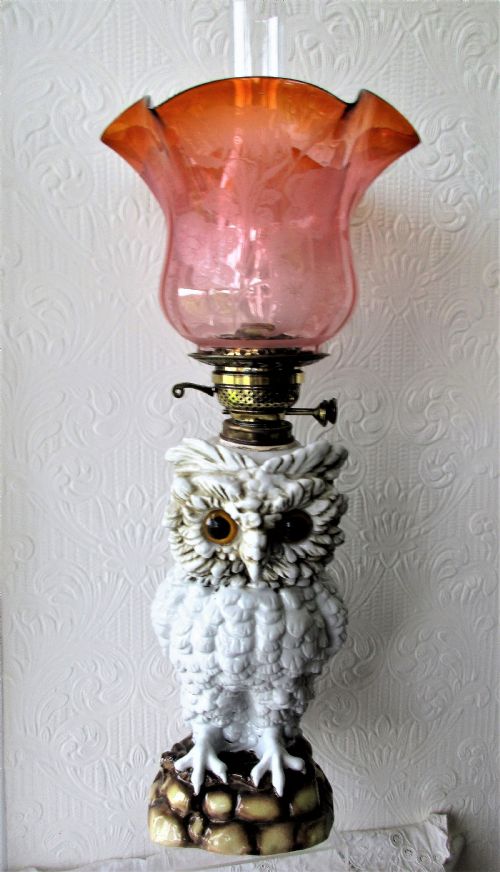
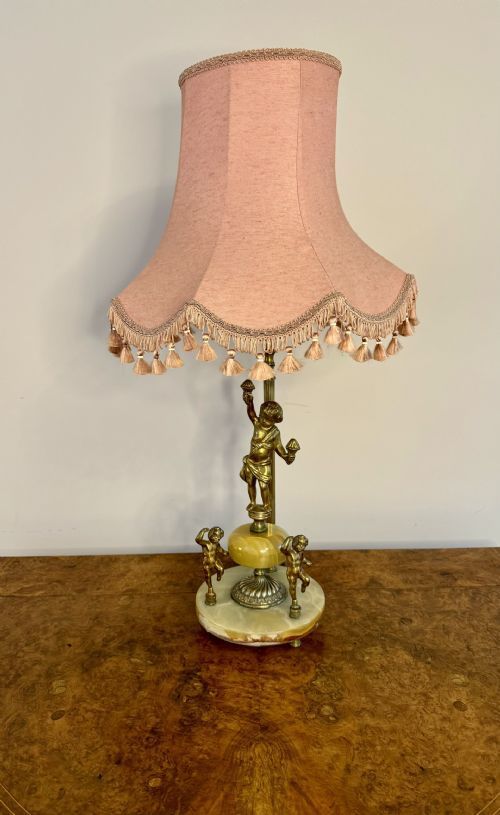
A pink shade lamp brings a warm, rosy glow to a room through coloured glass or fabric atop period brass and ceramic bases.
Pink Shade Lamp
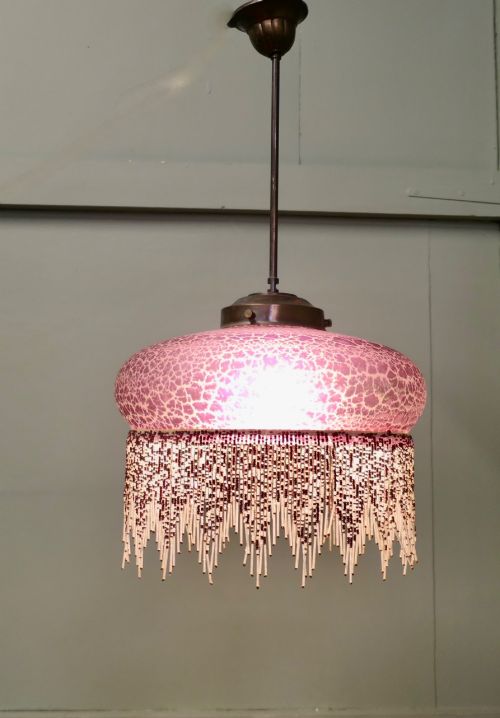
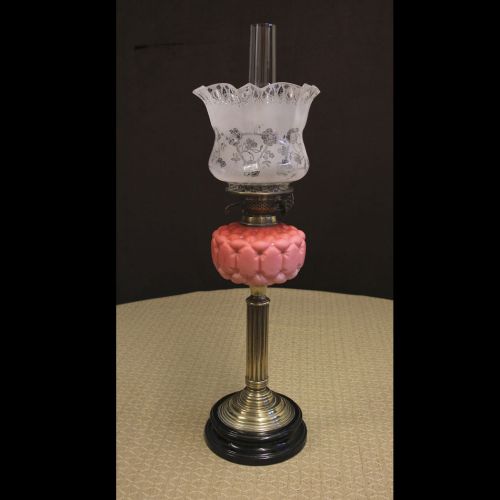
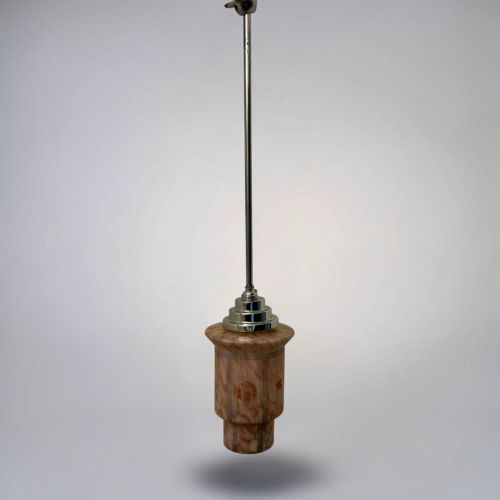
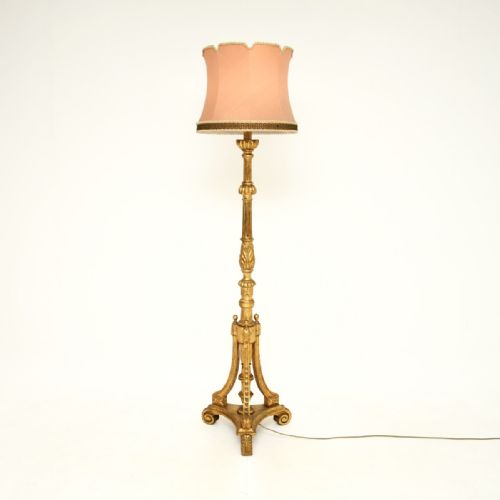
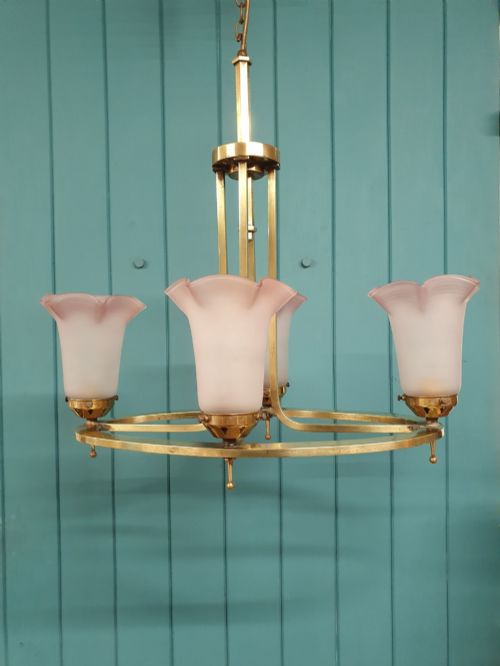
When you search for a pink shade lamp, you encounter a variety of lighting forms ranging from Victorian and Edwardian oil lamps to later Art Deco chandeliers and standard lamps. These pieces primarily date from the nineteenth century into the early twentieth century, encompassing periods such as Victorian, Edwardian, and Art Deco.
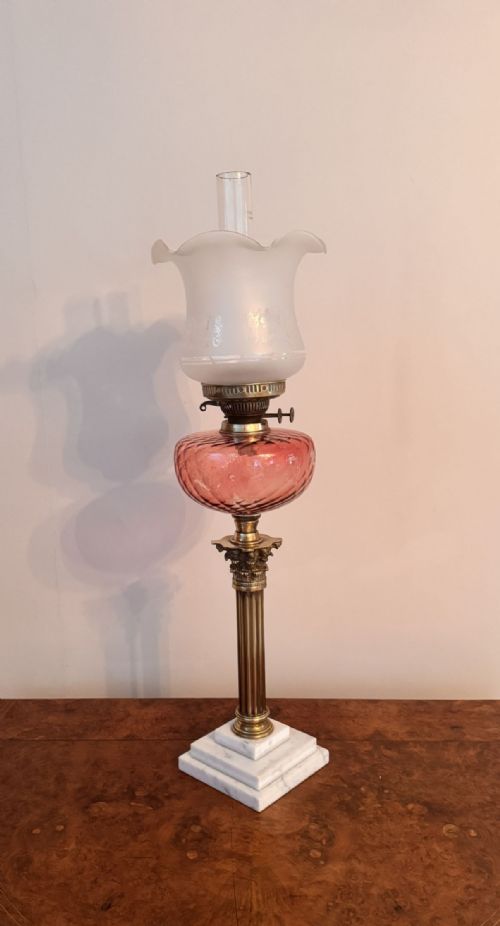
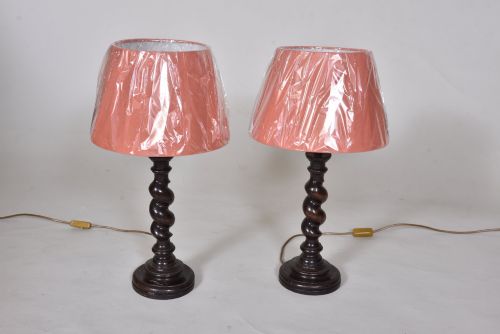
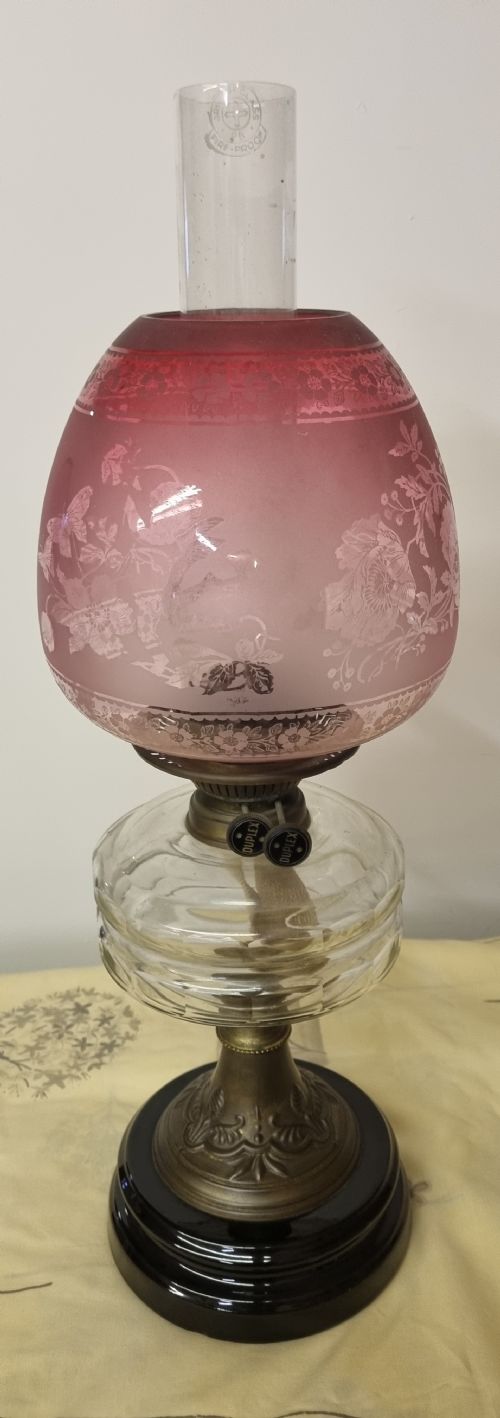
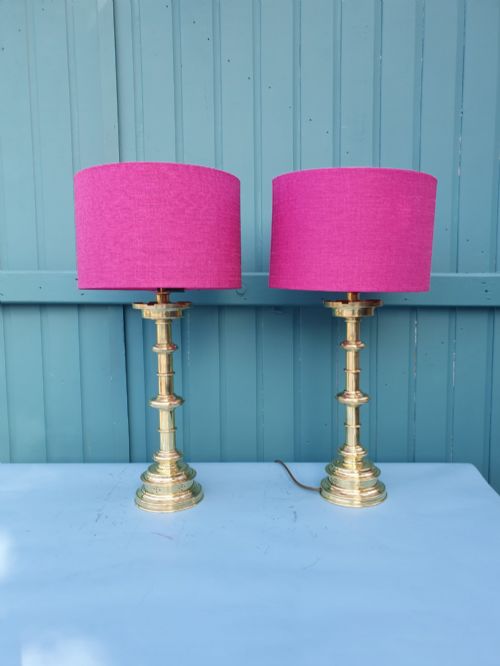
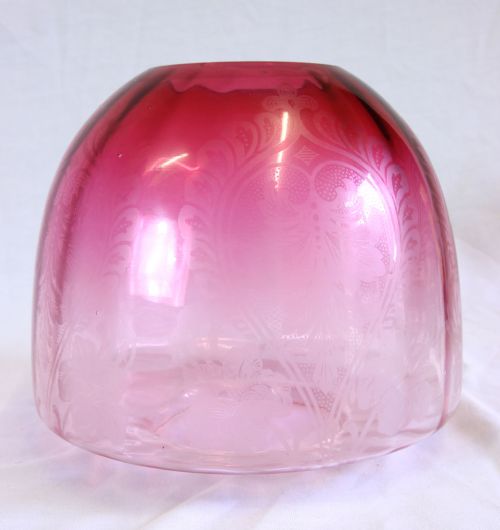
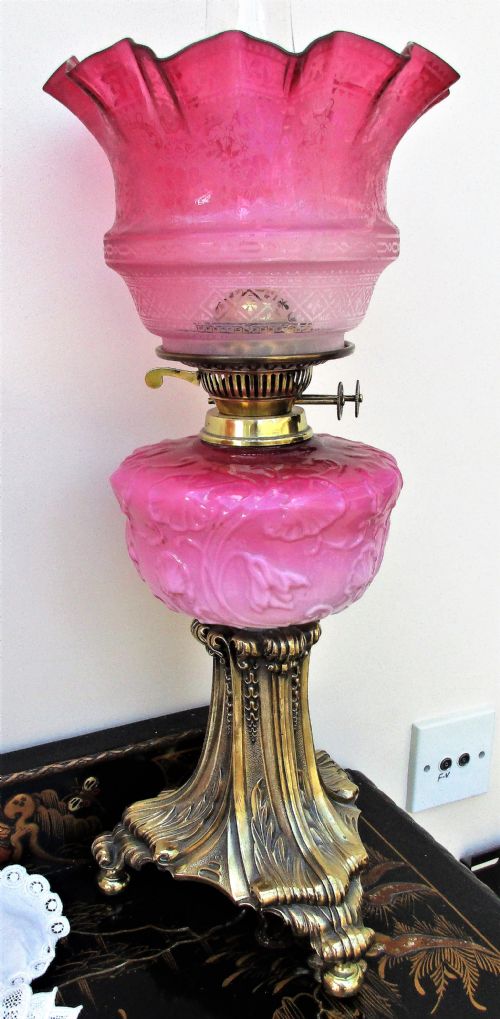
The most frequent form on this page combines a metal or ceramic base with a striking pink glass shade, often in cranberry or opaline glass. Surviving examples span table lamps, floor lamps, chandeliers, and hanging oil lamp shades, reflecting how homes were illuminated across different decades.
How They Were Made
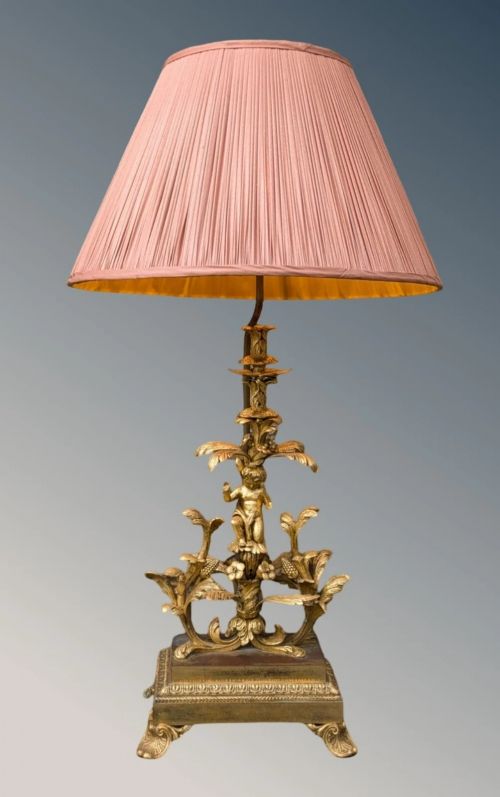
Makers utilised brass, marble, gilt bronze, and carved wood to construct sturdy and decorative columns, standards, and bases. Heavy materials like brass and marble provided the necessary stability for tall floor and table lamps.
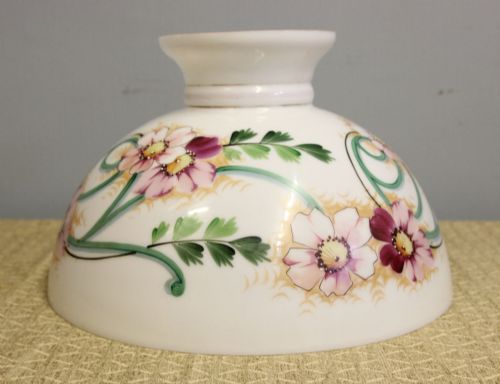
Shades and fonts were shaped from glass, porcelain, and fabric, with cranberry glass and opaline glass achieved through specialised mineral colouring techniques during manufacture. Hand painting on glass and ceramic surfaces added floral and decorative detail to individual components.
Pink Shade Lamp Retail Price Guide 2026
Typical asking prices for pink shade lamp among the pieces listed under this phrase on Sellingantiques today, from the lower quarter to the upper quarter. They describe what is for sale here now, not the wider market.
Object types span standard lamps, chandeliers, and desk lamps alongside traditional oil lamps.
What Varies in Quality
Quality rests in the weight of the casting, the precision of the brass work, and the depth of colour in the glass. Heavier columns, crisp Corinthian detailing, and richly saturated cranberry glass distinguish finer examples from standard production pieces.
The artistry found in hand-painted fonts and the presence of matching or original period shades elevate a piece's standing. Elements like telescopic mechanisms and fine gilding indicate higher tiers of craftsmanship.
Hinks·Taylor Tunnicliff·Sitzendorf
The Pink Shade Lamp Glossary
- Cranberry Glass
- A rich red-pink glass produced by adding gold chloride to the molten glass batch. It appears frequently in Victorian lamp shades and fonts.
- Opaline Glass
- An opaque or translucent pale glass, often tinted pink, used for lamp shades and hanging pendants. It diffuses light with a soft, milky appearance.
- Corinthian Column
- A classical architectural column style featuring ornate acanthus leaves on the capital, frequently utilised for Victorian standard and table lamp bases.
- Font
- The oil reservoir of a lamp, often manufactured from coloured glass, ceramic, or porcelain and positioned above the main base.
- Standard Lamp
- A tall floor-standing lamp designed to provide ambient room illumination, commonly seen in brass and wood from the Victorian and Edwardian eras.
Pink Shade Lamp: Frequently Asked Questions
How do I date a brass lamp?
Dating relies on examining the construction methods, switch types, and base styles visible on the piece. Victorian and Edwardian examples often feature heavy cast brass components and threaded fittings distinct from later manufacturing.
Comparing the form to documented periods like Art Nouveau or Art Deco further narrows the decade of production.
Are these lamps still wired for modern use?
Many period lamps have been adapted for electricity over time to suit contemporary homes. Rewiring allows antique brass and glass fixtures to function safely with modern electrical standards.
Qualified professionals should inspect older wiring before plugging in any vintage lighting.
What is cranberry glass?
Cranberry glass is a distinctive transparent pink-red material created by melting gold into the glass mixture. It became immensely popular during the Victorian era for decorative tableware and lamp shades.
The intensity of the pink colour varies depending on the amount of gold and the exact temperature of the kiln.
How should I clean a glass shade?
Cleaning requires gentle handling with warm water and mild soap to preserve any delicate hand-painted details. A soft cloth prevents scratching the surface of opaline or cranberry glass.
Harsh chemical cleaners should be avoided, especially around painted or gilt sections of the shade.