





Pink Porcelain Baluster Vase
A pink porcelain baluster vase offers an arresting silhouette and vibrant enamel palette, bringing historic craftsmanship and striking colour to any interior.
Pink Porcelain Baluster Vase
A pink porcelain baluster vase is defined by its characteristic sweeping profile, narrow neck, and bulbous lower body, drawing the eye instantly in any interior space. When you search for this phrase, you encounter vessels predominantly originating from Qing Dynasty China and nineteenth century European adaptations, alongside Chinese Republican period examples.
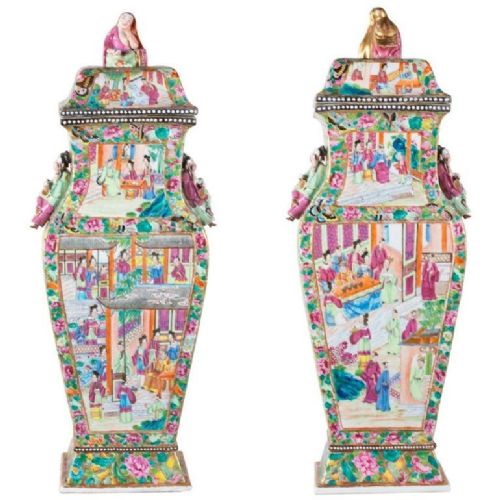
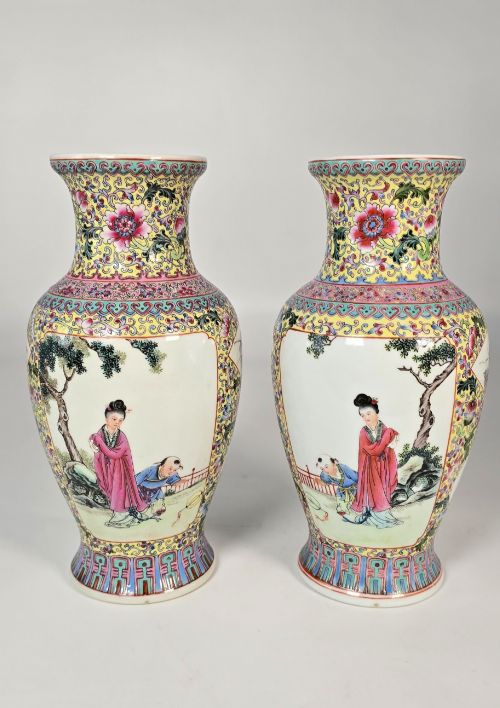
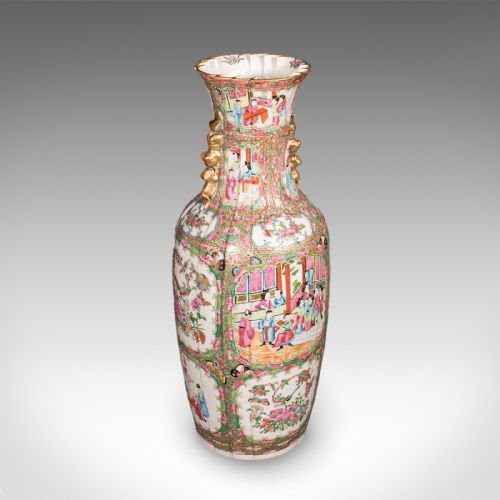
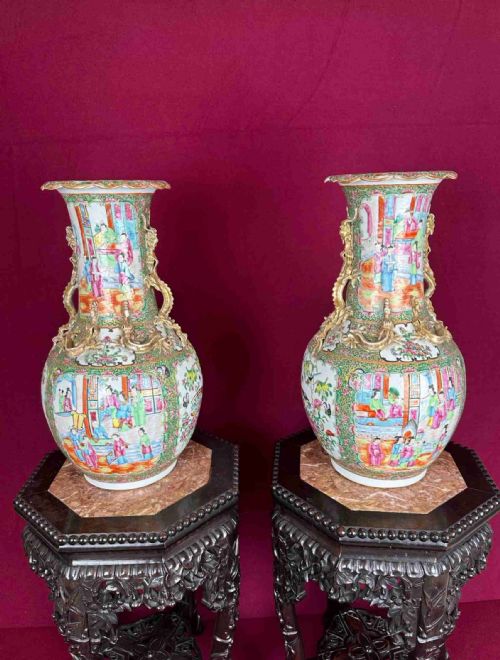
The aesthetic centres on rich pink grounds and elaborate overglaze enamel decoration, encompassing Famille Rose, Rose Mandarin, and Rose Medallion patterns. Many pieces on this page take the form of monumental floor vases, pairs of decorative vessels, or table lamps adapted from earlier porcelain bodies.
Originating from major kilns and export workshops in Canton, these vases reflect centuries of ceramic tradition tailored for both domestic use and global trade. The grouping ranges from heavily potted nineteenth century export pieces to refined eighteenth century styles bearing imperial marks.
Materials and production methods
Makers shaped high-fired porcelain into the classic baluster form before applying intricate surface designs using polychrome enamel and gold leaf. The distinct pink ground, often associated with the foreign pink or yangcai palette, required meticulous hand-painting of opaque and translucent pigments over the glaze.
Gilding and detailed overglaze enamelling were frequently fired multiple times to fix the metallic gold leaf and vibrant colours permanently to the ceramic body. Artisans combined brushwork with stencil elements on Canton export wares, achieving dense compositions of figures, birds, flowers, and geometric borders.
Pink Porcelain Baluster Vase Retail Price Guide 2026
Typical asking prices for pink porcelain baluster vase among the pieces listed under this phrase on Sellingantiques today, from the lower quarter to the upper quarter. They describe what is for sale here now, not the wider market.
Materials recorded across the selection include vitreous enamel, gold leaf, and polychrome enamel applied over traditional ceramic and fabric elements.
Factors of quality and execution
The refinement of the hand-painted enamels dictates the visual hierarchy, separating hastily produced export wares from meticulously detailed imperial style commissions. Superior pieces demonstrate crisp brushwork in the figures and foliage, with precise registration of the overglaze pink ground across the entire baluster surface.
The weight and purity of the porcelain body, along with the preservation of the original gilding and enamel gloss, determine the overall integrity of the vessel. Completeness also influences the standing of a piece, particularly where original covers remain with monumental baluster vases.
The Pink Porcelain Baluster Vase Glossary
- Baluster
- A vase shape characterised by a rounded lower body that tapers toward a narrow neck, resembling an architectural baluster. This silhouette provides a balanced proportion suited for display on tables or floors.
- Famille Rose
- A palette of opaque overglaze enamels dominated by pink or rose colours, introduced to Chinese porcelain during the Qing Dynasty. The style allowed for subtle tonal gradations and complex pictorial scenes.
- Rose Medallion
- A distinct pattern featuring segmented panels of figures, birds, and flowers arranged around a central medallion, typically set against a ground filled with green foliage and butterflies. It gained widespread popularity during the nineteenth century export trade.
- Overglaze enamel
- Coloured glass pigments applied to the surface of a previously fired and glazed ceramic piece, then fixed through a lower temperature second firing. This technique permits a broad spectrum of vibrant hues.
- Canton
- A major Chinese port city and manufacturing hub where porcelain blanks fired elsewhere were decorated for the export market. Canton workshops produced much of the nineteenth century export ware found in Western collections.
Pink Porcelain Baluster Vase: Frequently Asked Questions
How do I care for my vase?
Dust the porcelain gently with a soft, dry cloth to prevent accumulation on the delicate overglaze enamels and gilding. Avoid using chemical cleaners or abrasive materials, which can permanently damage the surface decoration.
Keep the vessel out of direct sunlight to protect the pink ground and polychrome pigments from fading over time. If the vase holds water for floral arrangements, line the interior carefully to avoid staining porous unglazed rims.
Were these vases made for export?
Many nineteenth century examples were produced specifically for the Western export market in workshops around Canton, catering to European and American tastes. These export pieces often feature dense narrative scenes and vibrant rose medallions designed to appeal to foreign buyers.
At the same time, certain pieces reflect domestic Qing Dynasty traditions or imperial aesthetics, bridging the gap between local patronage and international trade. Understanding this context helps clarify the specific style of decoration on each vessel.
How do I identify a nineteenth century piece?
Examine the weight, potting style, and enamel characteristics, which often reveal the heavier, busier compositions typical of the Victorian era and late Qing Dynasty. The presence of Canton export motifs, such as alternating panels of figures and birds, points strongly toward nineteenth century production.
Reference marks, where present, can also offer clues, though retrospective marks were common in Chinese ceramics. Comparing the brushwork quality with known period examples remains a reliable method for dating.
Can I use these vases as lamps?
Several pieces are adapted as table lamps, utilising the original porcelain body while incorporating electrical fittings and fabric shades. This conversion was often carried out to give historic vases a functional role in modern interiors.
When living with a lamp conversion, check whether the fitting compromises the ceramic structure or if the original rim remains intact. Many collectors appreciate both the unaltered vases and the well-executed lamp adaptations.