


Pink Glass Ceiling Pendant
A pink glass ceiling pendant brings a warm, diffused hue to a room, drawing the eye upwards with its distinct period character.
Pink Glass Ceiling Pendant
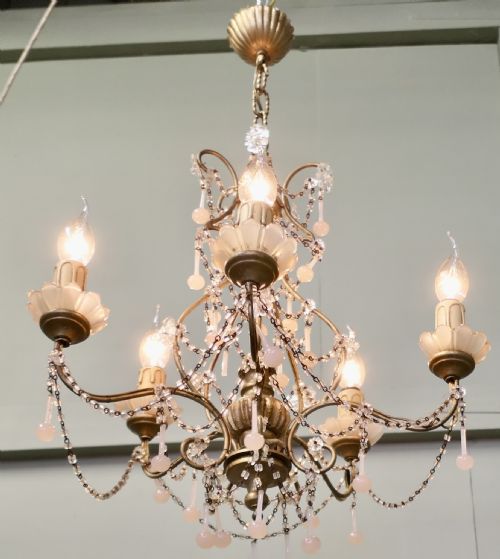
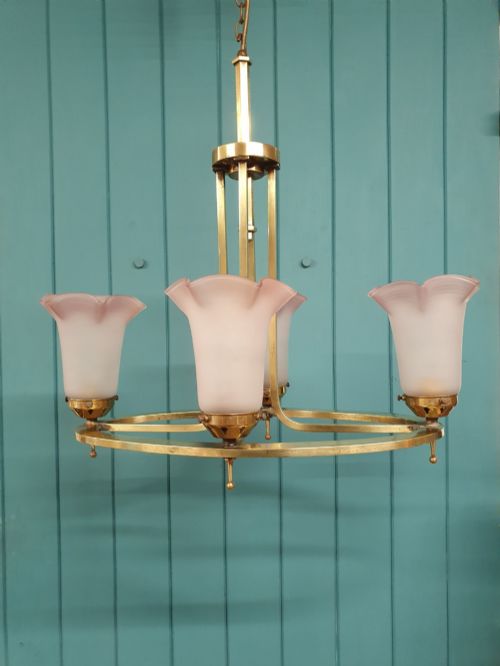
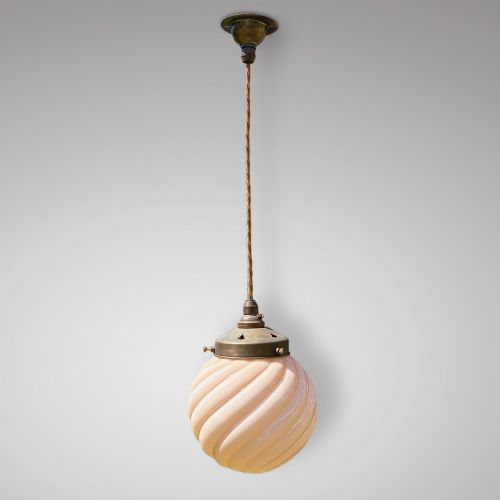
When you search for a pink glass ceiling pendant, you encounter light fittings designed to hang from overhead, typically combining metallic frames with tinted or shaded glass. These fixtures range from single suspension lamps to multi-branched chandeliers produced across several distinct eras.
The versions most commonly met on this page date from the twentieth century, particularly the Art Deco period, alongside Victorian and nineteenth-century examples. They appear in forms such as opaline pendants, cranberry glass fittings, and shaped shades resembling shells or grapes.
Makers and designers from Italy, France, and Britain contributed to this variety, utilising styles that span from Italian Baroque and Venetian Art Deco to Art Nouveau and French Chateau aesthetics. A buyer finds pieces equipped with brass, gilt metal, or fabric flex, reflecting the hardware typical of their respective decades.
How they were made
The construction relies on the combination of worked glass and structural metalwork, bringing together blown or pressed pink glass with brass, gilt metal, or crystal components. Glassmakers shaped opaline, frosted, cranberry, and clear crystal elements to diffuse light effectively while adding colour to the interior.
Metal frames, often cast in brass or gilt brass, support the glass shades and crystal drops using traditional mechanical fixings, screws, and chains. Many pieces incorporate period wiring methods alongside modern fabric flex replacements to suit contemporary installation standards.
Listings feature pink glass ceiling pendants spanning the nineteenth century through to the 1930s, utilising brass, opaline glass, and gilt metal.
What varies in quality
The distinction between standard examples and finer pieces lies in the depth of hand-finishing on the metalwork and the complexity of the glass manipulation. Elaborate mouldings, such as crimped edges or detailed shell and grape formations, indicate greater artisan involvement during production.
The integration of materials also dictates the overall standard, where heavy cast brass mounts and uniform glass colouring hold more presence than lighter, pressed sheet alternatives. The purity and weight of the coloured crystal or opaline glass remain key indicators of the original maker's intent.
The Pink Glass Ceiling Pendant Glossary
- Opaline glass
- An opaque or semi-translucent glass that diffuses light softly, frequently tinted in pastel colours like pink during manufacturing.
- Cranberry glass
- A rich red-pink glass produced by adding gold chloride to the molten batch, popular in Victorian and Art Nouveau lighting.
- Gilt metal
- A base metal treated with a thin layer of gold leaf or gilt paint to give the appearance of solid gold hardware.
- Fabric flex
- A flexible electrical cord covered in woven fabric, often used to replicate or maintain the historical appearance of pendant lights.
- Clam shell
- A decorative glass shade moulded into the ridged, fan-like shape of a bivalve shell, common in Art Deco designs.
Pink Glass Ceiling Pendant: Frequently Asked Questions
How do I hang a heavy brass chandelier safely?
Suspension requires fixing directly into the ceiling joist or using an appropriate structural toggle bolt to bear the combined weight of the metal frame and glass elements.
Professional installation by an electrician ensures the wiring matches current standards while supporting the physical load securely.
What rooms suit a pink glass pendant light?
These fixtures work well in hallways, bedrooms, or dining areas where softer, tinted illumination creates an intimate atmosphere.
The scale of the fitting dictates its placement, with single pendants suiting compact spaces and multi-branch chandeliers anchoring larger rooms.
How do I clean antique glass shades?
Removal of the glass components allows for gentle washing in lukewarm water with mild soap, avoiding harsh chemicals that might damage the surface.
Metal frames should be dusted with a dry cloth to preserve any patination or original gilt finishes without stripping the metal.