



Pink Floral Bowl
A pink floral bowl brings hand-painted botanicals and soft colour to a table, combining centuries of ceramic tradition with vibrant floral scenes.
Pink Floral Bowl
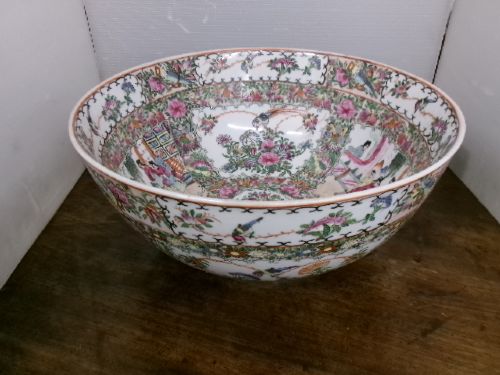
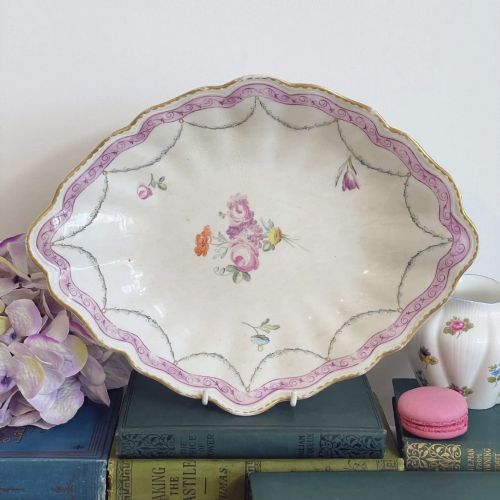
When you search for a pink floral bowl, you encounter a diverse selection of ceramic and porcelain vessels spanning several centuries. These pieces range from eighteenth-century soft-paste porcelain serving dishes and teabowls to large nineteenth-century Rose Medallion and Chinese Canton bowls.
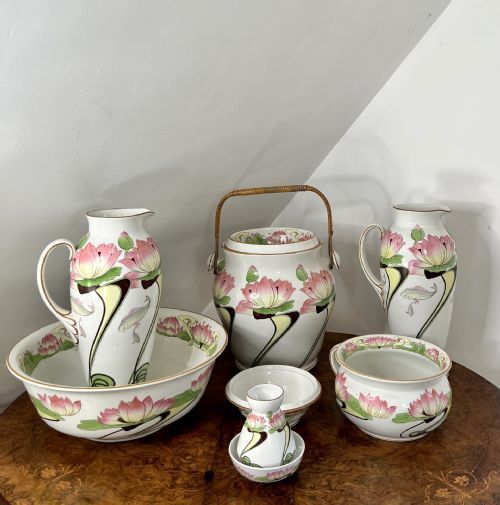
The versions you are most likely to meet on this page include large decorative centrepieces, serving dishes, and bathroom sets originating from various periods including the Georgian era, the Regency period, and the early twentieth century. Each item displays hand-painted floral motifs incorporating pink tones, often accompanied by gilding or enamel highlights.
The forms vary considerably in scale and purpose, from intimate eighteenth-century teabowls to grand nineteenth-century porcelain bowls measuring up to fifty centimetres in diameter. Makers from English factories such as Royal Worcester, Derby, and Chelsea sit alongside Chinese export wares and German porcelain works.
How they were made
Makers utilised porcelain, earthenware, and soft-paste porcelain as the primary bodies for these vessels, shaping them on the wheel or casting them in moulds. Artisans applied hand-painted enamels and polychrome pigments directly onto the ceramic surface to create the distinctive floral designs.
Many examples incorporate gold leaf, gilding, and plique-a-jour techniques to accent the rims, panels, and borders of the bowls. Subsequent kiln firings fused the enamel and metal leaf to the glaze, ensuring lasting colour integration across eighteenth-century and later pieces.
Pink Floral Bowl Retail Price Guide 2026
Typical asking prices for pink floral bowl among the pieces listed under this phrase on Sellingantiques today, from the lower quarter to the upper quarter. They describe what is for sale here now, not the wider market.
Listings feature porcelain, earthenware, and enamel materials across periods spanning the eighteenth century to the mid-twentieth century.
What varies in quality
The precision and detail of the hand-painting separate standard production items from exceptional artistic examples. Finely executed brushwork in floral sprays and figural panels demonstrates superior artisan skill compared to simpler transfer or mechanical decoration.
The purity of the porcelain body and the richness of the gilding or enamel work also determine the standing of a piece. Well-preserved gilding and crisp potting reflect the high standards of factories such as Royal Worcester or eighteenth-century Chelsea and Derby.
Royal Worcester·Chelsea·Derby
The Pink Floral Bowl Glossary
- Soft-Paste Porcelain
- An early artificial porcelain composition fired at lower temperatures than true hard-paste porcelain. It produces a warm, slightly creamy body frequently found on eighteenth-century English bowls.
- Rose Medallion
- A distinct style of Chinese export porcelain featuring panels populated by figures alternating with panels of birds, butterflies, and pink flowers. These large bowls date primarily from the nineteenth century.
- Plique-a-jour
- An enamelling technique where enamel is applied in cells without a backing, resembling miniature stained glass. This method allows light to pass directly through the translucent coloured sections.
- Polychrome
- A decoration method utilising multiple distinct colours in the painted design. On these bowls, it describes the rich palette of pinks, greens, and blues used for floral motifs.
Pink Floral Bowl: Frequently Asked Questions
How are these bowls dated?
Dating relies on factory marks, ceramic bodies, and stylistic indicators such as hand-painting techniques. Eighteenth-century pieces often feature specific paste characteristics and underglaze blue marks.
Later nineteenth and twentieth-century examples display distinct potting weights and enamel palettes that align with periods like the Regency or Edwardian eras.
Can I use these bowls daily?
Antique ceramic vessels require careful handling due to their age and delicate enamel or gilt decorations. Hand washing in lukewarm water preserves the painted floral surfaces.
Using them for display or gentle serving prevents unnecessary wear on eighteenth and nineteenth-century glazes.
What is Rose Medallion?
Rose Medallion is a distinct nineteenth-century Chinese export porcelain style characterised by segmented panels. These panels alternate between court scenes and dense arrangements of pink flowers and foliage.
Such bowls were produced in large diameters for international markets and remain prominent in the category.
Where were these pieces made?
The inventory encompasses both European manufactories and Asian export centres. English factories like Worcester, Chelsea, and Derby produced refined soft-paste and porcelain tablewares.
At the same time, Chinese kilns exported large Canton and Famille Rose bowls to Western buyers.