

Pine Wooden Press
When you want a pine wooden press, you are after a sturdy storage piece that brings honest timber grain and generous proportions into a room.
Pine Wooden Press
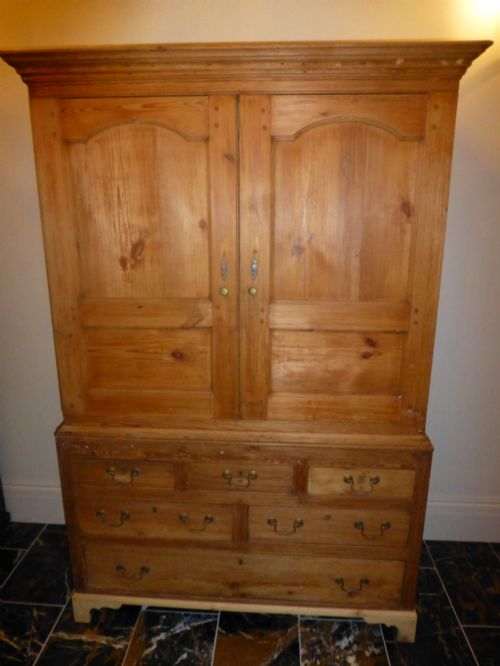
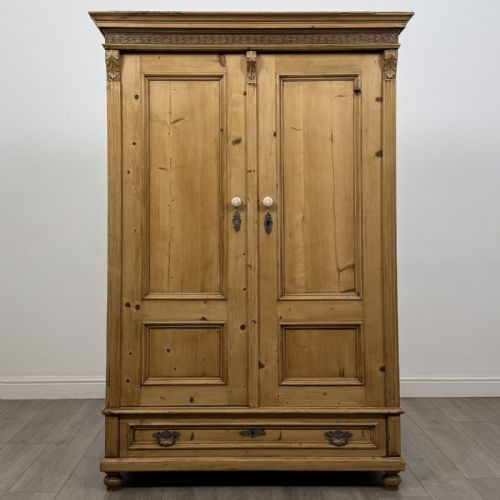
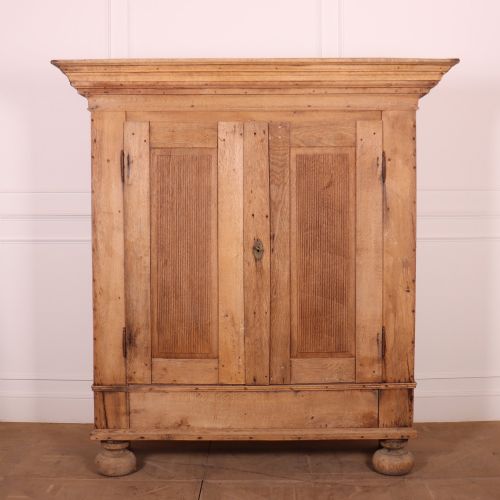
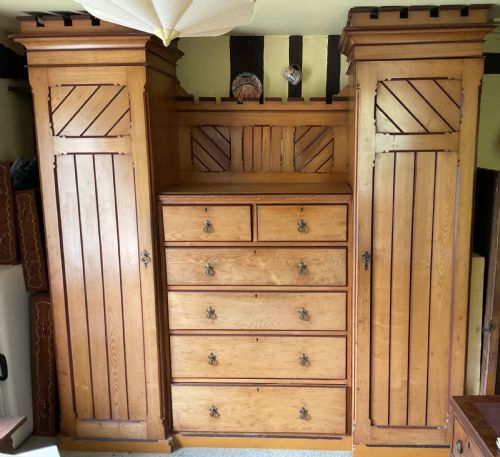
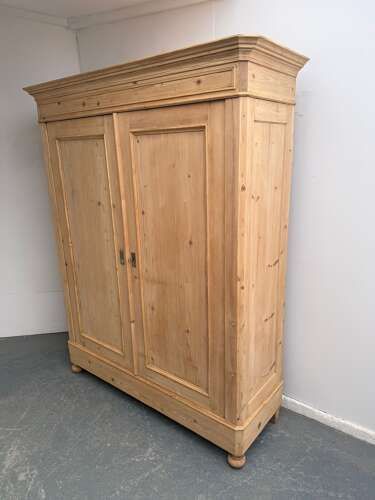
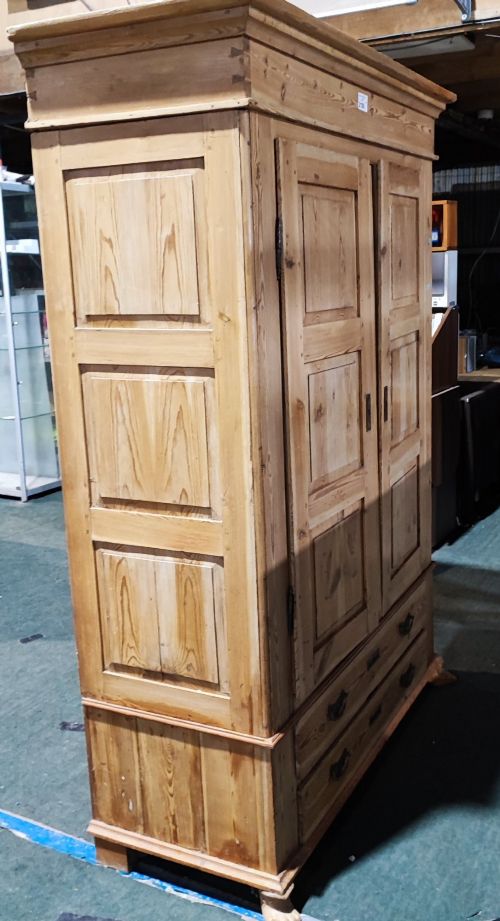
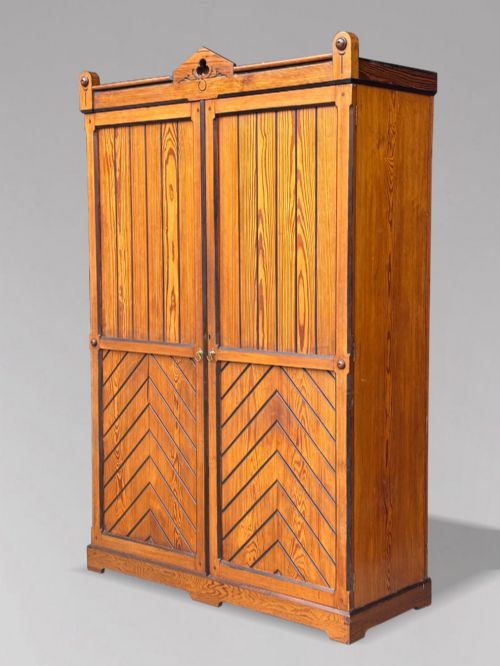
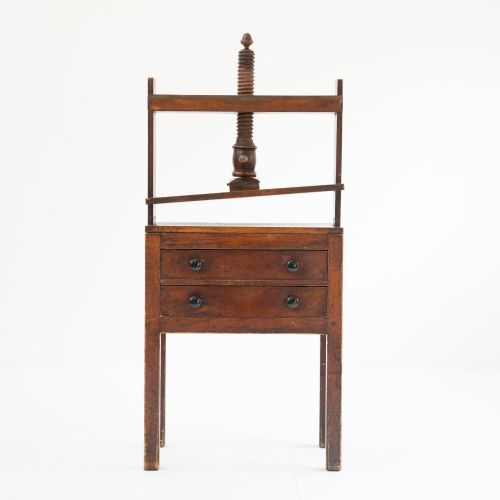
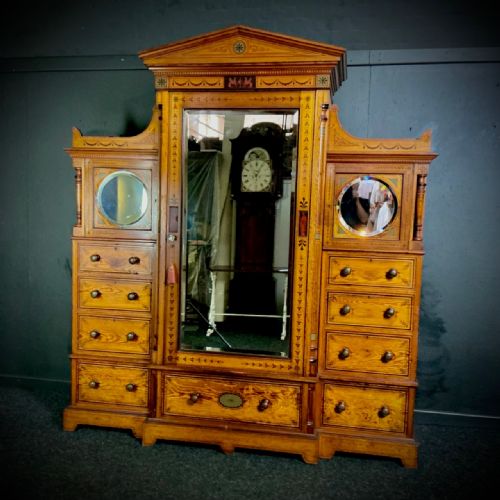
A pine wooden press encompasses tall wardrobes, linen cupboards, and large kitchen housekeepers' cupboards designed for domestic storage. These items emerge from the Georgian and Victorian eras, alongside continental workshops from Sweden, France, and Hungary.
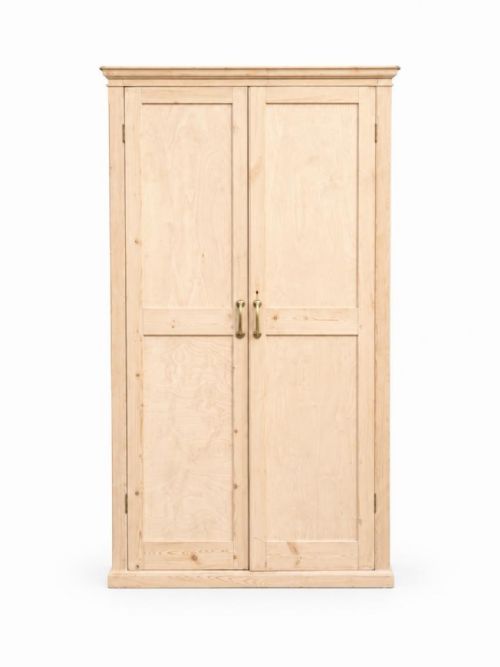
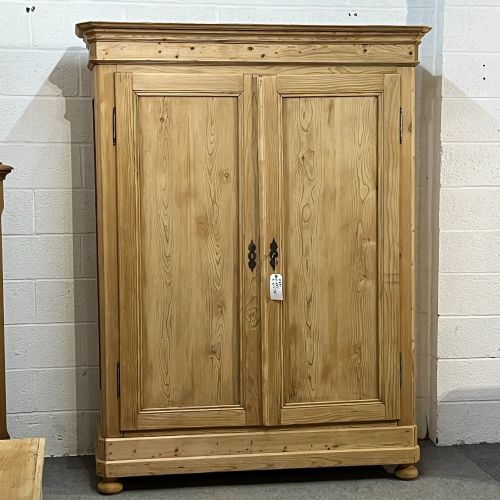
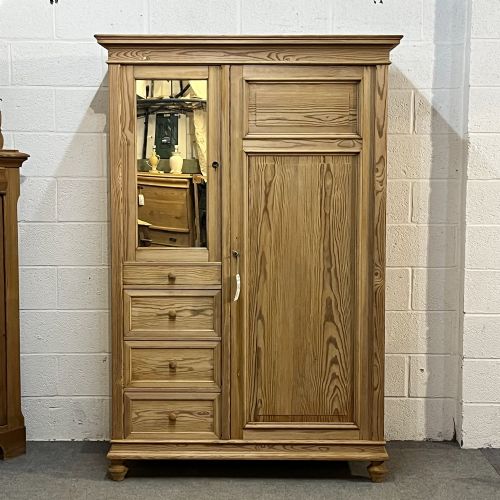
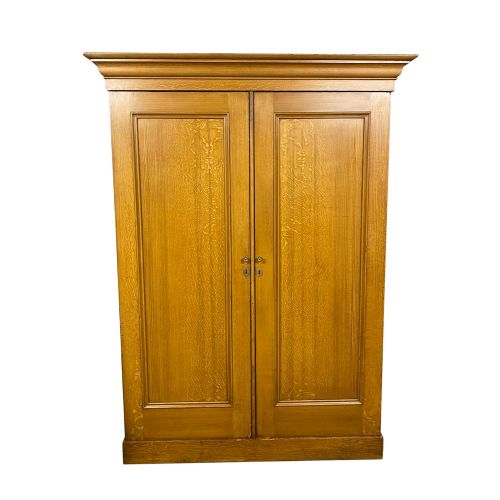
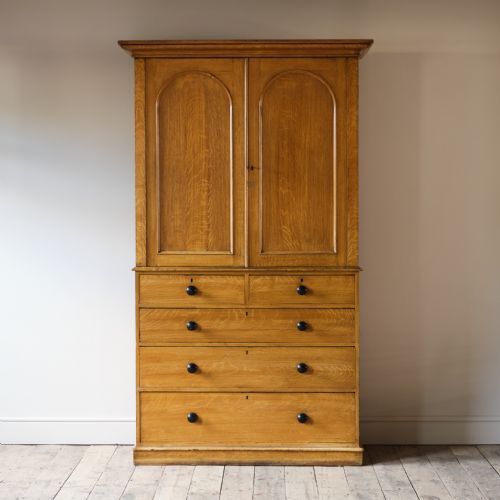
The most common formats on this page are two-door and triple-door wardrobes, often built with knockdown construction for ease of transport. Buyers also encounter dedicated linen presses fitted with internal sliding trays or shelves behind panelled doors.
How they were made
Carpenters constructed these presses primarily from solid pine and pitch pine, often reinforcing heavy door frames and cornices with iron and brass fixings. Timber boards were selected for domestic utility, yielding straightforward joints and sturdy carcass construction.
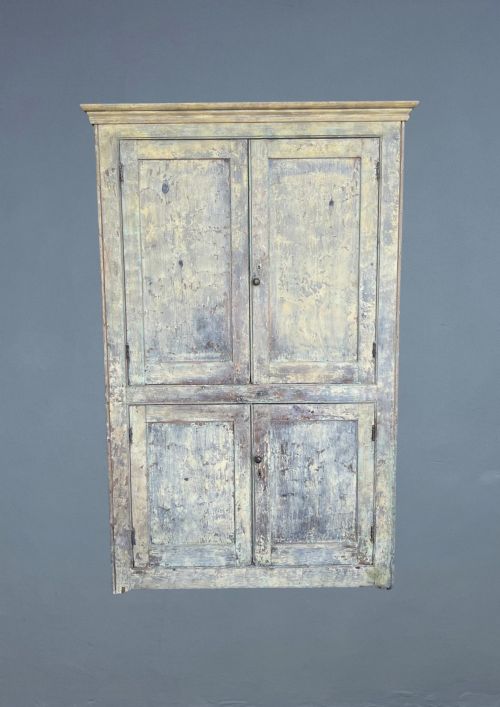
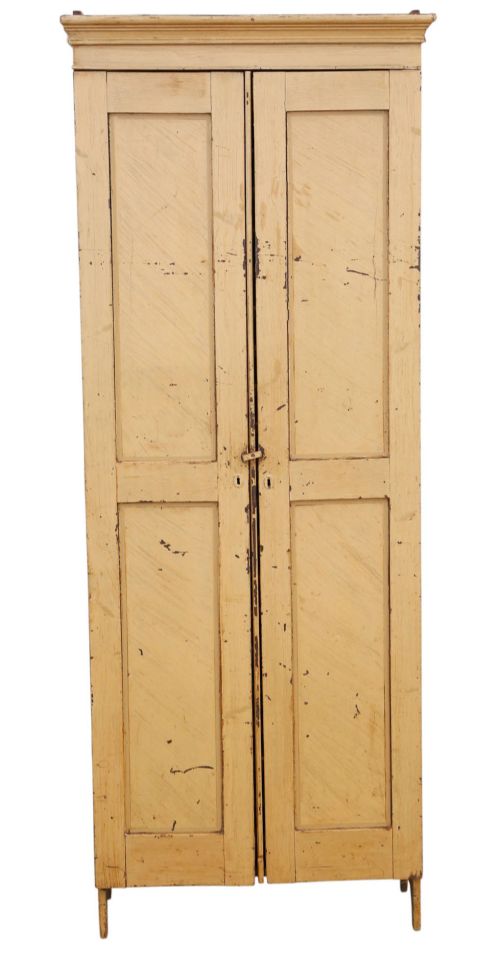
Surfaces were frequently finished with natural wax to highlight the grain, or coated in original paint, scumble glazes, and milk paint. Many continental examples display hand-painted decoration or faux wood effects applied over the base softwood.
Pine Wooden Press Retail Price Guide 2026
Typical asking prices for pine wooden press among the pieces listed under this phrase on Sellingantiques today, from the lower quarter to the upper quarter. They describe what is for sale here now, not the wider market.
Scumble paint finishes on these wardrobes let clever 19th-century painters turn ordinary softwood into convincing faux oak.
What varies in quality
The distinction between standard utility items and finer examples lies in the crispness of the mouldings, the retention of original painted surfaces, and the integrity of internal fittings such as linen slides. Regional variations, such as Scottish Arts and Crafts detailing or crisp Georgian proportions, elevate a piece above standard farmhouse furniture.
Construction methods also dictate grade, where clever knockdown pins and pegged joints show deliberate craftsmanship. Original hardware, untouched paintwork, and well-proportioned cornices separate exceptional survivors from heavily altered utility cupboards.
Johnston’s of London
The Pine Wooden Press Glossary
- Pine wooden press
- A large timber storage cabinet designed for hanging garments or storing folded textiles like linen and bedding.
- Knockdown wardrobe
- A large wardrobe constructed to dismantle into flat panels and separate cornices for moving between rooms.
- Scumble paint
- A translucent glaze brushed over a base coat to imitate the grain pattern of more expensive hardwoods like oak.
- Housekeeper's cupboard
- A tall utility storage cabinet traditionally kept in large country houses for domestic supplies and kitchen stores.
- Linen press
- A tall piece of furniture featuring upper shelving or sliding trays enclosed by doors, often placed above drawer sections.
Pine Wooden Press: Frequently Asked Questions
How do I assemble a knockdown pine press?
Knockdown presses use internal wooden pins, bed bolts, or sliding tongue-and-groove joints to connect the top cornice, base, and side panels without permanent glue.
Enlist a second person to hold the heavy side walls steady while sliding the back panels into their respective grooves before dropping the top crown into place.
Are these presses deep enough for modern clothes hangers?
Many older wardrobes were built with shallow depths designed for folded garments or specialised narrow hangers rather than modern bulky coat hangers.
Check the internal depth dimensions carefully if you intend to install a modern hanging rail for standard adult clothing.
Should I strip painted pine or keep the original finish?
Original painted surfaces, scumble glazes, and historic patinas carry historical value and demonstrate how the piece appeared in a period domestic interior.
Stripping paint down to raw softwood removes this character, though many examples are purposely sold in bare wood ready for waxing or repainting to suit modern schemes.
How do I care for antique pine furniture?
Maintain waxed pine surfaces by applying a traditional beeswax sparingly with a soft cloth, buffing gently to protect the timber from drying out.
Keep these large wooden pieces away from direct heat sources and radiators to prevent the pine panels from splitting or warping over time.