
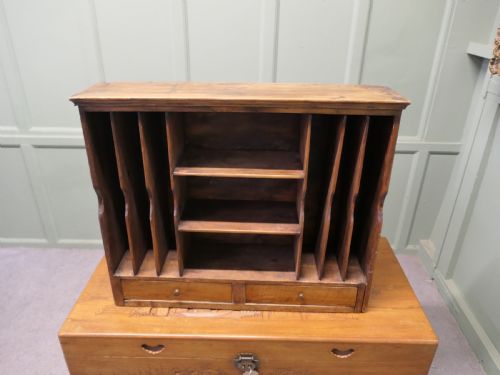


Pine Wooden Drawer Unit
A pine wooden drawer unit brings honest utility and warmth to a room, offering practical storage grounded in solid timber.
Pine Wooden Drawer Unit
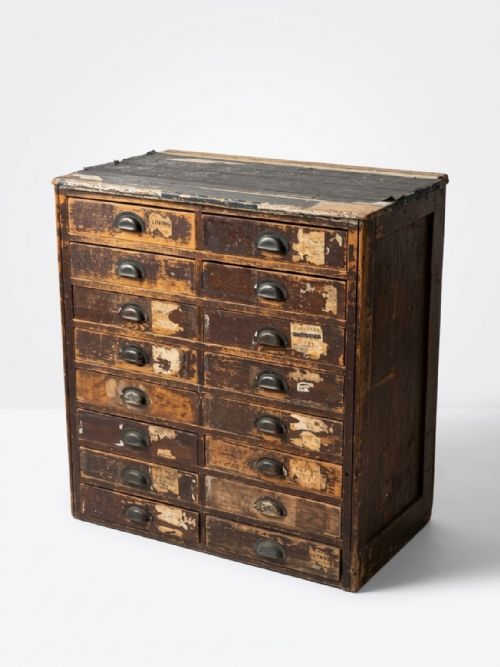
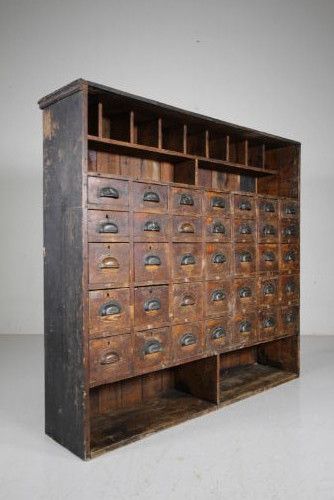
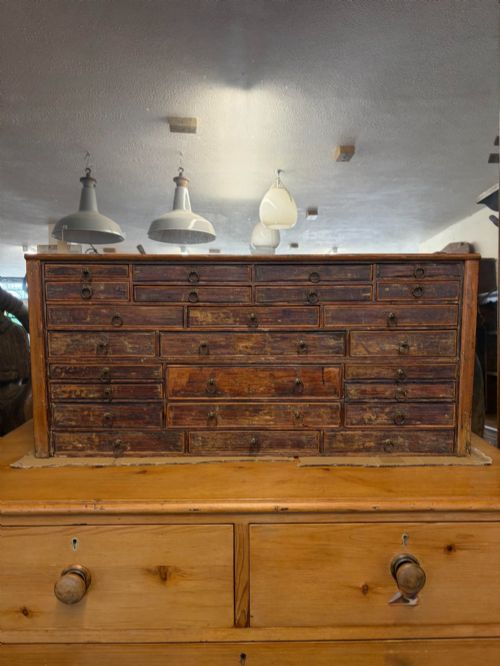
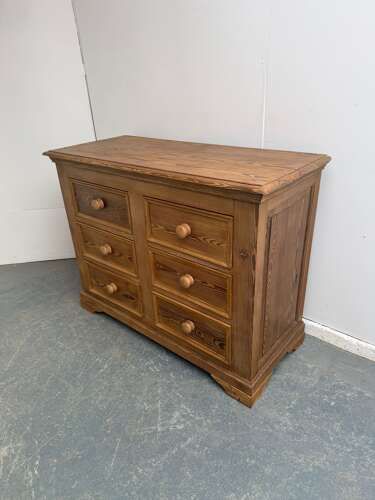
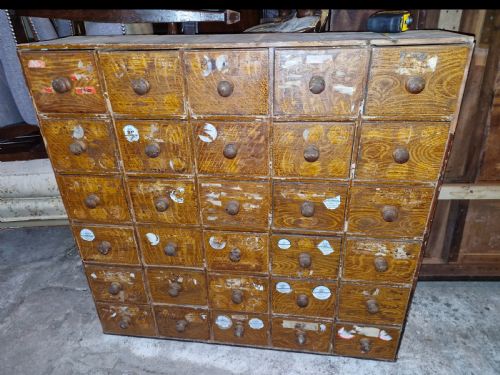
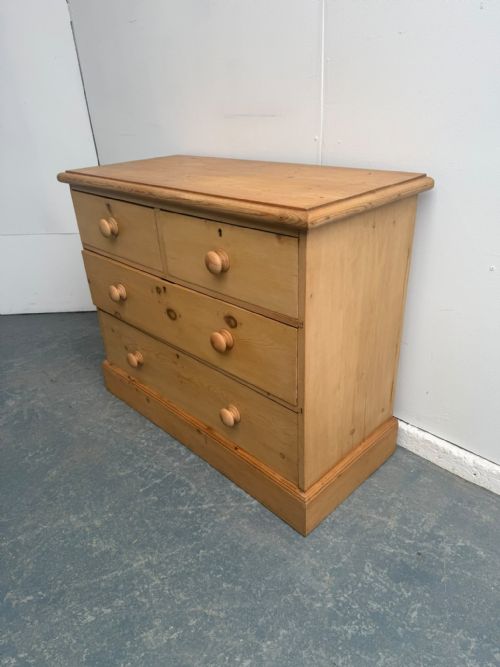
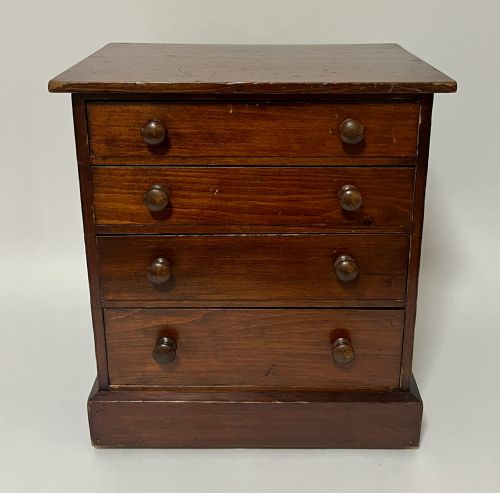
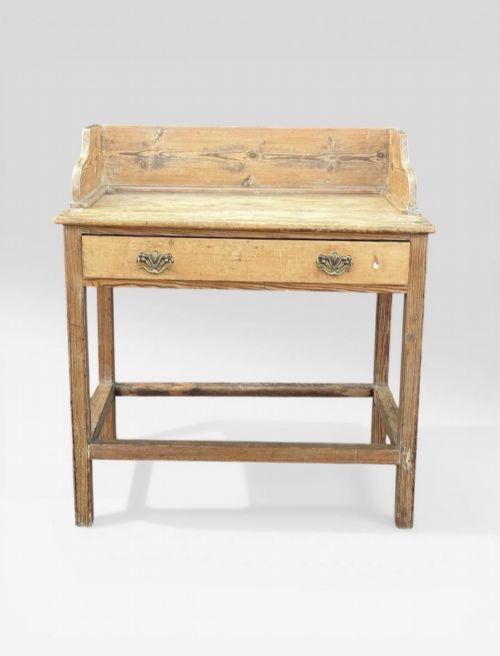
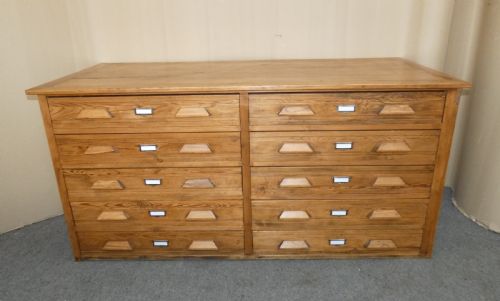
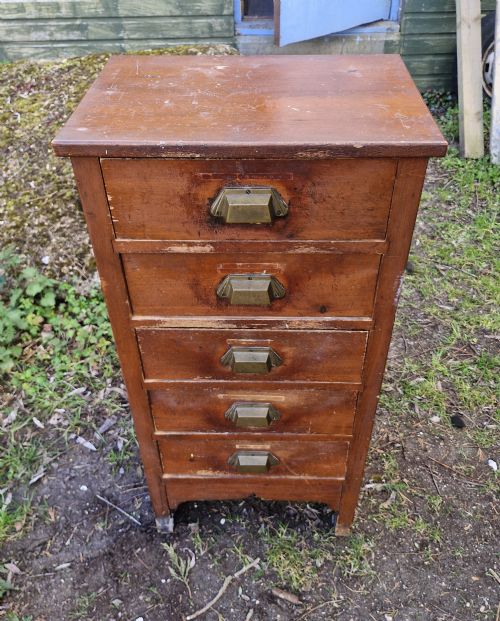
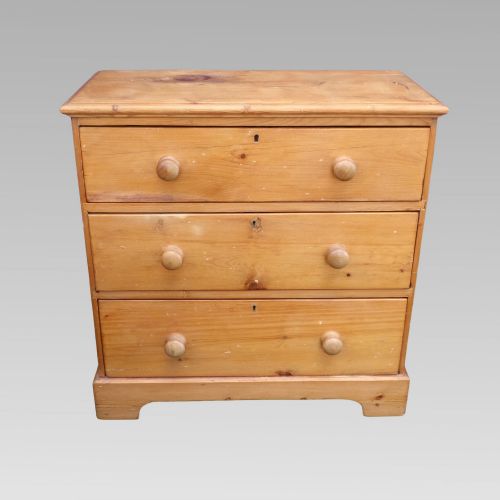
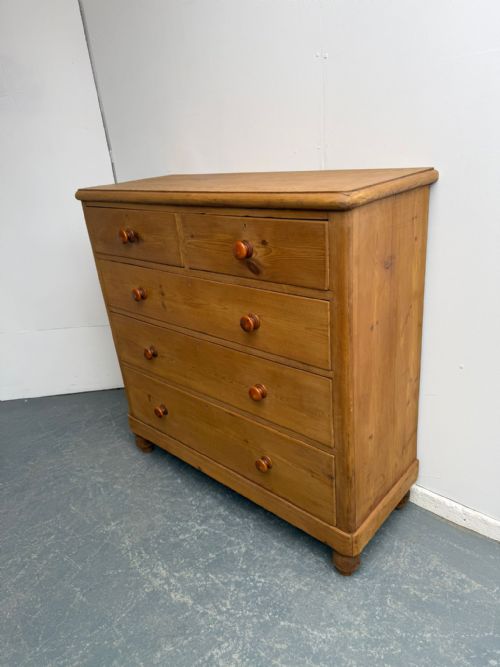
A pine wooden drawer unit covers a wide spectrum of functional storage furniture from the nineteenth and early twentieth centuries. Buyers seeking a pine wooden drawer unit will discover everything from domestic chests of drawers and dressing tables to workshop banks of drawers and haberdashers cabinets.
The pieces appearing most frequently originate from the Victorian and Edwardian periods, encompassing English, Irish and French country styles. Alongside standard chests, utilitarian items such as office cabinets, filing shelves and collectors cabinets demonstrate the versatile storage roles these units fulfilled.
Makers utilised resilient softwoods to build robust furniture intended for daily service in homes, shops and commercial premises. Whether stripped to reveal the natural grain or retaining traces of original paint and scumble finishes, each piece carries the distinct character of its period.
Materials and construction
Carpenters relied primarily on solid pine and pitch pine for carcases and drawer construction, selecting straight-grained timber for structural stability. Backboards and drawer linings frequently employ secondary softwoods, reflecting practical workshop economy during the Victorian era.
Hardware played an essential functional role, with brass and iron handles, pulls and card frames fitted to drawers for heavy daily use. Surface finishes varied from simple wax polishing to painted, stained and scumble treatments designed to protect the wood and imitate more expensive hardwoods.
A fifteen-door locker cabinet and a twenty-five-drawer bank prove that earlier generations understood the sheer joy of having a dedicated box for absolutely everything.
Assessing the pieces
Quality in these utility units rests upon the integrity of the timber selection and the robustness of the joinery used in the drawer construction. Better examples display carefully fitted dovetailed drawer joints and well-seasoned pine that resists warping over decades of use.
The retention of original hardware, such as period brass handles or iron pulls, significantly elevates a piece above those altered with modern replacements. Furthermore, untouched original finishes like historic paint or rich waxed patination distinguish superior survivors from heavily stripped or altered examples.
Luxmore's of Ilfracombe
The Pine Wooden Drawer Unit Glossary
- Pitch pine
- A dense, resinous variety of pine timber often used in nineteenth-century cabinetry for its durability and strong grain pattern.
- Scumble pine
- A surface treatment where a translucent tinted glaze is manipulated over a pale ground to simulate the appearance of figured hardwood.
- Bank of drawers
- A multi-drawer storage unit, often large and utilitarian, originally built for commercial, office or workshop organisation.
- Collectors cabinet
- A small, multi-drawer cabinet designed specifically for housing specimens, coins or small artefacts safely.
- Washstand
- A piece of bedroom furniture designed to hold a basin and jug, frequently adapted into general side storage or small drawer units.
Pine Wooden Drawer Unit: Frequently Asked Questions
How do I clean a waxed pine surface?
Dust the timber regularly with a soft, dry cloth to prevent grit accumulation on the old wax layer.
Apply a traditional beeswax sparingly with a clean cloth when the wood appears dry, then buff gently to restore the soft sheen.
Were these units painted originally?
Many nineteenth-century utility pieces left the workshop with painted or scumble finishes to protect the softwood timber and provide a uniform appearance.
Stripping pine became popular later, but surviving original paint finishes offer important historical evidence of how the furniture looked in use.
Can I use a shop bank of drawers at home?
Commercial drawer units and haberdashers cabinets adapt exceptionally well to modern domestic interiors for organising clothing, kitchen items or craft supplies.
Their sturdy construction and numerous smaller drawers provide practical storage solutions that suit contemporary living spaces.
How do I distinguish Victorian from Edwardian pine?
Victorian pieces tend to feature heavier proportions, robust brass or iron hardware, and darker wax finishes or scumble paint treatments.
Edwardian furniture often displays lighter construction, simpler lines, and a slightly more refined approach to domestic bedroom and office storage.