


Pine Wooden Dining Seats
Pine wooden dining seats bring warmth to a room, offering sturdy utility through benches, chairs, and tables shaped by country traditions.
Pine Wooden Dining Seats
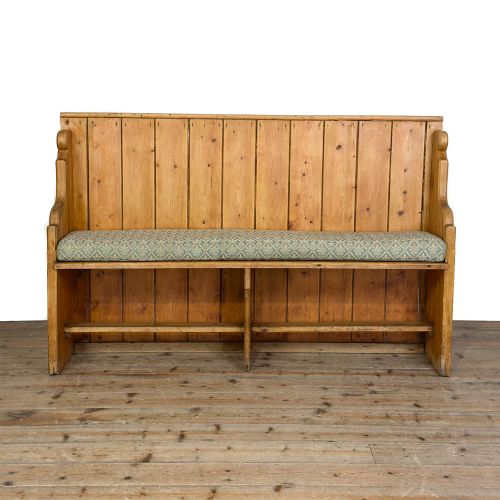
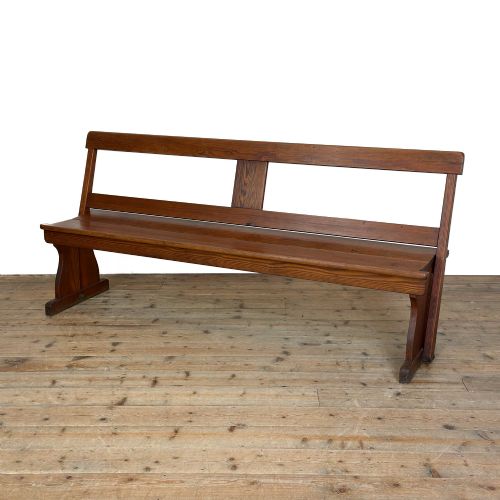
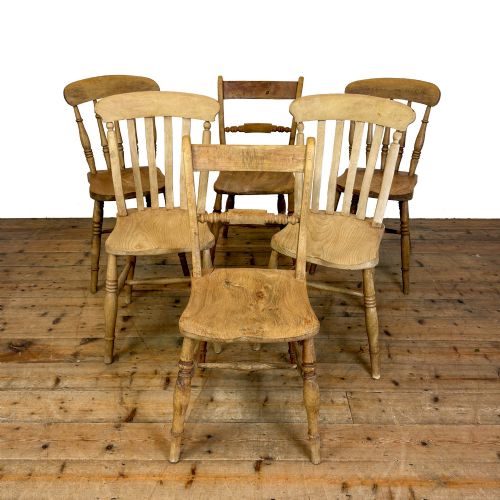
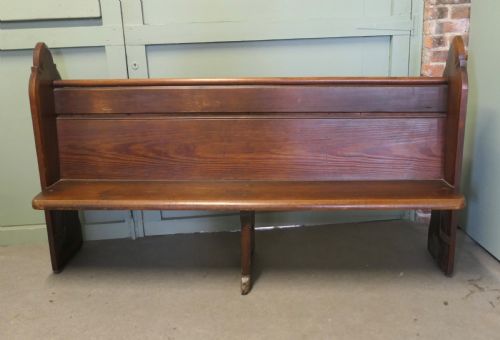
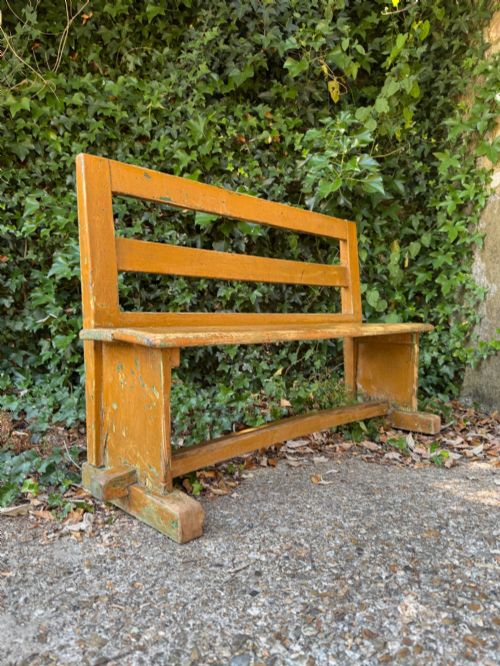
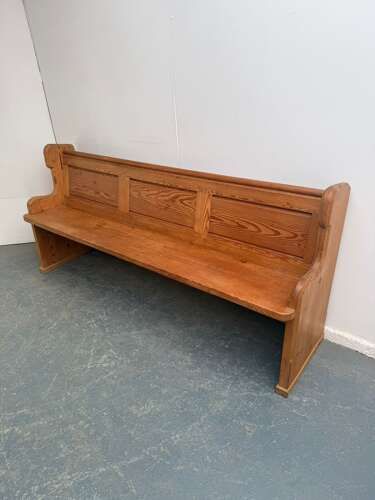
When you search for pine wooden dining seats, you encounter a practical mix of benches, settles, chapel pews, and kitchen chairs suited for everyday gathering. These pieces emerge predominantly from the nineteenth century and the early twentieth century, spanning Victorian, rustic farmhouse, and Scandinavian country styles.
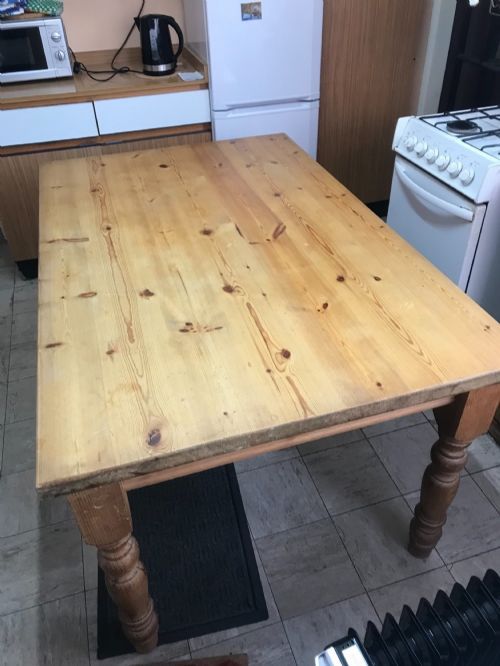
The selection ranges from single armchairs and pairs of school benches to large dining tables accompanied by matched sets of chairs. Many examples originate from domestic kitchens, schools, or places of worship, bringing a robust utilitarian character into modern spaces.
How they were made
Construction relies primarily on solid pine and pitch pine timbers, sometimes supplemented by elm, beech, and fabric. Workshops shaped these soft and resilient woods using traditional joinery, often leaving surfaces waxed or finished with historic layers of paint and scumble.
Structural variety includes comb-back Windsor designs, boarded bench construction, and turned legs on kitchen tables. Makers utilised straightforward carpentry methods that ensured durability in domestic and institutional settings.
Listings feature items from the 1870s through the 1930s, utilising pine, pitch pine, elm, and beech.
What varies in quality
Quality rests in the integrity of the timber, the weight of the solid construction, and the presence of original surface treatments like old paint or warm wax patination. Benches and chairs retaining their original structural fastenings and uncompromised proportions command greater interest.
The refinement of the joinery and the balance of proportions distinguish standard utility items from more considered regional pieces, such as Gothic design hall chairs or painted Scandinavian settles.
The Pine Wooden Dining Seats Glossary
- Pitch pine
- A dense, resinous variety of pine timber prized for its durability and prominent grain pattern. It frequently appears in nineteenth-century pews and institutional benches.
- Scumble
- A decorative painting technique involving a translucent top layer dragged over a paler base to simulate richer grain. This finish often survives on nineteenth-century dining chairs.
- Comb-back
- A chair design where the spindle tops pierce the crest rail, resembling the teeth of a comb. This construction provides robust back support for country dining chairs.
- Settle
- A wooden bench featuring high backs and solid arms, designed to block draughts in older interiors. They frequently include integrated storage beneath the seat.
Pine Wooden Dining Seats: Frequently Asked Questions
How do I clean old pine seats?
Dust surfaces regularly with a dry cloth to protect the timber and any historic wax finishes. Avoid harsh modern cleaning agents that strip natural patination.
For stubborn marks, use a slightly damp cloth with mild soap, drying the wood immediately afterwards to prevent moisture damage.
Are these seats suitable for daily use?
Most pieces were built for rigorous daily tasks in farmhouses, schools, and churches, making them inherently robust. Solid construction ensures they handle regular family dining.
Check joints periodically to ensure structural stability remains sound under everyday weight.
How do I identify a Victorian pine bench?
Victorian examples often display deep timber boards, hand-cut joinery marks, and rich patination accumulated over decades of use. Proportions tend to be generous and functional.
Stylistic cues like Gothic arched panels or turned legs frequently point towards nineteenth-century manufacture.
Can I mix different pine chair styles?
Pairing varied chairs around a pine dining table creates an eclectic look common in country interiors. Harlequin sets demonstrate that mismatched seating has long historical precedent.
Matching timber tones or similar periods helps maintain visual cohesion across the arrangement.