





Vintage Pine Kitchen Seating
Vintage pine kitchen seating brings honest utility and honest grain to a room, ranging from narrow tavern benches to tall bar stools built to last.
Vintage Pine Kitchen Seating
Vintage pine kitchen seating covers the utilitarian benches, chairs, and stools that furnished rural homes, taverns, and workshops across the nineteenth and twentieth centuries. When you search for vintage pine kitchen seating, you are looking at hardworking furniture shaped by daily use rather than formal drawing-room display.
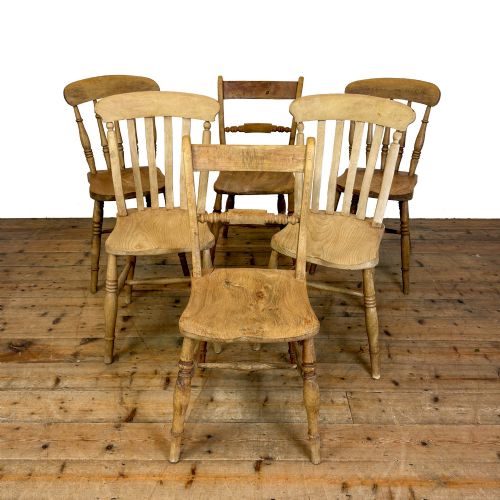
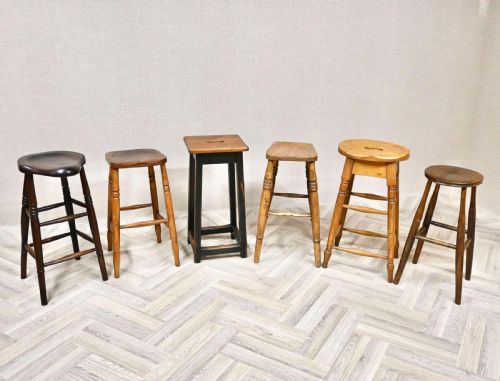
The pieces on this page lean heavily towards nineteenth-century and Victorian origins, alongside select 1930 examples. You will frequently encounter robust benches, sets of farmhouse dining chairs, and tall bar or tavern stools.
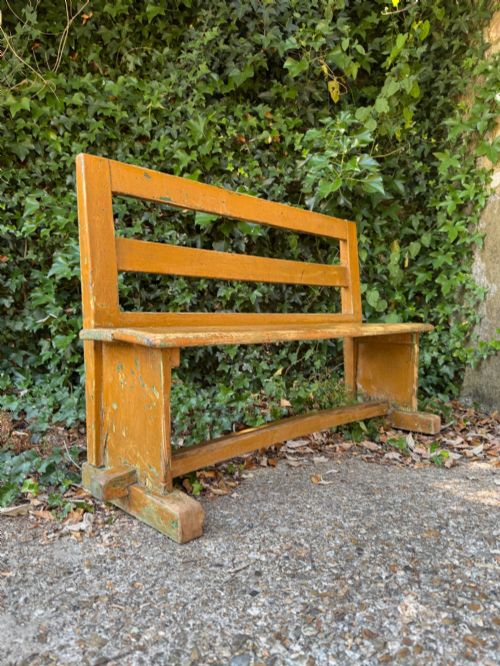
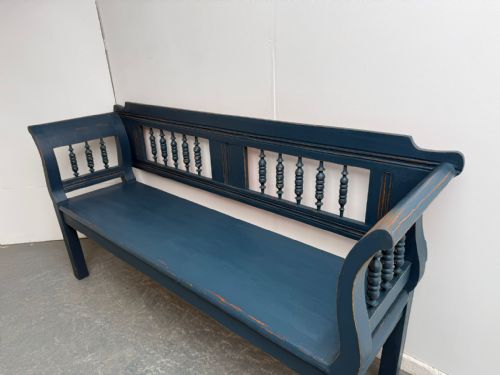
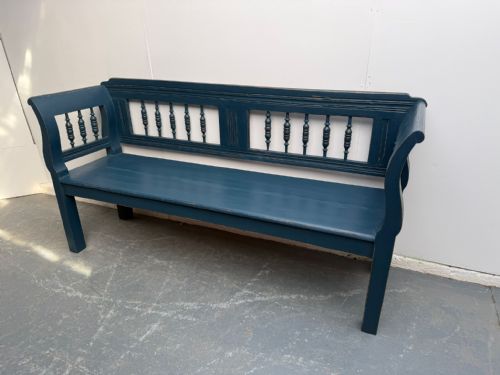
Regional and folk variations also appear, including Hungarian and Austrian painted benches alongside rustic farmhouse and industrial forms. Each piece carries the marks of its working life in the timber.
Materials and construction
Construction relies primarily on solid pine, often paired with elm, beech, or oak for seats and structural supports. Makers utilised sturdy timber to withstand heavy domestic and commercial routines.
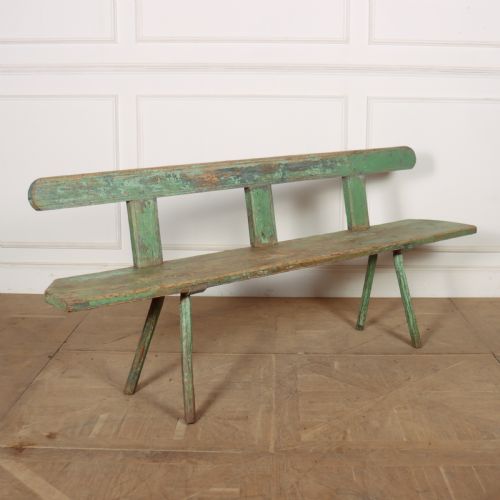
Surface finishes include natural wood showing decades of patina as well as original paint, blue pigments, and scumbled effects. These coatings protected the timber while adding character to farmhouse and folk pieces.
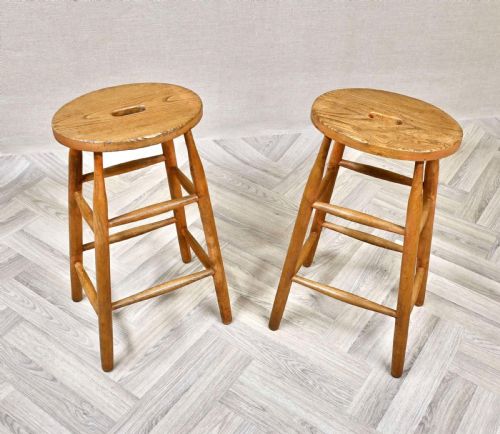
Object forms range from single deep benches and twenty-two scumbled chairs to paired bar stools.
Assessing quality and character
Quality in these pieces rests on structural integrity and the honesty of the surface wear. Pieces that retain their original paint or deep, untreated patinas hold greater visual weight than those stripped down to bare wood.
Proportion and scale also separate standard utility items from more striking examples, such as unusually long benches or tall bar stools with well-turned legs. The balance between sturdy construction and graceful vernacular design defines the upper tier.
The Vintage Pine Kitchen Seating Glossary
- Scumbled
- A decorative paint technique involving a translucent top layer dragged or combed over a paler base to imitate grain. It was commonly applied to nineteenth-century chairs to give cheaper woods a richer appearance.
- Tavern bench
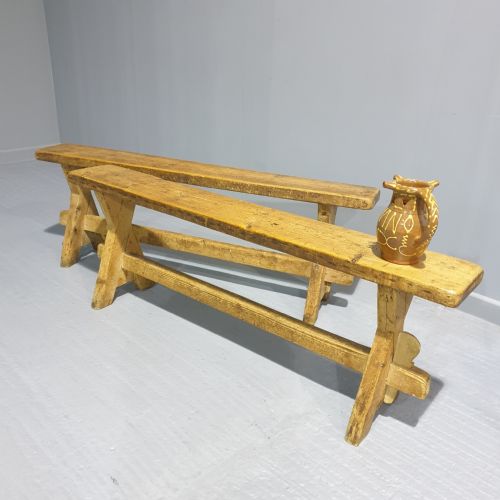
- A long, sturdy seat designed for public houses or communal kitchens, typically featuring a solid timber top and heavy legs. These benches were built to endure heavy foot traffic and rowdy patrons.
- Harlequin set
- A collection of dining chairs that match in general style or period but differ slightly in minor details. Such sets were often assembled over time rather than bought as one uniform batch.
- Patina
- The surface sheen and softening of edges developed through decades of handling, cleaning, and exposure to light. It serves as a visual record of an object's age and use.
- Vernacular furniture
- Everyday objects made by local craftspeople or regional workshops using accessible materials. This tradition prioritises practical utility over high-style academic design.
Vintage Pine Kitchen Seating: Frequently Asked Questions
How do I clean an old pine bench?
Wipe surfaces gently with a damp cloth and mild soap, avoiding harsh chemical cleaners that strip the finish.
Dry the timber immediately and apply a quality beeswax occasionally to nourish the dry wood.
Are painted pine benches original?
Many pieces retain their original painted surfaces, such as folk blue or scumbled finishes applied during the nineteenth century.
Examine the paint layers closely for natural wear, craquelure, and matching age beneath the surface.
Can I use tall bar stools at a modern counter?
Nineteenth-century and 1930 high stools were originally made for taverns, workshops, or high counters.
Check the seat height carefully against your specific kitchen island or bar measurements before purchasing.
What is the difference between a tavern bench and a farmhouse bench?
Tavern benches were built for public spaces, featuring heavy frames and straightforward construction designed for heavy use.
Farmhouse benches often display domestic refinements, softer edges, or regional folk art painting traditions.