

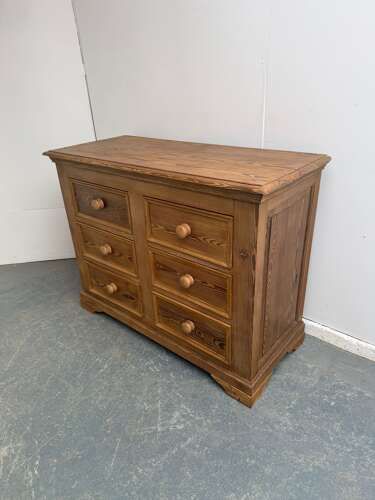
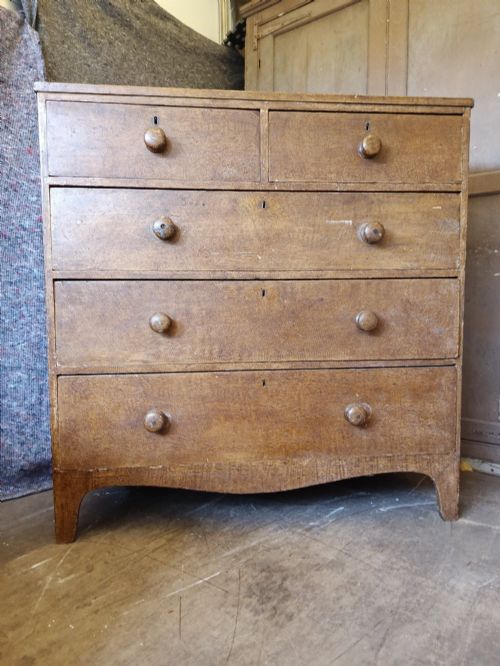
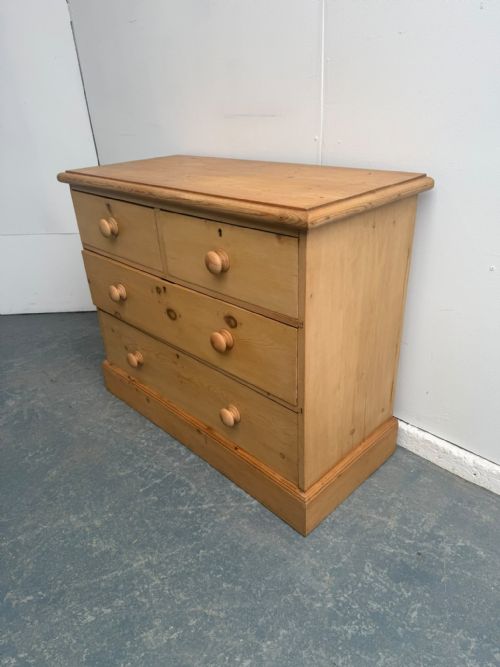
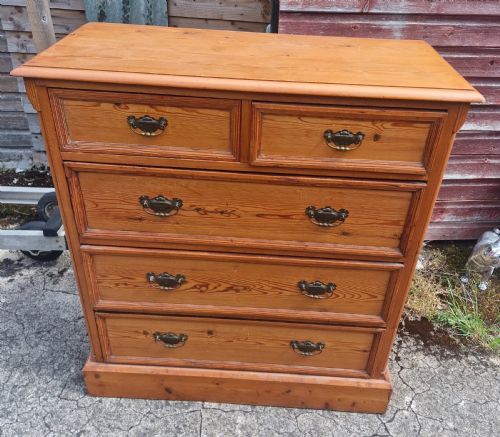


Pine Wooden Bureau
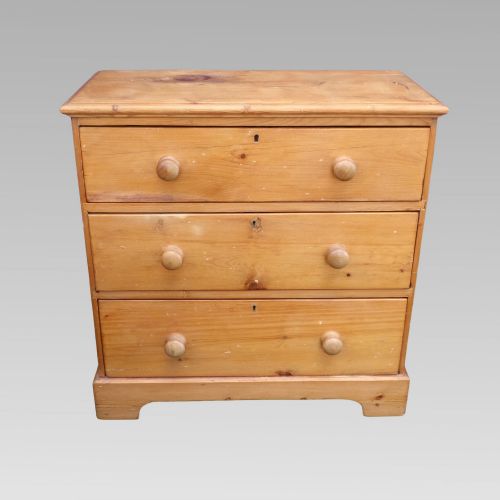
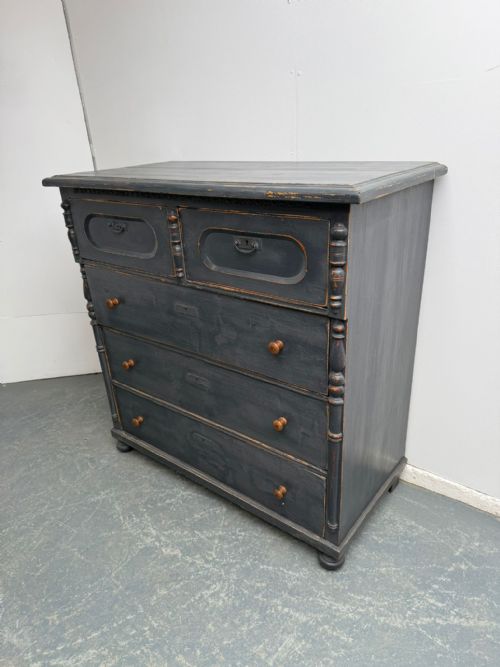
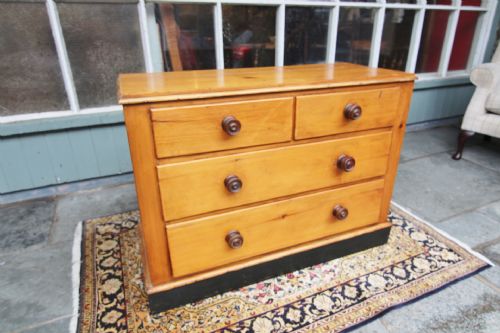
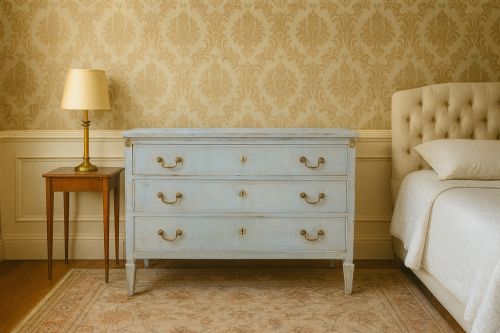
These pine wooden bureau and chest items offer practical storage and writing space with honest country character.
Pine Wooden Bureau
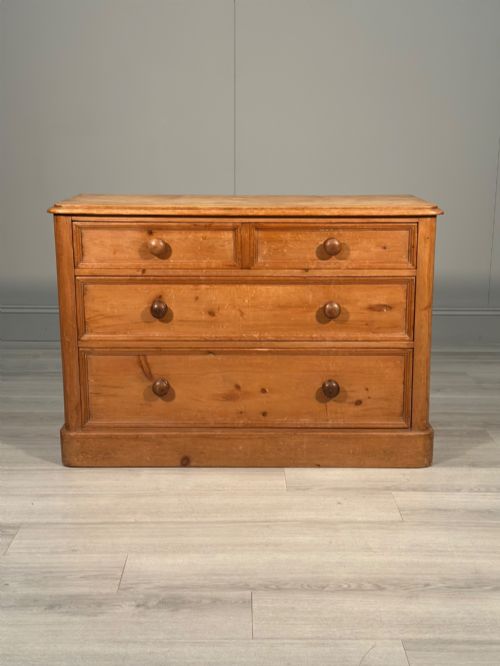
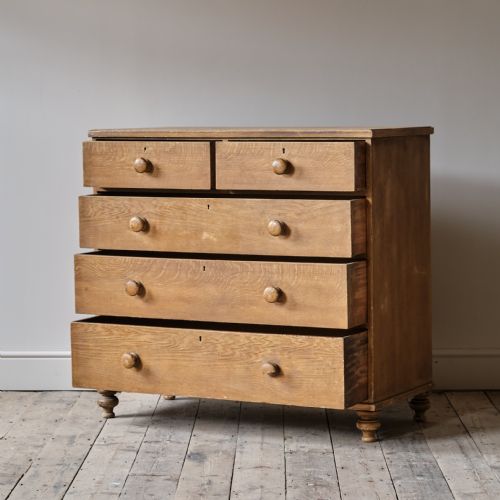
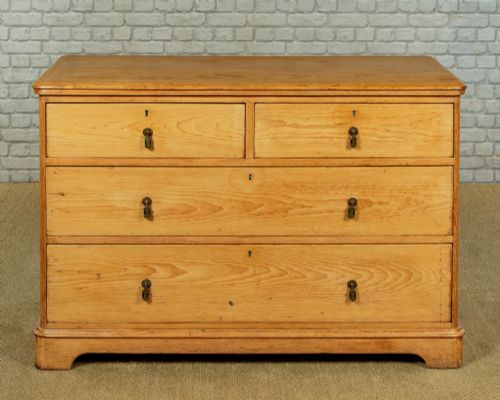
When searching for a pine wooden bureau, buyers encounter various forms of storage furniture including chests of drawers, desks, bureaux, and bureau bookcases. The selection spans distinct eras from the eighteenth century through the Edwardian period, with Victorian examples appearing most frequently.
Origin details reveal English, Irish, Welsh, and Scandinavian pieces, incorporating styles such as Gustavian, Regency, and Victorian country. These items serve everyday storage and writing needs while bringing established historical presence into a room.
What varies in quality
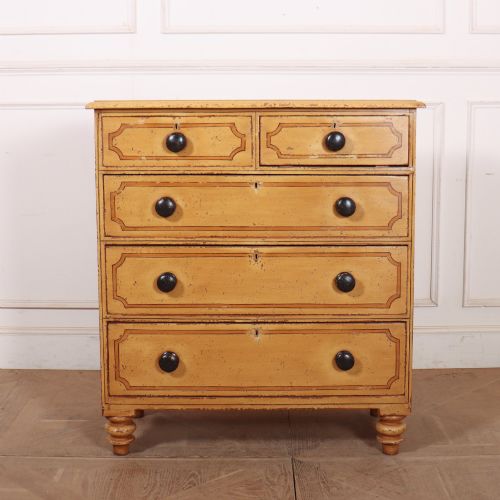
Quality differentiates itself through the preservation of original surfaces, whether through intact historical paint or well-maintained waxed patination on the timber. Structural integrity in drawer construction and carcase joints dictates how well a piece handles regular use over centuries.
Object forms span chests of drawers, secretaire desks with secret compartments, and bureau bookcases.
The Pine Wooden Bureau Glossary
- Bureau
- A desk featuring a sloping hinged writing flap that covers a compartment of small drawers and pigeonholes. This form provides a compact writing surface that conceals paperwork when closed.
- Secretaire
- A desk or chest of drawers incorporating a pull-out writing drawer with a drop-front. It often conceals smaller internal compartments and secret drawers.
- Gallery
- A low ornamental railing or superstructure placed along the top edge of a chest of drawers or desk. It typically prevents items placed on top from sliding off.
- Waxed
- A timber finish achieved by applying and buffing wax into the grain. This method nourishes the pine and produces a warm, soft sheen.
Pine Wooden Bureau: Frequently Asked Questions
What is a pine wooden bureau?
A pine wooden bureau is a writing desk constructed from softwood timber, typically featuring a sloping lid that opens to reveal internal compartments.
These pieces combine functional workspace with drawer storage, utilising the accessible nature of pine for domestic use.
How do I date a pine bureau?
Dating relies on examining construction methods, hardware types, and stylistic indicators such as Gustavian neoclassicism or Victorian proportions.
Pine furniture from the eighteenth and nineteenth centuries often displays hand-cut joints and distinct regional characteristics that help pinpoint its era.
Are these pieces painted or waxed?
The collection includes both original painted timber surfaces and natural waxed pine finishes. Swedish and English examples frequently showcase historical paint schemes alongside traditional wax polishes.
Surface treatments vary by region and period, reflecting local workshop traditions and domestic preferences.
Where were these pieces made?
Origin locations span England, Ireland, Wales, Denmark, and Sweden, incorporating regional vernacular designs.
Scandinavian pieces often display Gustavian or Baroque revival traits, while British items reflect country and Victorian cabinet-making styles.