
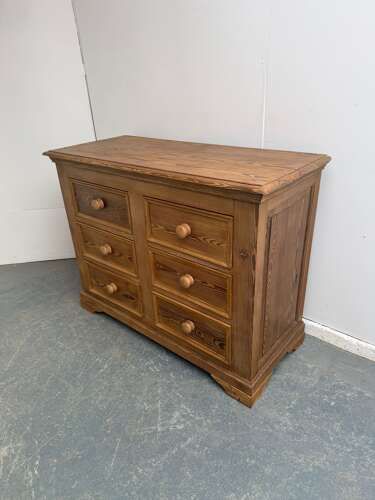
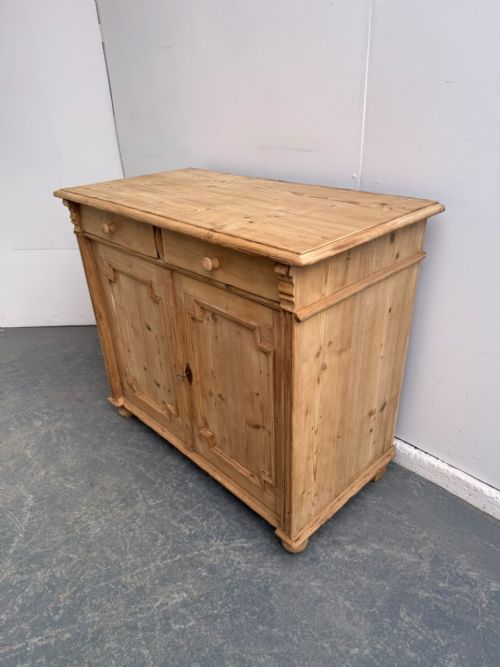
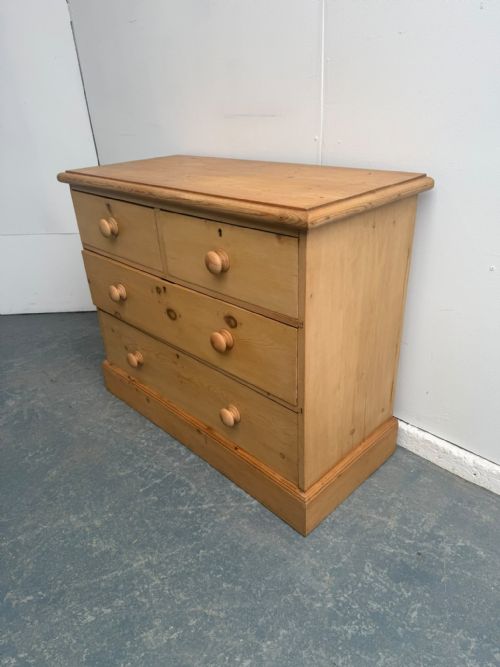
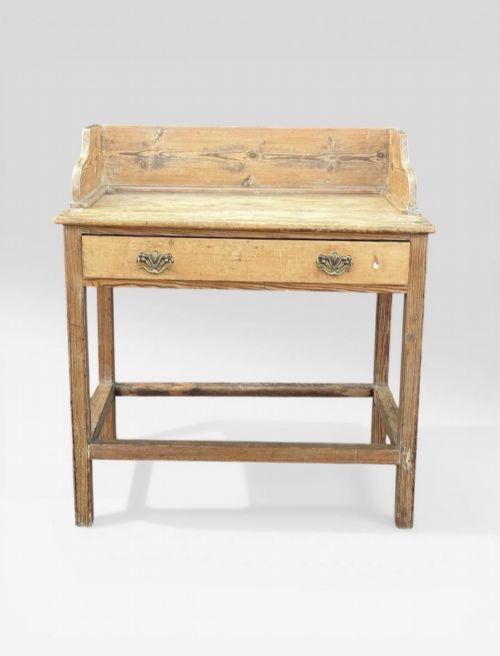


Country Pine Drawer Unit
A country pine drawer unit offers practical storage built from honest timber, bringing rustic utility and warmth to any domestic interior.
Country Pine Drawer Unit
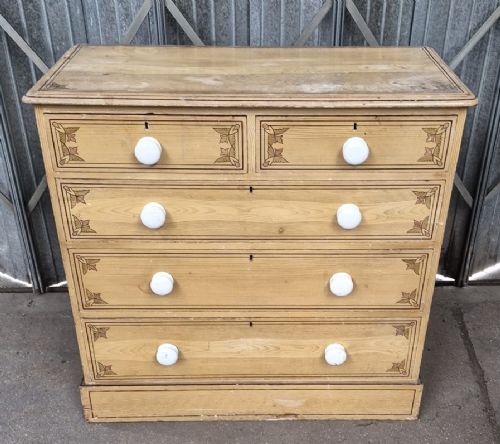
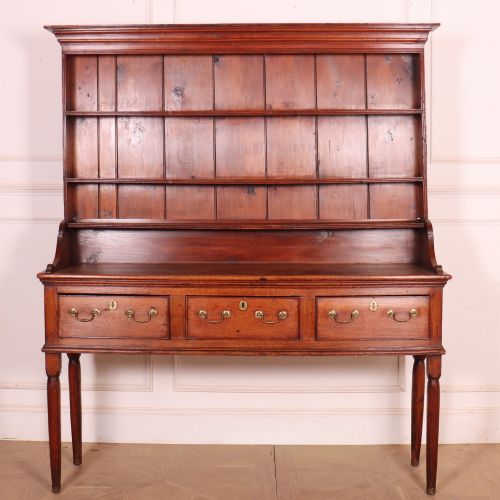
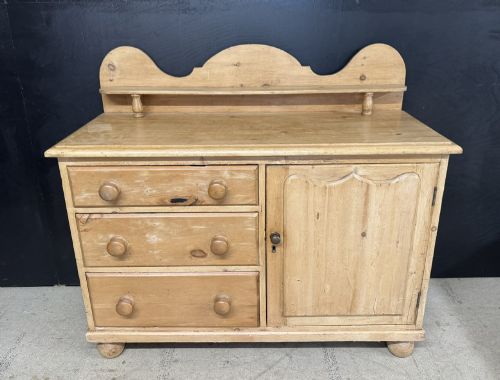
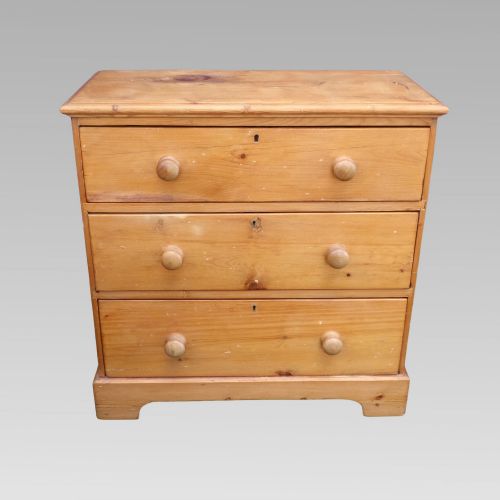
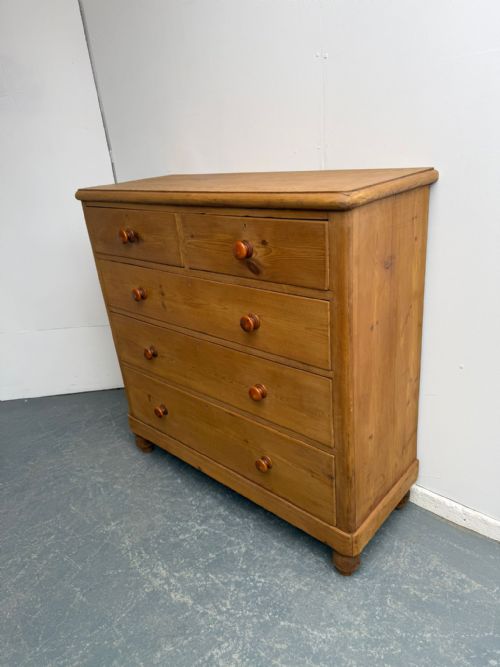
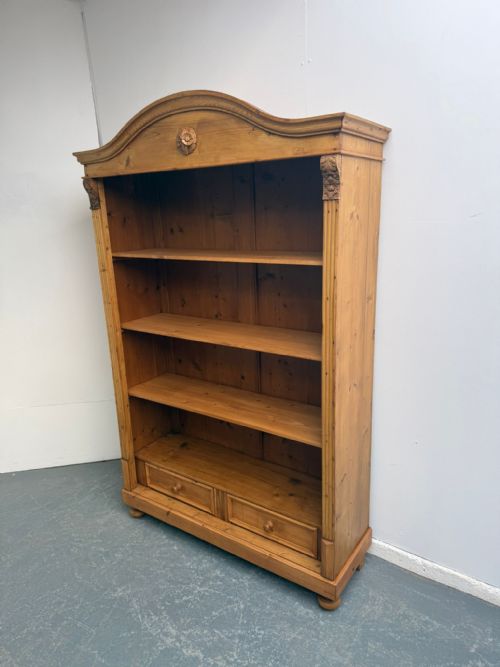
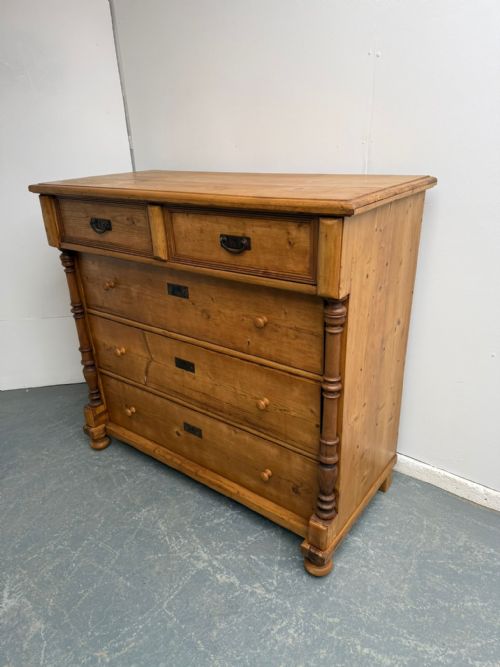
A country pine drawer unit is essentially a chest of drawers, dresser base, or washstand constructed from utilitarian softwood. When searching for a country pine drawer unit, buyers encounter diverse forms ranging from Victorian chests to Georgian kitchen dresser bases.
The pieces appearing here span the Georgian, Victorian, and Edwardian periods, alongside early twentieth-century examples. The single most common incarnation is the solid pine chest of drawers, often finished with a waxed surface or traditional paint.
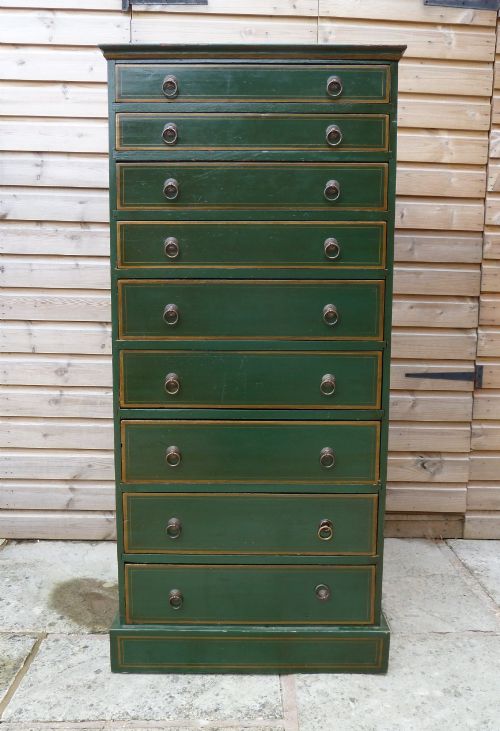
Regional variations also emerge within the selection, including English country pieces, Irish examples, and continental nineteenth-century items. Functional variations include washstands, cupboards with integrated drawers, and substantial banks of drawers designed for office or domestic service.
Assessing quality in country pine
Quality rests upon structural integrity, timber selection, and the survival of original surface treatments. A solidly constructed frame with well-fitting drawers demonstrates superior cabinet-making compared to more hastily assembled utilitarian items.
The preservation of original paint, scumble glaze, or early waxed patination elevates a piece above those that have undergone aggressive stripping or unsympathetic modern alterations. Proportion and scale also dictate desirability, particularly when comparing small washstands to large multi-drawer chests.
Listings feature pieces spanning the Georgian, Victorian, and Edwardian eras, constructed from pine, pitch pine, brass, iron, and glass.
The Country Pine Drawer Unit Glossary
- Scumble
- A decorative paint technique involving translucent layers dragged over a base colour to imitate richer timber grain. This finish was widely applied to utilitarian pine during the nineteenth century.
- Pitch pine
- A durable, resinous softwood variety valued for its distinct grain pattern and structural strength. Cabinet-makers utilised it for pieces requiring extra resilience.
- Dresser base
- The lower section of a kitchen dresser, typically featuring a combination of cupboards and drawers beneath a flat top surface. These served as primary work and storage hubs in traditional homes.
- Washstand
- A dedicated piece of bedroom furniture designed to hold a basin and pitcher, usually incorporating lower drawers or a small cupboard. They reflect the domestic routines of the nineteenth and early twentieth centuries.
Country Pine Drawer Unit: Frequently Asked Questions
How do I date an old pine chest?
Dating relies on observing construction methods, handle types, and overall proportions. Hand-cut dovetails and timber characteristics generally point towards earlier Georgian and Victorian periods.
Later nineteenth and early twentieth-century pieces often feature more standardised fixings and machine-sawn components. Comparing the piece against known stylistic periods provides further chronological context.
What is the difference between waxed and painted pine?
Waxed pine displays the natural grain and warm colour of the timber, having been polished over decades of use and maintenance. Painted pine carries a protective decorative coating, which might be an original historic layer or a later finish applied by past owners.
Many pieces survive with scumbled or painted surfaces that imitate more expensive woods like oak or mahogany. Choosing between them depends entirely on the desired aesthetic for a room.
Are these drawer units suitable for modern bedrooms?
These practical units offer generous storage capacity and fit comfortably into contemporary domestic spaces. Their understated rustic charm complements both traditional and modern interior schemes.
Buyers should measure available floor space carefully, as dimensions vary considerably between small washstands and large multi-drawer banks.
How should I care for a waxed pine surface?
Maintenance requires occasional application of good quality beeswax to nourish the timber and preserve the sheen. Avoiding excessive moisture and direct heat sources protects the wood from warping or cracking.
Gentle dusting with a soft cloth prevents daily accumulation of grit without harming the historic patination.