



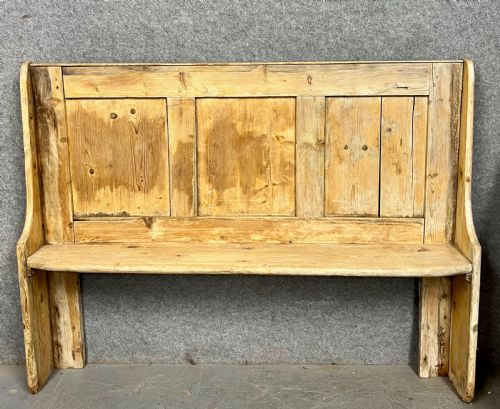


Pine Panelled Settle
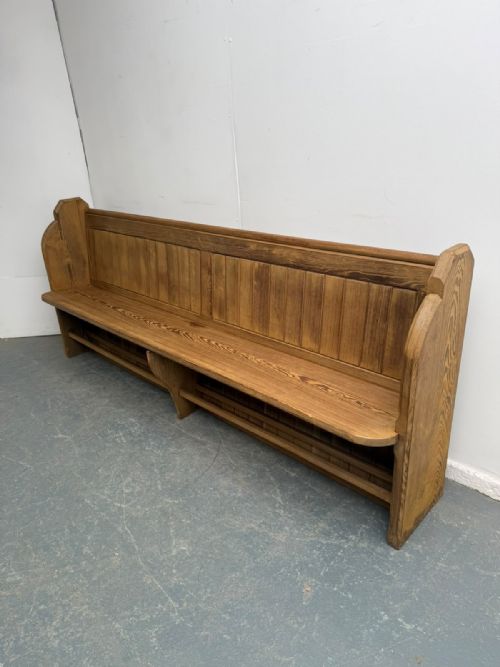
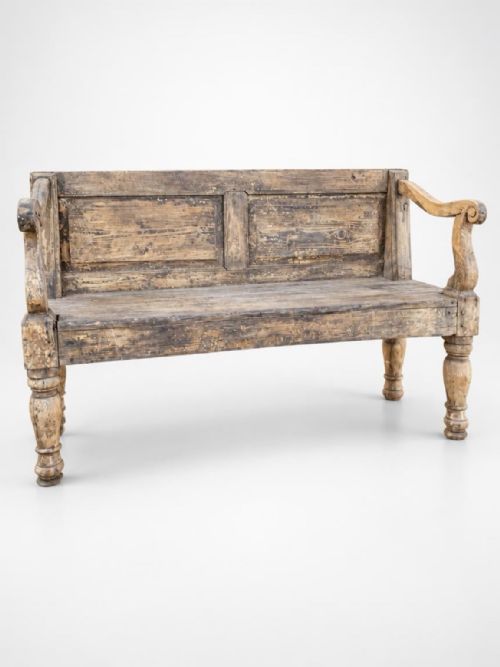
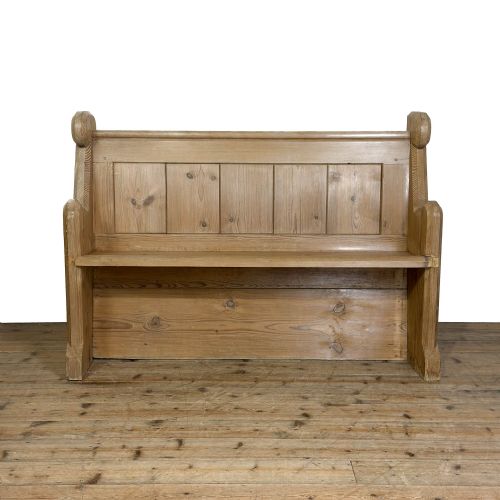
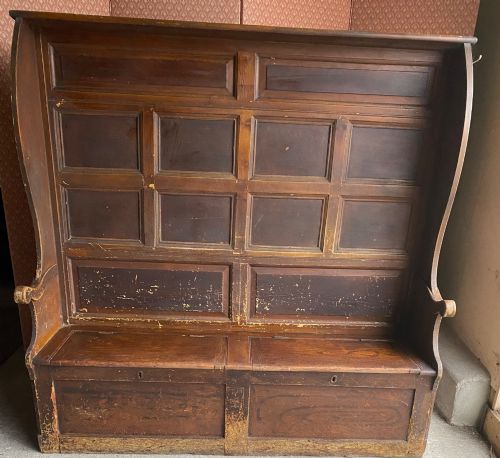
A pine panelled settle offers sturdy vernacular seating with a high back that shields against draughts, grounding a hallway or kitchen with honest regional craft.
Pine Panelled Settle
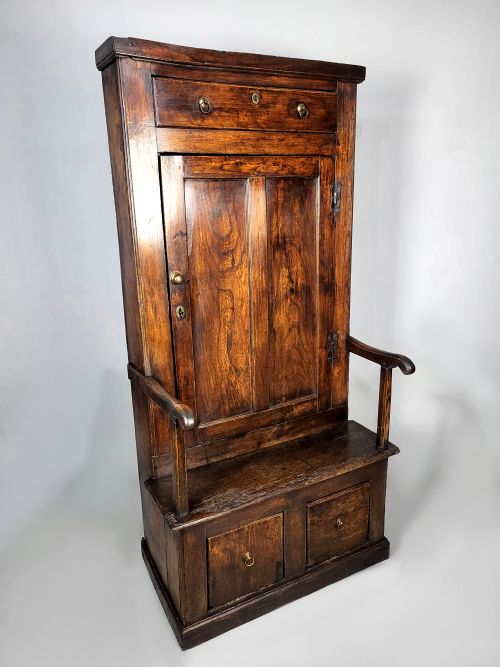
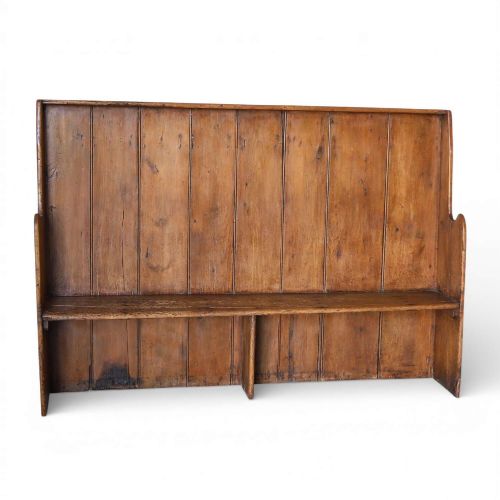
A pine panelled settle provides traditional seating formed with a high solid back, often incorporating box storage beneath the seat or enclosed cupboards above. These domestic and tavern seats draw on English, Welsh, Irish, French, Spanish, and Hungarian traditions.
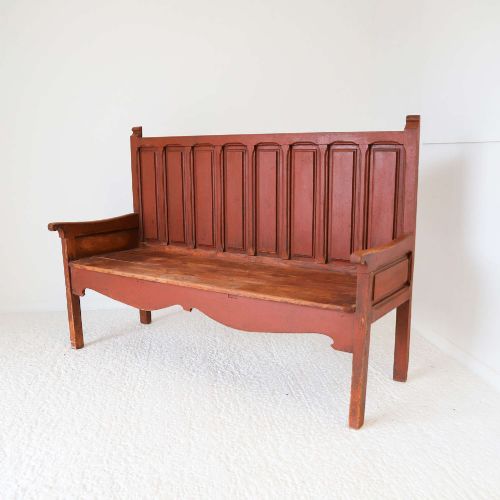
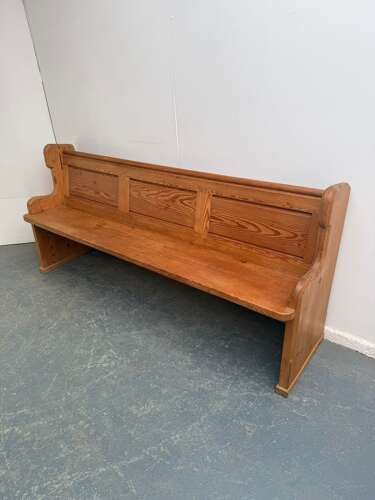
The versions most commonly met on this page span the eighteenth and nineteenth centuries, taking the form of rustic country benches, high-back settles, and painted chapel pews. They function as robust seating designed to block cold air in large rooms.
How they were made
Construction relies on solid pine and elm joined into heavy frames, supplemented by wrought iron and brass hardware for hinges and fixings. Wood surfaces receive wax polishes or original painted finishes.
Joinery methods utilise pegged panels and solid boards to build high-back structures, while some regional examples incorporate storage drawers beneath the seat.
Pine Panelled Settle Retail Price Guide 2026
Typical asking prices for pine panelled settle among the pieces listed under this phrase on Sellingantiques today, from the lower quarter to the upper quarter. They describe what is for sale here now, not the wider market.
Listings feature pine and elm settles spanning the eighteenth century, the Victorian era, and the nineteen-twenties, incorporating original paint, wax, and wrought iron.
What varies in quality
Quality rests in the survival of original painted surfaces, untouched patinas, and the structural integrity of the timber panels. Pieces retaining genuine regional characteristics command attention.
Proportion and timber selection separate utilitarian workshop output from refined vernacular pieces, particularly where elm is chosen for seats or moulded cornices finish the backboards.
The Pine Panelled Settle Glossary
- Settle
- A wooden bench with a high back, solid arms, and often a closed base or box seat designed to keep out cold draughts.
- Patina
- The surface sheen and colour developed by wood and paint over decades of handling, light, and use.
- Vernacular
- Architecture or furniture built by local craftsmen using traditional regional methods and readily available native materials.
- Bacon settle
- A specialised high-back settle featuring built-in cupboards above the seat historically used for curing and storing meat.
Pine Panelled Settle: Frequently Asked Questions
What is a pine panelled settle?
A pine panelled settle is a traditional wooden bench featuring a high back designed to deflect room draughts and provide substantial seating in domestic or tavern interiors.
These pieces often include enclosed storage beneath the seat or integrated upper cupboards, reflecting regional woodworking styles from Britain, Ireland, and continental Europe.
How were settles used historically?
Historically, settles stood near hearths in kitchens, halls, and taverns to shield occupants from cold air circulating across flagstone floors.
The enclosed lower box also served as safe storage for blankets, household goods, or provisions in communal living spaces.
How do I care for a painted settle?
Care for a painted settle by keeping it away from direct heat sources and dramatic humidity fluctuations that cause timber to shrink or paint to flake.
Dust gently with a dry cloth and avoid modern chemical polishes which can damage fragile historical surface coatings.
How can I tell the period of a settle?
Dating relies on examining construction techniques, tool marks on the timber, framing methods, and the nature of any surface paint or wax.
Earlier eighteenth-century pieces often display hand-planed surfaces and pegged joinery, whereas nineteenth-century examples show more standardised workshop practices.