

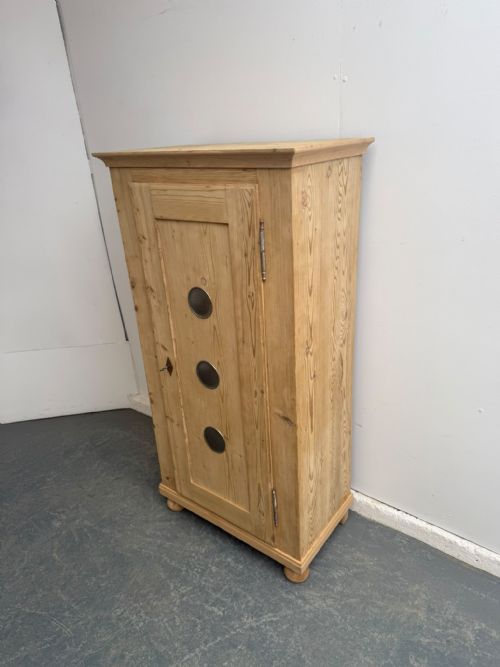
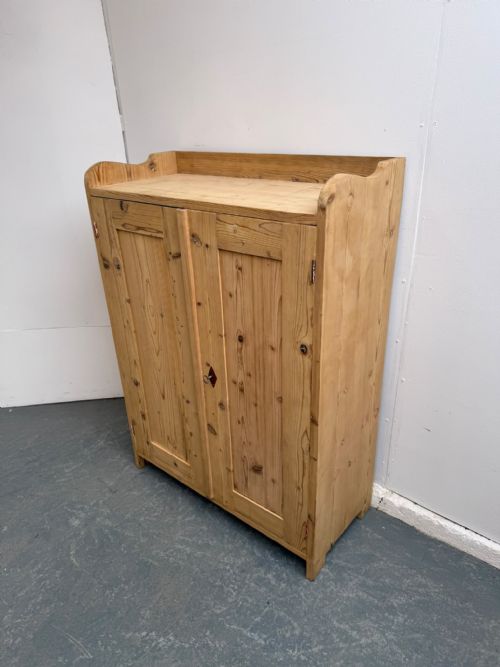


Pine Larder Unit
These pine larder unit examples are sturdy kitchen storage pieces built from durable timber to keep provisions fresh.
Pine Larder Unit
A pine larder unit offers substantial storage for kitchen provisions, typically taking the form of large cupboards, dressers, or housekeepers' cabinets. These items originate predominantly from the Victorian period, along with examples from the Georgian era and the year nineteen ten.
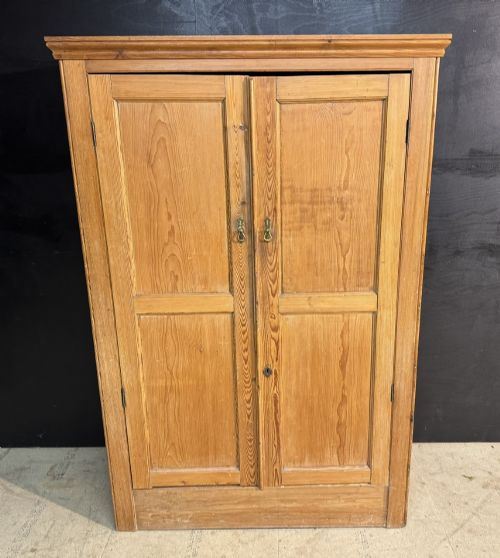
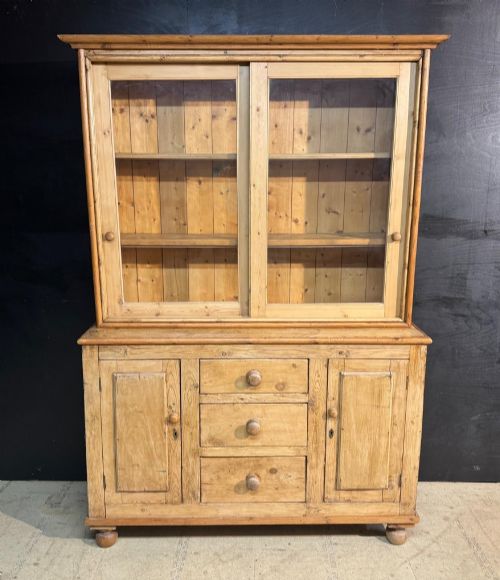
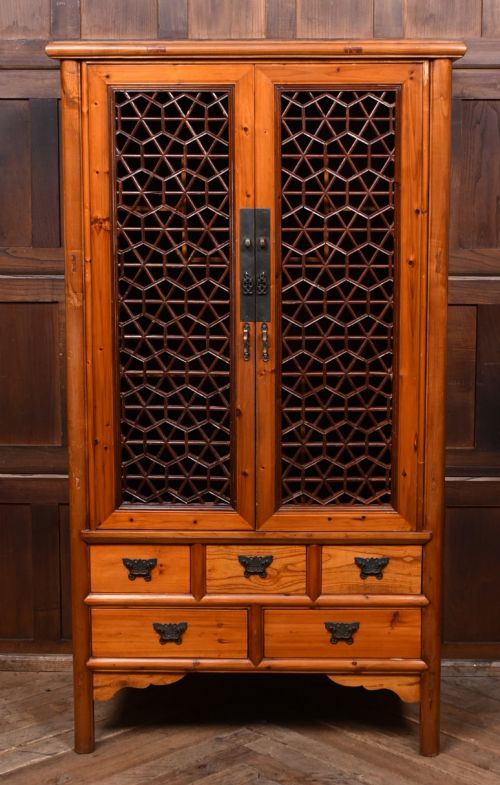
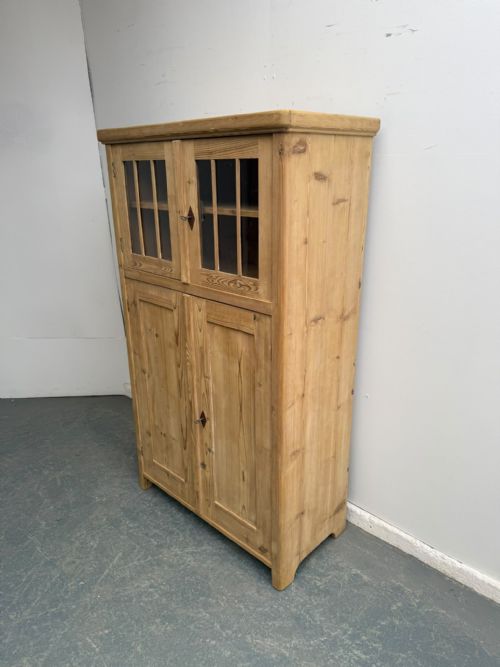
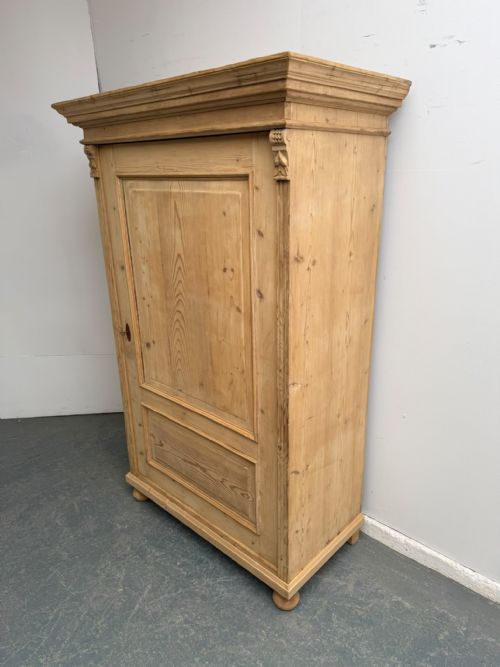
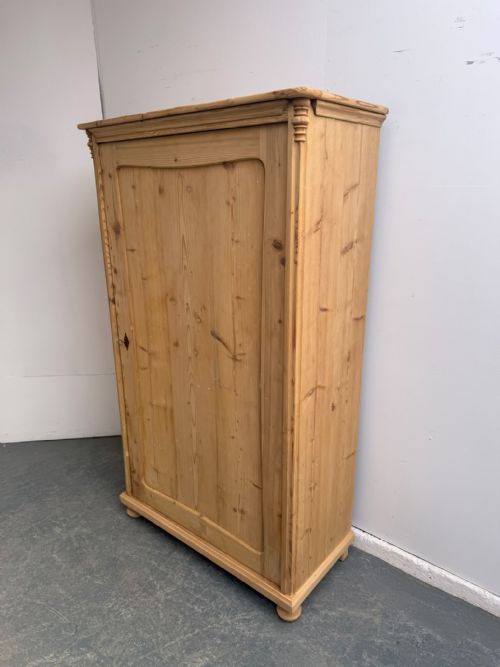
Buyers will most commonly encounter Victorian pine larder cupboards and storage cupboards on this page. They appear in various formats, including one-door, two-door, four-door, and tall corner configurations, sometimes featuring glazed cabinets or fitted interiors.
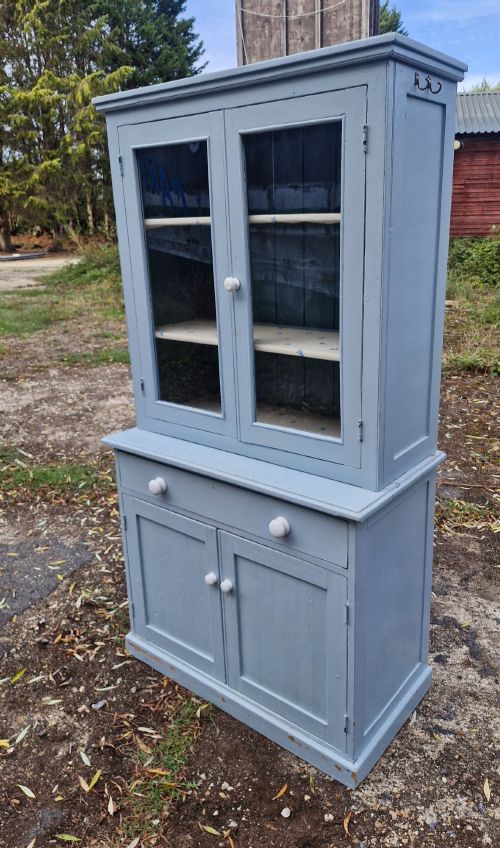
The styles associated with these items lean towards rustic farmhouse, English country, and Victorian country aesthetics. Occasionally, distinct variations such as a Japanese Meiji period larder cupboard or a painted finish emerge amongst the traditional wooden builds.
Materials and construction
Construction relies primarily on pine timber, frequently paired with secondary woods like cedar for internal shelving or backing. Metal hardware such as brass and iron appears on hinges, latches, and pulls, whilst glass is utilised in glazed cabinet doors.
Surface finishes vary between natural stripped wood meant for waxing and painted treatments. Construction techniques incorporate fielded panels, beading, and sectional builds, such as two-part kitchen cupboards or one-piece tall corner cabinets.
Listings feature pine alongside brass, iron, and glass across Victorian and Georgian periods.
Factors of quality
Quality in a pine larder unit is dictated by the scale of the timber construction and the complexity of its internal configuration. Pieces with fitted interiors, multiple drawers, and distinct architectural details like glazing or fielded panels require greater joinery skill than plain storage boxes.
The integrity of the original hardware, such as brass and iron fittings, alongside the condition of the timber grain after stripping or painting, marks the difference between standard utilitarian storage and finer examples of period craftsmanship.
The Pine Larder Unit Glossary
- Fielded panel
- A wooden panel with bevelled edges designed to fit snugly within a frame while allowing for wood movement. This technique adds depth and structural stability to cabinet doors.
- Housekeeper's cupboard
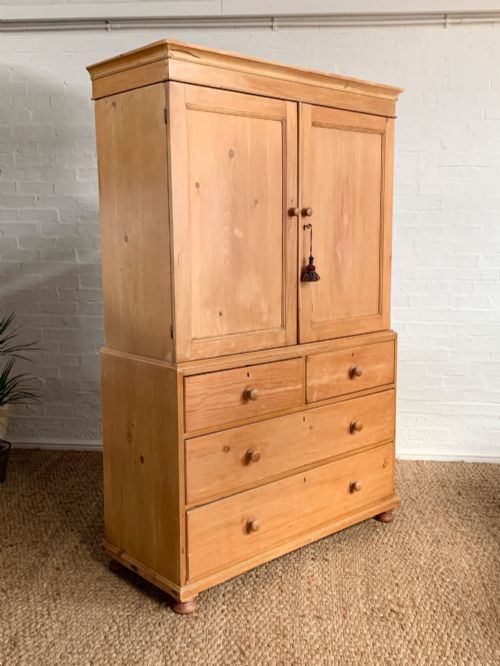
- A large storage piece traditionally used in manor houses to store linen, dry goods, and tableware. These items often combine cupboards and drawers in a single substantial frame.
- Glazed cabinet
- A storage unit featuring glass panes fitted into the doors to display contents. This form is common in kitchen dressers and storage cabinets.
- Vented cupboard
- A storage unit incorporating pierced or meshed panels to allow air circulation. These were essential for keeping perishable food items cool before modern refrigeration.
Pine Larder Unit: Frequently Asked Questions
What is a pine larder unit?
A pine larder unit is a functional wooden storage piece designed for food provisions or household linens in the kitchen. They range from simple single-door cupboards to large multi-door dressers.
These pieces reflect the domestic needs of the nineteenth century, offering deep shelving and occasionally integrated drawer space for organisation.
How do I date a pine larder?
Dating relies on examining construction methods, hardware materials, and stylistic cues present in the woodwork. Pieces from the Georgian era show different proportions compared to Victorian country examples.
Evidence on this page spans from Georgian and nineteenth-century items to pieces from nineteen ten, each bearing distinct structural characteristics.
Are these larders suitable for modern kitchens?
These large wooden cupboards provide substantial freestanding storage capacity that suits contemporary rustic or farmhouse kitchen aesthetics. They can function as pantry spaces or general utility storage.
Buyers often choose between stripped pine ready for waxing or painted finishes to match modern interior colour schemes.
What is the difference between a dresser and a larder?
A kitchen dresser typically combines lower cupboards with upper open shelving or a glazed cabinet for display. A larder cupboard focuses on enclosed storage for food preservation and provisions.
Both forms utilise pine construction, though housekeepers' cupboards and larder units prioritise closed doors and internal shelving.