


Pine Keepsake Box
These pine keepsake box examples are timber containers built to hold personal treasures, spanning seventeenth-century chests to twentieth-century folk art trunks.
Pine Keepsake Box
When you search for a pine keepsake box, you encounter timber storage pieces ranging from humble nineteenth-century Welsh utility boxes to ornate Swedish folk art caskets. The selection here leans heavily towards nineteenth-century Scandinavian painted vessels, alongside regional British country pieces and earlier seventeenth or eighteenth-century chests. These objects served utilitarian purposes in homes, functioning as secure receptacles for letters, trinkets, and valuables.
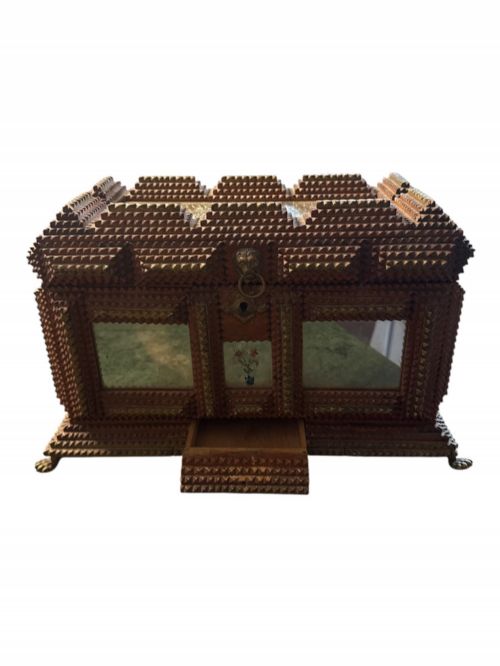
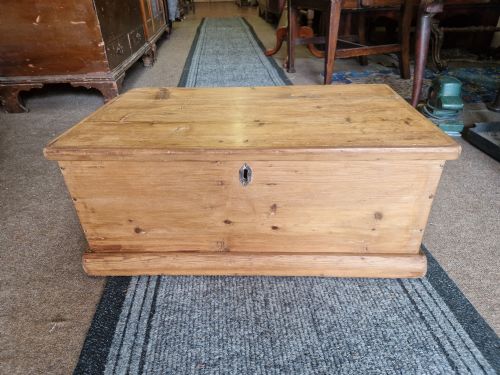
The forms vary from simple rectangular containers to dome-top boxes, oval strong boxes, and sarcophagus shapes. You will find pieces finished in original paint, decorated with tramp art, or reinforced with wrought iron and brass hardware. Their origins stretch across European traditions, particularly Scandinavian country workshops and British provincial joinery.
What varies in quality
The integrity of the original surface finish largely determines the standing of a piece. Boxes retaining untouched historical paint or authentic patination command greater interest than those stripped or overly restored.
Construction nuance and hardware originality also separate standard utility items from finer examples. Hand-forged ironwork, well-executed dovetailing, and intact structural timber reflect superior craftsmanship from regional makers.
The listings here span five distinct centuries of production, from seventeenth-century chests to nineteen-thirties nautical boxes.
The Pine Keepsake Box Glossary
- Tramp art
- A style of woodwork created by chip-carving layers of scrap timber into geometric patterns. It was popular among itinerant folk artists during the nineteenth and early twentieth centuries.
- Dome top
- A curved lid construction designed to shed water and provide extra interior headroom. This form often appears on nineteenth-century Scandinavian storage boxes.
- Sarcophagus box
- A container featuring a stepped or convex lid and sloping sides reminiscent of ancient stone tombs. This classical revival shape was adapted for smaller domestic storage during the nineteenth century.
- Strong box
- A heavy-duty container reinforced with iron straps or brackets to secure valuables. They typically feature robust locking mechanisms and durable wood construction.
Pine Keepsake Box: Frequently Asked Questions
What did people store inside a pine keepsake box?
These containers held precious personal documents, letters, jewellery, and small keepsakes. They provided secure storage in domestic settings before the widespread use of modern furniture.
Over time, families utilised them to safeguard heirlooms, textiles, and coins. Their portable nature allowed owners to transport valuables easily.
How do I care for a painted antique pine box?
Keep the piece away from direct sunlight and dramatic humidity changes to protect the original timber and painted surfaces. Dust gently with a dry, soft cloth without applying modern chemical polishes.
Wax can occasionally nourish bare pine, but painted surfaces require caution to avoid lifting historic pigments. Maintaining stable indoor environments prevents wood movement and flaking.
How can I tell a nineteenth-century box from an eighteenth-century one?
Construction marks, fastener types, and surface patination offer clues to dating. Earlier pieces often display hand-wrought iron nails, pegged joinery, and simpler tool marks from manual saws.
Nineteenth-century examples frequently incorporate machine-sawn timber elements alongside traditional hand assembly. Paint chemistry and wear patterns also help contextualize the production era.