




Pine House Cupboard
A pine house cupboard offers utilitarian storage built from soft wood, bringing practical country character to domestic interiors.
Pine House Cupboard
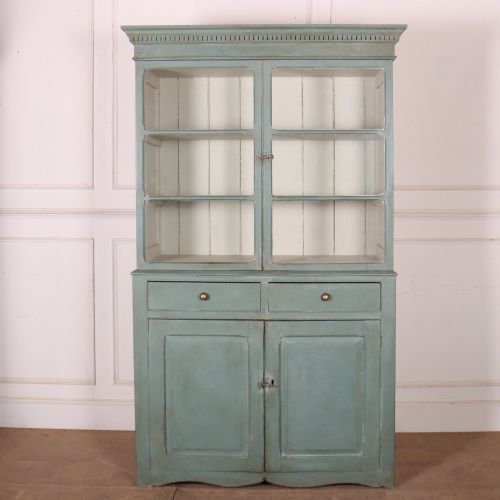
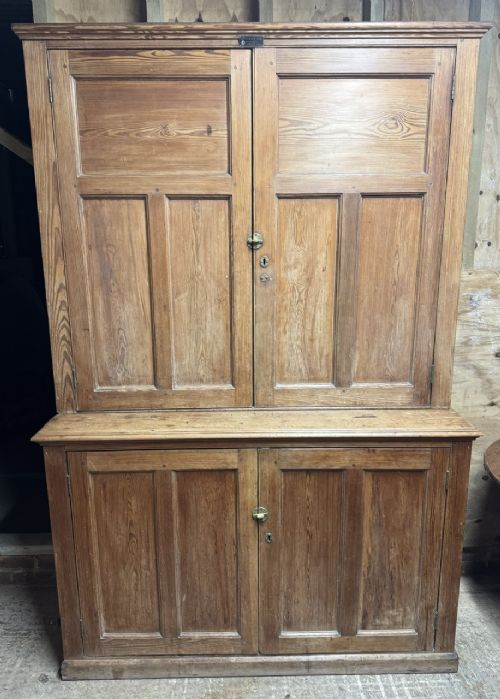
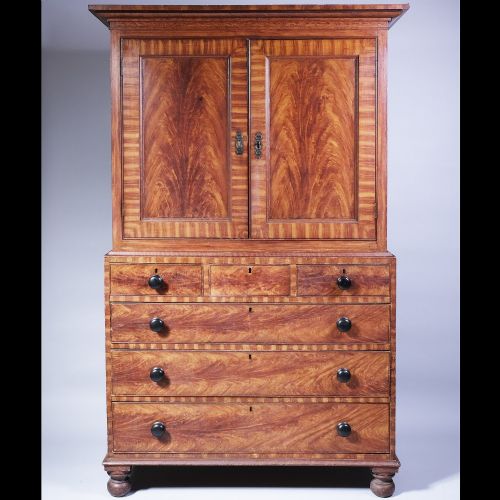
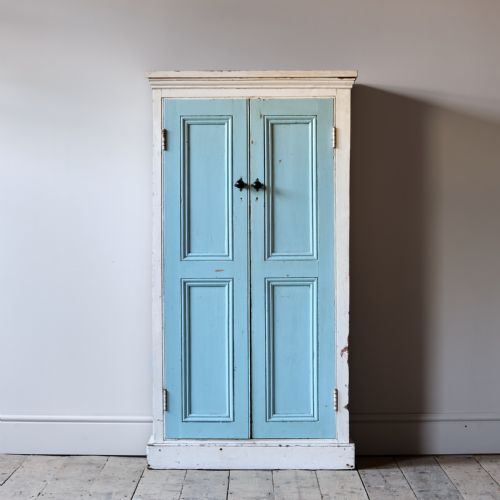
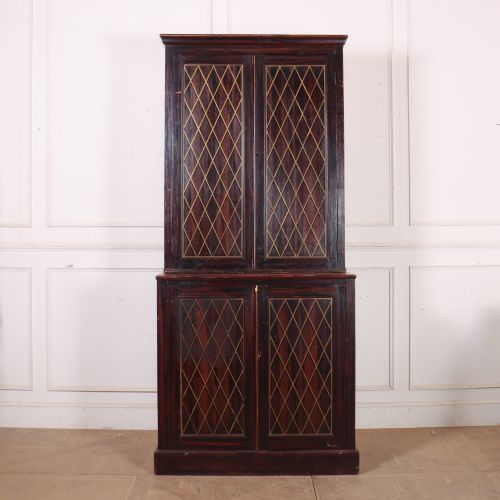
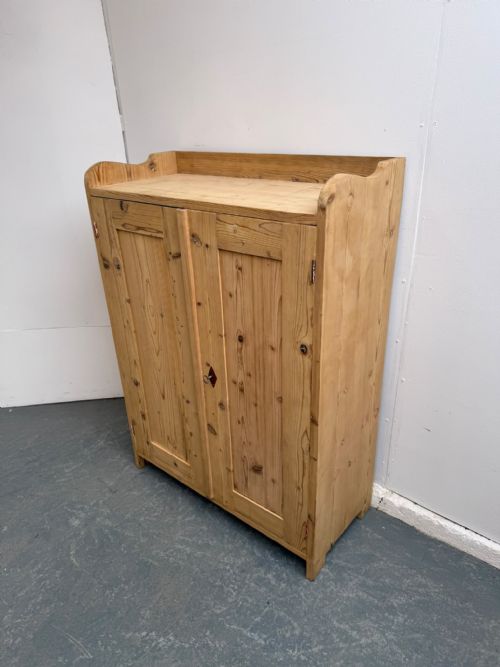
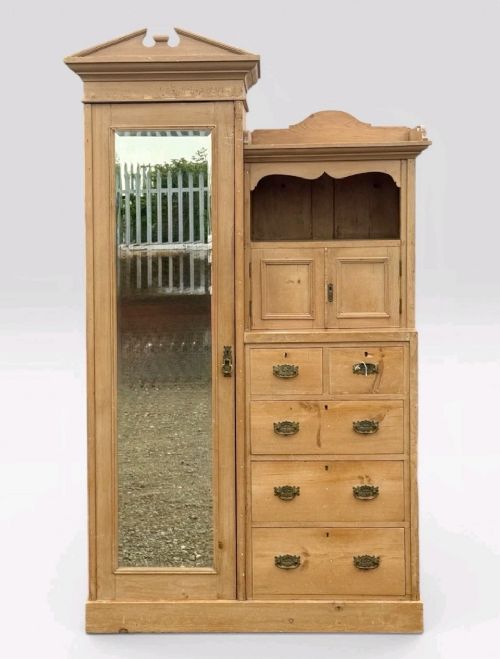
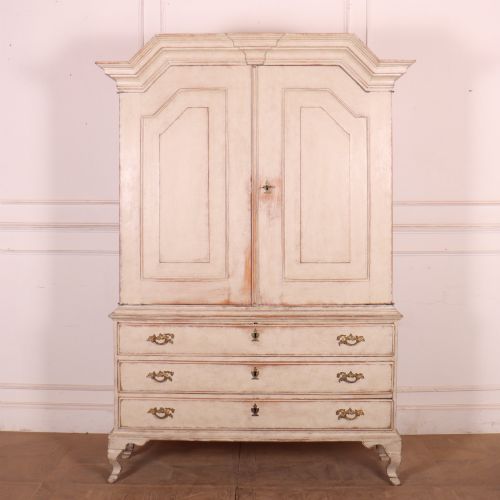
A pine house cupboard provides substantial utility for domestic storage, drawing from centuries of utilitarian design across regional workshops. These pieces appear frequently in forms such as housekeeper's cupboards, linen presses, and kitchen dressers originating from various country traditions.
Regional variations span English, Welsh, Scottish, Irish, Scandinavian, and continental workshops, each applying distinct proportions and regional construction traits. The pieces seen on this page range from Georgian and Victorian periods back to the eighteenth century, demonstrating enduring functional utility.
Materials and Construction
Craftsmen built these cupboards primarily using solid pine, sometimes supplemented with oak, iron hardware, and brass fixtures for hinges and handles. Surfaces were frequently left bare, waxed, or finished with paint, scumble, and layered decorative treatments over the softwood boards.
Joinery methods relied on traditional pegged frames, panelled doors, and robust internal shelving designed to support heavy household provisions and linens. Workshops utilised straightforward carpentry techniques focused on durability, resulting in sturdy structures intended for decades of hard domestic use.
Several cupboards still bear the faint ghost marks of long-vanished cup hooks and pantry inventory lists pinned inside the doors.
Assessing Quality and Character
Quality rests upon the originality of the surface finish, whether an untouched historic coat of paint, scumble work, or clean stripped pine. Pieces retaining their original hardware, uncompromised timber panels, and untouched patination stand apart from those altered or heavily restored over time.
Proportion and scale dictate the visual presence of a cupboard, with grander estate examples offering superior architectural balance compared to simpler utility pieces. The integrity of the internal configuration, from original linen slides to shelving arrangements, further distinguishes finer examples.
The Pine House Cupboard Glossary
- Housekeeper's cupboard
- A large storage piece traditionally used for housing provisions, linens, and domestic equipment in country houses.
- Scumble painted
- A decorative surface technique where a translucent glaze is manipulated over a lighter base coat to imitate finer grained timber.
- Breakfront
- A cabinet design where the central section projects forward from the flanking outer sections, creating architectural depth.
- Linen press
- A tall piece featuring upper doors enclosing sliding trays for textiles, often positioned above a chest of drawers.
- Original paint
- The initial historic decorative finish applied to the timber, valued by collectors for its untouched authenticity and patination.
Pine House Cupboard: Frequently Asked Questions
What is a pine house cupboard used for?
These large cupboards served historic households for storing bulky items like provisions, tableware, and household linens securely out of sight.
In modern interiors, they function effectively as standalone larders, wardrobes, or general storage furniture in kitchens and hallways.
How do I date an antique pine cupboard?
Dating relies on examining construction methods, such as hand-cut dovetails, tool marks, and the type of fixings and hinges used throughout the piece.
Stylistic details, proportions, and the presence of historic paint layers also offer strong clues to whether a piece originates from the Georgian or Victorian eras.
Are these cupboards made of solid pine?
Most examples utilise solid pine throughout the main frame, door panels, and internal shelving, occasionally incorporating denser woods like oak for structural stress points.
Backboards and internal partitions were typically fashioned from thinner softwood planks secured with handmade nails or wooden pegs.
How should I care for original paint finishes?
Historic painted surfaces require gentle dusting with a soft, dry cloth and protection from direct sunlight and excessive moisture fluctuation.
Harsh chemical cleaners or abrasive products must be avoided to preserve the fragile layers of historic pigment and underlying patination.