

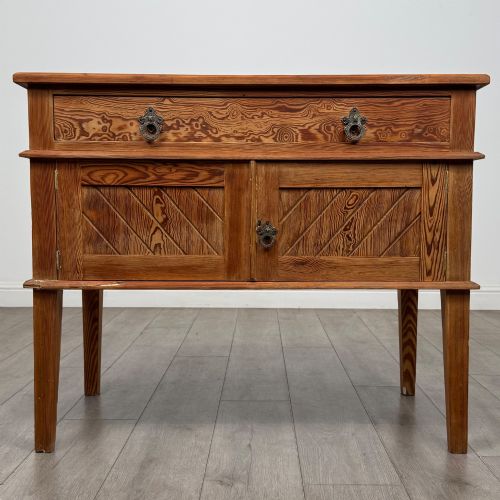
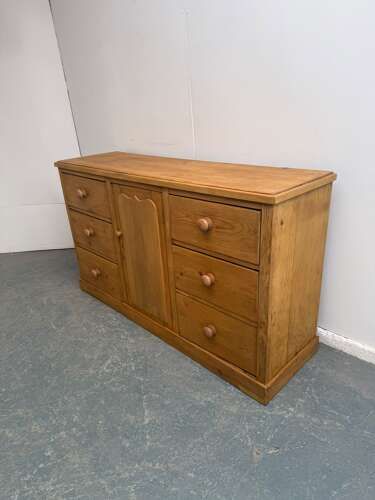
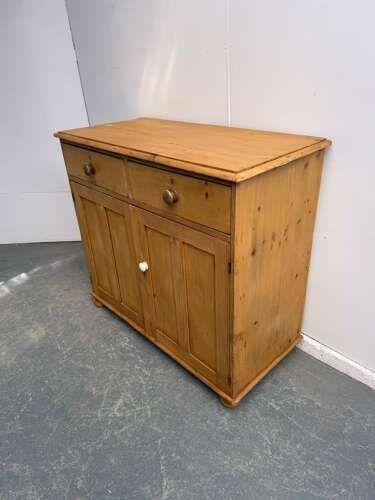
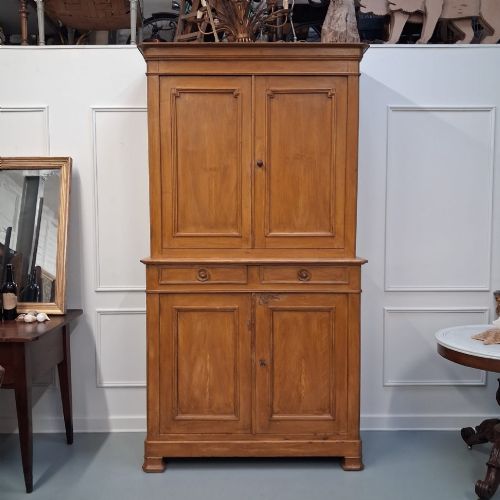
Pine Cupboard Base
A pine cupboard base provides sturdy utilitarian storage in kitchens and utility rooms, bringing honest craft and practical timber to domestic interiors.
Pine Cupboard Base
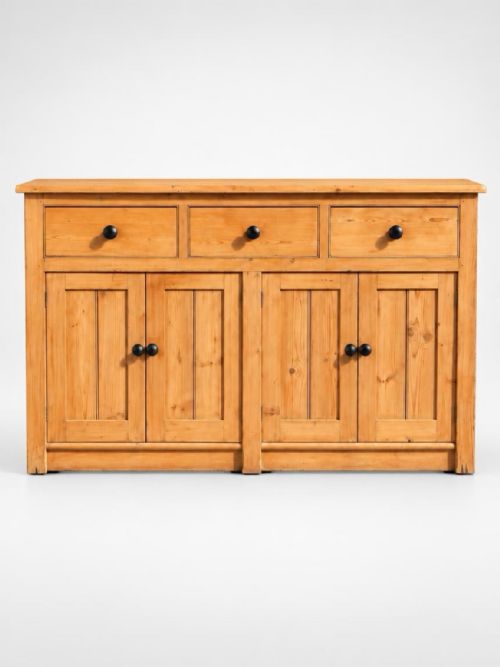
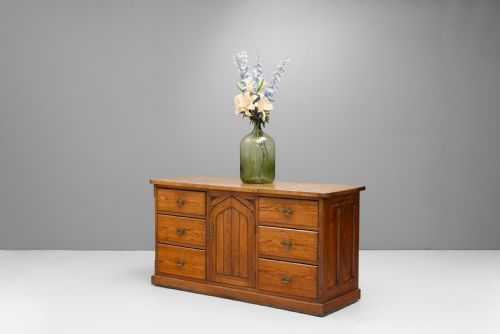
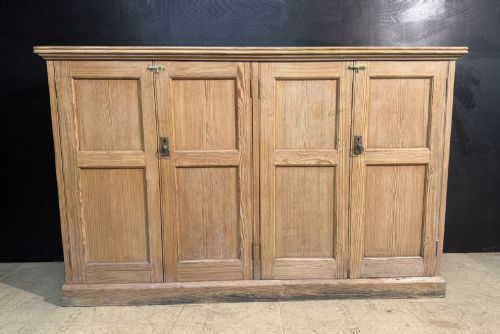
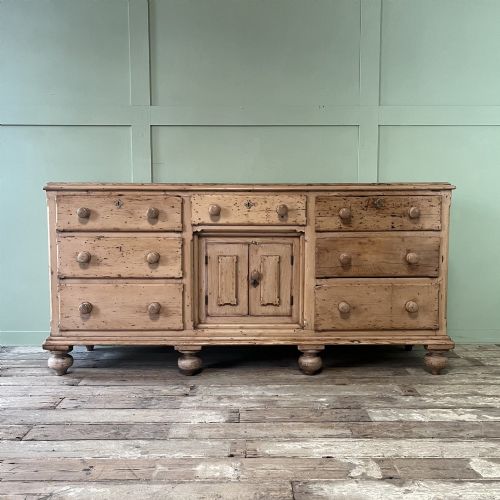
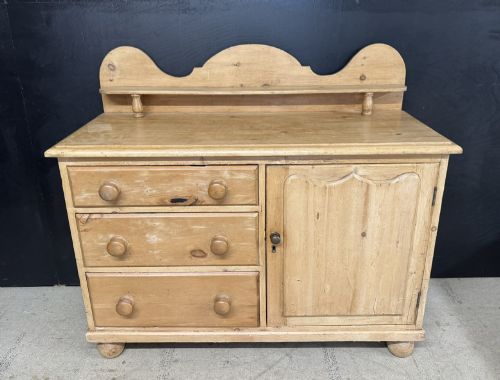
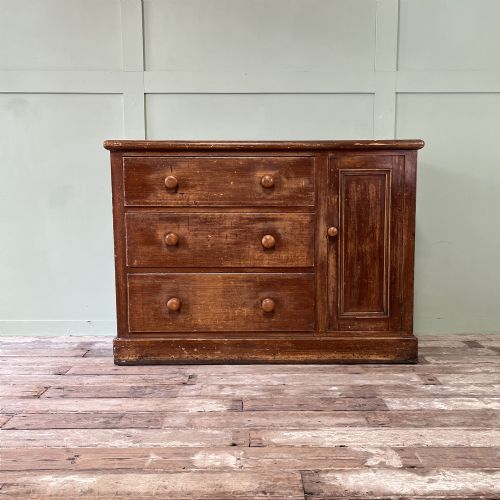
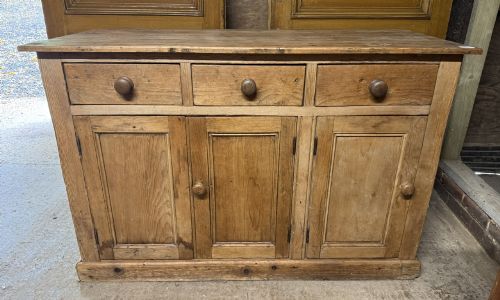
A pine cupboard base is a sturdy kitchen or dining room foundation piece, designed to support daily domestic work while providing enclosed storage behind doors and drawers. When searching for a pine cupboard base, buyers encounter functional furniture built for utilitarian service rather than formal display.
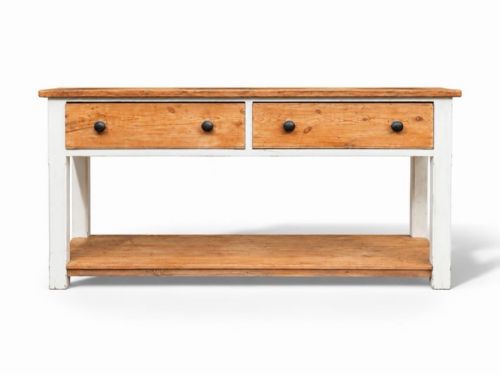
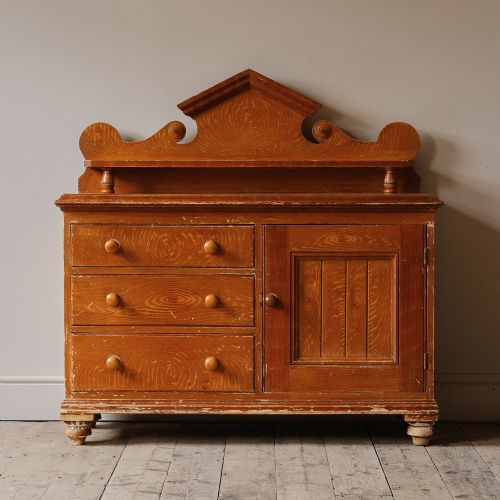
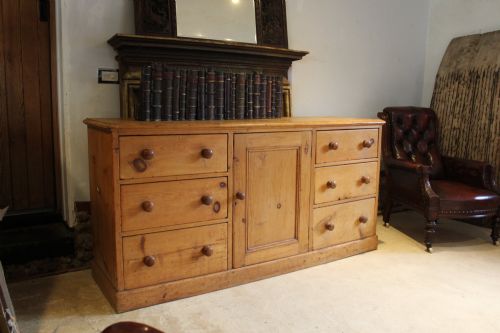
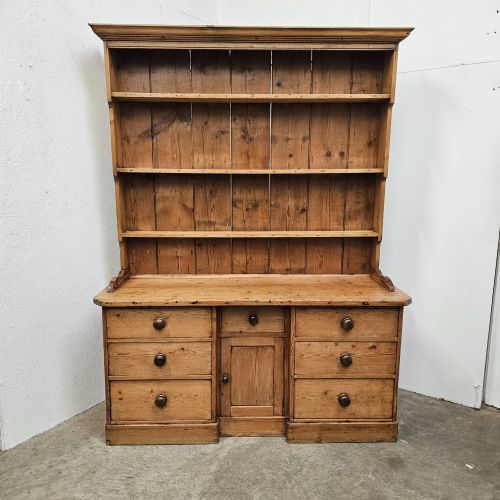
The pieces appearing on this page span several centuries and regions, with Victorian examples and nineteenth-century English country furniture forming the bulk of the selection alongside Georgian periods. Forms range from two-door drawer bases and housekeepers cupboards to larger kitchen dressers and sideboards.
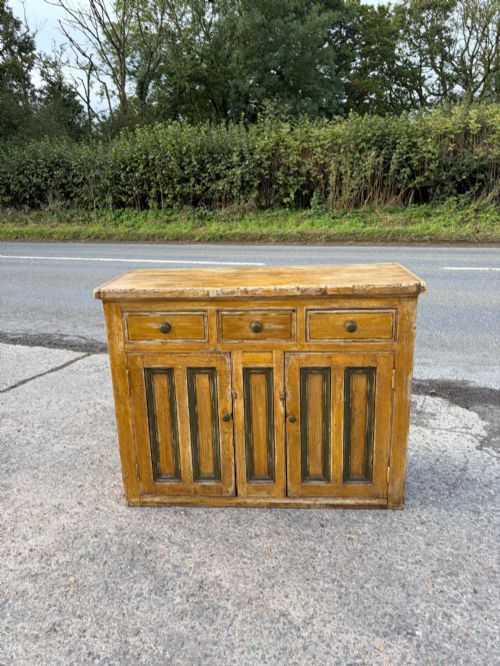
Origins vary from English workshops and Scottish dairies to French provincial settings and Hungarian kitchens, showing regional preferences in construction and hardware. Pieces appear in waxed natural finishes or retaining original paint layers.
How they were made
Makers relied on native softwoods, predominantly pine and pitch pine, selected for accessibility and workability in constructing robust carcasses, panelled doors and drawer boxes. Iron and brass hardware, including drop handles and hinges, secured moving parts and added structural longevity.
Surfaces received either protective wax polishing to highlight the grain or coats of paint, with some examples preserving their original decorative schemes or historical painted finishes. Joinery methods prioritised practical strength, utilising dovetailed drawers and panelled construction to withstand heavy daily use.
Pine Cupboard Base Retail Price Guide 2026
Typical asking prices for pine cupboard base among the pieces listed under this phrase on Sellingantiques today, from the lower quarter to the upper quarter. They describe what is for sale here now, not the wider market.
Materials across the inventory include solid pine and pitch pine, complemented by iron and brass hardware, ceramic details, and both original and later painted finishes.
What varies in quality
Proportion and utility define the better examples, where drawers run smoothly within their openings and doors hang true without excessive sagging. The presence of regional character, such as vernacular mouldings or specialised internal fittings like bread slides, separates standard utilitarian items from more notable examples.
The Pine Cupboard Base Glossary
- Dresser base
- The lower section of a kitchen dresser, featuring a flat top surface above a combination of drawers and cupboards. This form served as a primary work table and storage unit in country homes.
- Pitch pine
- A dense, resinous softwood sourced primarily from North America, noted for its durability and prominent grain patterns. Makers utilised this material for hard-wearing furniture subject to heavy daily use.
- Bread slide
- A pull-out wooden tray integrated into the cabinetry of kitchen furniture, traditionally used for cooling loaves or preparing dough. This feature indicates domestic utility in nineteenth-century settings.
- Chiffonier
- A small sideboard or low cupboard featuring drawers and enclosed shelving below a flat top surface. This compact form suited smaller Victorian rooms requiring discrete storage.
- Housekeepers cupboard
- A large tall storage cabinet traditionally deployed in substantial residences for household linens and dry stores. These pieces feature extensive shelving enclosed by panelled doors.
Pine Cupboard Base: Frequently Asked Questions
How are pine cupboard bases used today?
These cupboards function effectively as kitchen islands, sideboards, or vanity units in modern bathrooms and utility spaces. Their deep drawers and enclosed shelving provide practical storage for contemporary domestic items.
The sturdy top surfaces offer generous workspace for food preparation or displaying ceramics and kitchenalia. Placing one in a hallway or dining room introduces functional surface area alongside hidden storage.
What is the difference between a dresser base and a sideboard?
A dresser base originates from a kitchen or pantry context, typically designed with deep working surfaces and utilitarian storage for culinary equipment. These pieces often show functional wear reflecting their active domestic roles.
Sideboards generally emerged from formal dining rooms or parlours, carrying more decorative stylistic elements such as veneers or fine mouldings. However, country pieces frequently blur these distinctions through regional vernacular design.
How do I care for a waxed pine finish?
Maintaining a waxed surface requires regular dusting with a soft, dry cloth and the occasional application of traditional beeswax to nourish the timber. Avoid placing hot or wet items directly onto the unprotected wood to prevent staining.
Keeping the furniture away from direct heat sources and radical humidity fluctuations prevents the softwood from drying out or splitting. Gentle cleaning preserves the rich patina accumulated over decades of use.
Can I paint a waxed pine cupboard?
Applying paint to a waxed surface requires thorough cleaning and de-waxing with appropriate solvents to ensure proper adhesion. Without removing the wax layer, new paint finishes will fail to bond securely with the timber.
Many period pieces have undergone multiple cycles of painting and stripping throughout their lifespans. Modern decorators often choose to repaint pieces that already show historic painted finishes.
How do I identify the period of a pine cupboard?
Dating relies on examining construction techniques, tool marks, hardware styles, and overall proportions. Hand-cut dovetails, handmade screws, and forged iron hinges generally point to eighteenth or nineteenth-century origins.
Later Victorian and Edwardian pieces incorporate machine-sawn timber and standardised hardware fixings. Comparing the form against dated regional examples helps narrow down the decade of manufacture.