

Pine Coffer Box
A pine coffer box brings honest utility and vernacular character to any room, offering robust storage built from timber that ages gracefully.
Pine Coffer Box
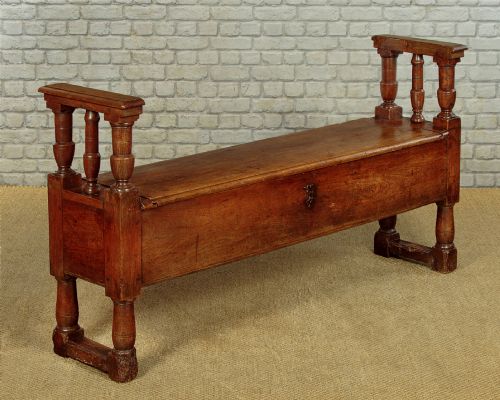
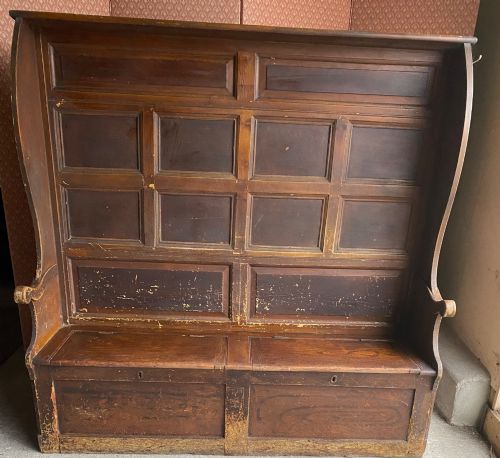
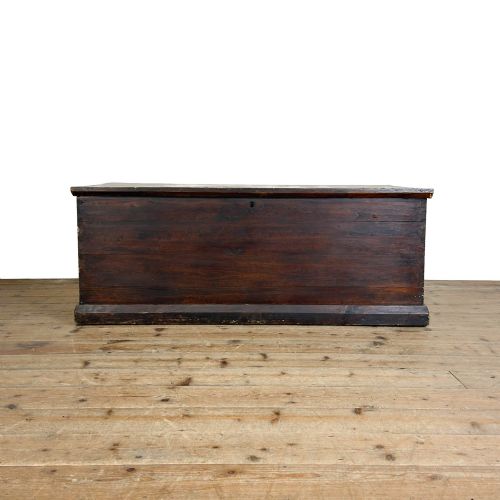
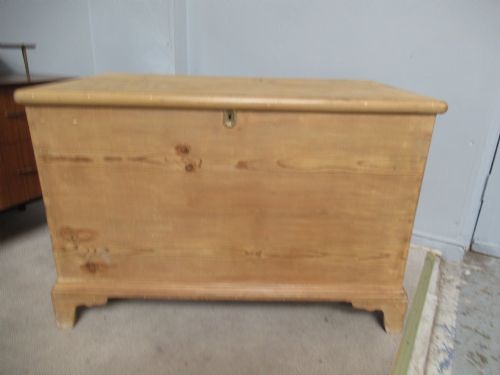
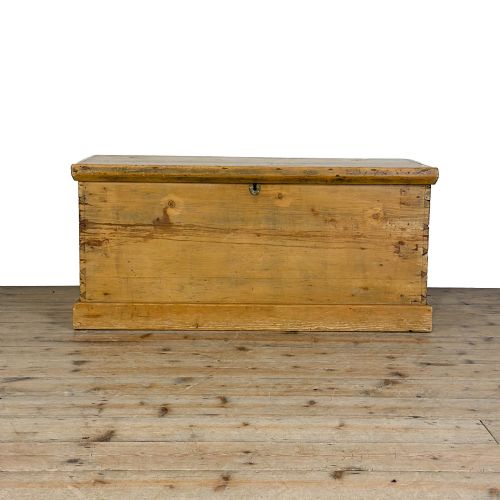
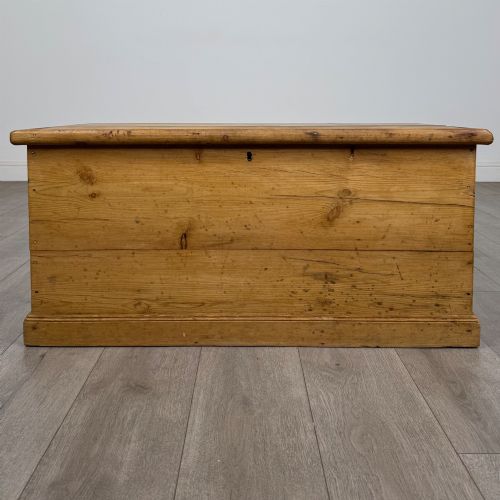
A pine coffer box is a sturdy storage container designed for domestic utility, appearing in forms such as blanket boxes, mule chests, and travel trunks. These pieces serve as practical furniture that holds household linens, clothing, or personal effects while anchoring a room with a grounded, historic presence.
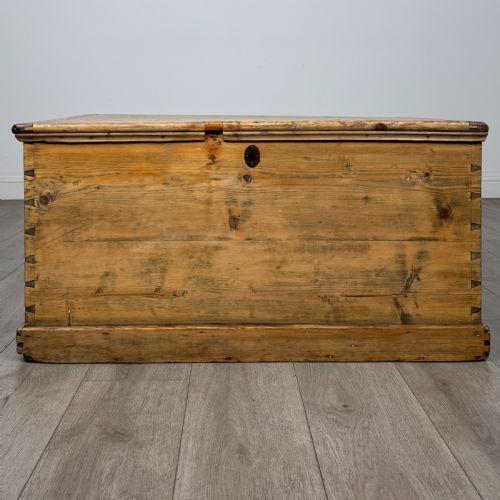
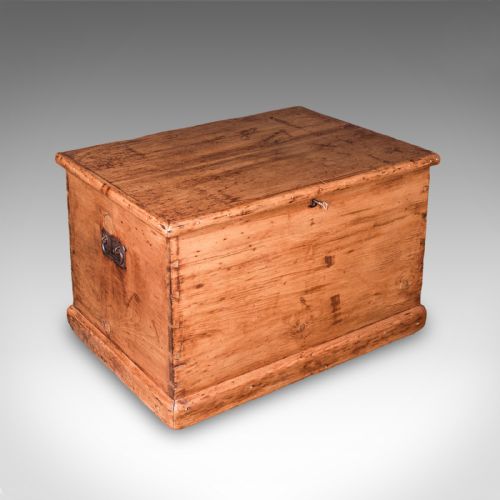
The pieces on this page span several centuries and regions, incorporating Georgian, Victorian, and continental European examples. The most frequent encounters are nineteenth-century Victorian pine blanket boxes and simpler rustic storage chests featuring hinged lids and side handles.
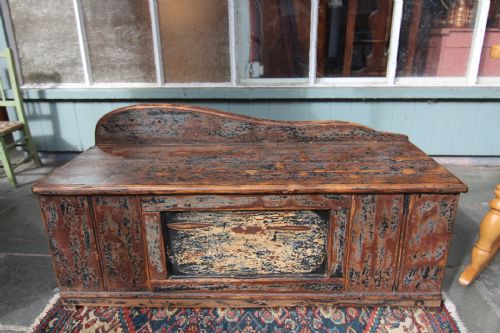
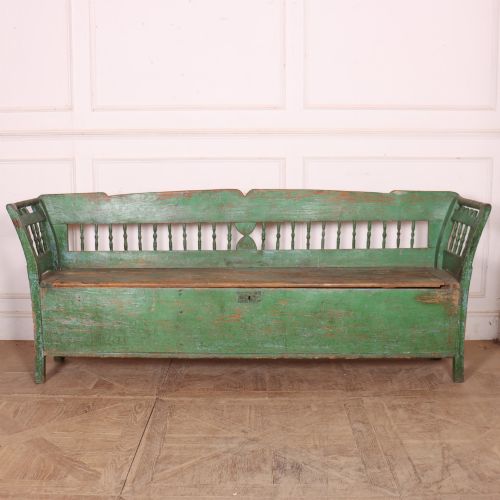
Makers ranged from local provincial joiners to estate carpenters who built functional items for everyday use. Styles extend from plain waxed surfaces to painted folk art finishes, reflecting both British country workshops and broader European traditions.
Materials and Construction
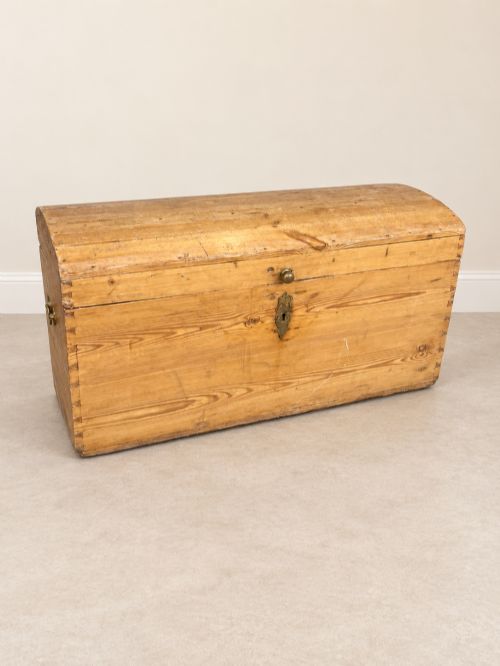
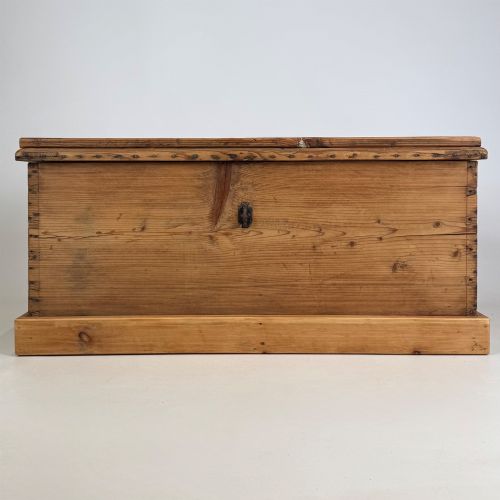
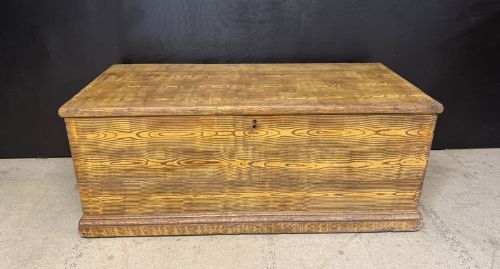
Construction relies primarily on solid pine and pitch pine, occasionally augmented by secondary timbers like elm and oak for structural durability. Boards are joined with traditional methods, often showing hand-planed surfaces and exposed dovetails or pegged joints.
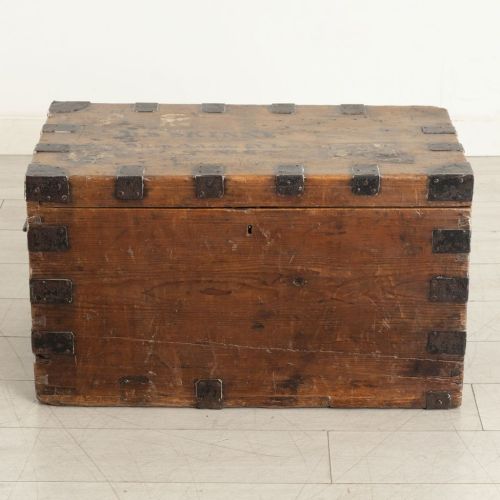
Hardware played a functional role in strengthening the timber, utilising wrought iron strapwork, brass bindings, and forged side handles. Surface treatments range from simple clear wax to polychrome paint, hand-painted decoration, and original stain.
Pine Coffer Box Retail Price Guide 2026
Typical asking prices for pine coffer box among the pieces listed under this phrase on Sellingantiques today, from the lower quarter to the upper quarter. They describe what is for sale here now, not the wider market.
Materials recorded across current stock include pine, pitch pine, elm, oak, wrought iron, and brass.
Factors of Quality
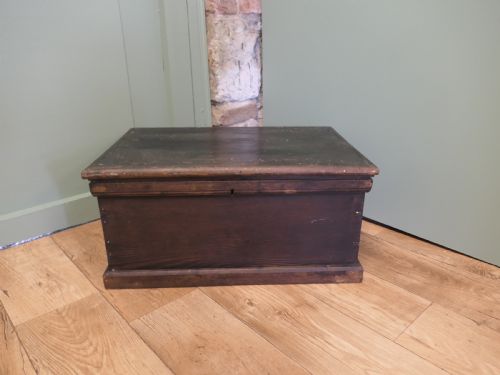
Quality rests in the integrity of the timber selection and the retention of original surfaces, such as early paint, patinated wax, or historic ironwork. Pieces that retain their original internal fittings, like till boxes or small drawers, demonstrate superior utility and completeness.
The crispness of the carpentry, from well-cut dovetails to robust framing, separates utilitarian workshop output from finer vernacular pieces. Proportions and the balance of hardware relative to the scale of the box dictate the visual success of the object.
The Pine Coffer Box Glossary
- Mule chest
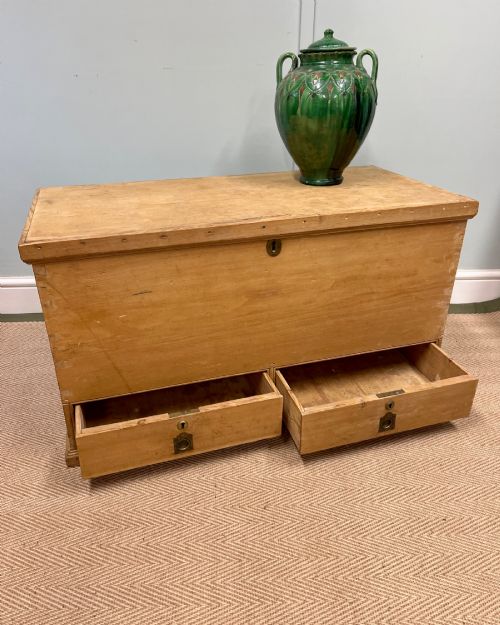
- A storage chest featuring one or more drawers at the base beneath the main compartment. This hybrid form emerged to provide easier access to stored textiles without opening the primary lid.
- Coffer
- A heavy, timber-framed storage box with a hinged lid, traditionally used for valuables or documents. These objects often display more substantial construction than standard blanket boxes.
- Strapwork
- Decorative or reinforcing bands of metal, usually iron or brass, applied across the exterior of a chest. This technique adds structural rigidity while creating a distinct visual pattern.
- Pitch pine
- A dense, resinous variety of pine timber known for its pronounced grain and durability. It was frequently selected for heavy-duty Victorian travel trunks and commercial chests.
- Polychrome
- Painted in multiple colours, often associated with folk art traditions and decorative marriage chests. This surface treatment transforms a plain utility box into a vibrant focal point.
Pine Coffer Box: Frequently Asked Questions
What were pine coffer boxes used for originally?
These boxes stored household textiles, woollens, and personal belongings in domestic settings before built-in wardrobes became common. Travel versions also transported clothing and equipment for owners on the move.
Heavier trunks and mule chests held valuable household goods, linens, and documents, often sitting at the foot of a bed or in hallways for quick access.
Can I use a pine trunk as a coffee table?
These boxes function well as coffee tables because their flat lids provide a stable surface for books and objects. Their hollow interiors offer hidden storage for living room clutter.
Ensure the height suits your seating and verify that the lid structure remains stable and level under daily use.
How should I care for a waxed pine surface?
Maintain waxed pine by dusting regularly with a soft, dry cloth to prevent grit buildup. Apply a natural beeswax polish occasionally to nourish the timber and preserve the patina.
Keep the box away from direct heat sources and strong sunlight to prevent the wood from drying out or splitting.