

Pine Bureau Drawers
These pine bureau drawers combine practical storage with drop-front writing surfaces, offering sturdy utility for everyday use.
Pine Bureau Drawers
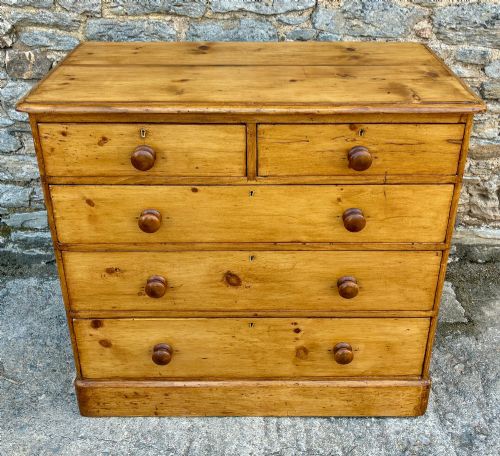
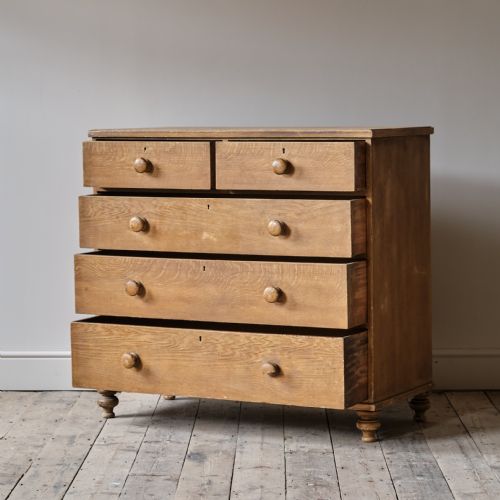
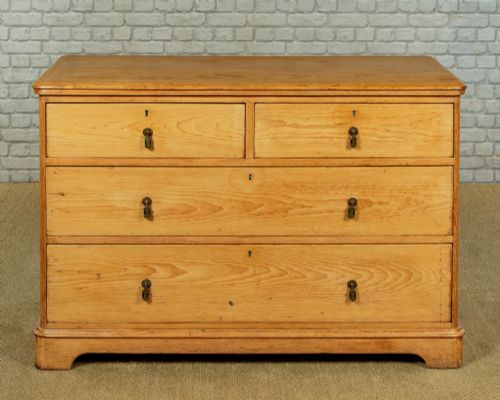
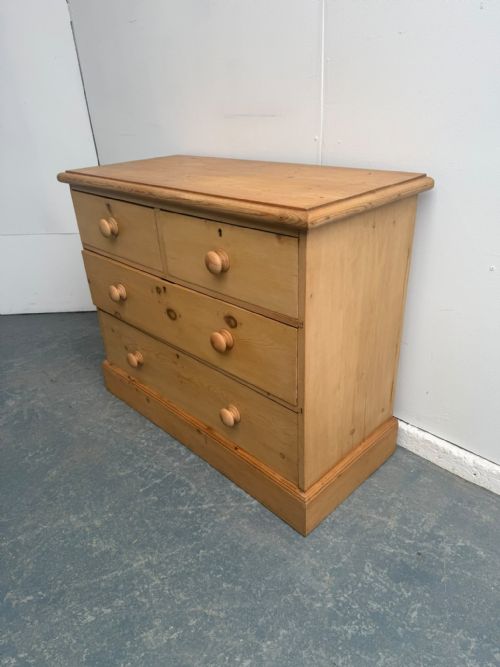
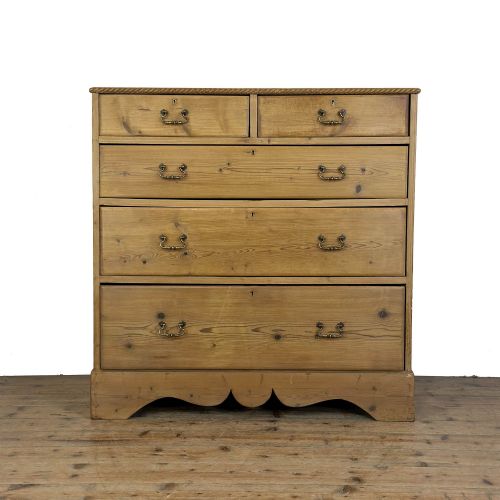
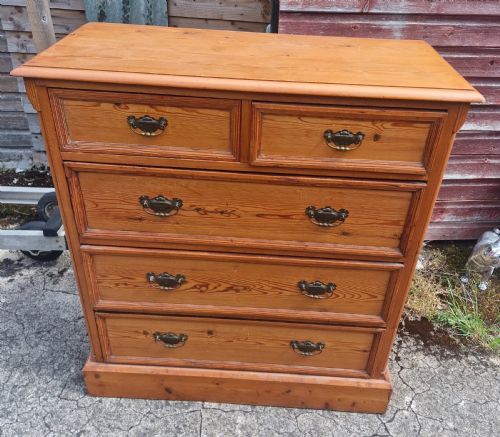
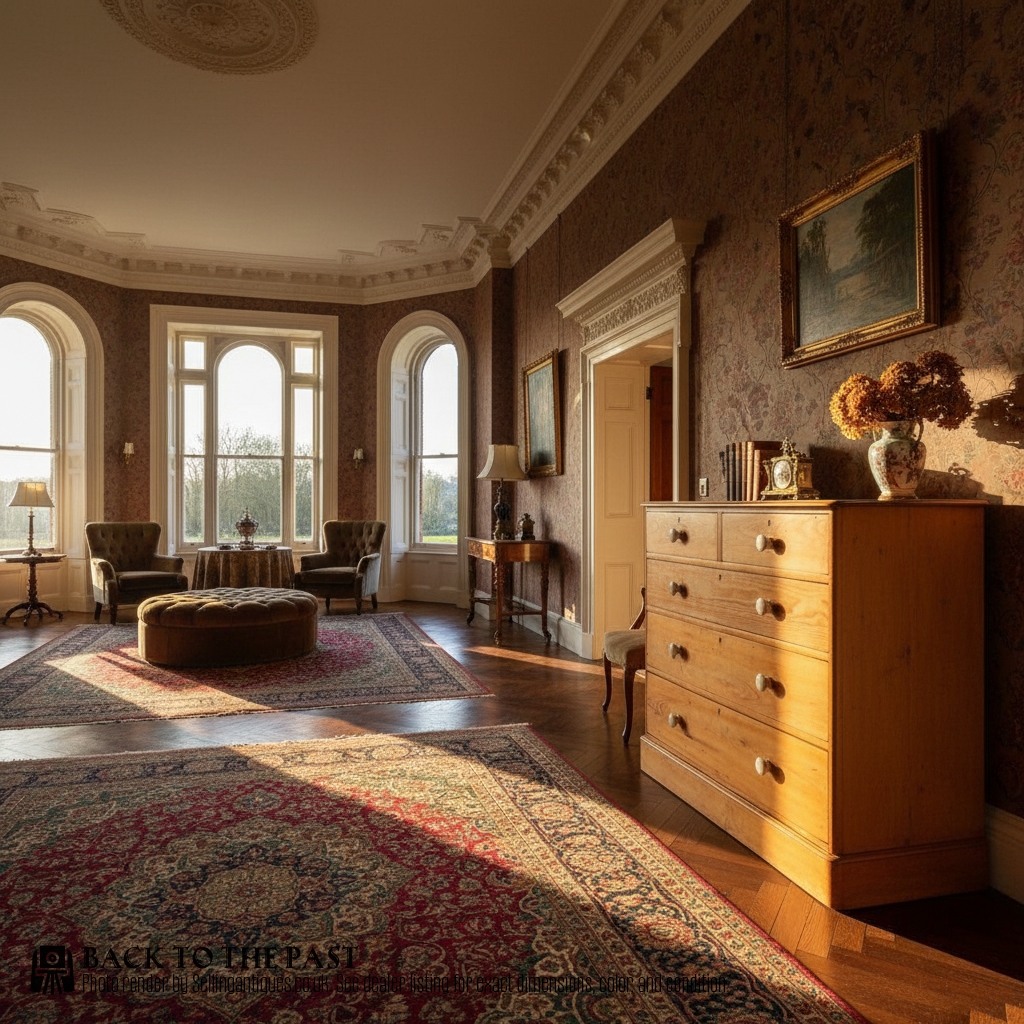
When searching for pine bureau drawers, buyers encounter chests of drawers, bureaux, and secretaire desks designed for writing and storage. The selection spans the Georgian period through the Victorian era and into the early twentieth century.
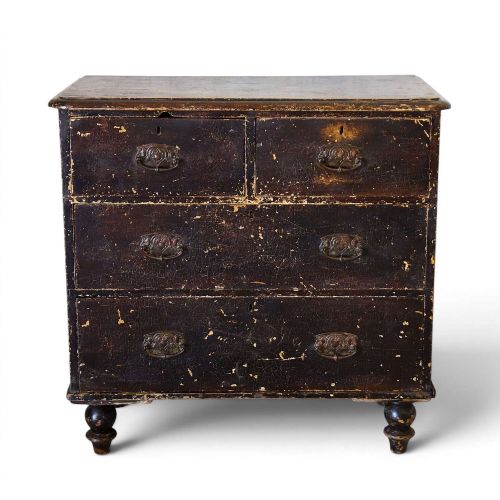
Most examples found on this page take the form of Victorian pine chests of drawers and secretaire desks featuring internal compartments. These pieces originate from English, Irish, Hungarian, and Scandinavian workshops.
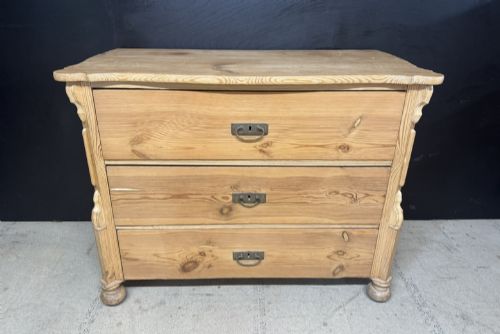
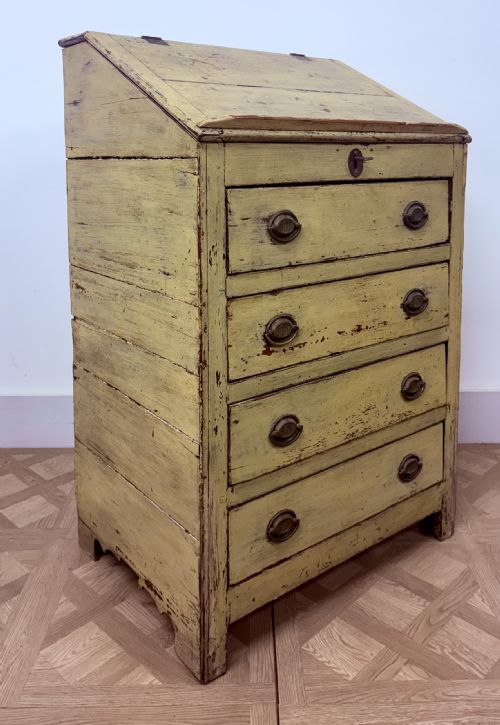
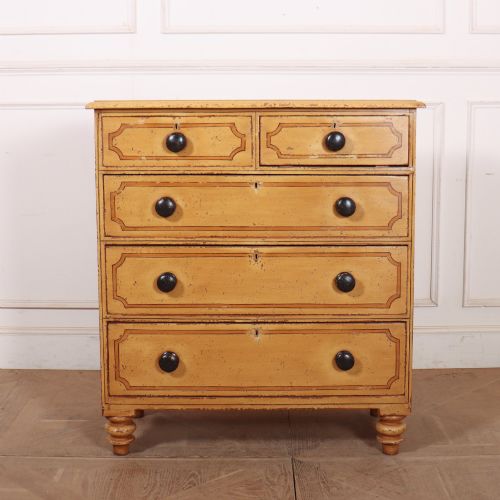
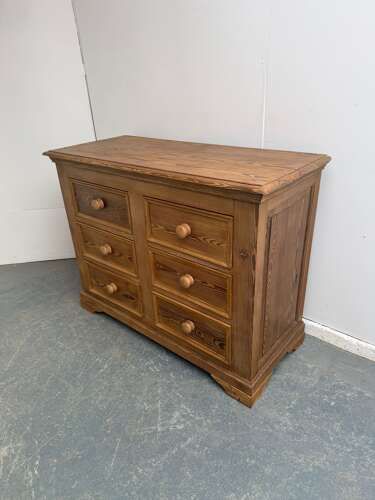
Forms range from compact three-drawer commodes to massive five-drawer upright chests and fitted bureau bookcases. Many combine standard drawer configurations with fold-down writing slopes.
How they were made
Construction relies primarily on solid timber, utilising pine boards assembled with traditional joints for carcases and drawer boxes. Brass and iron hardware provide functional pulls and escutcheons.
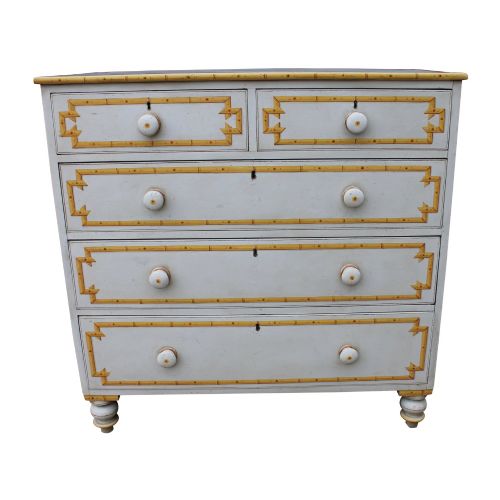
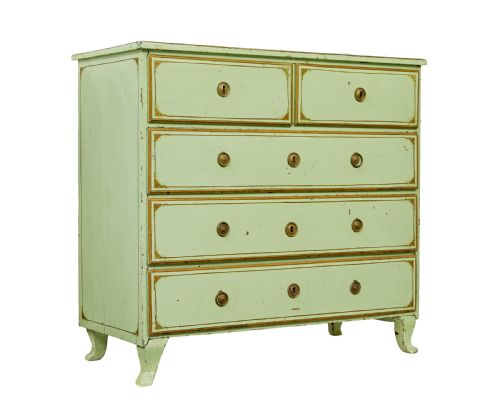
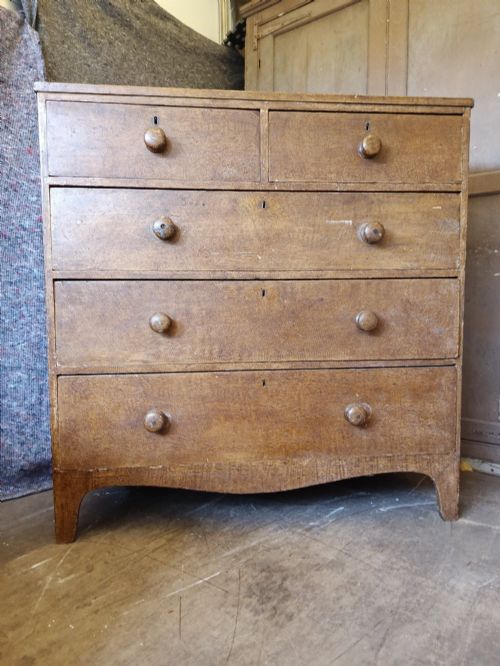
Surfaces receive various historic treatments, ranging from clear wax finishes to original paint, faux bamboo detailing, and brown scumble glazes. Ceramic elements occasionally appear on fittings and pulls.
Materials documented across the inventory include solid pine, painted wood, brass pulls, iron hardware, and ceramic fittings.
What varies in quality
Distinctions in quality arise from the crispness of proportions, the retention of original surface treatments like paint or scumble, and the integrity of internal mechanisms. Pieces displaying untouched regional finishes and balanced drawer arrangements stand apart.
Superior examples exhibit careful timber selection, original brass or ceramic hardware, and well-fitted interior writing compartments with secret drawers. Heavy alterations or stripped surfaces alter the character of the piece.
The Pine Bureau Drawers Glossary
- Bureau
- A writing desk with a sloping hinged lid that opens to reveal internal pigeonholes and small drawers. It often sits atop a base of larger storage drawers.
- Scumble
- A decorative paint technique involving a translucent top layer dragged or textured over a pale base colour to simulate grain. It appears frequently on nineteenth-century country furniture.
- Secretaire
- A piece of furniture incorporating a concealed desk drawer with a drop-front panel. This drawer pulls out to provide a writing surface while maintaining the exterior appearance of a standard chest.
- Commode
- A low chest of drawers, particularly of French or Swedish origin, standing on legs. These often feature painted neoclassical decoration or Gustavian styling.
- Pigeonhole
- A small, open compartment within a desk or bureau interior used for sorting letters and papers. They form part of the fitted writing section behind the fall-front.
Pine Bureau Drawers: Frequently Asked Questions
What is a bureau desk?
A bureau desk is a workstation featuring a hinged writing flap that opens downward to form a flat surface. Inside, small compartments and hidden drawers organise writing materials.
Beneath this writing section, standard storage drawers provide space for household items or documents. This dual purpose made them common in period domestic interiors.
How do I date a pine chest?
Dating relies on construction methods, timber thickness, and overall design proportions. Georgian and early Victorian pieces often feature hand-cut dovetails and specific drawer arrangements like two short drawers over three long ones.
Later Victorian and Edwardian examples show machine-sawn elements and different hardware styles. Original paint finishes or scumble glazes also offer clues to the period of manufacture.
Are these pieces painted or waxed?
These pieces feature both original painted surfaces and traditional wax finishes. Many items retain their historic paint, including grey, black, or faux bamboo decoration.
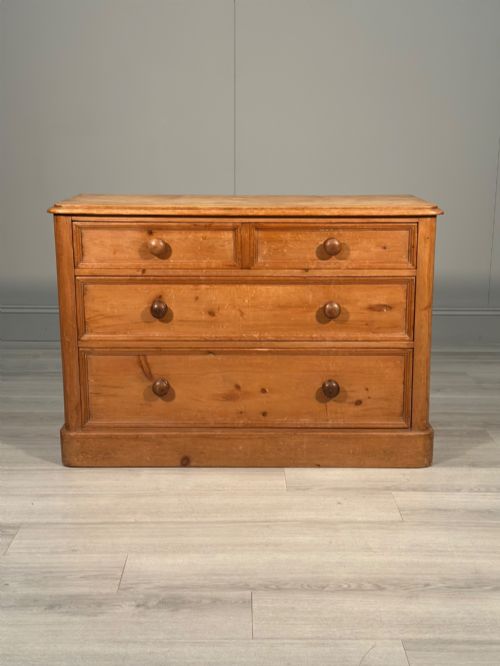
Others display waxed bare pine or aged patinas developed over decades of use. Regional variations from Sweden, Ireland, and Hungary show distinct local surface treatments.
Where were these drawers made?
The pieces originate from workshops across Britain, Ireland, and continental Europe. English and Irish country workshops produced sturdy utilitarian chests in large numbers.
Scandinavian and Hungarian makers contributed distinct painted commodes and columnar pine chests. Each region utilised local softwoods and decorative traditions.