

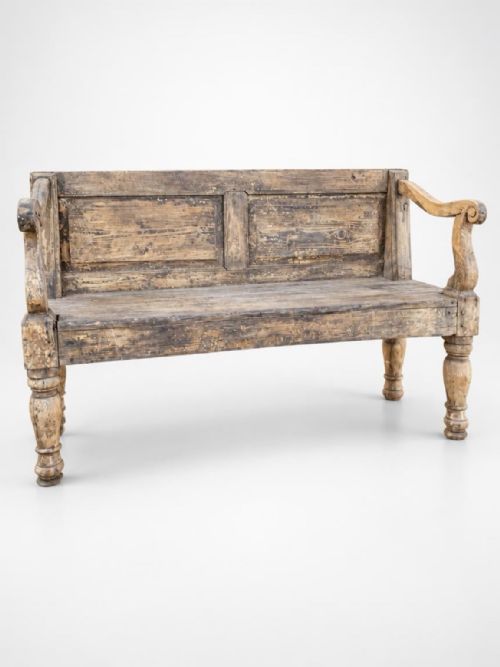
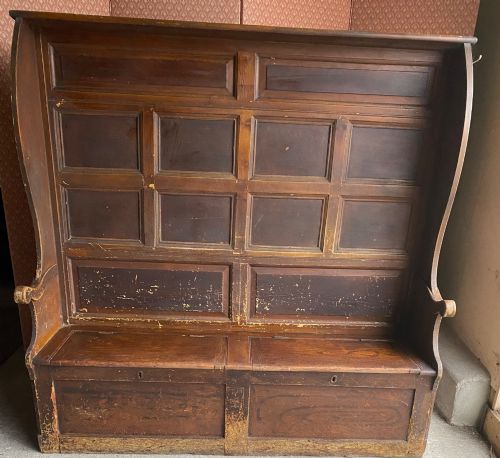
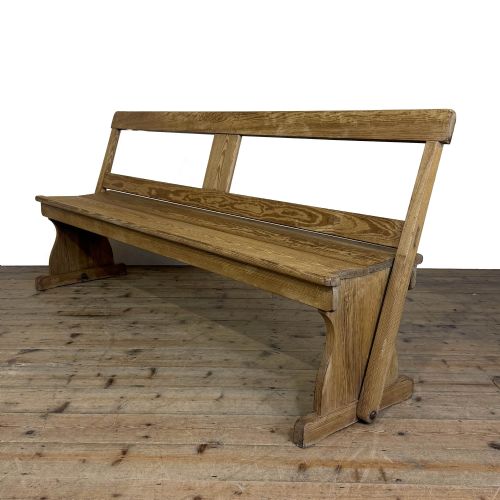
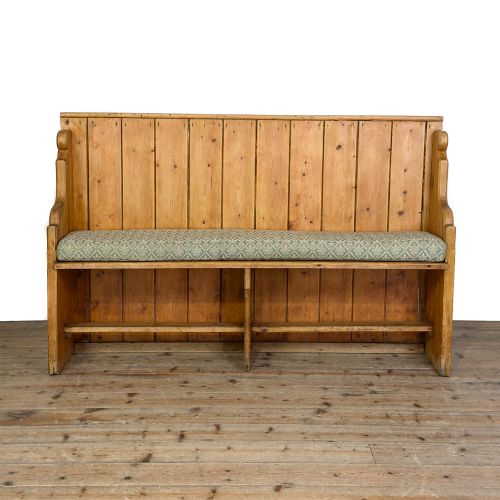
Pine Bench with Back
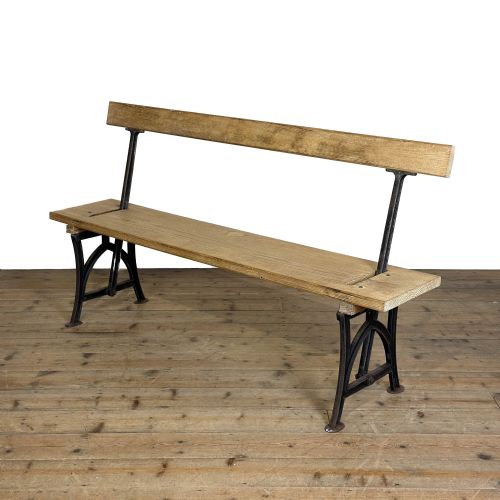
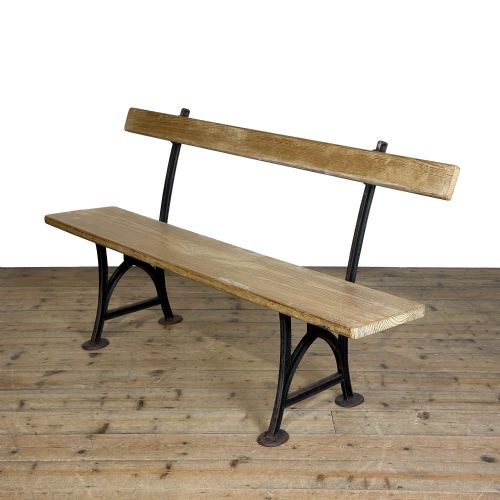
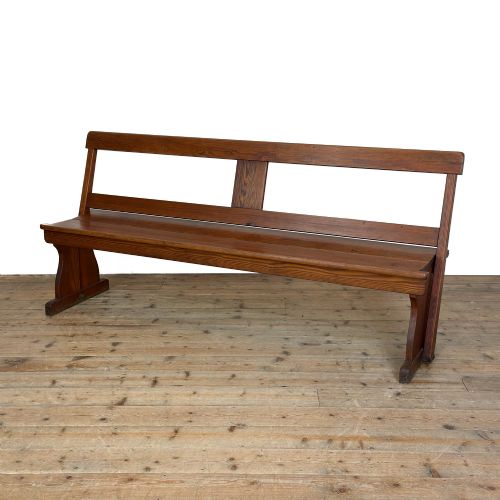
These pine bench with back pieces are sturdy timber seats built for daily utility, offering simple lines and reliable support.
Pine Bench with Back
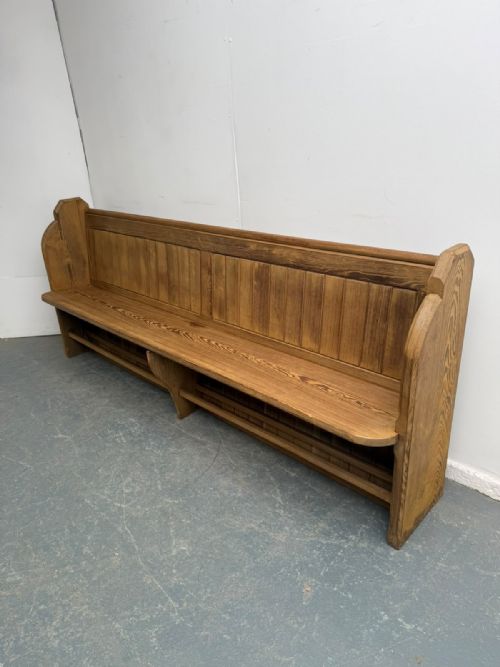
A pine bench with back combines practical seating with a supportive high or low rear structure, originating from various domestic, tavern, and church settings. Most examples on this page date from the Georgian and Victorian periods, often reflecting English Country, rustic farmhouse, or Arts and Crafts traditions.
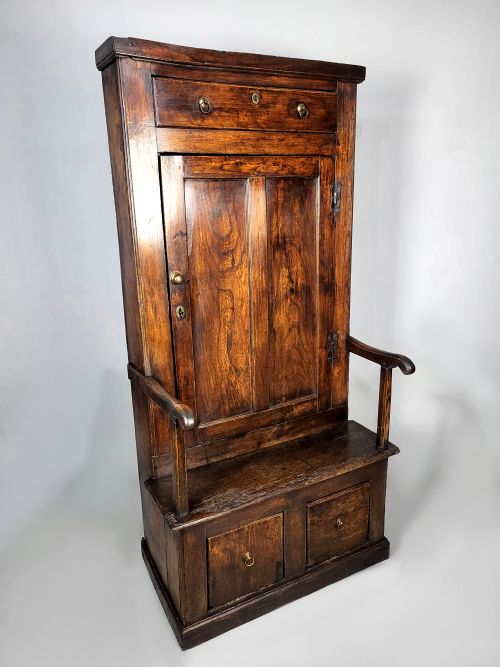
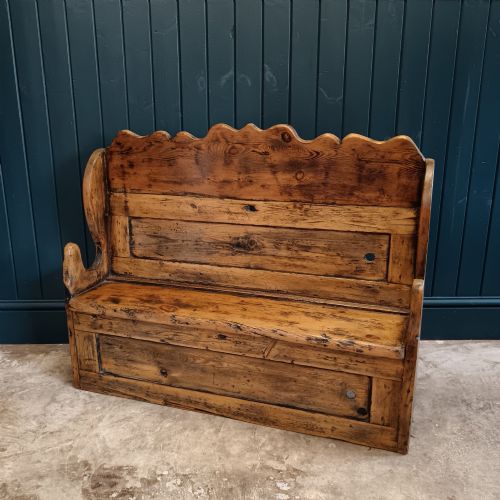
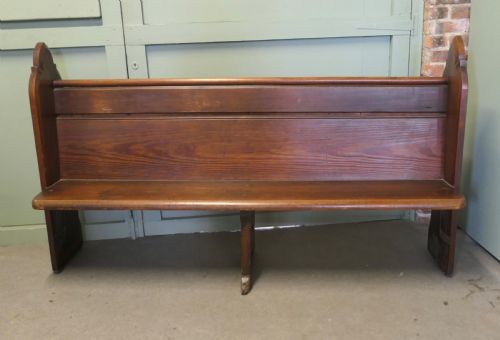
Forms range from straightforward church pews to enclosed box settles featuring integrated storage compartments beneath the seat. Regional variations, such as pieces originating from Wales or Hungary, bring distinct vernacular details and proportions to the category.
Materials and construction
Construction relies heavily on solid timber, utilising both standard pine and dense pitch pine for structural integrity. Joinery techniques are straightforward and robust, designed to withstand heavy daily use in busy communal spaces and households.
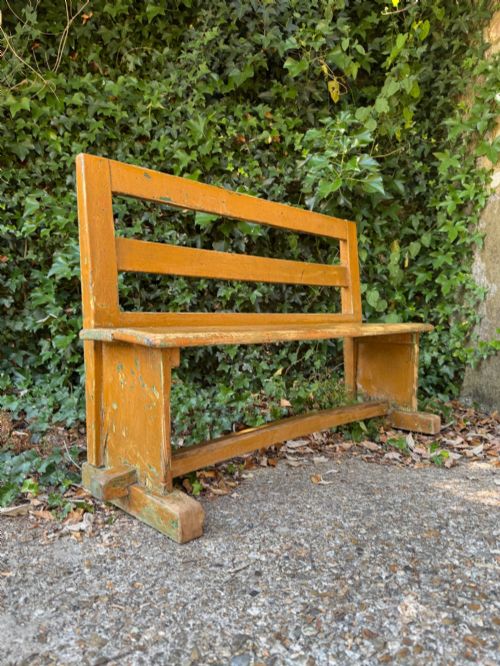
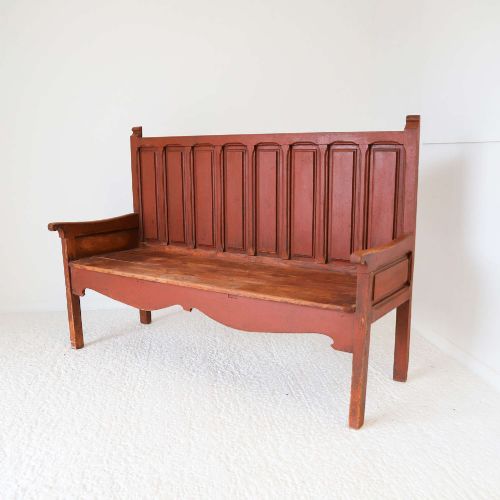
Surface finishes vary widely between pieces, encompassing clear wax treatments that highlight the natural grain, honey brown patinas, and surviving original paint. Additional functional elements sometimes include iron hardware, leather, fabric upholstery, or fitted drawers.
Pine Bench with Back Retail Price Guide 2026
Typical asking prices for pine bench with back among the pieces listed under this phrase on Sellingantiques today, from the lower quarter to the upper quarter. They describe what is for sale here now, not the wider market.
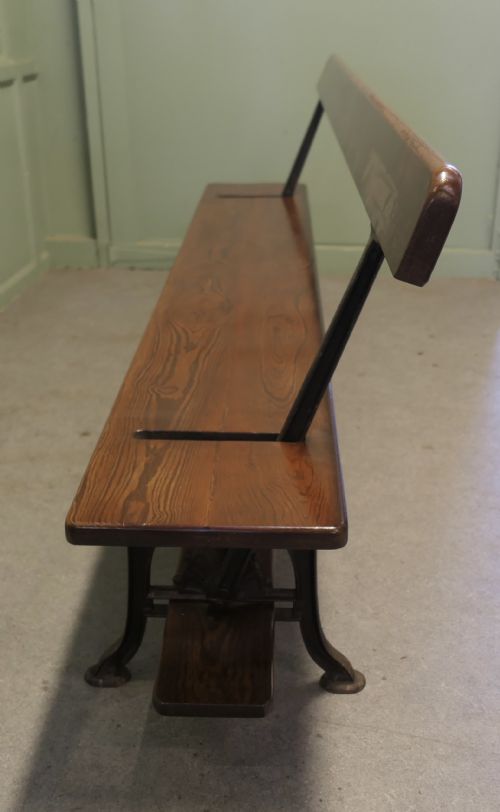
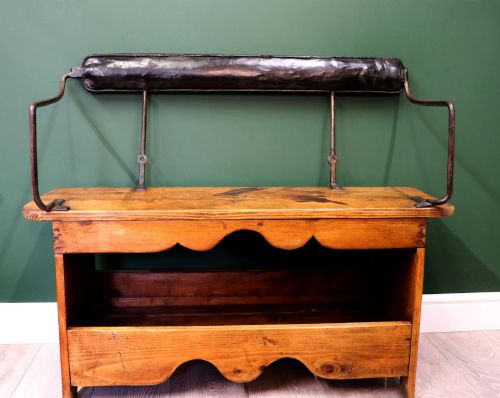
One listed hall seat comes complete with a novel twist, offering an unexpected design detail for the hallway.
Assessing quality
Quality rests upon the integrity of the timber and the honesty of the surface finish, whether a piece retains its original paint or displays a deep, naturally developed patina from decades of use. Better examples maintain their original structural proportions without excessive timber replacement.
The Pine Bench with Back Glossary
- Settle bench
- A wooden bench featuring a high back and solid sides designed to block drafts, often incorporating a box seat for storage. These items served as central pieces of furniture in farmhouse kitchens and taverns.
- Patina
- The surface sheen and colour developed over years of handling, polishing, and environmental exposure. A desirable patina shows genuine age rather than artificial distress.
- Box settle
- A specific form of bench where the base functions as a chest with a hinged lid. This dual-purpose design provided essential storage in smaller rooms.
- Pitch pine
- A dense, resinous variety of pine known for its durability and strong grain pattern. It frequently appears in larger or more utilitarian institutional seating.
Pine Bench with Back: Frequently Asked Questions
What is a pine settle?
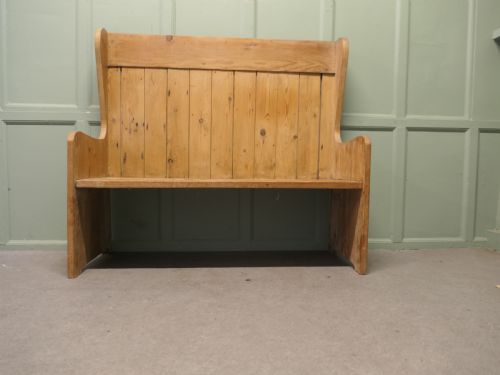
A pine settle is a traditional wooden bench with a high back and solid armrests designed to keep out household drafts. They often include a box compartment beneath the seat for storing blankets or household goods.
Historically placed near hearths in country homes and taverns, these benches offered practical comfort before central heating became common.
How do I care for waxed pine?
Waxed pine benefits from occasional application of a quality beeswax to nourish the wood and maintain its soft sheen. Avoid placing these pieces in direct sunlight or near heat sources to prevent timber splitting.
Routine dusting with a dry cloth is generally sufficient for daily maintenance. Moisture should be wiped away promptly to protect the surface.
Are church pews comfortable?
Church pews and chapel benches are built with upright backs designed for formal posture rather than lounging. Their solid timber construction prioritizes durability and space efficiency over cushioned comfort.
Many owners add loose squabs or cushions to soften the seat for everyday domestic use. The supportive high back remains a distinct ergonomic feature.
How do I date an old pine bench?
Dating relies on examining construction methods, tool marks, timber selection, and surface wear. Hand-cut joints, original paint layers, and regional vernacular styles provide key chronological indicators.
Comparing hardware types and overall proportions against known period examples helps narrow down the decade of manufacture. Unaltered pieces carry the clearest physical evidence of their age.