
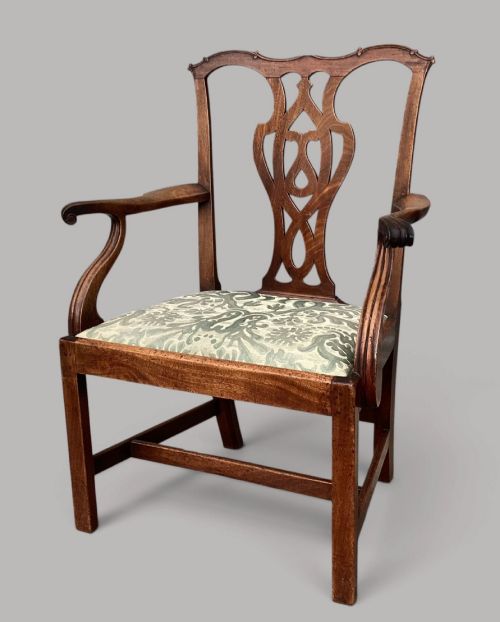
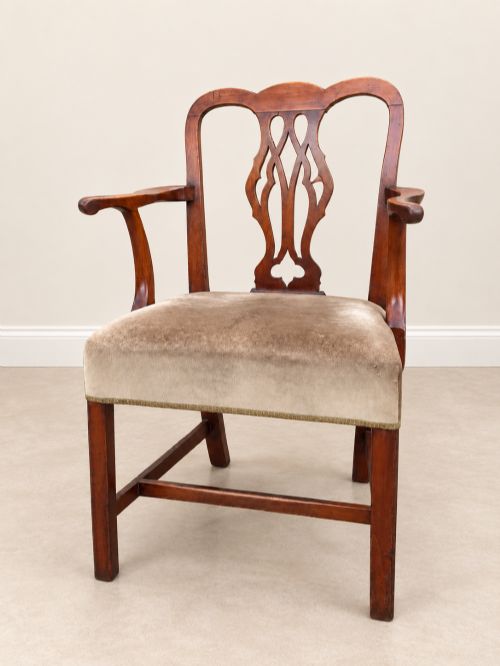
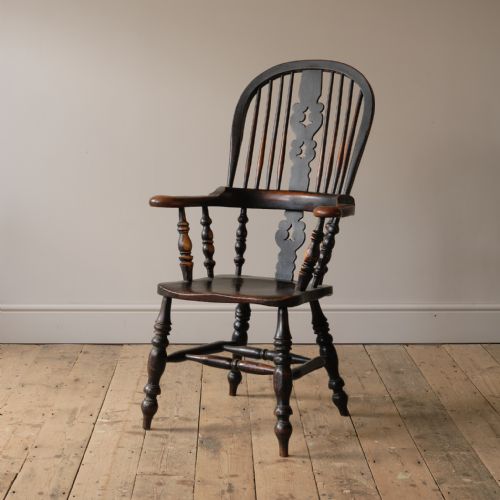
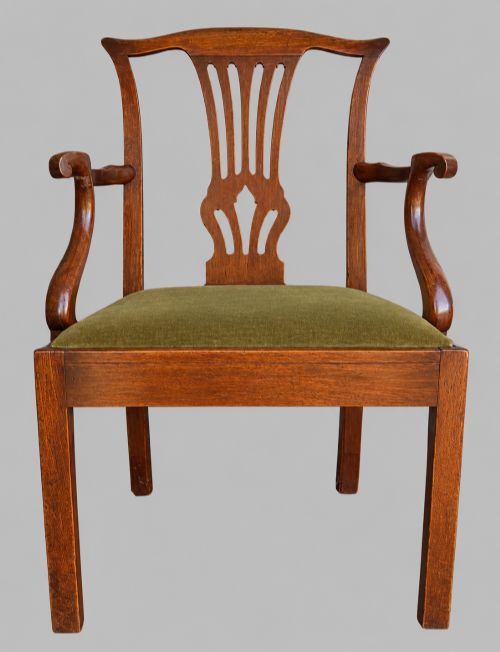
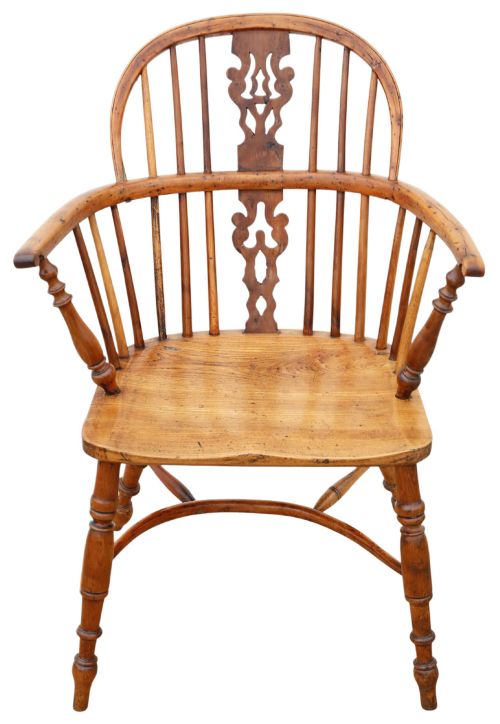
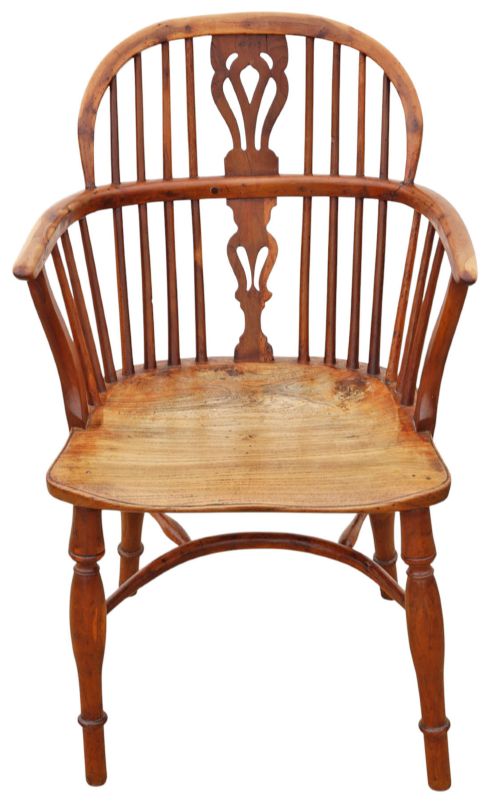
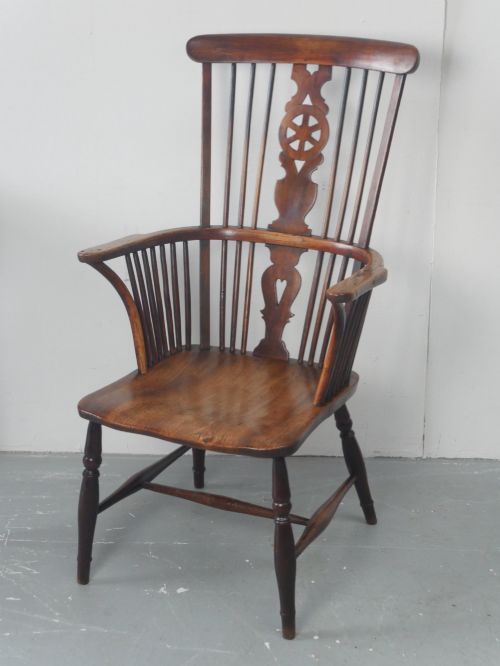
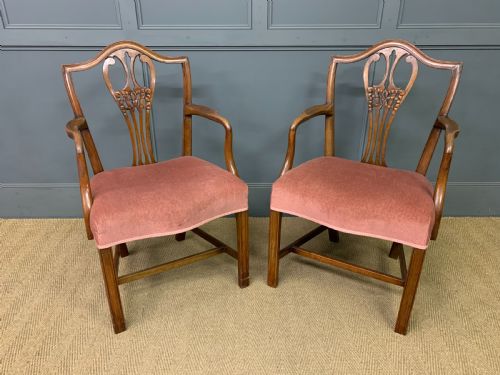
Pierced Splat Elbow Chair
These pieces known as a pierced splat elbow chair combine structural support with refined back designs originating in eighteenth and nineteenth century workshops.
Pierced Splat Elbow Chair
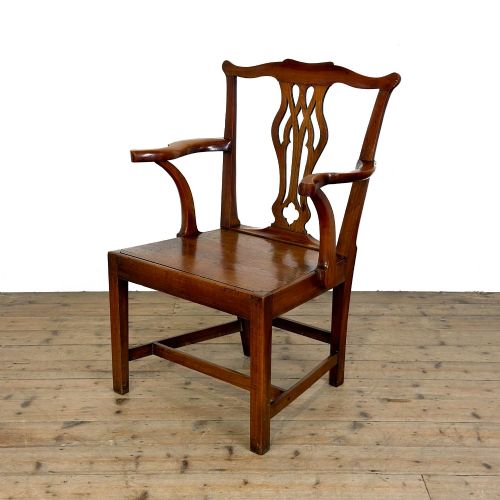
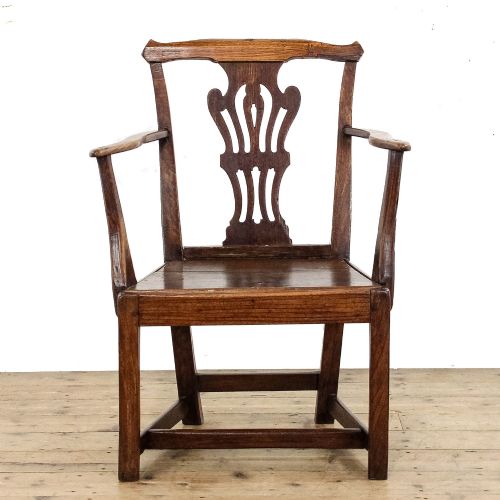
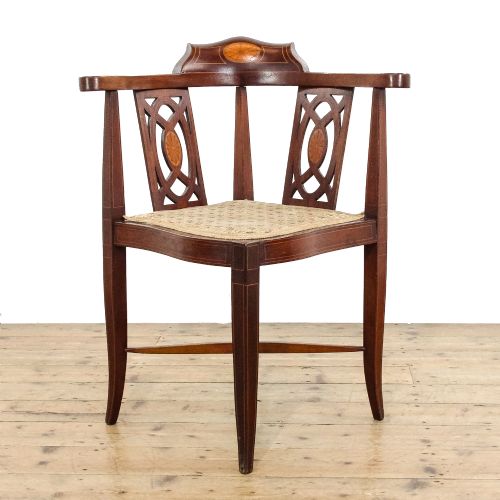
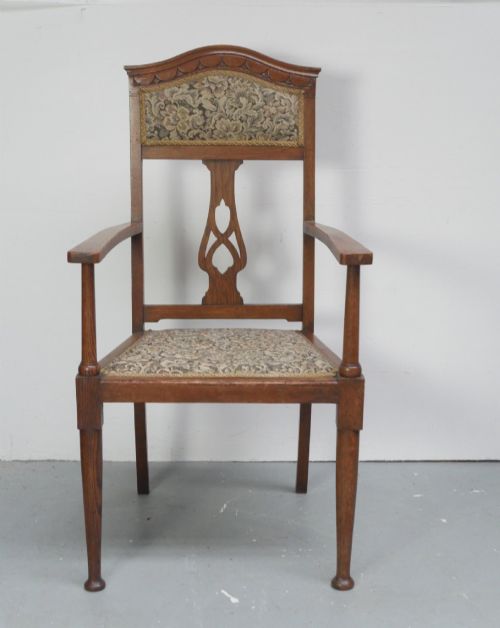
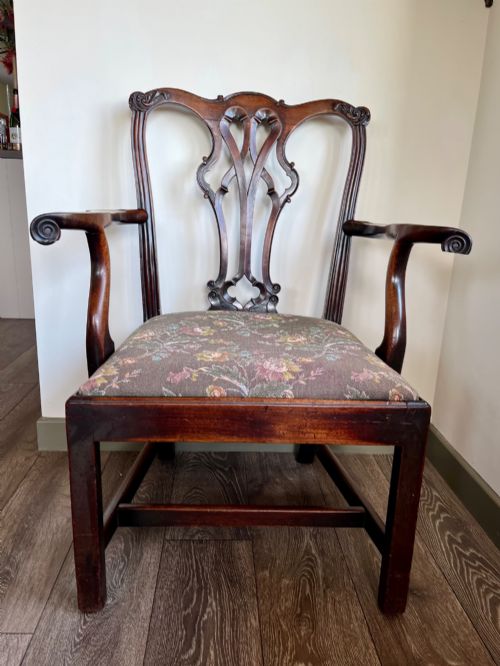
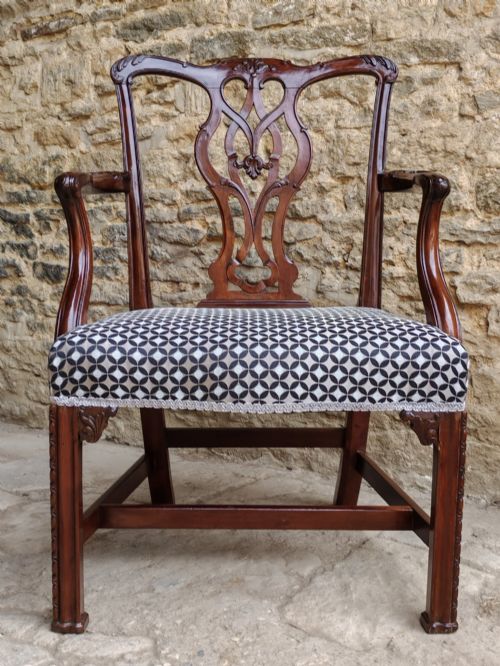
When you search for a pierced splat elbow chair, you encounter seating designed with arms and a central wooden back support pierced in distinct patterns. The forms span country vernacular seating alongside formal mahogany parlour designs.
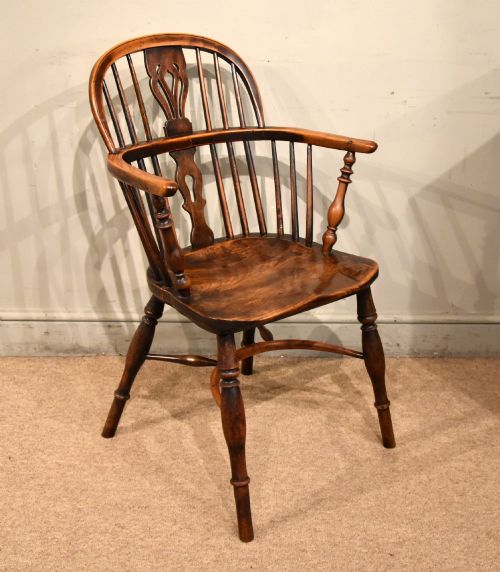
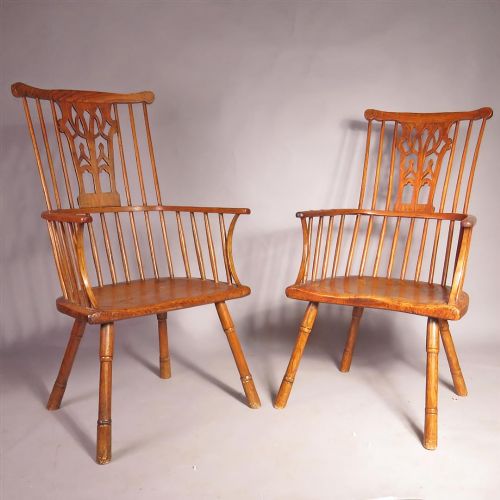
The versions most common here range from eighteenth century Georgian mahogany Chippendale models to nineteenth century ash and elm Windsor armchairs. These pieces served diverse roles from farmhouse seating to formal desk and drawing room chairs.
How They Were Made
Maker workshops utilised native and imported timbers including mahogany, yew, elm, ash, oak, and fruitwood. Solid timber sections formed sturdy seats, bentwood created bowed backs, and carved splats provided central support.
Joinery methods combined traditional mortise and tenon joints with steam bending for armbows and crest rails. Surfaces received hand finishes that highlighted the natural grain of the wood.
Listings feature periods spanning the eighteenth, nineteenth, and early twentieth centuries, constructed from timbers including mahogany, yew, elm, ash, oak, and fruitwood.
What Varies in Quality
The standard of carving and piercing in the back splat distinguishes simpler vernacular forms from elaborate urban seating. Crisp execution of interlaced or ribbon designs indicates greater workshop skill.
Selection of timber figure, such as highly grained yew or figured mahogany, affects the visual impact. The integrity of the original construction and minimal timber replacement also govern the standing of an individual piece.
The Pierced Splat Elbow Chair Glossary
- Splatt
- The central upright slat in the middle of a chair back. It often takes pierced or carved forms.
- Elbow chair
- An armchair designed with enclosed or open arms for resting the elbows. These served at desks, dining tables, or in parlours.
- Windsor chair
- A chair built with a solid wooden seat into which the legs and back spindles are wedged directly. Common regional timbers include elm and ash.
- Chippendale style
- A furniture design style drawing on the eighteenth century patterns of Thomas Chippendale. It typically incorporates cabriole legs, claw and ball feet, and pierced ribbon-back splats.
- Carver
- A traditional term for an armchair, often used to describe a larger seat matching a set of dining chairs.
Pierced Splat Elbow Chair: Frequently Asked Questions
Where were these chairs used?
These chairs sat in dining rooms, libraries, and parlours as well as farmhouse kitchens. Formal versions accompanied desks or dining tables.
Simpler vernacular Windsor variants served utilitarian functions across domestic and commercial interiors.
How do I date a chair?
Dating relies on timber selection, construction methods, and stylistic details associated with periods like the Georgian era or Victorian times.
Tool marks, timber shrinkage, and wear patterns further help indicate the age of manufacture.
Are these chairs comfortable for daily use?
Solid wooden seats and supportive armrests offer functional seating suited to daily sitting. Contoured wooden saddles provide ergonomic support.
Some examples include upholstered drop-in seats or fabric cushions for added comfort.