



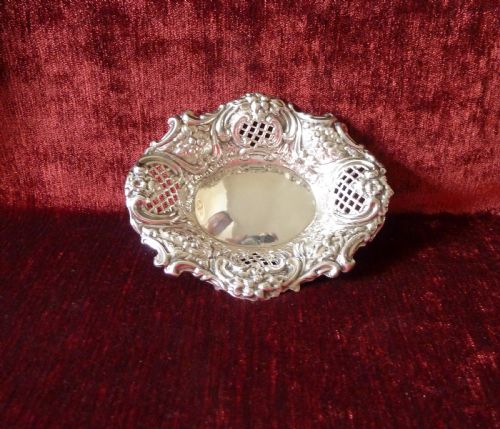

Pierced Silver Trinket
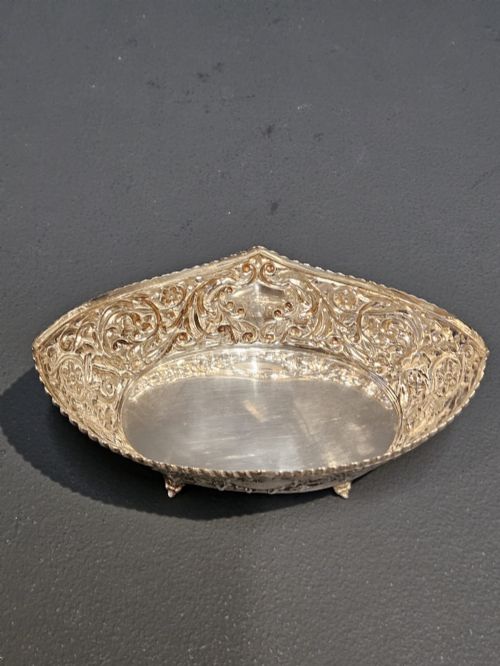
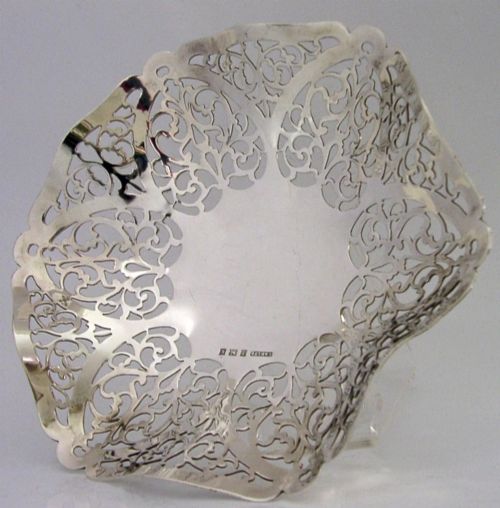
These pierced silver trinket pieces range from delicate Edwardian bonbon dishes to Georgian silver gilt vinaigrettes, offering functional elegance for small keepsakes.
Pierced Silver Trinket
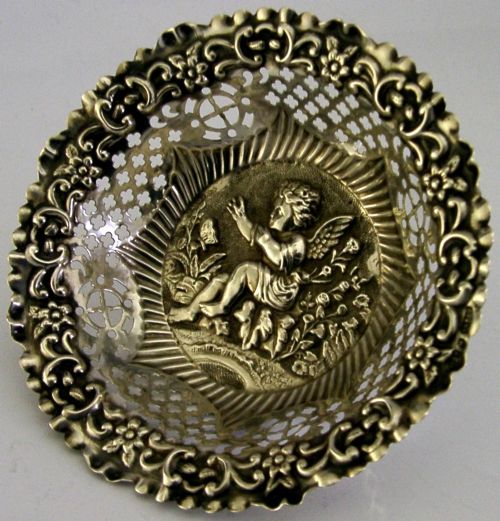
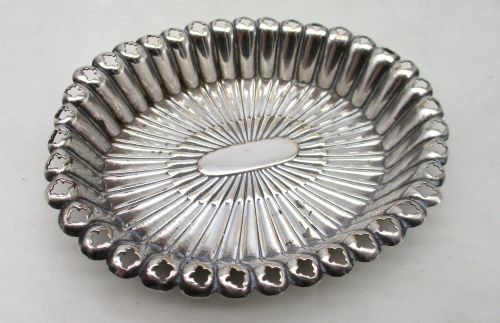
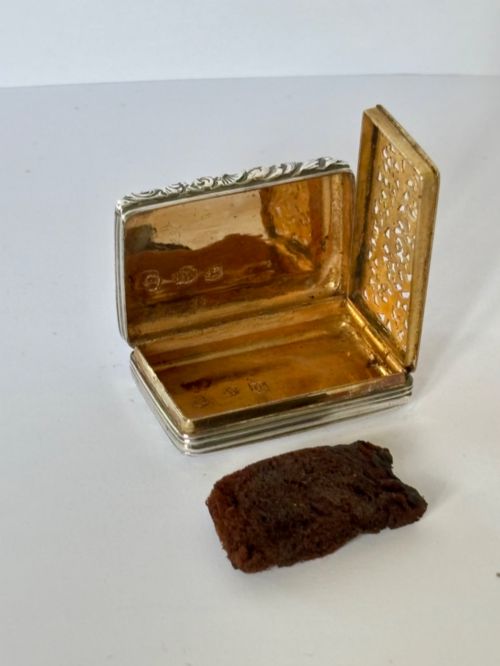
A pierced silver trinket encompasses small domestic silver objects designed for holding sweets, pot pourri, pins, and personal items. When searching for this phrase, buyers encounter items ranging from Georgian vinaigrettes and early Victorian silver gilt boxes to Edwardian bonbon dishes and Art Deco dishes.
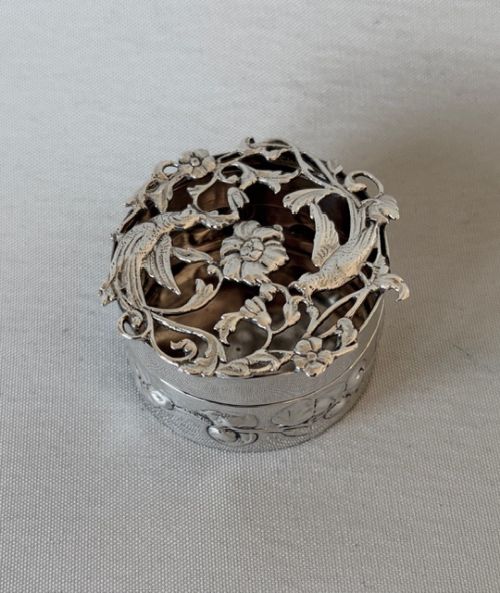
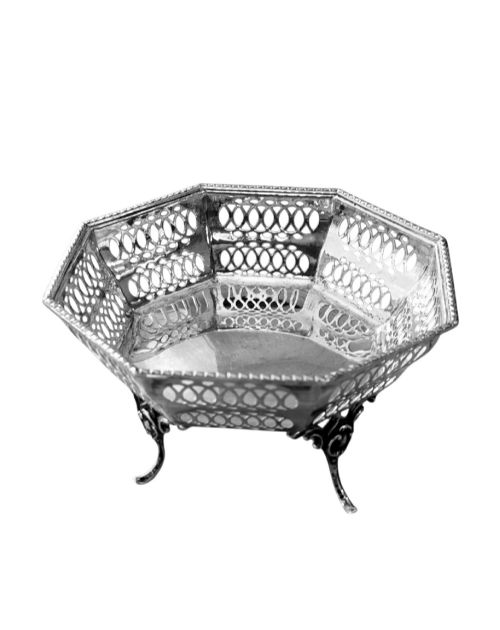
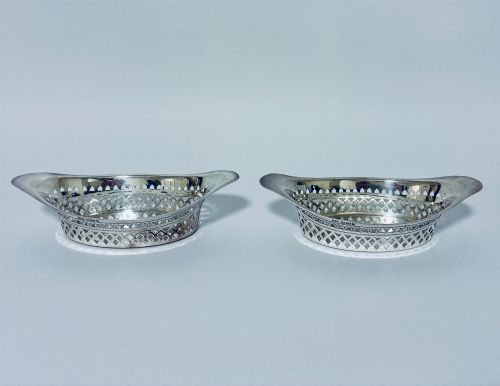
The most common examples on this page are bonbon dishes and pot pourri boxes originating from the Victorian and Edwardian eras. These pieces often utilise openwork metal designs to display contents or release scents while maintaining structural form.
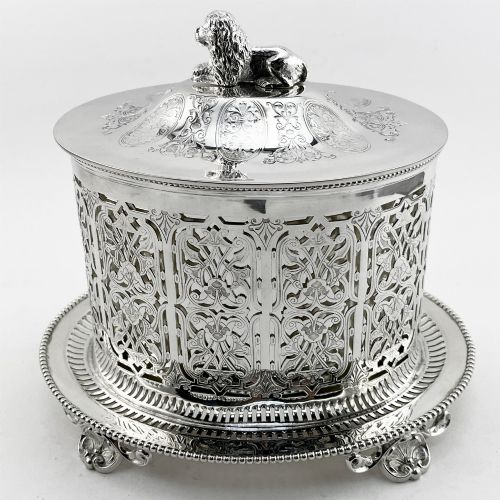
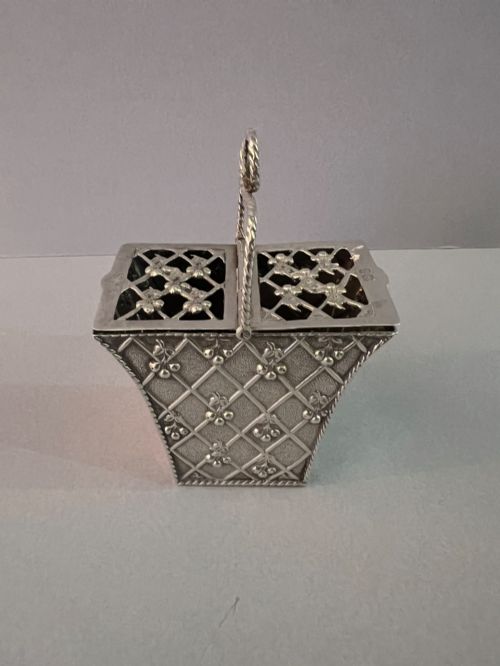
Formations extend beyond traditional dishes to include miniature baskets, sweatmeat baskets, pin trays, and novelty warming pans. Makers applied piercing techniques across various periods, including Chinese Export examples from the twentieth century.
Materials and construction techniques
Makers constructed these items predominantly from sterling silver, silver gilt, and silver plate, occasionally incorporating materials such as tortoiseshell, copper, and cobalt blue glass. Old Sheffield plate also appears among the mid eighteenth century items.
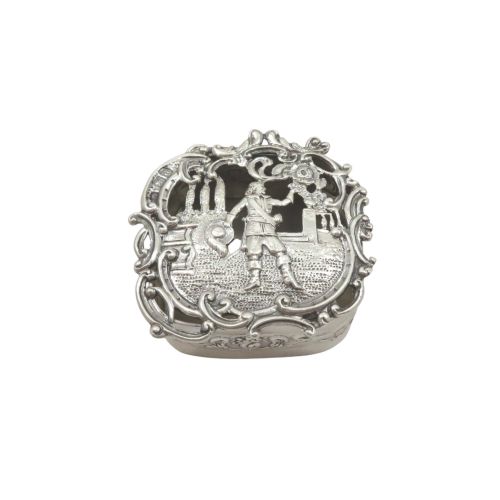
Craftsmen achieved the openwork patterns through meticulous piercing, sawing, and chasing techniques directly into the metal. Many interior components feature gilding, and smaller boxes include fitted sponges or hinged lids.
Pierced Silver Trinket Retail Price Guide 2026
Typical asking prices for pierced silver trinket among the pieces listed under this phrase on Sellingantiques today, from the lower quarter to the upper quarter. They describe what is for sale here now, not the wider market.
Materials recorded across the selection include sterling silver, silver gilt, silver plate, copper, tortoiseshell, and cobalt blue glass.
Distinctions in craftsmanship and design
Quality rests upon the crispness of the pierced patterns and the precision of the maker's handwork. Sharply defined apertures and balanced proportions distinguish finer items from simpler press-cut alternatives.
The inclusion of hallmarks, original gilding, fitted elements like sponges, and secondary materials such as tortoiseshell elevate individual pieces. Maker attribution to known workshops also separates standard production from superior output.
Synyer & Beddoes·Joseph Willmore·Nathaniel Mills·Thomas Bradbury & Sons·Walker & Hall·William Comyns·Edward Smith·Wang Hing & Co·John Collyer
The Pierced Silver Trinket Glossary
- Vinaigrette
- A small ornamental box featuring an internal pierced grille, designed to hold a sponge soaked in aromatic vinegar. These portable containers were popular during the Georgian and Victorian periods for freshening the air.
- Bonbon dish
- A small open vessel specifically intended for serving sweets or confectionery. They frequently incorporate pierced or openwork scroll designs along the rim or body.
- Pot pourri box
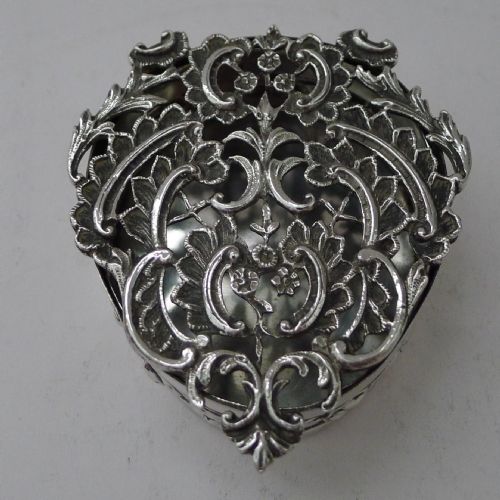
- A small lidded container pierced with apertures to allow dried flowers and scent to diffuse into a room. Edwardian examples often take the form of miniature baskets or round boxes.
- Old Sheffield plate
- A composite material made by fusing a layer of silver to a copper base, utilised before the invention of electroplating. It appears on eighteenth-century pin trays.
- Silver gilt
- Silver that has been coated with a thin layer of gold on its surface. This technique was frequently applied to the interiors of vinaigrettes and small boxes.
Pierced Silver Trinket: Frequently Asked Questions
What is a pierced silver trinket used for?
These items serve primarily as decorative containers for small personal items, bonbons, or scented pot pourri. Their pierced designs allow contents to be displayed or aromas to diffuse naturally into a room.
Historically, specific forms like vinaigrettes held scented sponges for personal refreshment, while baskets and dishes functioned on dressing tables and dining surfaces.
What is the difference between sterling silver and silver plate?
Sterling silver consists of a solid alloy containing a high standard of pure silver throughout the entire object. Silver plate involves a thin layer of silver bonded to a base metal core, such as copper.
Old Sheffield plate represents an earlier fusing technique visible on eighteenth-century trays, differing from later electroplated items.
How do I care for antique pierced silver?
Care involves gentle dusting with a soft cloth to prevent tarnish accumulation within the intricate pierced apertures. Harsh chemical dips should be avoided, particularly on items featuring silver gilt, glass liners, or tortoiseshell inserts.
Regular, careful cleaning preserves the definition of the chased and pierced metalwork without removing historical patination.