


Pierced Silver Tea Spoon
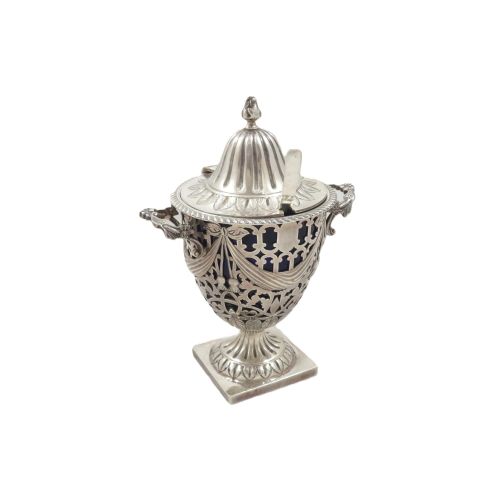
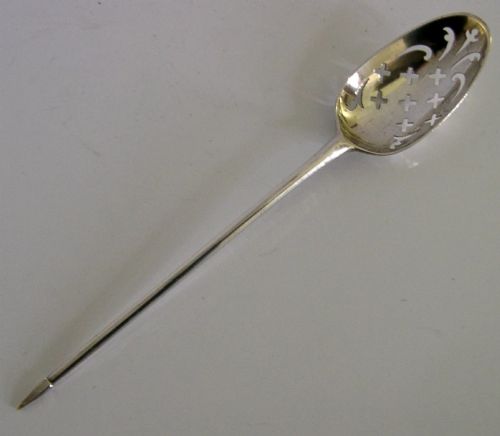
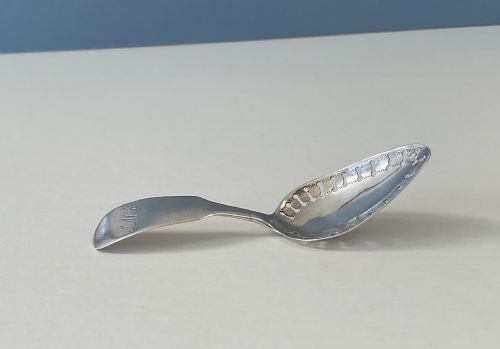
These pieces of pierced silver tea spoon material offer an engaging glimpse into historic table traditions, combining pierced bowls with sterling silver.
Pierced Silver Tea Spoon
When you search for a pierced silver tea spoon, you are looking at small utensils designed for tea service, often taking the form of mote spoons, caddy spoons, or strainer spoons. These items frequently date from the Georgian, Victorian, and Edwardian eras, reflecting centuries of dining customs.
The versions you are most likely to meet on this page include Georgian caddy spoons and eighteenth-century mote spoons featuring pierced bowls. Makers utilised sterling silver primarily, sometimes pairing these spoons with cobalt glass, leather, velvet, silk, or gold gilt within fitted cases.
How They Were Made
The pieces recorded in the listings rely fundamentally on sterling silver, shaped through traditional silversmithing techniques to form bowls, handles, and pierced patterns. Piercing required careful hand-sawing or punching of the metal to create functional strainers and decorative motifs.
Details such as fancy backs on mote spoons demonstrate specialised die-stamping or engraving methods. Presentation sets often combined silver spoons with fitted velvet, silk, leather, and cobalt glass containers.
Listings feature items spanning the Georgian, Victorian, and Edwardian periods, utilising sterling silver alongside cobalt glass and silk.
What Varies in Quality
Quality in these spoons rests upon the crispness of the piercing and the clarity of the hallmarks stamped into the sterling silver. Pieces from provincial makers or specific historical periods exhibit distinct engraving depths and handle shaping that distinguish standard utility items from finer examples.
The presence of associated items, such as fitted cases lined with silk and velvet, or secondary materials like cobalt glass and gold gilt, elevates the overall character of the piece.
Jeremiah Lee·Plucknett
The Pierced Silver Tea Spoon Glossary
- Mote spoon
- A slender eighteenth-century spoon featuring a pierced bowl used to skim tea leaves from the brew and a pointed stem to clear the teapot spout. This dual-purpose design was essential before fine tea strainers became common.
- Caddy spoon
- A short-handled spoon utilised for measuring loose tea leaves from a caddy into the pot. These often display elaborate piercing and shell-shaped bowls.
- Sterling silver
- A silver alloy containing ninety-two point five percent pure silver by mass, with the remainder consisting of other metals like copper. It provides the primary material for the spoons listed here.
- Hallmark
- An official mark stamped onto silver items to indicate the standard of purity, the assay office, and the year of manufacture. It serves as a primary method for dating antique silverware.
Pierced Silver Tea Spoon: Frequently Asked Questions
What is a mote spoon?
A mote spoon is an eighteenth-century utensil featuring a pierced bowl and a tapered stem. It was designed to remove loose leaves from a cup of tea.
The pierced bowl acted as a strainer while the pointed end cleared clogged teapot spouts during pouring.
How do I identify a caddy spoon?
Caddy spoons are characterised by their short handles and relatively large bowls, proportioned to fit inside a tea caddy. They date frequently from the Georgian and Victorian periods.
Many examples feature decorative piercing or embossed designs on the bowl to scoop loose tea leaves.
Are these spoons made of sterling silver?
The listings record sterling silver as the primary material for these items. Hallmarks stamped into the metal verify the standard of silver used.
Some pieces also incorporate gold gilt, cobalt glass, or fitted leather and velvet cases.
How do I date an antique silver spoon?
Dating relies heavily upon the hallmarks struck into the sterling silver, which indicate the assay office and the active year of the maker. Stylistic indicators like Georgian fancy backs or Edwardian forms also help narrow the period.
Examining the manufacturing techniques and any accompanying fitted cases provides further chronological context.