

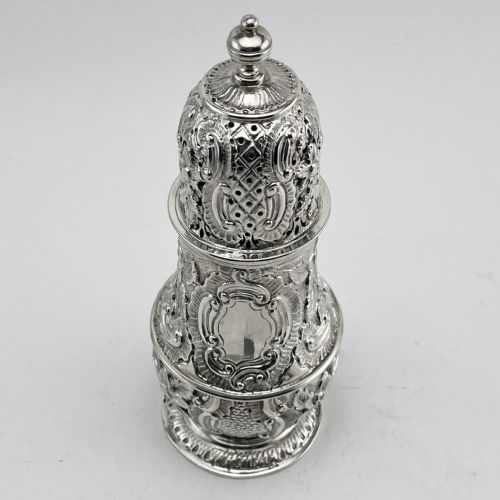


Pierced Silver Sifter
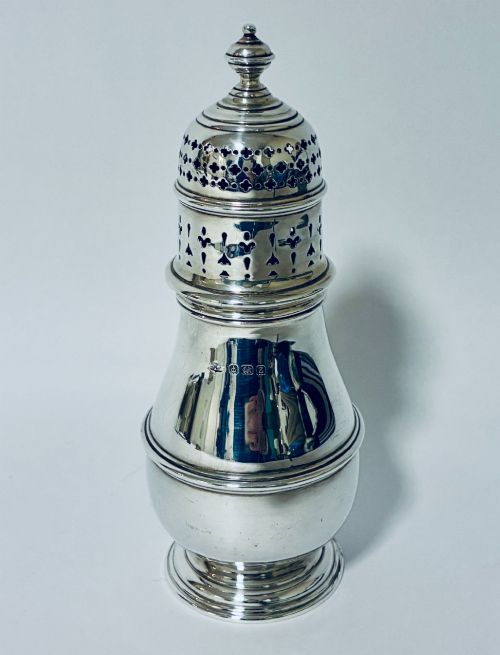
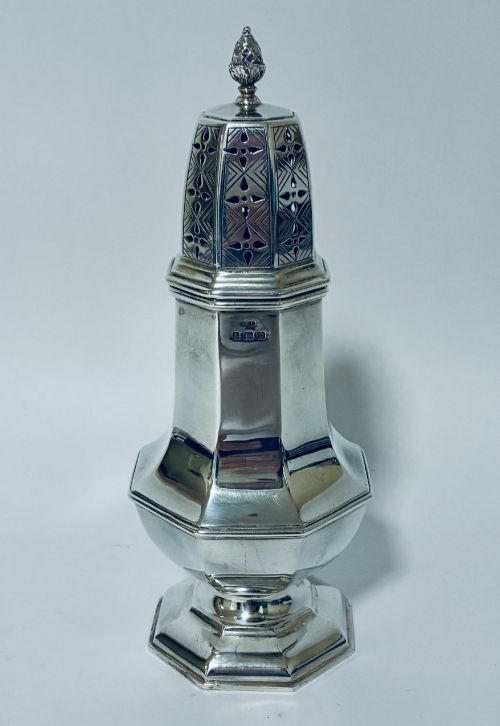
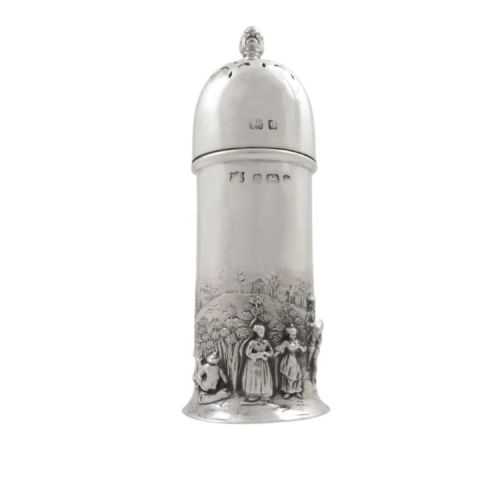
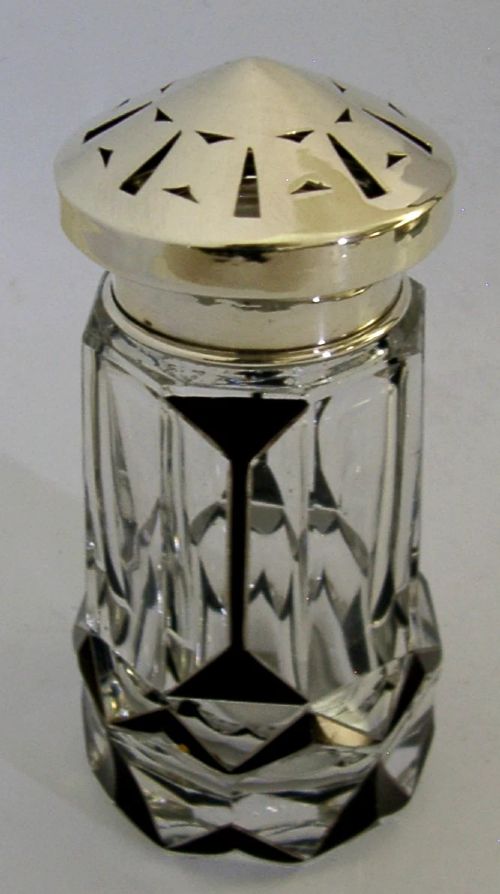
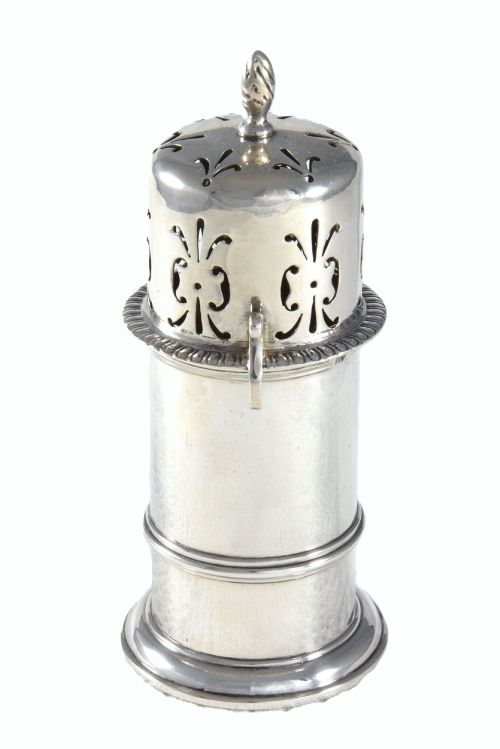
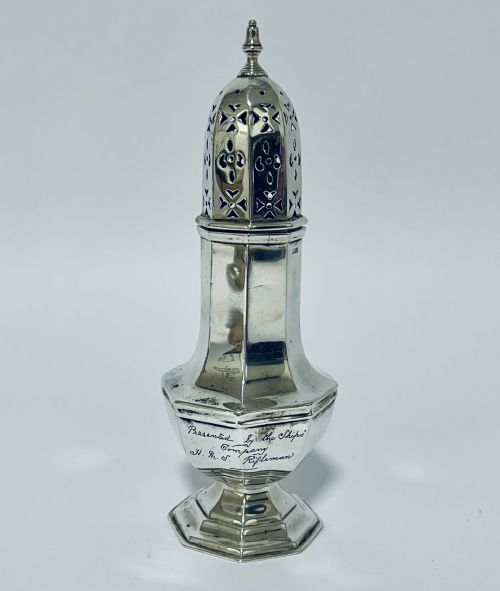
These pieces known as a pierced silver sifter span sugar casters, spoons, and bowls, bringing refined function to the dining table.
Pierced Silver Sifter
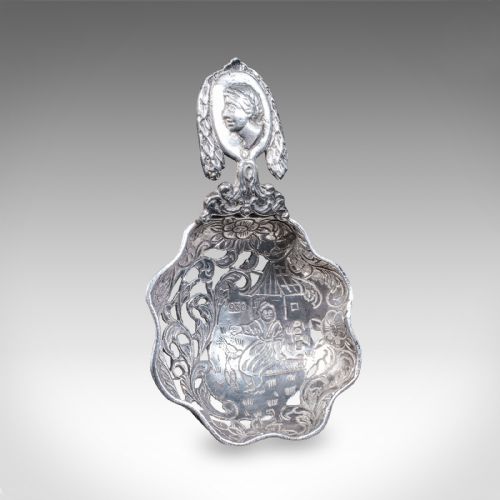
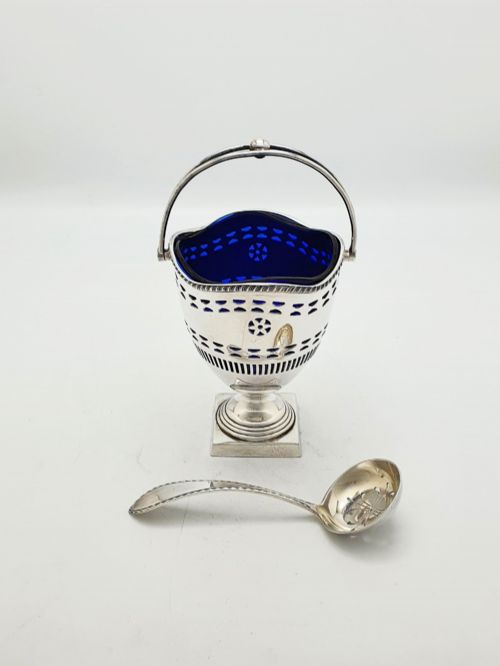
A pierced silver sifter encompasses sugar casters, spice sifting spoons, caddy spoons, and sugar bowls fitted with pierced spoons, which form the primary selection available here.
The objects originate across multiple periods, including the eighteenth century, the Georgian era, the Regency period, the Victorian era, and the Edwardian era.
Stylistic influences range from Flemish Baroque and French Restoration to Georgian Revival, showcasing diverse historical aesthetics in domestic serveware.
Materials and construction methods
Makers utilised sterling silver and standard silver alongside silver plate, shaping the primary bodies of the casters, bowls, and spoons.
Interior elements incorporate materials such as leather, velvet, and silk, particularly within fitted presentation cases for spoons and bowls.
Pierced Silver Sifter Retail Price Guide 2026
Typical asking prices for pierced silver sifter among the pieces listed under this phrase on Sellingantiques today, from the lower quarter to the upper quarter. They describe what is for sale here now, not the wider market.
Listings include sterling silver, silver plate, cobalt glass, and velvet across Georgian and Victorian periods.
Distinguishing quality in craftsmanship
The precision of the piercing work on spoon bowls and caster lids dictates the refinement of the piece, separating standard production from more ambitious examples.
The integration of secondary materials, such as contrasting glass liners and fitted leather or silk-lined cases, elevates the significance of surviving sets.
The Pierced Silver Sifter Glossary
- Caster
- A container with a perforated top used for sprinkling sugar or spices over food. These vessels stand upright on footed bases.
- Sifter spoon
- A spoon featuring a pierced bowl designed to dust powdered sugar or spices while leaving larger lumps behind. They appear frequently in Georgian and Victorian contexts.
- Caddy spoon
- A small spoon used for measuring loose tea leaves from a caddy into a teapot. Many examples from the Georgian period display intricate handle designs.
- Silver plate
- A base metal coated with a thin layer of silver. This technique offered an accessible alternative to solid sterling silver during the nineteenth century.
Pierced Silver Sifter: Frequently Asked Questions
What is a pierced silver sifter used for?
These pieces served primarily for dusting fine sugar or spices onto food and beverages using perforated bowls or caster tops. They became standard additions to formal dining and tea service.
Over time, their domestic role shifted from practical kitchen implements to decorative table accessories, particularly as sugar processing changed.
How do I date a silver sifter?
Dating relies on examining hallmarks stamped onto the metal, which indicate assay offices, reigning monarchs, and specific year ciphers. Stylistic cues also help place pieces within eras like the Georgian or Victorian periods.
Objects lacking full hallmarks require stylistic comparison with documented examples from similar workshops and decades.
Are glass liners original to the bowls?
Glass liners were manufactured specifically to fit the dimensions of open pierced silver bowls, protecting the metal from acidic contents. Cobalt glass and cranberry glass represent the primary colours found in these pairings.
Matching the contours of the glass to the interior of the pierced basket helps confirm the integrity of the ensemble.
How should I care for silver and glass?
Solid silver and silver plate require periodic gentle cleaning with appropriate polishes to maintain their finish and prevent tarnishing. Glass liners lift out easily for washing in warm soapy water.
Avoiding harsh abrasimwrite materials protects both the delicate piercing on the metal and the surface of the coloured glass.