





Pierced Carved Panels
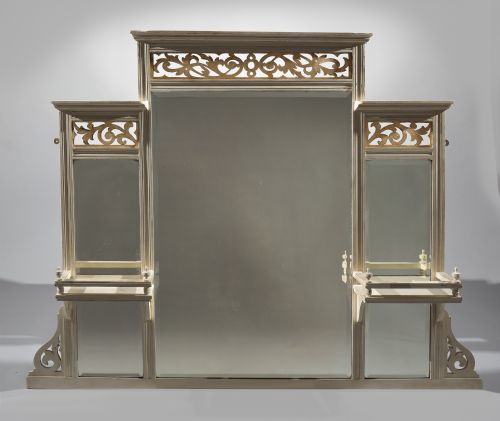
Pierced carved panels are intricate architectural and decorative wooden elements designed to let light and air pass through while displaying exceptional craftsmanship.
Pierced Carved Panels
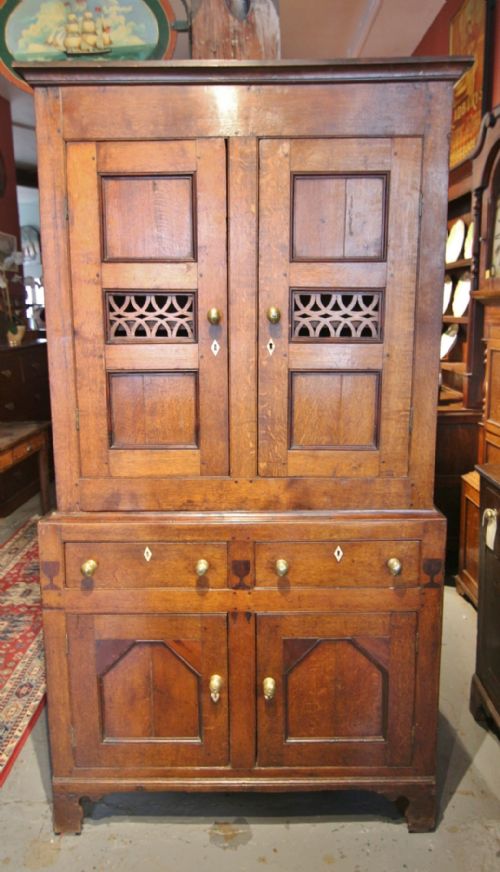
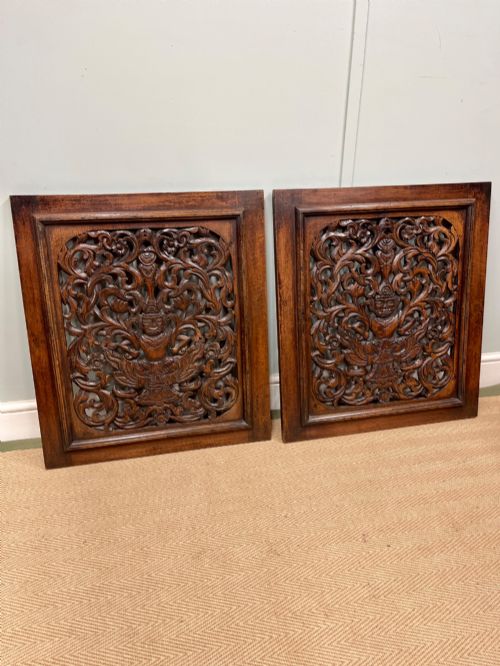
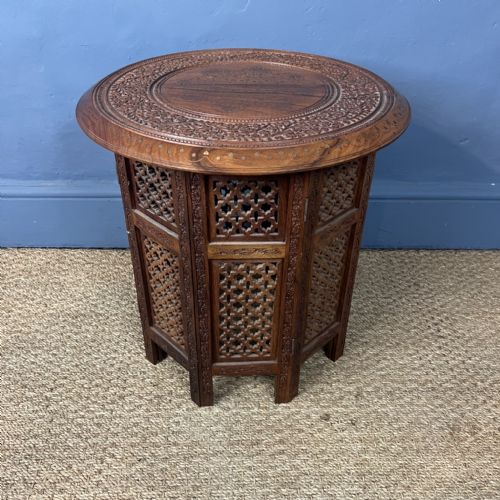
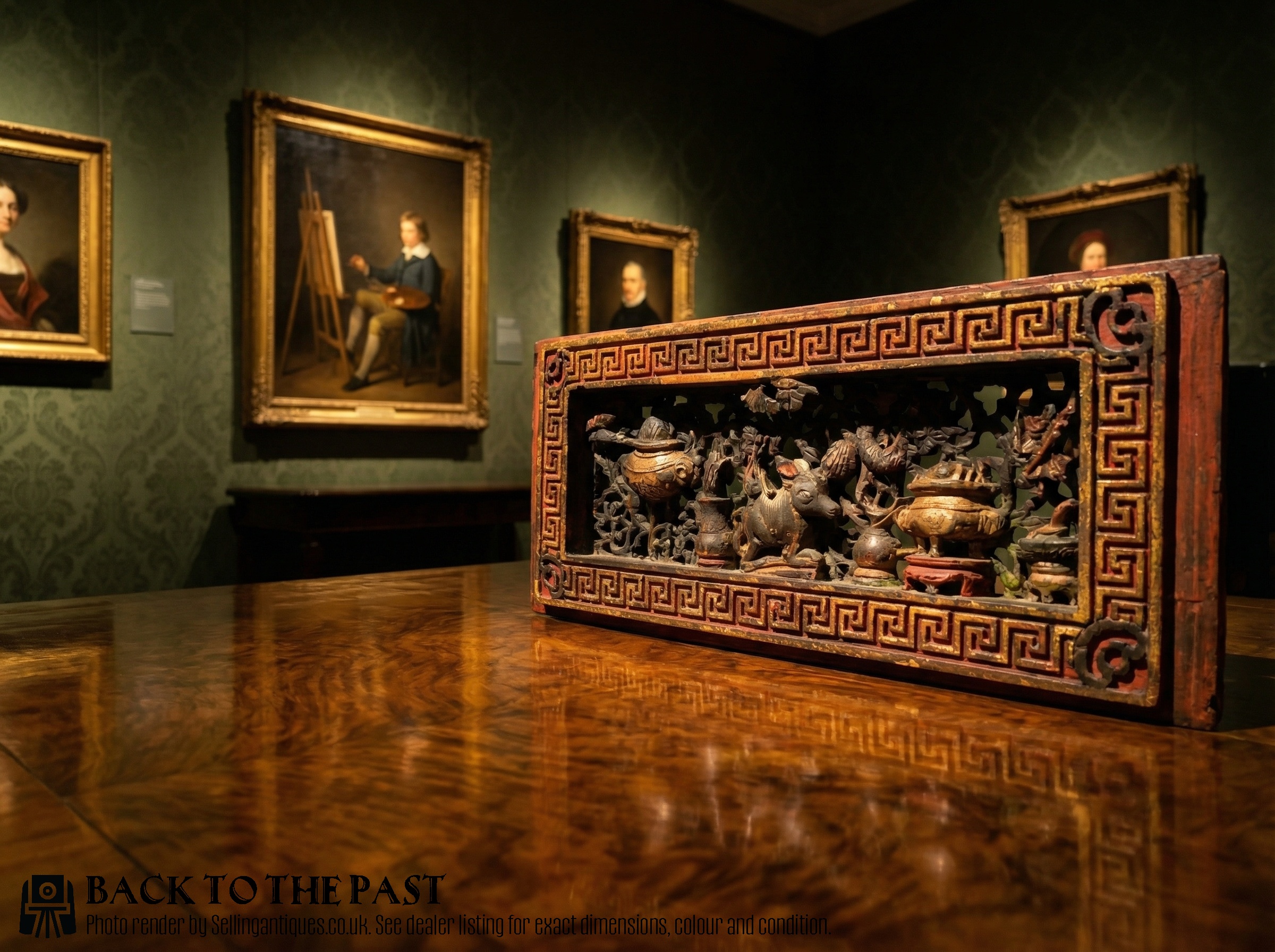
Pierced carved panels represent a diverse group of architectural salvage, wall plaques, and screens originating from various global traditions. When buyers search for pierced carved panels, they encounter items ranging from seventeenth-century English oak architectural elements to nineteenth-century Burmese and Chinese decorative works.
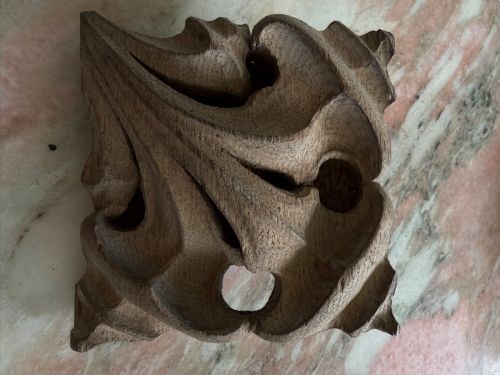
The selection includes architectural fragments such as ceiling bosses and overdoor panels alongside freestanding screens and wall plaques. These pieces serve primarily as decorative wall art, room dividers, or architectural elements integrated into historic interiors.
Originating across different periods including the seventeenth, eighteenth, and nineteenth centuries, these items reflect distinct regional woodworking traditions. Oak, teak, hardwood, and limewood feature predominantly among the surviving examples found on this page.
Materials and Construction
Makers utilised solid timbers such as oak, teak, padauk, and walnut, selecting dense woods capable of holding intricate, deep-relief carving without splintering. These materials were worked using specialised chisels and gouges to create openwork motifs where the background wood is entirely removed.
Construction techniques involved traditional joinery suited to architectural elements, wall panels, and screens. Certain items incorporate contrasting materials such as brass inlay, silk inserts, or parcel-gilt highlights to enhance the visual depth of the carved design.
The site listings feature items spanning the seventeenth century through to the 1930s, constructed from oak, teak, walnut, limewood, and padauk.
Assessing Quality and Execution
Quality in these items rests upon the depth, sharpness, and fluidity of the carving. Superior examples exhibit undercut foliage, crisp detailing in motifs like acanthus leaves, and confident handling of negative space in the pierced areas.
The choice of timber and the preservation of the original surface finish also determine the standing of a piece. Well-preserved seventeenth-century oak elements or finely articulated nineteenth-century hardwood plaques demonstrate superior workshop competency compared to simpler decorative productions.
The Pierced Carved Panels Glossary
- Pierced carving
- A woodworking technique where the design is cut completely through the thickness of the material to create an openwork pattern. This method allows light to pass through the decorative screen or panel.
- Ceiling boss
- A projecting architectural block placed at the intersection of ribs in a ceiling or vault. These decorative wooden elements often feature carved foliage or heraldic motifs.
- Overdoor panel
- A decorative wooden carving positioned immediately above a doorway. Seventeenth-century examples frequently display baroque foliage and substantial proportions.
- Hardwood
- Timber derived from broad-leaved deciduous trees, distinct from conifers. Materials such as teak, padauk, and walnut provide the dense substrate necessary for intricate carving.
- Table screen
- A small decorative screen supported by a stand, often incorporating carved wooden frames and delicate inserts such as silk embroidery. These objects historically graced desks and tables in scholarly interiors.
Pierced Carved Panels: Frequently Asked Questions
How were pierced carved panels used historically?
Historically, these panels functioned as architectural elements within buildings, serving as overdoor decorations, ceiling bosses, or ventilation screens in domestic and public spaces. They allowed air circulation and filtered light while dividing interior areas or embellishing walls.
Freestanding or table-top versions also acted as portable room dividers, privacy screens, or decorative table displays within nineteenth-century studies and parlours.
How do I date a carved wooden panel?
Dating relies on examining the timber species, tool marks left by the maker, and stylistic indicators associated with periods such as seventeenth-century English Baroque or nineteenth-century Qing Dynasty production. Oak timbers and deep, heavy relief carving often point to earlier centuries.
Secondary materials, joinery methods, and regional motifs help narrow down the specific decade or century of manufacture.
How should I display a wall panel at home?
Wall panels require secure fixings suited to their weight and the specific composition of your wall, particularly for dense hardwoods and thick oak architectural salvage. Placing them against a plain background allows the intricate openwork shadows to become a focal point.
Ensuring stable room humidity protects the dry timber from splitting while maintaining the structural integrity of the delicate pierced sections.
What is the difference between oak and teak panels?
Oak panels typically originate from European traditions, featuring robust architectural motifs like acanthus leaves and heavy structural framing from the seventeenth and eighteenth centuries. These pieces reflect vernacular and baroque stylistic developments.
Teak panels commonly connect to Asian or Anglo-Indian traditions, utilising dense tropical hardwoods suited to fine, intricate openwork and frequently incorporating contrasting brass inlay or specialised joinery.