
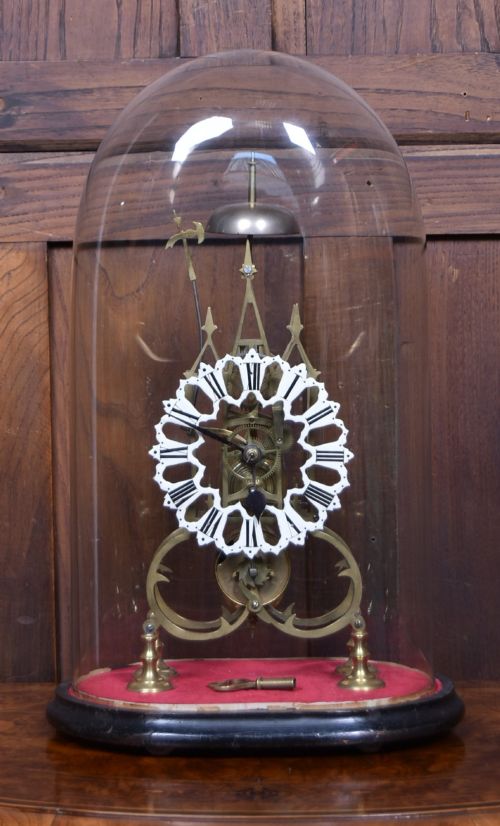
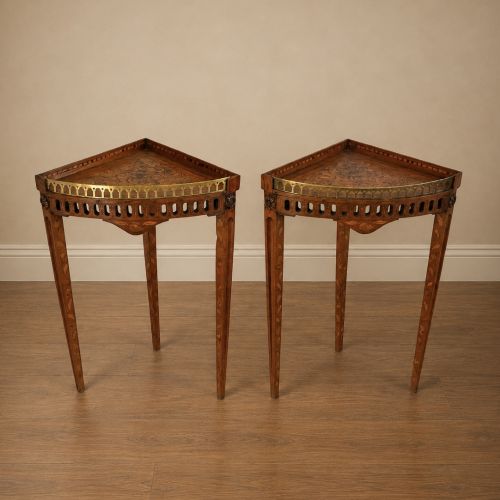
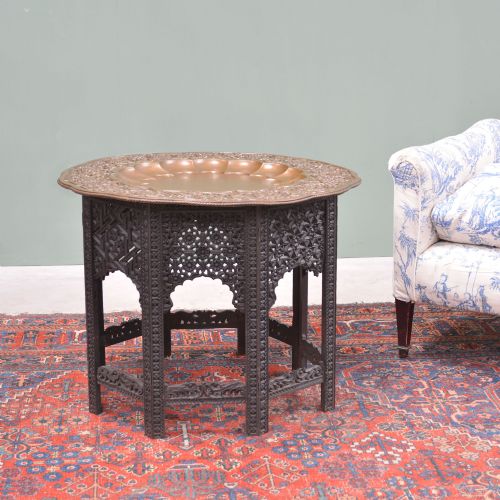
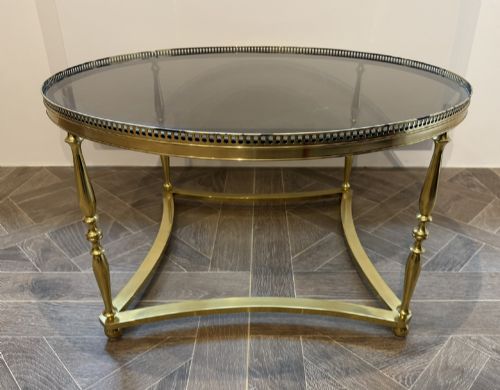
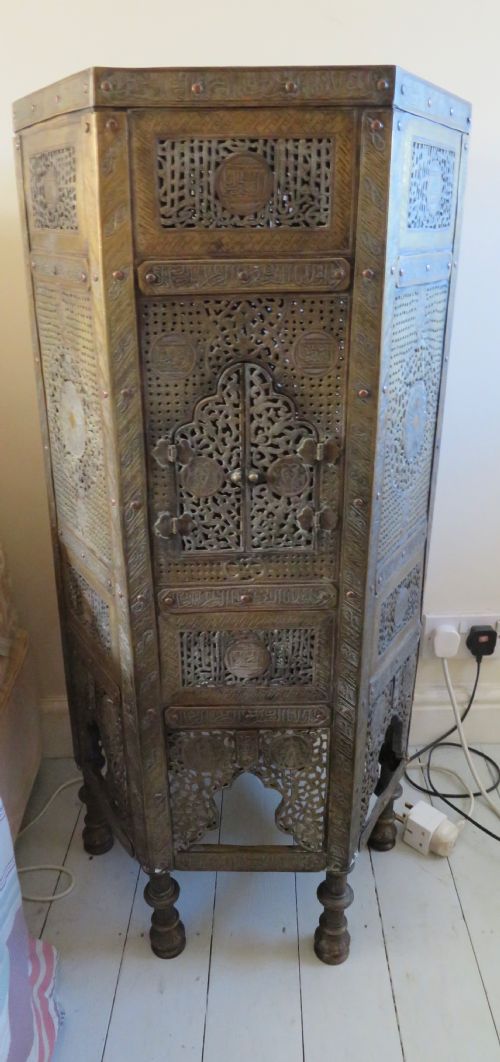


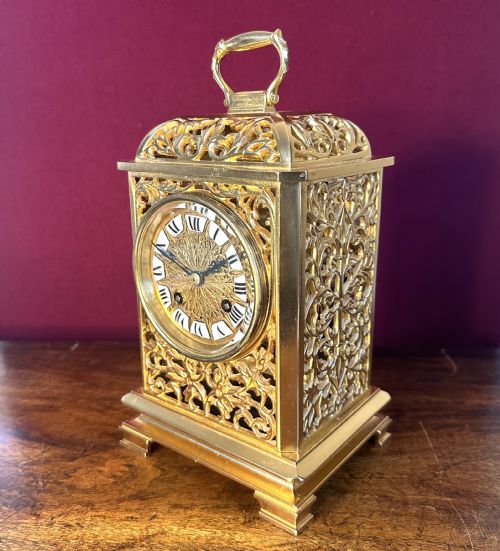


Pierced Brass Table
You are looking at a pierced brass table, a striking furnishing that brings intricate metalwork and exotic design into a room.
Pierced Brass Table
A pierced brass table combines solid metalwork with openwork designs, creating decorative surfaces that often reflect global influences from the nineteenth and early twentieth centuries.
The selections on this page encompass various forms such as occasional tables, coffee tables, and tray-top pieces, alongside related items featuring brass inlay and galleries.
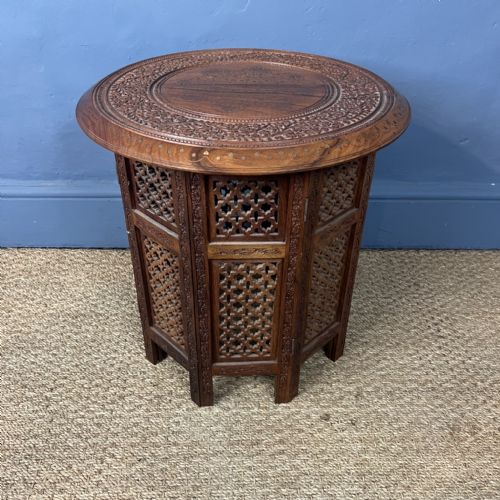
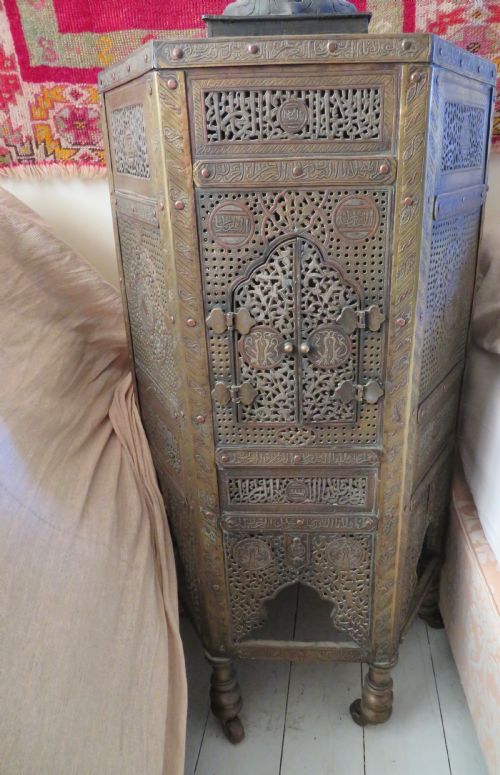
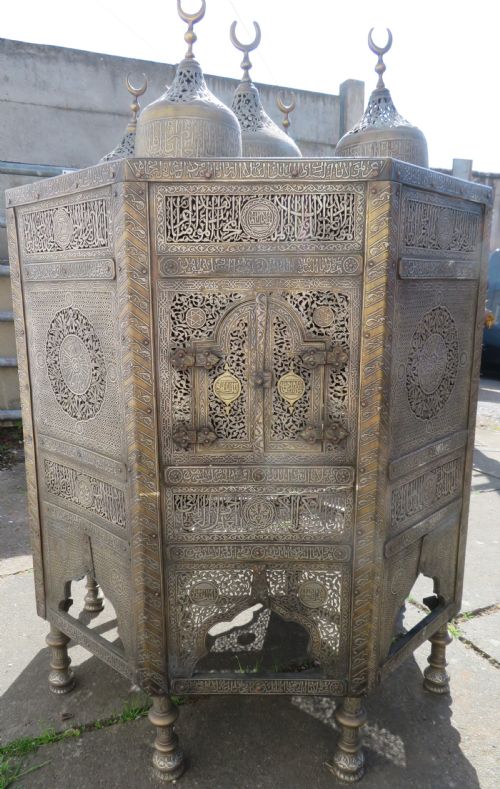
Many examples stem from Anglo-Indian craftsmanship or Egyptian Cairo ware traditions, utilising teak or other woods alongside heavily worked metal.
How they were made
Makers shaped sheet brass through intricate piercing, chiselling, and openwork techniques, sometimes combining the metal with copper, white-metal, or silver and gold inlays.
Wooden frames, particularly in teak or ebonised wood, frequently supported these ornate metal tops, while folding bases allowed for practical dismantling.
Other variations incorporated cast brass elements alongside glass, marble, and mirror plates to form complex structural surfaces.
Listings feature items from the 18th Century, 19th Century, and early decades up to 1930, utilising brass, copper, teak, marble, and kingwood.
What varies in quality
The depth and precision of the hand-piercing and chasing set individual pieces apart, distinguishing deeply sculpted work from shallower stampings.
The integrity of the structural timber, such as solid teak or kingwood, alongside the tightness of inlay work, dictates the durability of each piece.
Overall design cohesion between the metal top and its supporting base, whether folding or stationary, marks the distinction between standard and exceptional examples.
The Pierced Brass Table Glossary
- Cairo ware
- Metalwork vessels and furniture originating from Egypt, typically inlaid with silver, copper, and gold against a brass ground. These pieces often display intricate Islamic or geometric motifs.
- Hoshiarpur
- A region in India renowned for its detailed woodwork and brass inlay. Tables from this tradition typically feature dense botanical or geometric patterns across wood and metal.
- Kursi
- A low occasional table or stand, often hexagonal or octagonal in shape. They frequently appear in Cairo ware and Anglo-Indian contexts as Quran stands or display tables.
- Ebonised
- Wood treated to imitate ebony, giving it a deep black finish. This technique often provides dark contrast to bright brass inlay.
Pierced Brass Table: Frequently Asked Questions
What is a pierced brass table?
A pierced brass table is a small furnishing featuring metalwork that has been cut through to create decorative open patterns. These pieces frequently incorporate wood or serve as folding tray stands.
They appear across various nineteenth and early twentieth-century traditions, including Anglo-Indian workshops and Egyptian Cairo ware production.
How do I date a brass inlaid table?
Dating relies on examining the construction methods of the supporting wood, such as teak or kingwood, alongside the style of the metalwork. Pieces marked by specific revival periods or regional trade influences often point to late nineteenth or early twentieth-century manufacture.
Archival examples on this page show distinct transitions from Victorian Gothic and Neoclassical designs towards 1920s and 1930s modernist or orientalist forms.
Where were these tables made?
Many pierced brass tables originate from British India, particularly centres like Hoshiarpur known for intricate inlay and pierced woodwork. Others derive from Middle Eastern workshops producing Cairo ware for European markets.
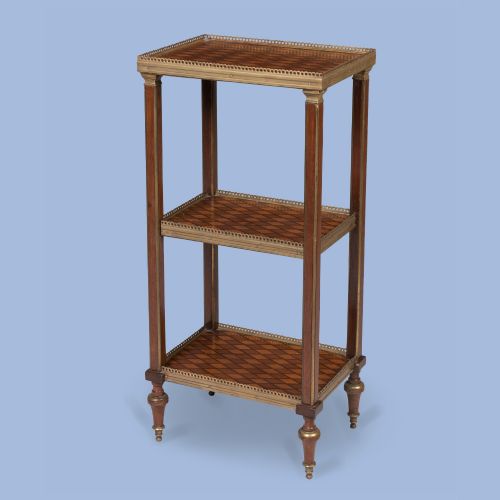
European makers also produced tables in various revival styles, incorporating brass galleries and cast mounts during the nineteenth century.
How do I care for a brass table?
Maintaining these tables involves regular dusting with a soft cloth to prevent grime accumulation within the pierced openings. Avoid harsh chemical polishes that can strip the natural patination from the brass and damage surrounding woods.
Keep the timber elements conditioned appropriately for your room's humidity to protect the integrity of the inlay work.