

Pier Wall Mirror
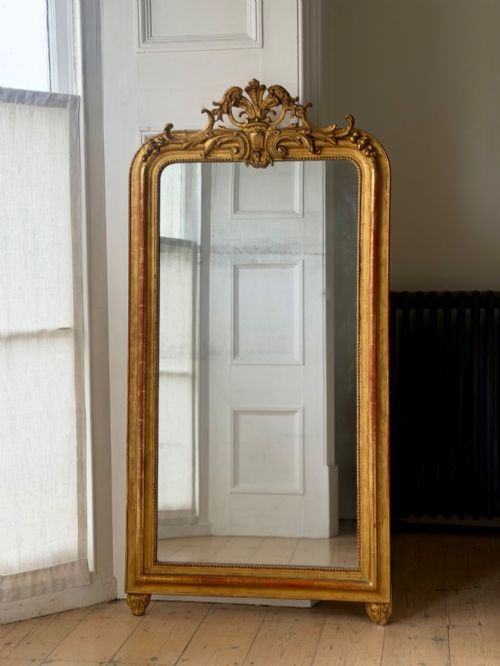
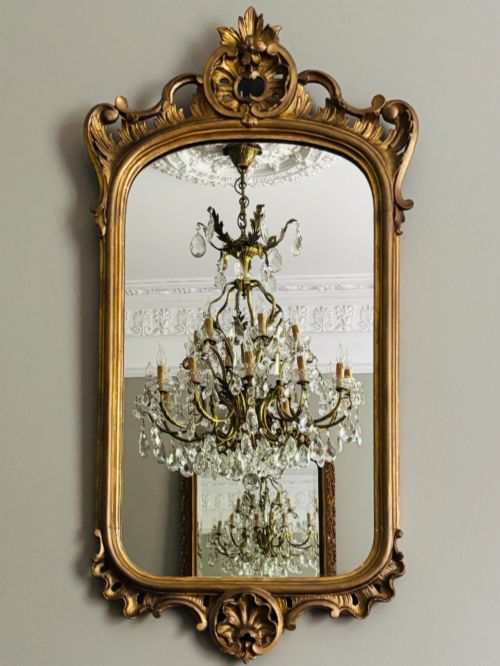
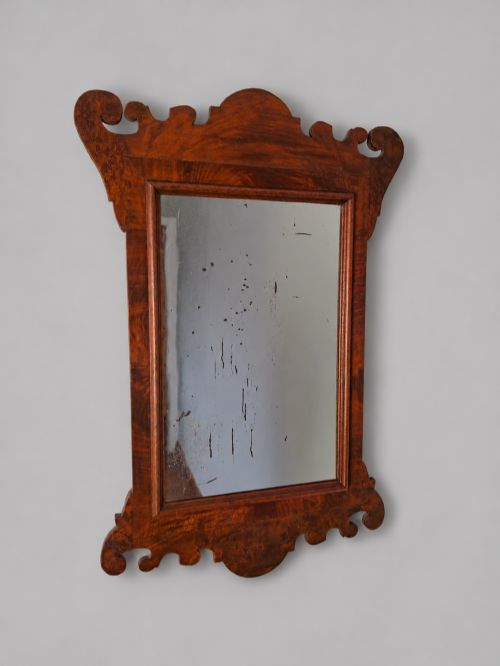
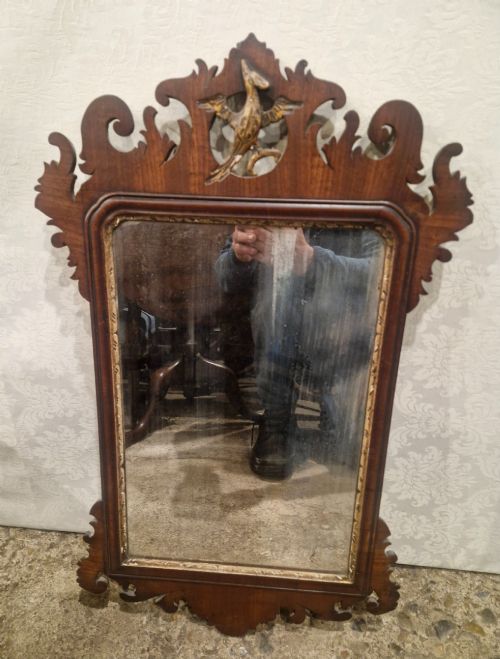
These pier wall mirror examples span centuries of design, offering grand reflective surfaces that bring light and depth into period rooms.
Pier Wall Mirror
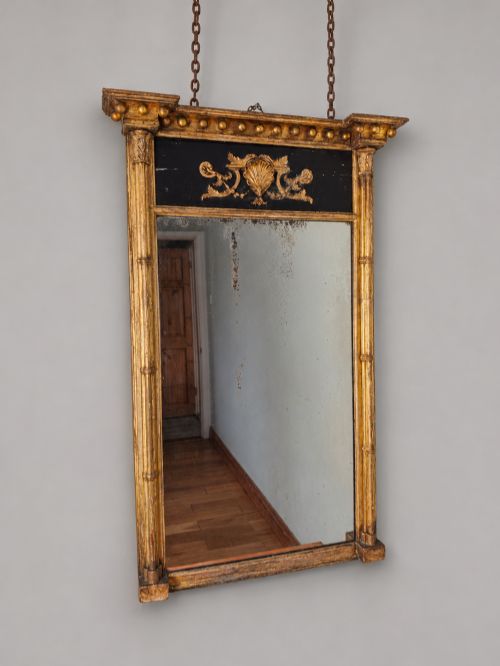
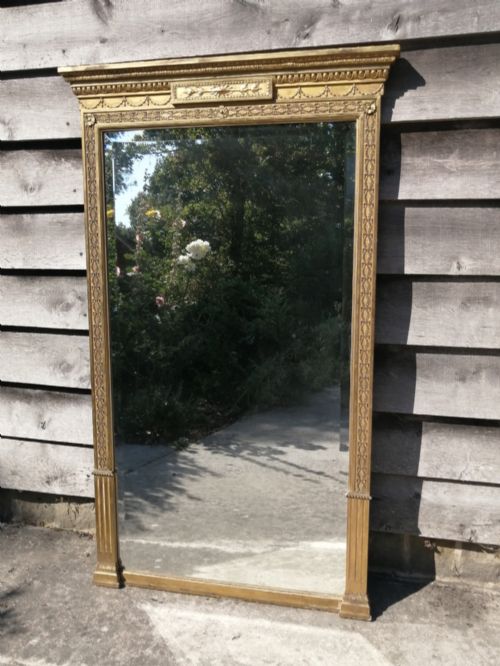
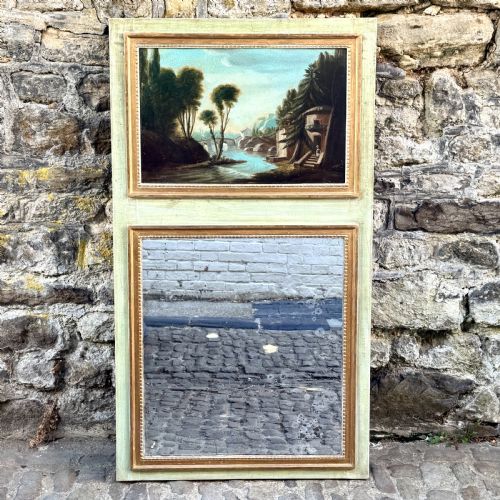
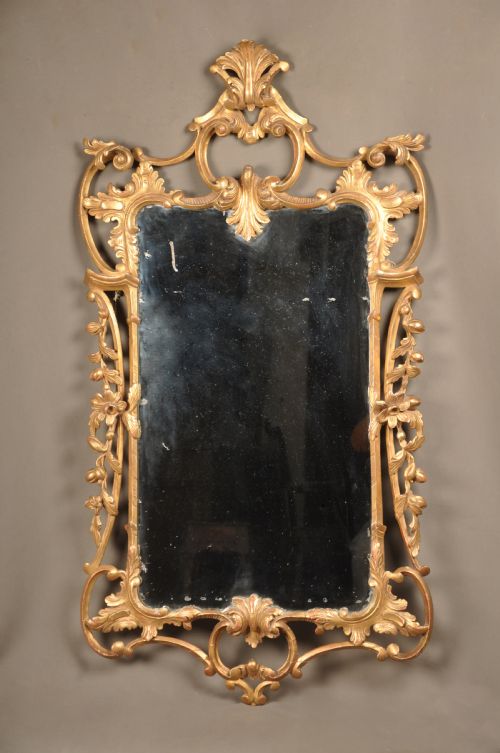
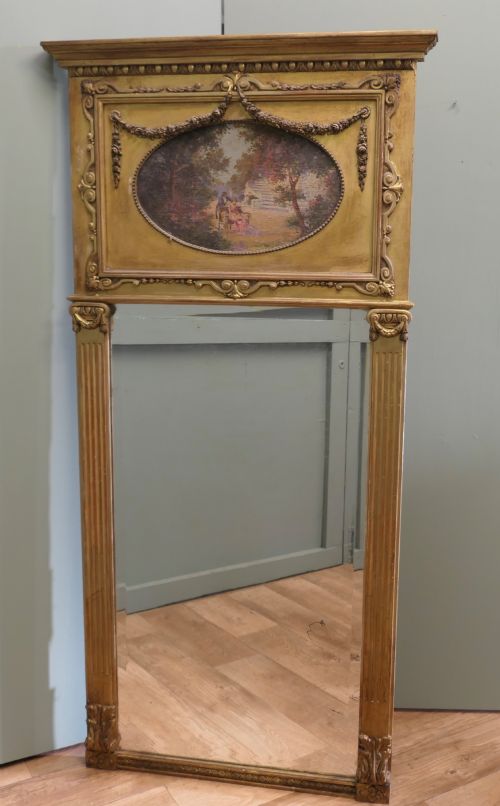
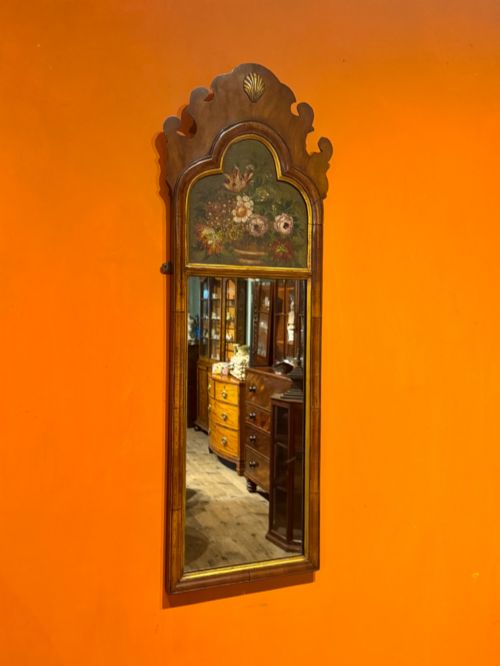
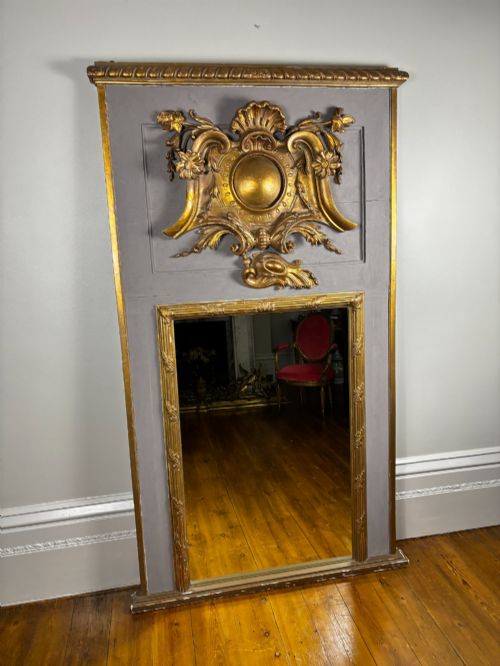
A pier wall mirror sits typically between windows on the narrow section of wall known as the pier, designed to bounce natural light around historic drawing rooms. The pieces gathered here range from restrained Georgian and Regency formats to ornate French Rococo Revival and Louis XVI style trumeau panels.
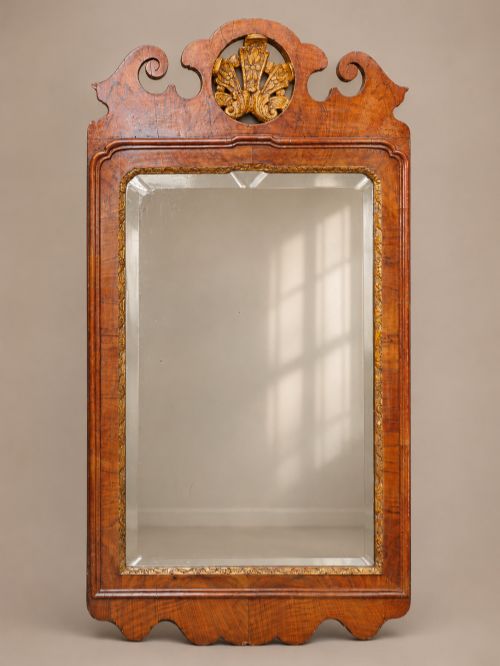
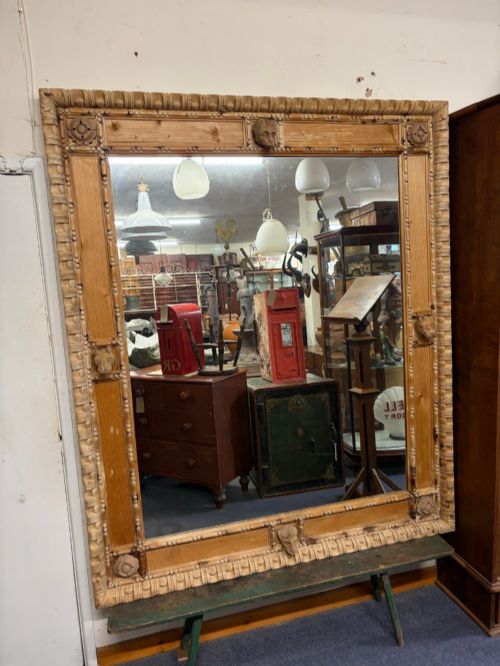
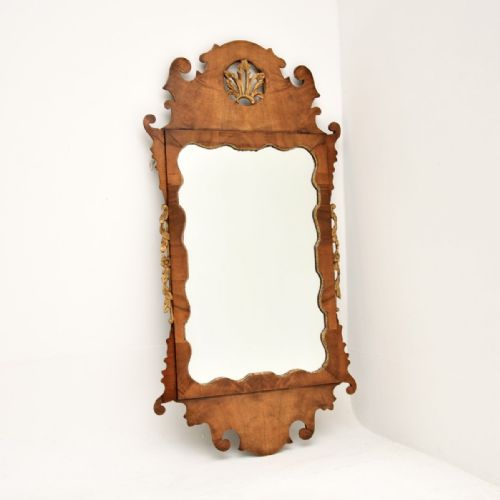
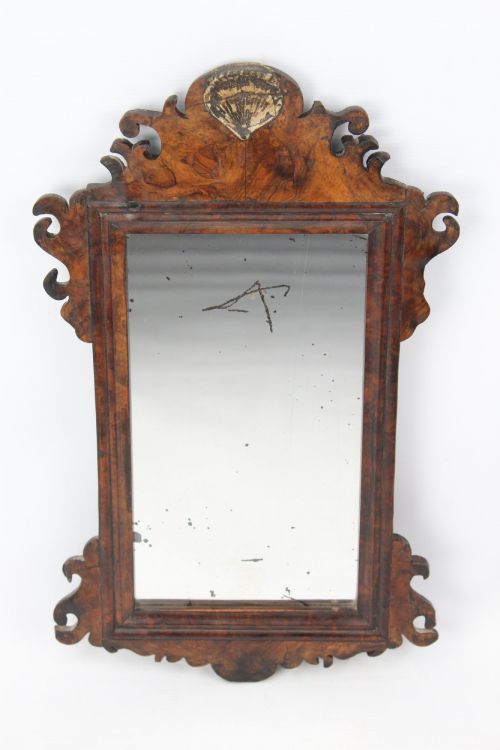
Most examples date from the eighteenth and nineteenth centuries, taking the form of tall wall mirrors, console table combinations, or carved giltwood frames. Buyers encounter everything from petite burr walnut fretwork models to massive pine and giltwood creations designed to dominate a formal reception space.
Materials and Construction
Craftsmen built these frames using traditional timbers such as pine, walnut, and oak, often applying layers of gesso to create crisp relief ornament before gilding with gold leaf. Carved giltwood and decorated paintwork define the surfaces of formal pieces, while specialised glass plates provide the reflection.
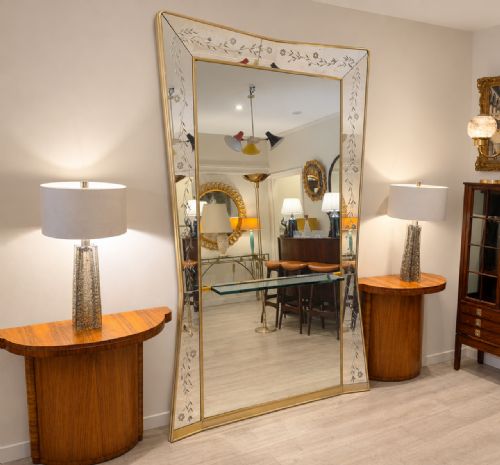
Many elaborate mirrors incorporate composition ornament moulded over wooden substrates, alongside integrated painted panels depicting pastoral scenes or historical portraits. Venetian examples utilise etched glass techniques to add intricate decorative detail directly onto the mirror plate.
Pier Wall Mirror Retail Price Guide 2026
Typical asking prices for pier wall mirror among the pieces listed under this phrase on Sellingantiques today, from the lower quarter to the upper quarter. They describe what is for sale here now, not the wider market.
Watch for limewood animal heads peering unexpectedly from nineteenth century mouldings.
Factors of Quality
Quality rests in the crispness of the hand-carved detail across the wood or gesso, where sharper, deeper carving separates superior workshops from routine production. The preservation of original mercury or silvered mirror plates and untouched contemporary gilding distinguishes better examples.
Proportion and architectural harmony dictate the success of a piece, with finer proportioned fretwork frames and balanced trumeau compositions commanding greater attention. The integration of high-level decorative elements, such as hand-painted panels or specialised animal carvings, elevates specific specimens above standard designs.
Gillows Of Lancaster
The Pier Wall Mirror Glossary
- Giltwood
- Wood carved and coated with gold leaf. This finish defines the most formal eighteenth and nineteenth century frames.
- Trumeau
- A decorative wall mirror incorporating an integrated painted panel or oil painting above the glass. These originate largely from French interior design traditions.
- Fretwork
- Thin wood panels pierced with ornamental patterns using a scroll saw. Georgian and Regency makers applied this technique extensively to lighter wall mirrors.
- Gesso
- A plaster mixture applied to wooden frames as a smooth base for subsequent gilding or paint. Artisans carved intricate details directly into this ground layer.
- Pier glass
- A tall mirror specifically proportioned to hang on the narrow pier of wall between two windows. It maximises interior daylight reflection.
Pier Wall Mirror: Frequently Asked Questions
Where should I hang a pier wall mirror?
Historically, these mirrors belong on the narrow wall space between two windows to maximise light and create symmetry in a formal room. Today, they work equally well above mantelpieces, console tables, or as focal points in entrance halls.
Ensure the wall construction supports the considerable weight of timber and glass, particularly with larger nineteenth century giltwood examples.
How do I distinguish an 18th-century mirror from a later revival?
Examine the construction methods at the back of the frame, where hand-cut timbers, older fixings, and oxidized backing boards indicate age. Revival pieces often display machine-tooled elements and heavier, uniform composition mouldings.
The glass plates themselves frequently show subtle distortions, foxing, or bevels characteristic of period manufacturing techniques.
What does trumeau mean in a mirror description?
A trumeau refers to a decorative architectural mirror that incorporates an oil painting or painted wood panel directly into the upper section of the frame. Originating in French interiors, these pieces combined art and reflection into a single wall-mounted unit.
The painted subjects often feature pastoral landscapes, nautical scenes with galleons, or historical figures.