

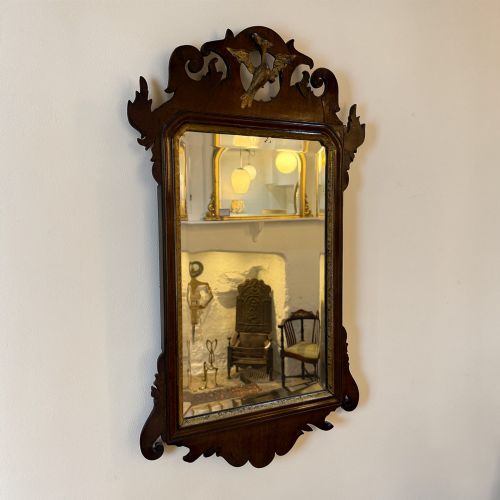
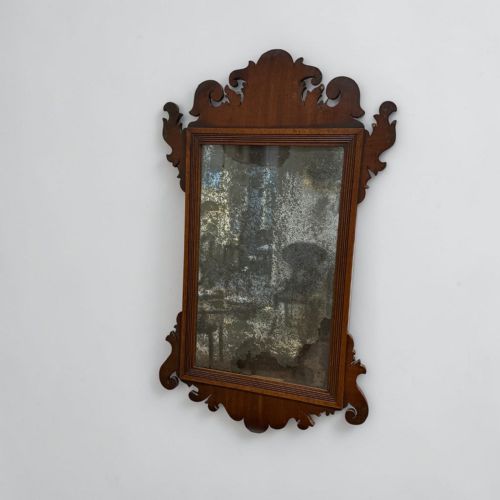
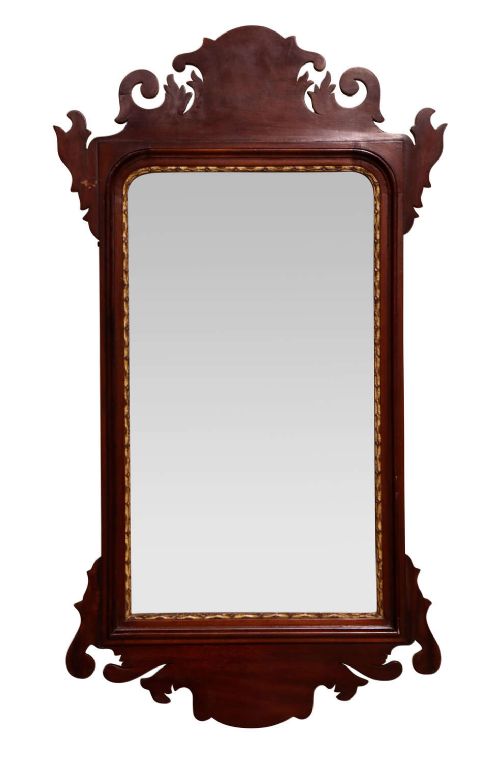
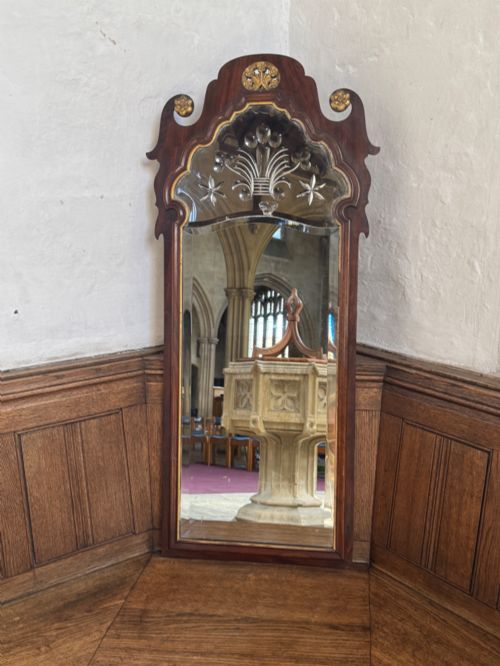
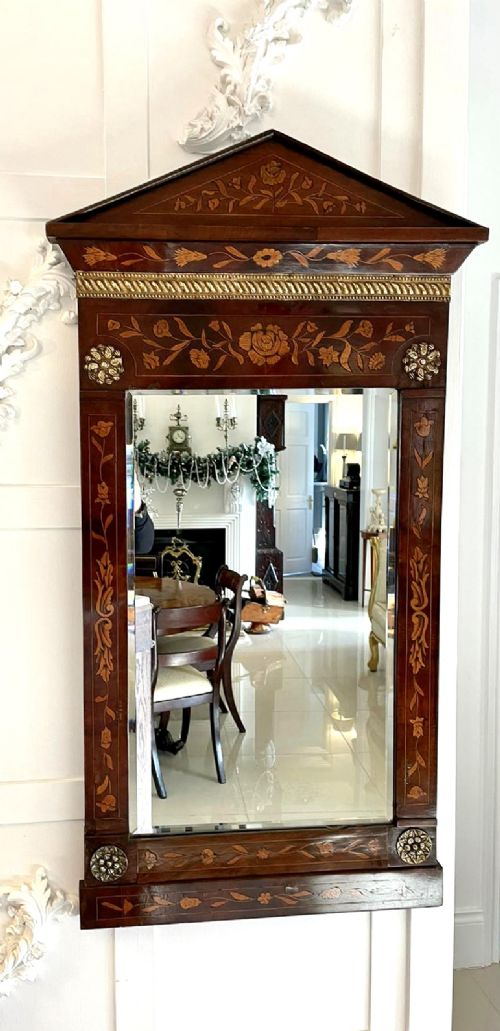
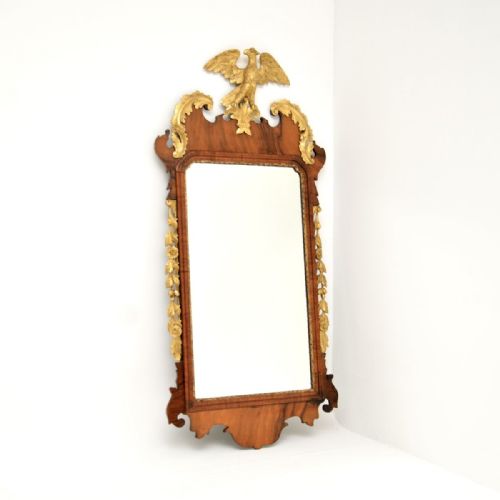
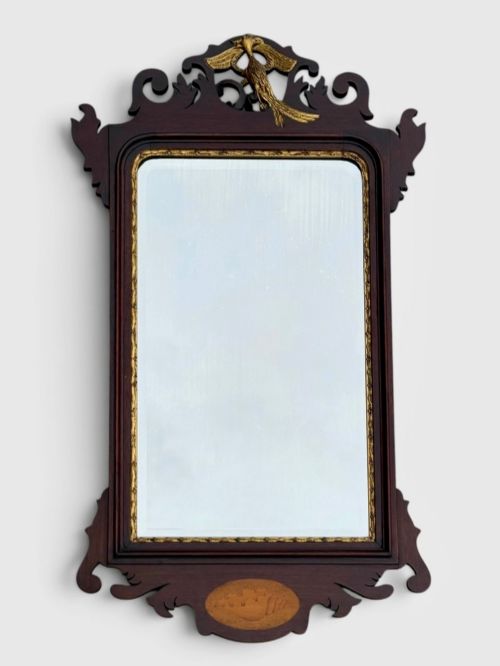
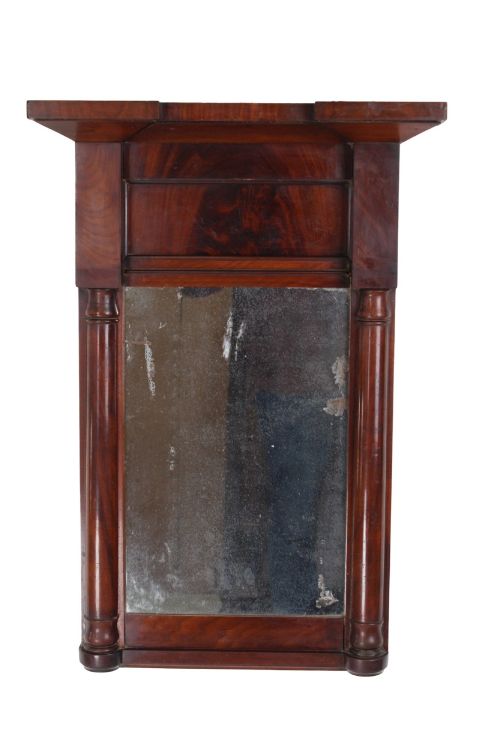
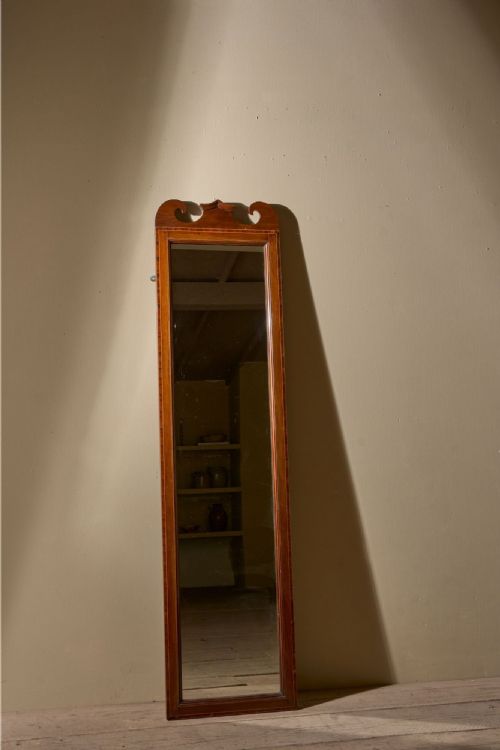

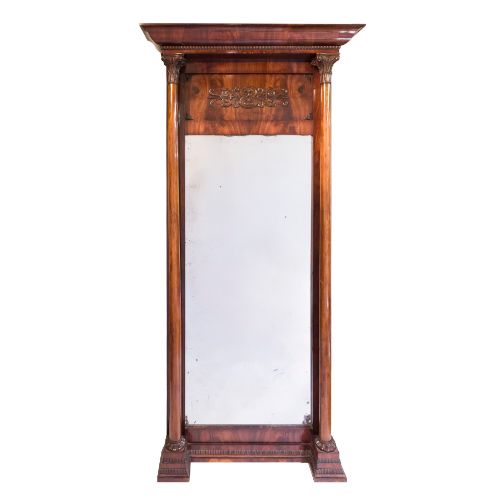
Pier Wall Mirror Mahogany
These pier wall mirror mahogany pieces bring vertical presence and rich timber warmth to a room, exactly what a collector needs for architectural balance.
Pier Wall Mirror Mahogany
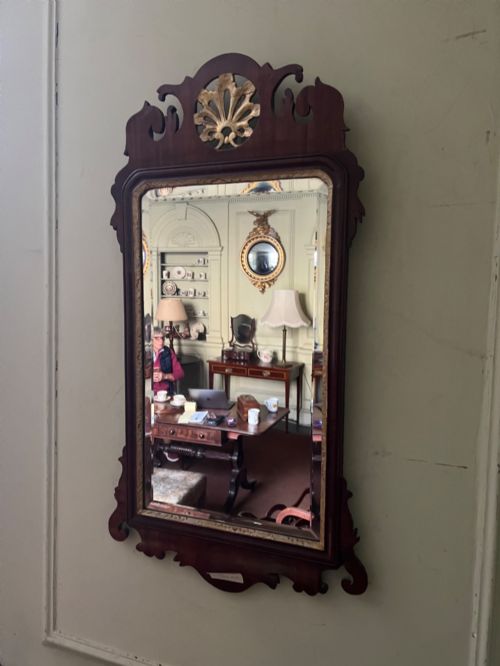
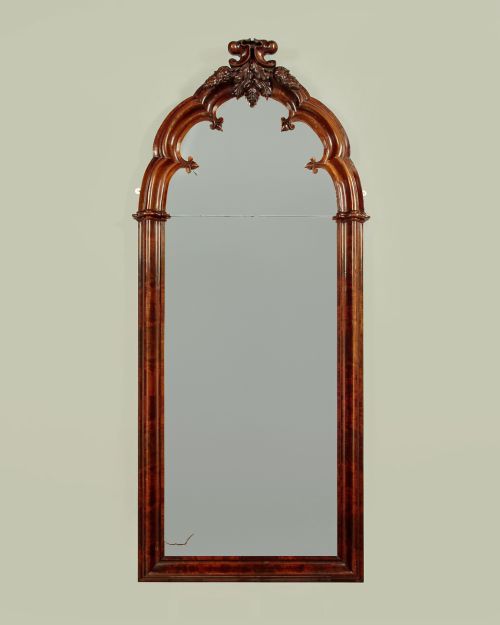
A pier wall mirror mahogany selection centres on vertical hanging glasses designed to fit the narrow wall space between windows. The examples found here span from Georgian and Regency eras through to Victorian revivals, offering both tall hanging mirror plates and console table pairings.
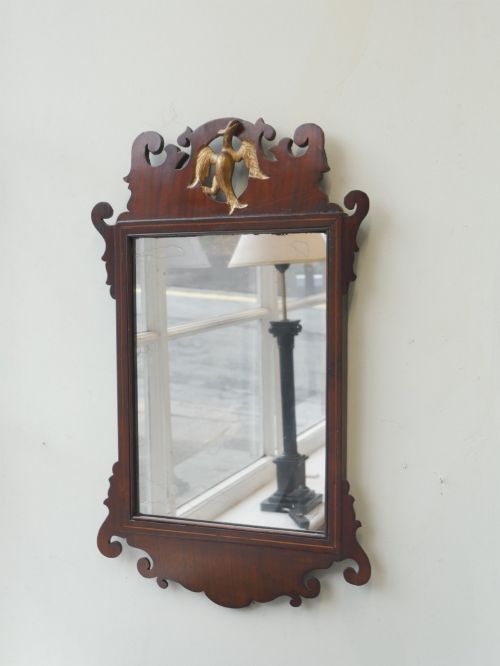
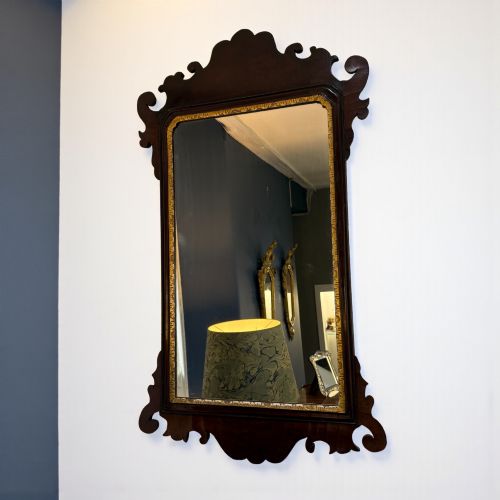
Most pieces date across the eighteenth and nineteenth centuries, utilising classic timber grains and architectural proportions. Buyers encounter everything from fretwork frames with parcel gilt details to grand console combinations intended for principal reception rooms.
Materials and construction
Makers utilised solid mahogany and flame mahogany veneer over secondary softwoods, shaping frames with intricate fretwork or classical mouldings. Parcel gilt highlights and gold leaf embellishments often accent the rich brown timber tones.
Mirror plates consist of traditional silvered glass, sometimes featuring reverse cut plates or divided sections held within rebated timber frames. Brass fixings and structural pine backing boards support the heavy glass plates safely.
Pier Wall Mirror Mahogany Retail Price Guide 2026
Typical asking prices for pier wall mirror mahogany among the pieces listed under this phrase on Sellingantiques today, from the lower quarter to the upper quarter. They describe what is for sale here now, not the wider market.
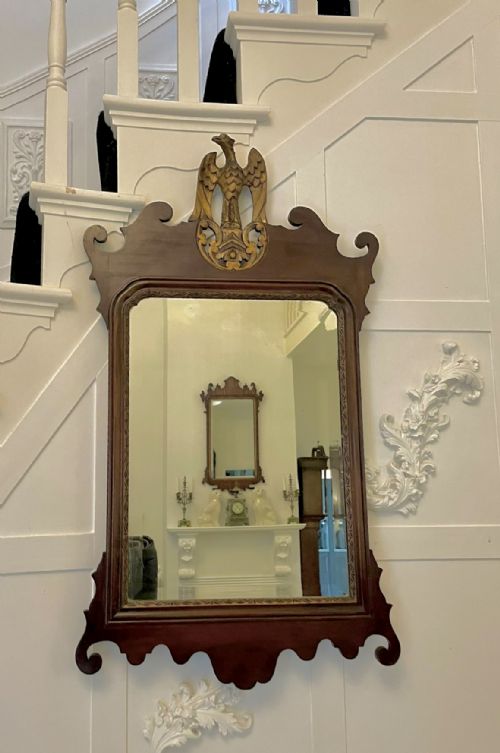
Some eighteenth-century frames include lively bird carvings perched atop the fretwork, watching over the room with silent wooden concentration.
Judging quality and craftsmanship
Quality rests upon the crispness of the hand-carved details, such as the depth of foliage scrolls and the fidelity of fretwork patterns. Finer examples display superior timber selection with highly figured flame mahogany veneers and crisp parcel gilt enrichment.
The integrity of the original mirror glass and the depth of the timber patination dictate the standing of a piece. Superior workshops achieved harmonious proportions where the weight of the frame balances the reflective surface.
The Pier Wall Mirror Mahogany Glossary
- Pier mirror
- A tall vertical glass specifically made to hang on the narrow pier of wall between two windows. These pieces often coordinate with matching console tables placed directly below them.
- Parcel gilt
- A decorative technique where selected carved details are partially gilded with gold leaf while the surrounding mahogany remains visible. This contrasts the warm brown timber with bright metallic highlights.
- Fretwork
- Openwork ornamentation cut from thin boards using a fret saw, creating geometric or scrolling patterns. Georgian frames frequently employ this technique along their outer borders.
- Vauxhall plate
- An early mirror glass characterised by a deep bevel along the edge, produced using historic bevelling methods. Collectors look for these plates as an indicator of period authenticity.
- Flame mahogany
- A veneer cut from the fork of the mahogany tree where branches meet the trunk, producing a distinctive flickering flame pattern. Cabinet makers used this figuring on prominent display surfaces.
Pier Wall Mirror Mahogany: Frequently Asked Questions
Where should I hang a pier mirror?
These tall glasses work best between two windows or above a narrow sideboard, reflecting natural light deep into the room. Their vertical proportions elongate the wall space and draw the eye upward.
Ensure the wall construction supports the combined weight of the heavy timber frame and glass plate. Secure fixings into structural studs or masonry rather than plaster alone.
How do I clean old mirror glass?
Wipe the glass gently with a soft microfibre cloth slightly dampened with distilled water or a mild vinegar solution. Avoid spraying liquid directly onto the glass to prevent moisture seeping behind the silvering.
Keep moisture away from the historic wooden frame and any gold leaf sections during cleaning. Dry the glass immediately with a clean cloth to prevent spotting.
Are these mirrors heavy to hang?
Solid mahogany frames combined with thick historical glass plates create a substantial weight that requires robust wall fixings. Professional installation using appropriate load-bearing brackets ensures the piece hangs securely.
Check the stability of the timber frame joints before hanging to make sure the structure bears the weight of the glass safely.
How do I date a mahogany frame?
Examine the timber species, construction joints, and backboards for tool marks characteristic of specific periods like the Georgian or Victorian eras. Hand-cut screws and aged pine backing boards often provide reliable clues to age.
Compare the carving style and gilding technique against established historical examples to confirm the period. Fretwork patterns and edge bevelling also change across the eighteenth and nineteenth centuries.