

Pier Glass
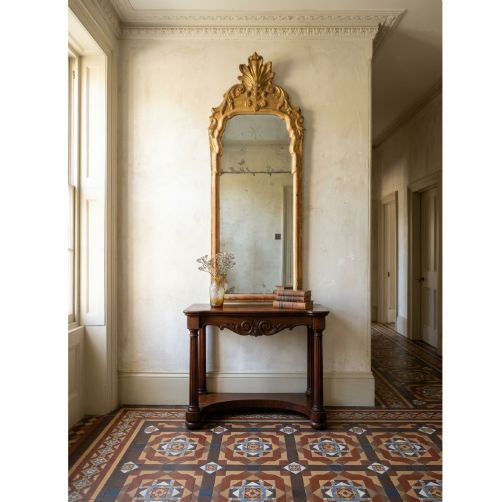
A pier glass brings light deep into a room, hanging tall and narrow between two windows where the architecture leaves little room.
Pier Glass
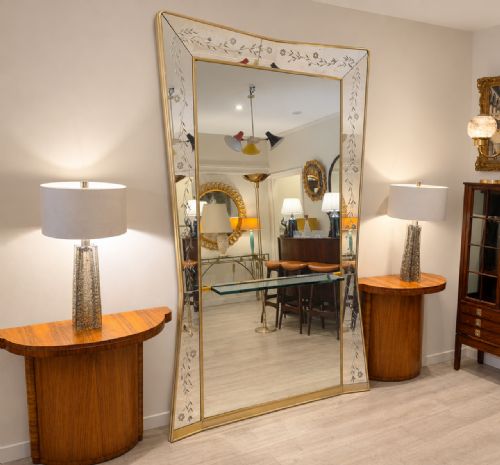
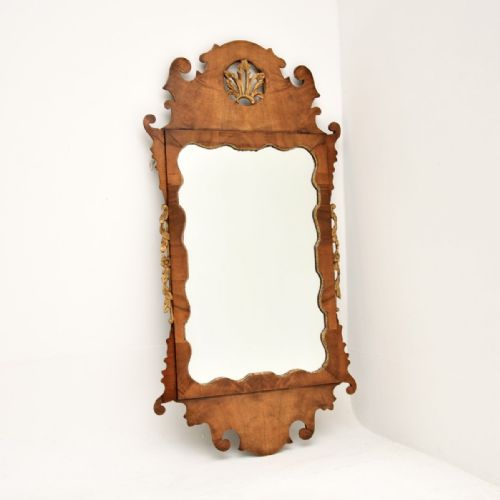
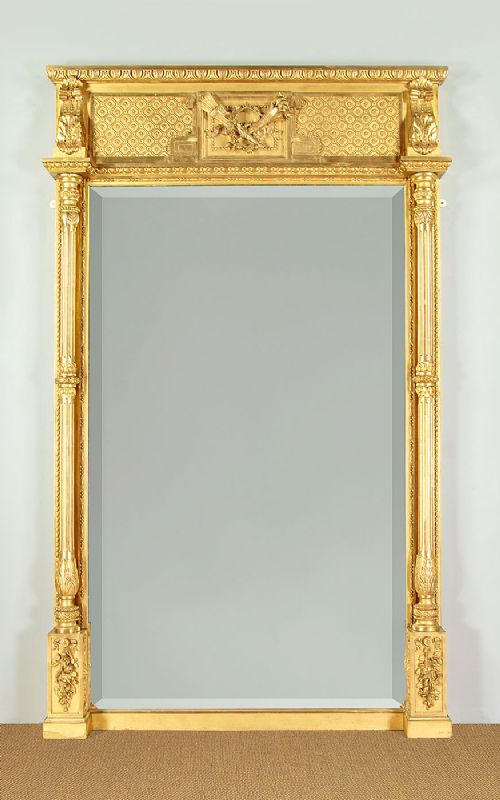
A pier glass is a tall, narrow mirror designed specifically to hang on the wall space between two windows, reflecting daylight back into the interior. These pieces frequently appear in forms from the 18th century, Regency, and Victorian periods, often paired with matching console tables or cabinets.
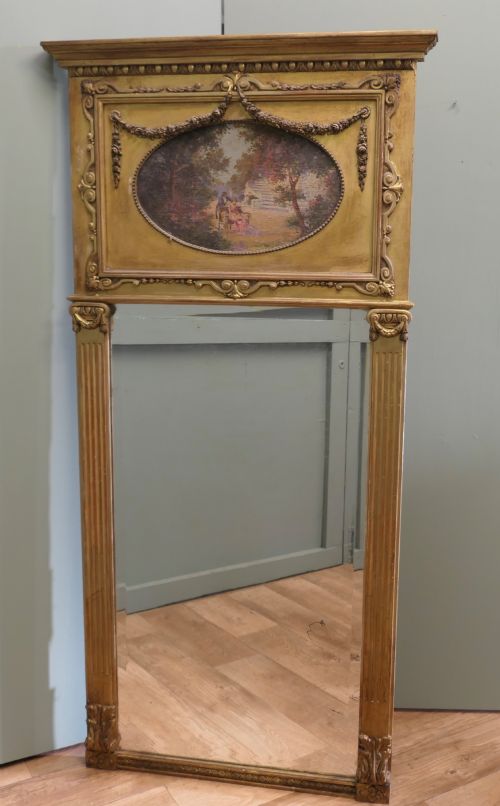
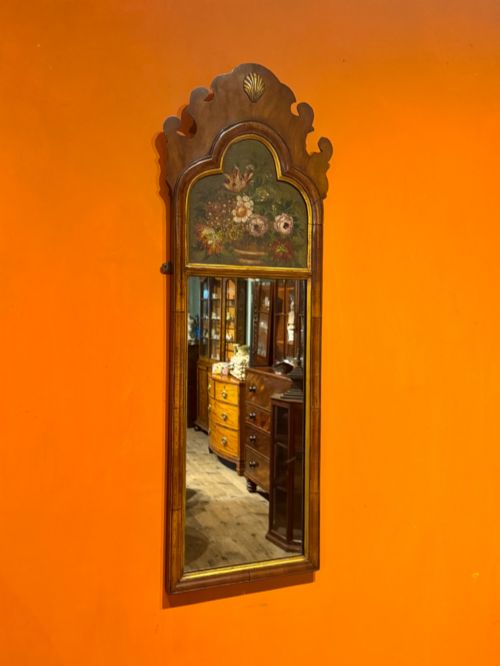
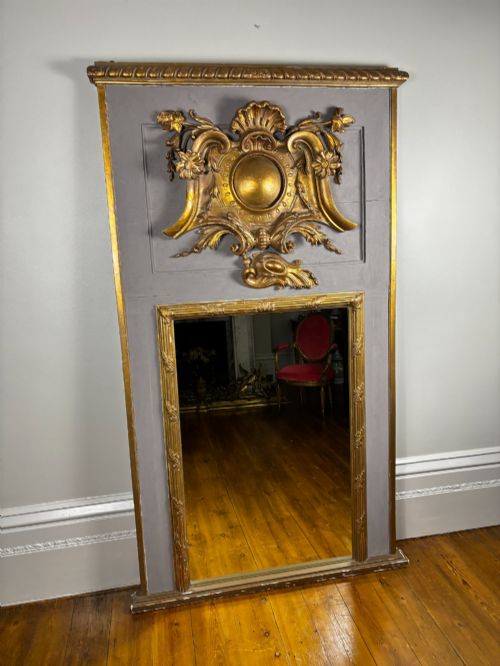
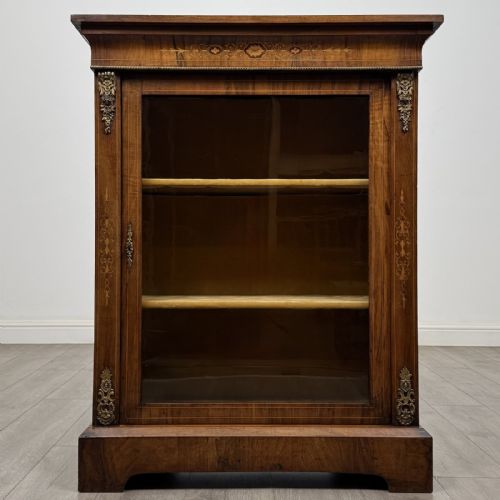
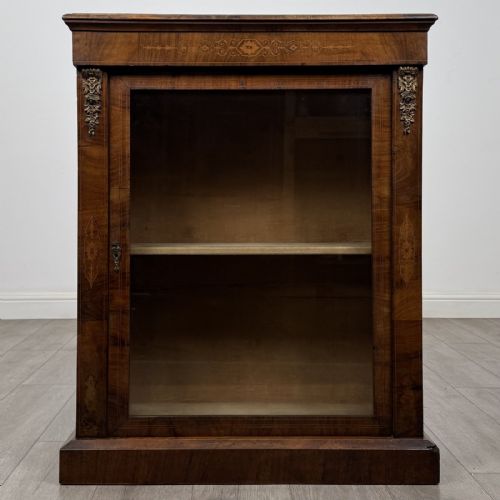
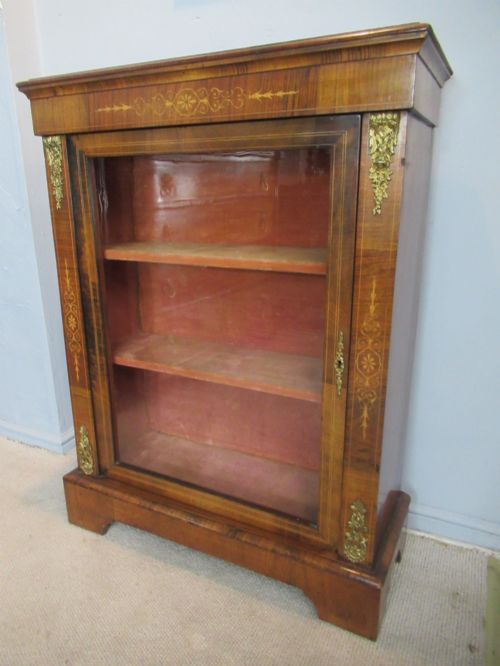
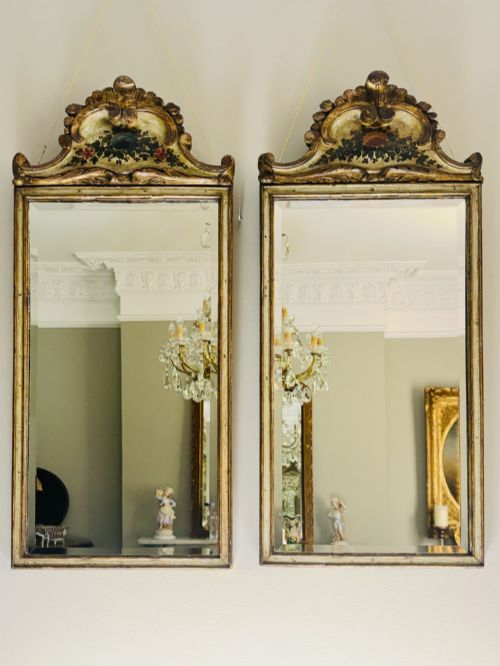
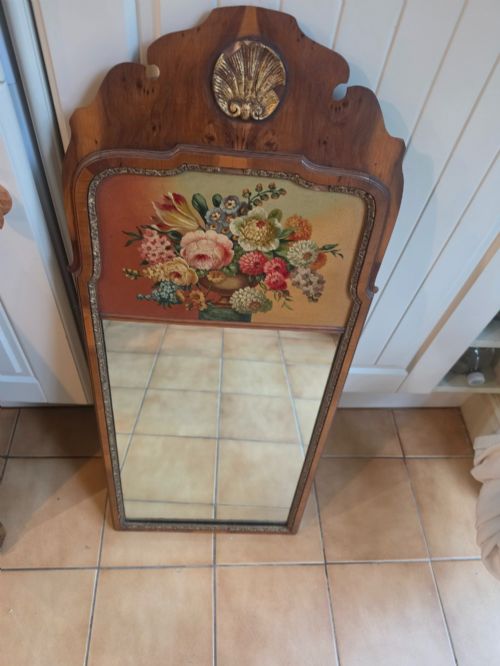
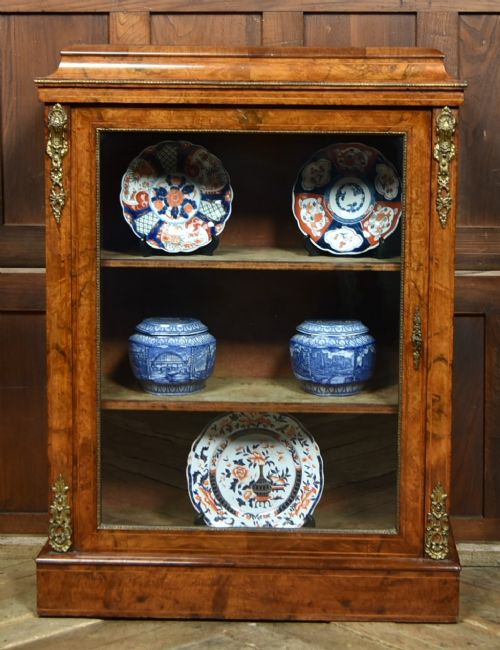
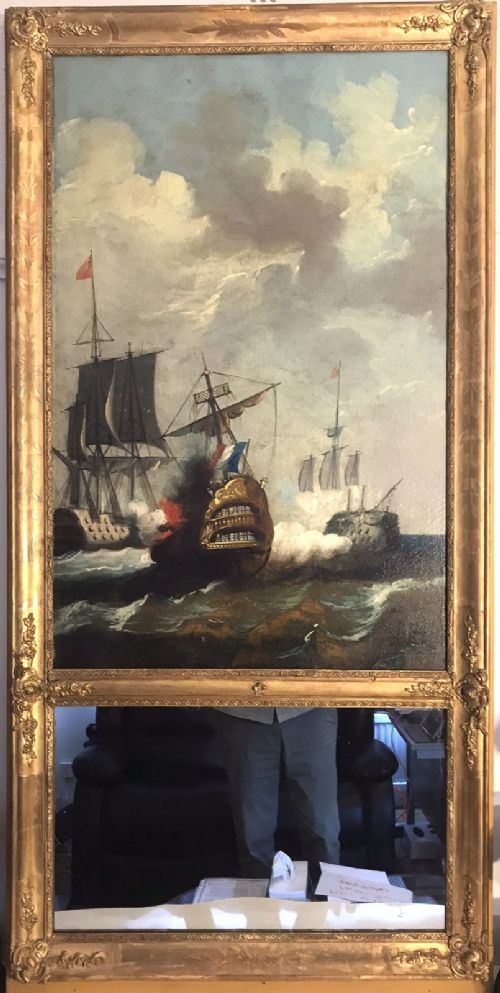
Beyond mirrors, the inventory also encompasses related pier cabinets and display cabinets in walnut and mahogany. Buyers encounter architectural trumeau mirrors incorporating painted panels or oils alongside gilded wooden frames.
Materials and Construction
Frames are constructed from timber such as walnut and mahogany, heavily gilded with gold leaf or shaped using gesso on carved wood. Artisans applied carved details, fretwork, and rope carvings to define the borders of the glass.
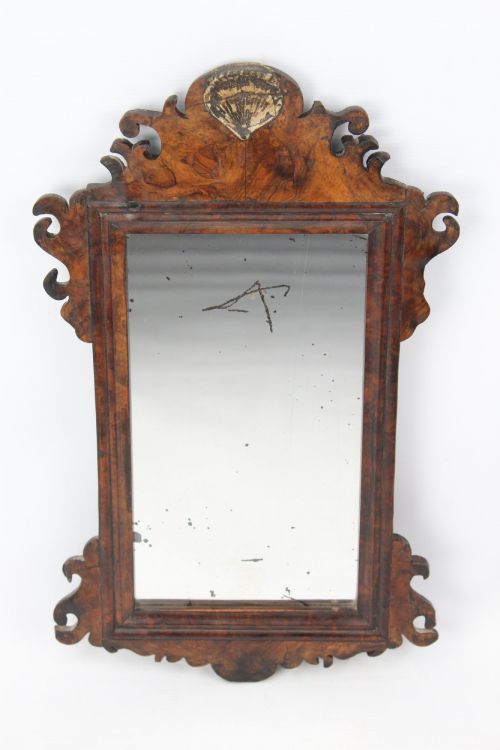
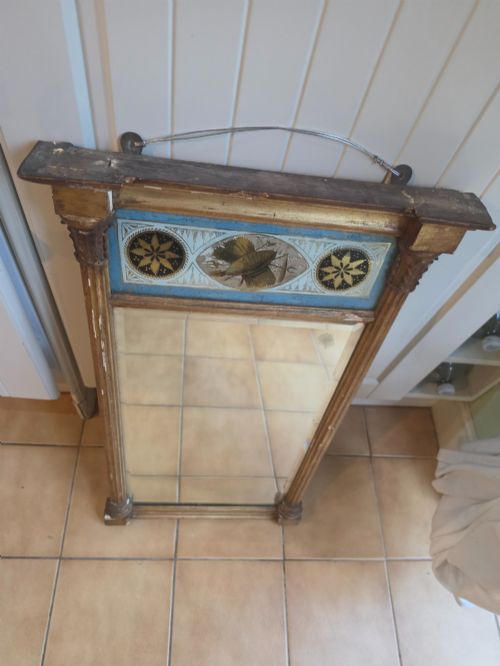
The glazing relies on antique mirror glass, sometimes showing foxing or incorporating etched designs and verre eglomise panels. Cabinets and consoles integrate velvet linings, gilt mounts, and glazed doors alongside the primary woodwork.
Pier Glass Retail Price Guide 2026
Typical asking prices for pier glass among the pieces listed under this phrase on Sellingantiques today, from the lower quarter to the upper quarter. They describe what is for sale here now, not the wider market.
Listings span the 18th, 19th, and early 20th centuries, featuring materials from giltwood and gesso to walnut and painted wood.
Assessing Quality
Quality rests in the crispness of the original carved gesso and the depth of the gilding on the wood. Pieces with undisturbed original surfaces and untouched foxed mirror plates hold greater integrity than those with heavy restoration.
Finer examples demonstrate refined proportions, particularly in fretwork and architectural pediments, matching the stylistic demands of their specific period from George II to the French Rococo Revival.
The Pier Glass Glossary
- Pier glass
- A tall wall mirror traditionally hung on the narrow pier of wall between two windows. It maximises light reflection in formal reception rooms.
- Gesso
- A plaster-like mixture applied to wood frames to provide a smooth surface for gilding and intricate carving. It allows crisp, sharp decorative details.
- Verre eglomise
- A cold decoration technique where designs are gilded and painted on the reverse of glass panels. This method appears on Regency and later mirrors.
- Trumeau
- A decorative wall panel containing a painted scene or mirror glass within a carved frame. These originate primarily from French interior design traditions.
- Foxing
- Age-related spots and discoloration within the silvering of antique mirror glass. It forms naturally through chemical oxidation over long periods.
Pier Glass: Frequently Asked Questions
Where should I hang a pier glass?
Traditionally, these mirrors hang on the narrow wall space between two windows to bounce natural light across the room. They also function effectively above a console table or fireplace.
Because of their tall, vertical proportions, they draw the eye upward and suit rooms with high ceilings without dominating the floor plan.
What is the difference between a pier glass and an overmantle mirror?
Pier glasses are built with tall, narrow dimensions to fit specific wall spaces between windows or architectural openings. Overmantle mirrors are broader and wider, designed specifically to sit horizontally above a fireplace mantelpiece.
While both utilise similar gilded or wood frames, their proportions dictate entirely different placements within a period interior.
How do I care for antique mirror glass?
Dust the carved frame gently with a soft brush and avoid spraying cleaning products directly onto the glass surface. Moisture can seep behind the silvering and accelerate the deterioration of the plate.
Use a dry or barely damp microfibre cloth for the glass, taking care not to disturb original foxing or fragile gilt edges.
How can I tell the period of a mirror frame?
Dating relies on stylistic markers such as the heavy gilding and Rococo curves of 18th-century pieces versus the crisp architectural lines of the Regency era. Examining the backboards, fixings, and the composition of the gesso provides further clues to the manufacturing decade.
Carving techniques and timber choices, particularly the shift from walnut to mahogany and later giltwood, align closely with specific historical decades.