




Pictorial Wall Hanging
A pictorial wall hanging brings centuries of woven artistry into a room, offering rich narrative scenes rendered in wool, silk, and cotton.
Pictorial Wall Hanging
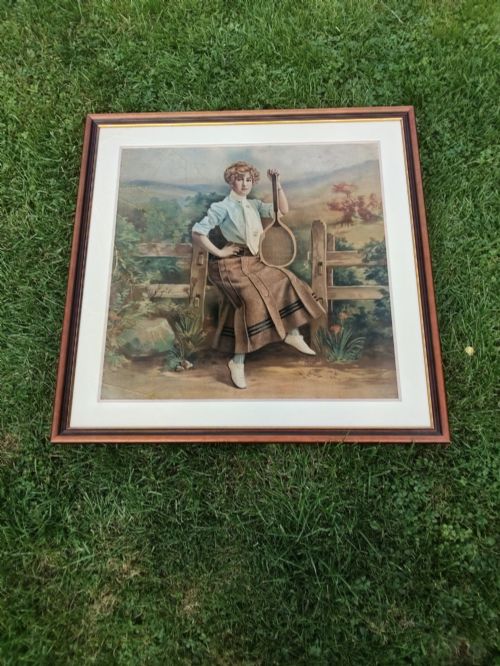
When searching for a pictorial wall hanging, collectors encounter a diverse array of antique textiles, ranging from grand Flemish renaissance panels to detailed Persian pictorial rugs and framed needlework. The examples found here span multiple centuries, showcasing traditional forms such as tapestries, woven textile panels, and decorative rugs adapted for display.
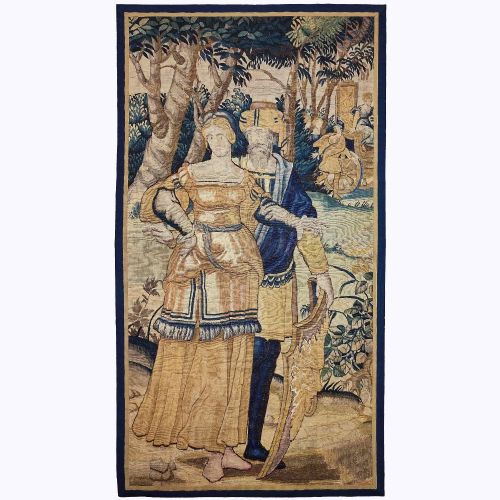
The sixteenth century is represented by Flemish and North German tapestry fragments depicting complex figurative scenes, while later periods offer French needlework and Persian Kashan rugs. Buyers frequently meet nineteenth-century gros point needlework and twentieth-century pictorial carpets depicting historical figures and pastoral narratives.
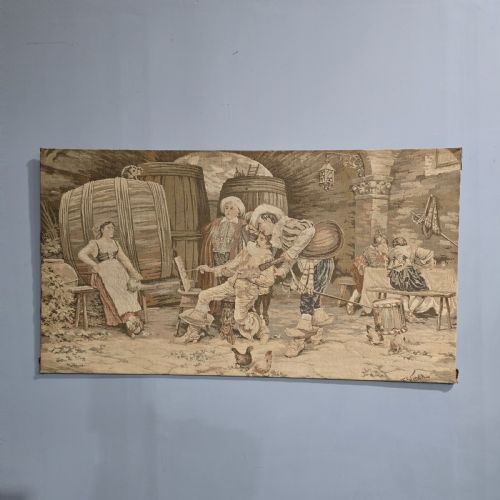
Object types vary from large wall-mounted tapestries and framed canvas artworks to smaller mats and cushion covers repurposed for wall display. Each piece shares a narrative focus, transforming flat walls into textured canvases of historical design.
Materials and construction techniques
These pieces rely heavily on natural fibres such as wool, silk, cotton, and linen, spun and dyed to achieve lasting colour and depth. Artisans employed complex weaving and needlework techniques, including hand knotting for Persian carpets and intricate needlepoint stitches like gros point for European panels.
Support structures and mountings vary, with some textiles stretched over wooden frames or backed with canvas for structural stability. The integration of glass and wood appears in framed pieces, protecting delicate threads while maintaining visibility.
Pictorial Wall Hanging Retail Price Guide 2026
Typical asking prices for pictorial wall hanging among the pieces listed under this phrase on Sellingantiques today, from the lower quarter to the upper quarter. They describe what is for sale here now, not the wider market.
Object forms span large room-sized Flemish wall tapestries, framed needlework panels, and portrait rugs depicting historical monarchs.
Quality variations in historical textiles
Quality rests upon the fineness of the weave and the complexity of the pictorial design, where tighter knots and denser needlework allow for sharper facial expressions and intricate background details. Master weavers achieved greater tonal graduation and perspective, lifting flat compositions into convincing figurative art.
The preservation of the original fibres and natural dye saturation also dictates standing, as pieces retaining their original dimensions and unblemished hues command greater admiration. The distinction between standard decorative output and masterwork execution lies in the precision of the handwork and the integrity of the textile substrate.
Mohtasham Kashan
The Pictorial Wall Hanging Glossary
- Tapestry
- A form of textile art woven on a vertical loom, traditionally using wool and silk warp and wefts to create pictorial designs. These large wall hangings often depict historical, mythological, or pastoral scenes.
- Gros point
- A type of needlepoint embroidery worked on coarse canvas with heavy wool yarn, producing a durable texture with bold patterns. It was frequently used in nineteenth-century decorative panels and cushion covers.
- Mohtasham Kashan
- A designation for high-grade Persian rugs originating from Kashan, known for exceptionally fine wool and dense knotting. Many depict prominent historical portraits or intricate floral and figurative motifs.
- Toile
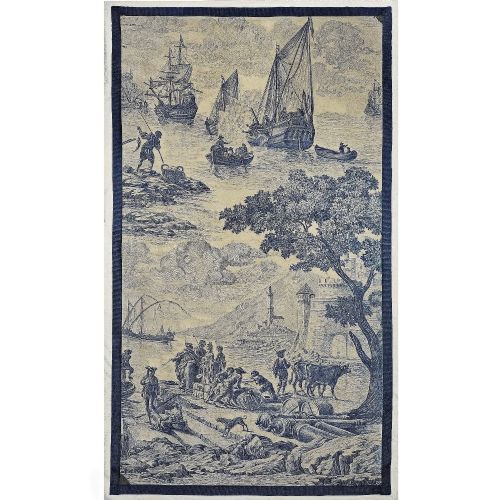
- A cotton or linen fabric featuring a monochrome printed or painted repeated pastoral narrative. Late nineteenth-century examples often appear as framed wall panels.
- Needlework
- General hand-sewing and embroidery applied to a foundation fabric to create pictorial or geometric designs. Antique examples demonstrate immense patience through minute, even stitches.
Pictorial Wall Hanging: Frequently Asked Questions
How do I hang a heavy antique textile safely?
Large tapestries and rugs require even weight distribution to prevent distortion of the delicate wool or silk fibres. Conservation framing or a concealed Velcro mounting system sewn along the top edge provides secure support without damaging the weave.
Avoid hanging textiles in direct sunlight or damp environments, as natural fibres are vulnerable to fading and mildew. Proper circulation behind the piece prevents moisture buildup against the wall.
What is the difference between a rug and a tapestry?
Tapestries are woven without a pile, created by interweaving warp and coloured weft threads to form a flat picture designed specifically for vertical display. Rugs traditionally feature a knotted or tufted pile intended for floor use, though finer pictorial examples are frequently hung on walls.
While both serve decorative pictorial functions, their structural construction and backing methods differ significantly. Understanding this distinction helps identify the original intended use of the textile.
How should I clean an antique pictorial wall hanging?
Routine maintenance involves gentle surface dust removal using a soft brush or low-suction vacuum with a mesh screen barrier. Professional textile conservators should handle deep cleaning to prevent dye bleeding or fibre shrinkage.
Water and standard detergents can permanently damage aged silk and wool threads. Specialist intervention ensures the structural integrity of historical needlework remains uncompromised.
How do I date a sixteenth-century Flemish tapestry panel?
Sixteenth-century Flemish pieces are identified through their characteristic use of wool and silk, dense verdure backgrounds, and distinct Renaissance figurative styles. The weave density and natural dye palettes provide strong chronological indicators.
Comparative analysis with documented workshop pieces helps narrow the production era. Expert examination of border designs often reveals stylistic clues unique to specific weaving centres.