

Persian Wool Textile
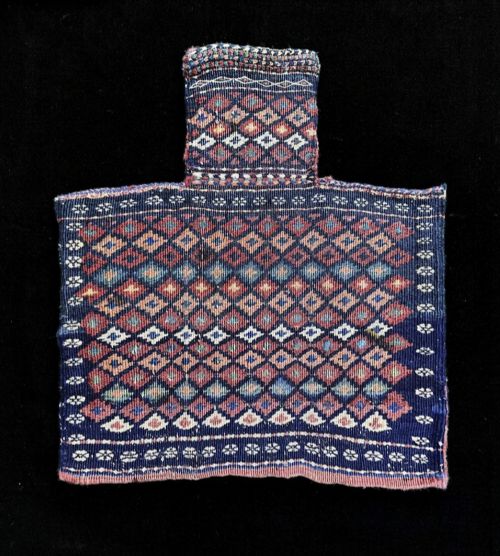
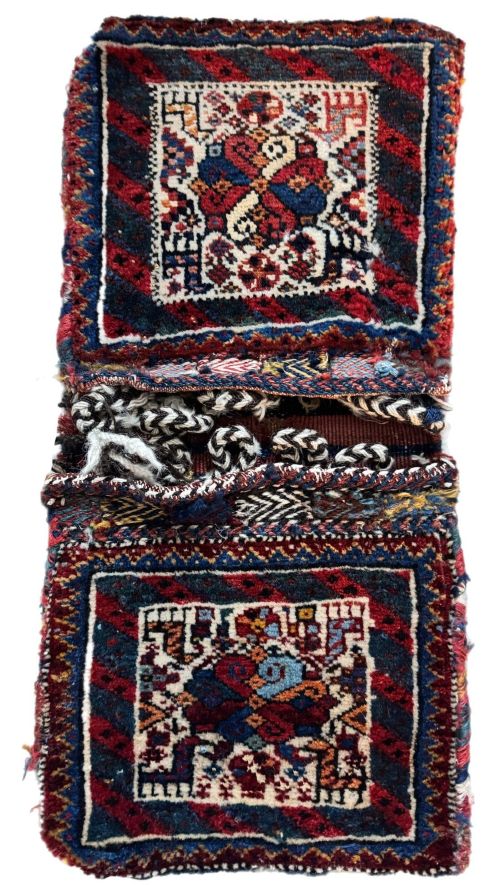
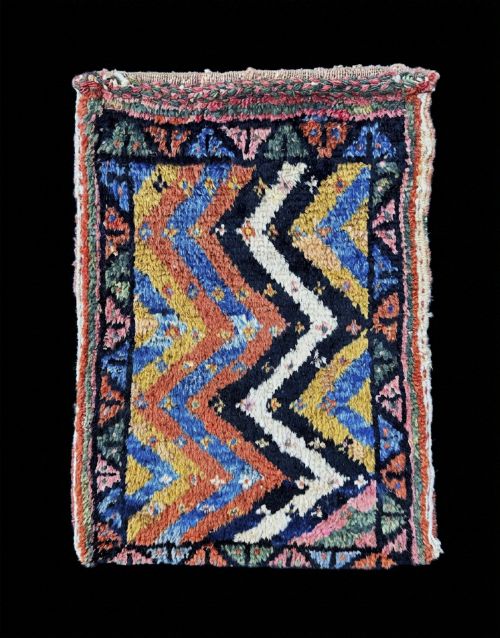
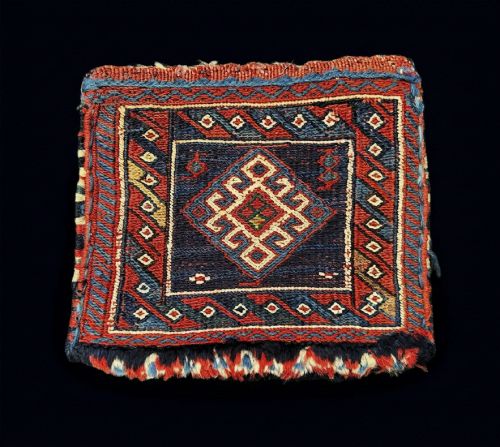
These Persian wool textile pieces span tribal bags, animal trappings and flatweaves crafted across nineteenth and early twentieth-century nomadic landscapes.
Persian Wool Textile
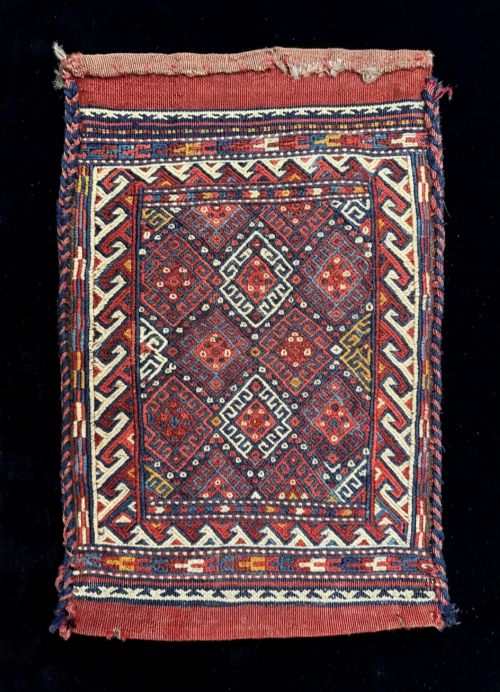
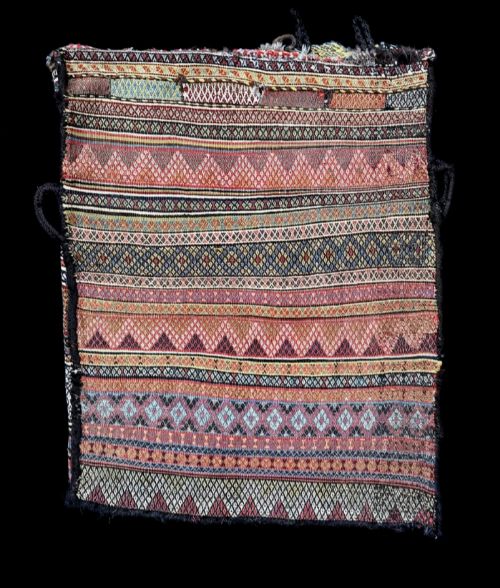
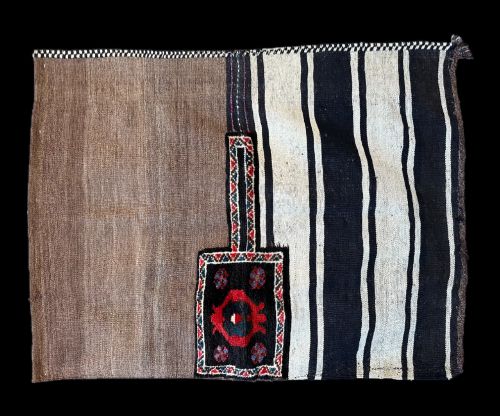
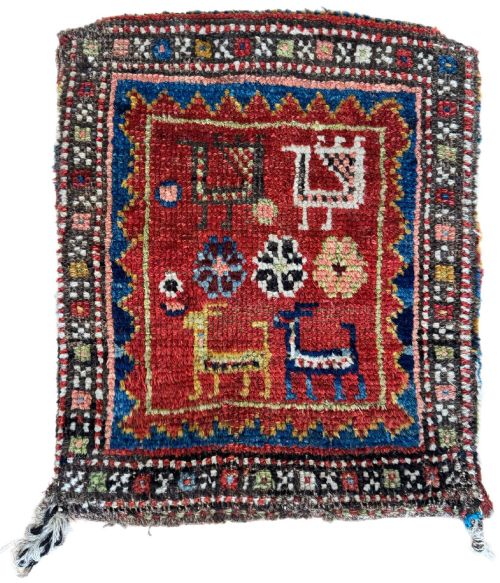
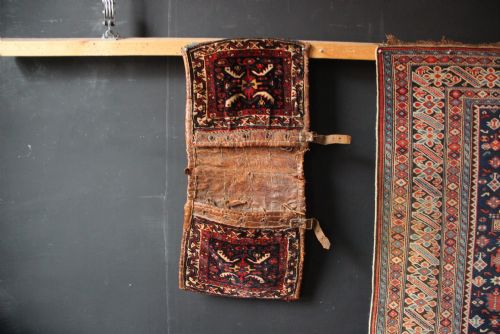
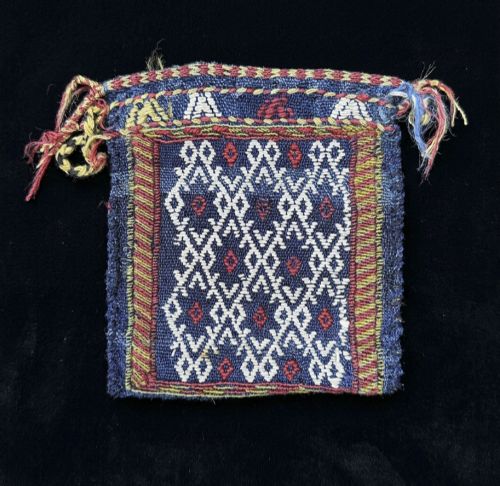
A Persian wool textile on this page typically manifests as a utilitarian tribal object, including salt-bags, spoon-bags, saddle-covers, and dining sofreh cloths.
The selections originate from specific regional confederacies and tribes, such as the Qashqai, Afshar, Baluch, Shahsevan, and Lori-Bakhtiari nomadic groups.
Dated examples centre predominantly around the nineteenth and early twentieth centuries, reflecting traditional pastoral production methods.
Assessing the craftsmanship
Quality rests upon the fineness of the weave, the handling of natural dyestuffs, and the complexity of the tribal iconography expressed.
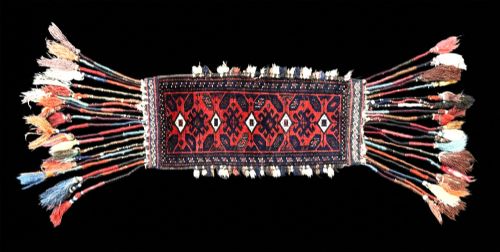
Intact original structures, structural crispness, and the preservation of subsidiary materials like cowrie shell embellishments distinguish finer nomadic works.
Persian Wool Textile Retail Price Guide 2026
Typical asking prices for persian wool textile among the pieces listed under this phrase on Sellingantiques today, from the lower quarter to the upper quarter. They describe what is for sale here now, not the wider market.
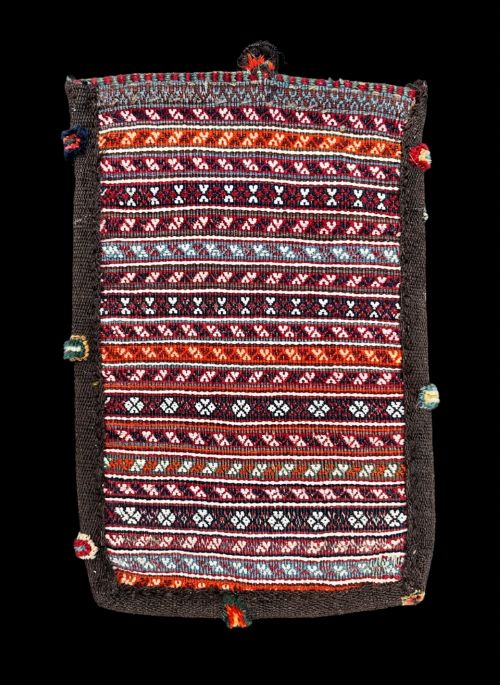
Selected nomadic bags retain original cowrie shells, stitched on by weavers centuries ago to ward off the evil eye during migration.
The Persian Wool Textile Glossary
- Sofreh
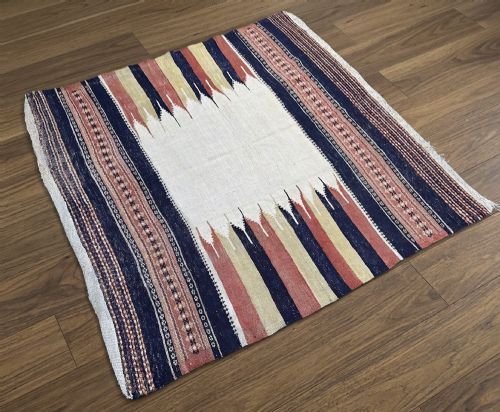
- A flatwoven spread or cloth used for dining, kneading bread, or serving meals within nomadic households. These textiles often display bold geometric field arrangements.
- Khorjin
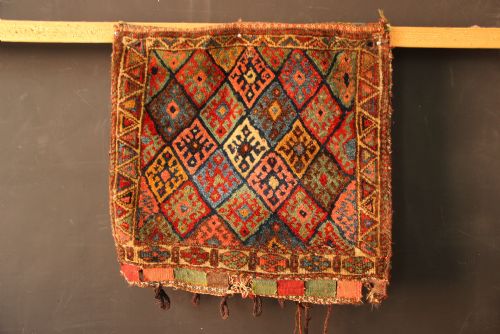
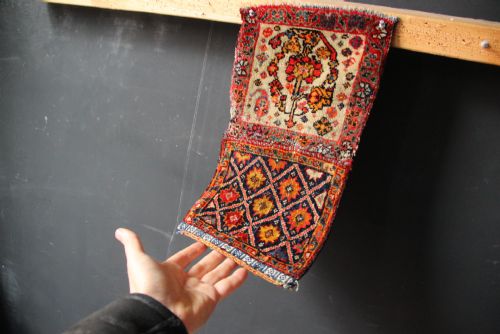
- A double saddle-bag designed for pack animals during seasonal migrations. They combine utility with intricate regional patterns.
- Chanteh
- A small personal vanity bag or container woven by tribal women. These miniature pieces demonstrate concentrated design skill.
- Sumac
- A supplementary weft-wrapping technique producing a durable, textured surface without a pile. It allows sharp diagonal pattern delineation.
- Bagface
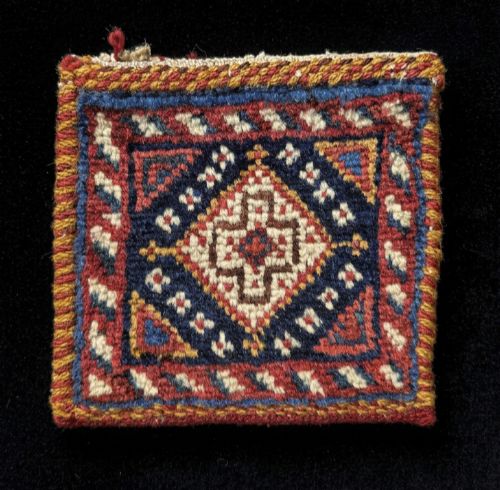
- The decorative front panel of a utilitarian pouch, preserved after the plain back has deteriorated. Collectors prize them as discrete pictorial panels.
Persian Wool Textile: Frequently Asked Questions
How were sofreh cloths used?
Sofreh textiles served as clean surfaces laid upon the ground for communal dining or for the preparation of bread dough.
Their designs frequently emphasise minimalist borders and central fields suited to horizontal placement within a tent.
How do I identify a Qashqai piece?
Qashqai textiles originate from the Fars province in south-west Persia and often feature sophisticated medallion layouts and animal trappings.
Sub-tribes like the Kashkuli and Darrehshuri contributed distinct chromatic balances and fine knotting traditions to these nomadic works.
What are animal trappings?
These decorative woven items adorned horses, camels, or donkeys during tribal ceremonies, migrations, and festive gatherings.
They include saddle-covers, horse decorations, and miniature saddle-bags featuring robust structural weaves designed to withstand outdoor conditions.