


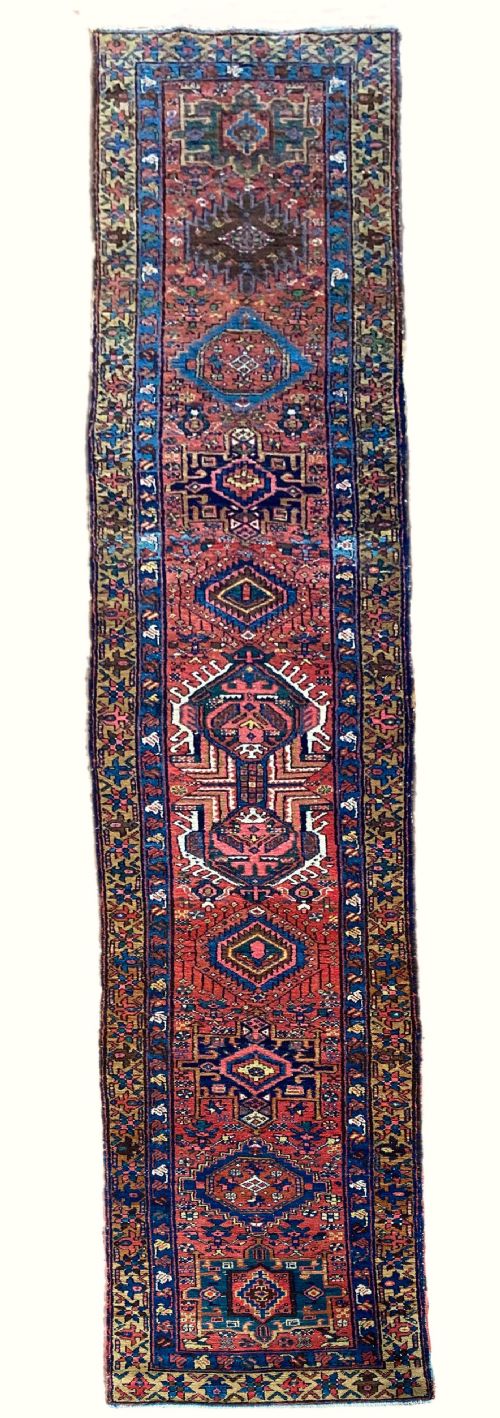

Persian Wool Passage Rug
A persian wool passage rug brings linear warmth and texture to hallways, stairs and galleries.
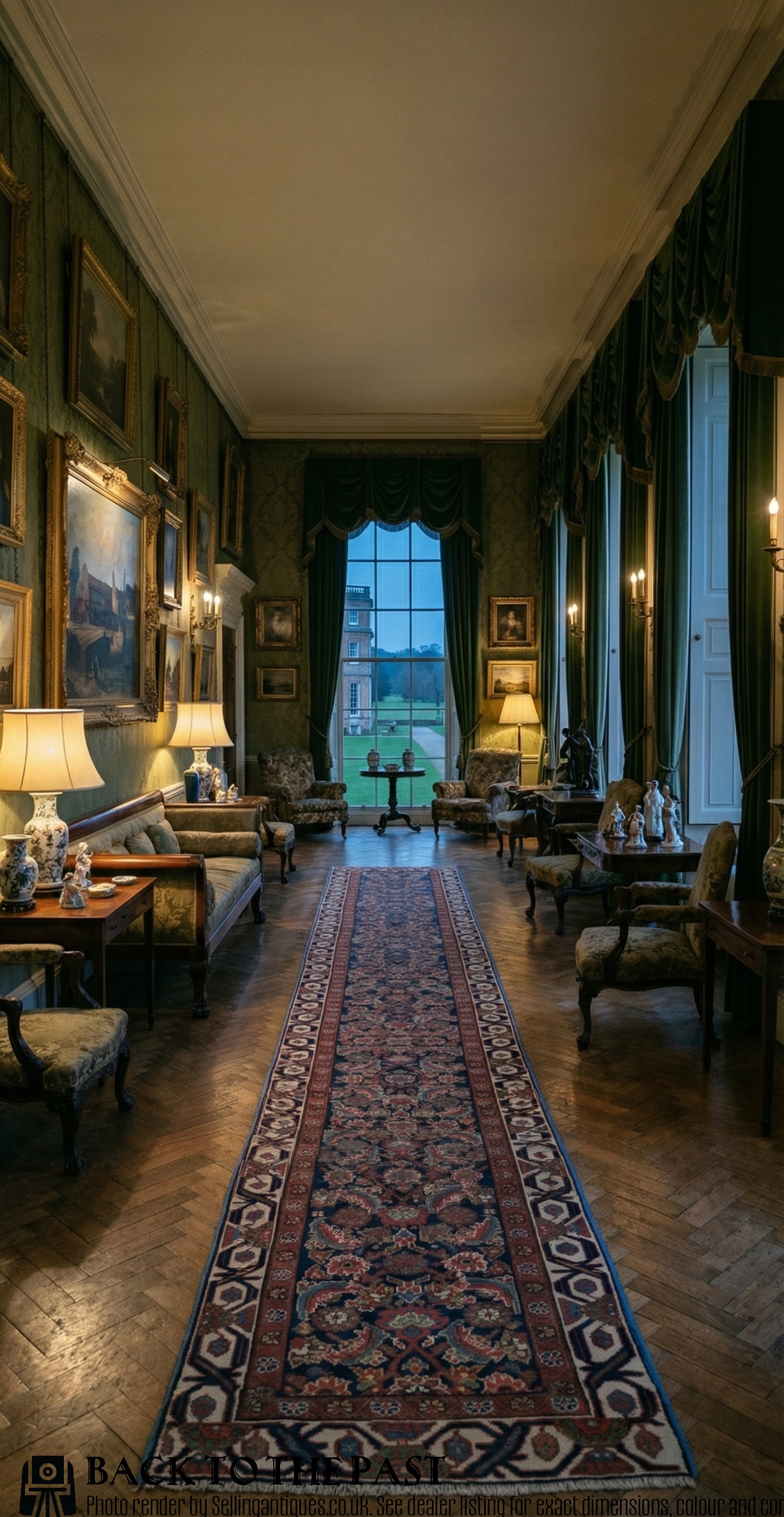
Persian Wool Passage Rug
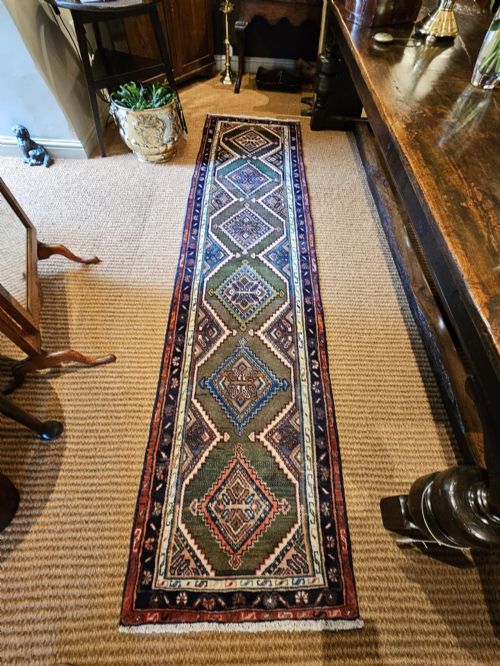
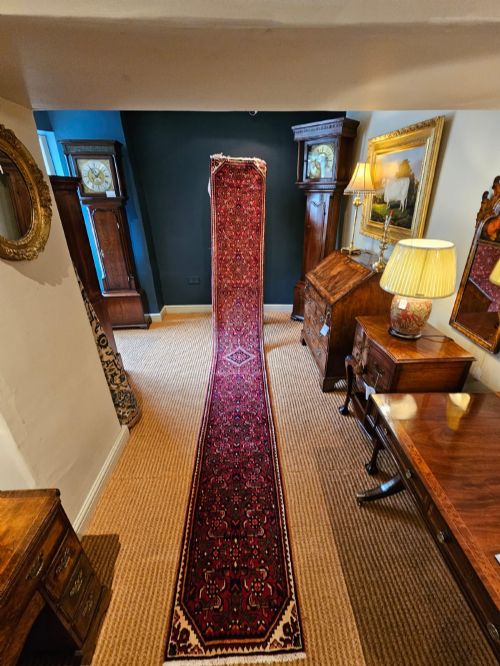
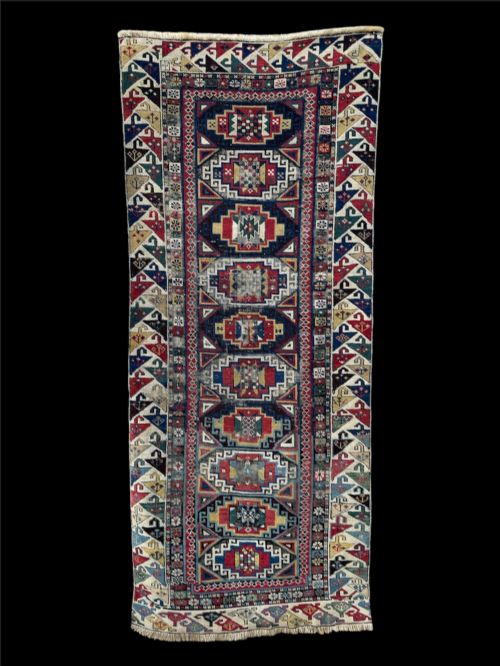
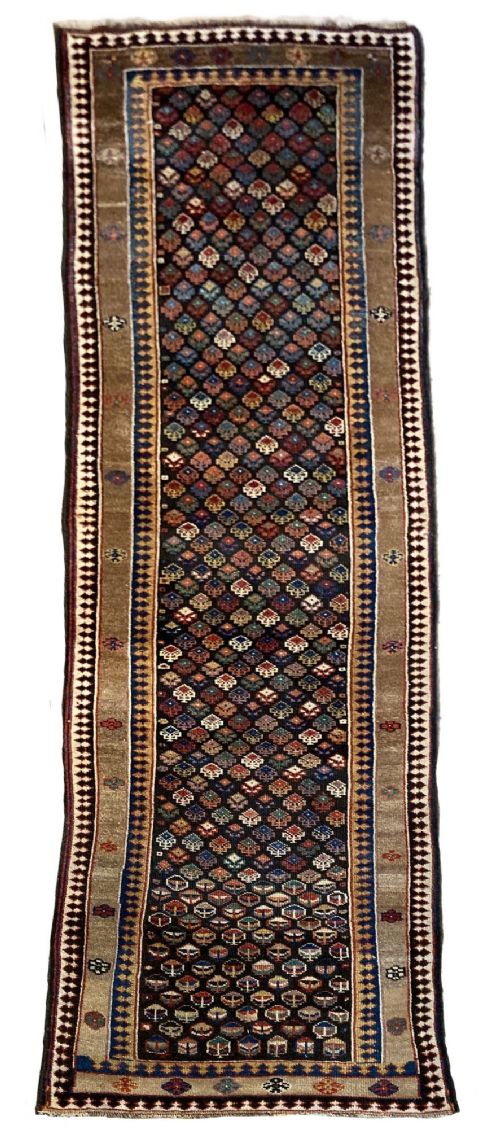
Buyers encounter formats varying from compact lengths to exceptionally long galleries exceeding seven metres. Narrow proportions define these items, allowing them to fit domestic corridors where standard carpets fail. Regional designs such as the shrub motif, boteh patterns and geometric medallions appear frequently across these centuries-old floor coverings.
Materials and construction
These floor coverings utilise sturdy wool pile knotted onto cotton foundations to endure heavy foot traffic in passages. Weavers employed natural dyes derived from plants and minerals, yielding mellow tones that soften gracefully over generations of use. Hand-knotting techniques create dense pile structures that maintain structural integrity along extended formats.
The construction relies on durable selvedges and tightly packed warps and wefts characteristic of traditional village and tribal workshops. This meticulous hand-assembly ensures each runner withstands the continuous wear typical of hallways and staircases.
Listings feature pieces spanning the late nineteenth century through to the nineteen-thirties, utilising wool pile on cotton foundations.
Factors of quality
Quality rests upon the tightness of the knotting and the fineness of the wool used in the pile. Tighter knots permit sharper graphic definition in geometric medallions and floral motifs.
Proportional balance and dye consistency distinguish finer examples from standard village production. An even pile height along an extended length indicates careful maintenance and superior original manufacture.
The Persian Wool Passage Rug Glossary
- Runner
- A long, narrow carpet format designed primarily for hallways, corridors and staircases. These pieces measure significantly longer than their width.
- Pile
- The upright yarn loops or cut ends that form the soft surface of the rug. This wool layer absorbs foot traffic and displays the woven pattern.
- Warp
- The vertical foundation threads stretched lengthwise on the loom before knotting begins. Cotton warps provide stability to the finished runner.
- Weft
- The horizontal threads passed across the warps between rows of knots to bind the structure together. Proper beating of the weft creates a dense cloth.
- Boteh
- A traditional teardrop or almond-shaped motif with a curved upper end, frequently seen in Persian and Kurdish weaving. This ancient symbol represents a floral spray or cypress tree.
Persian Wool Passage Rug: Frequently Asked Questions
Where do I put a long runner?
These narrow floor coverings fit domestic hallways, long corridors and staircase passages where traditional broadloom carpets do not suit the floor plan. They protect wooden floorboards while adding warmth and visual interest to transitional spaces.
Positioning them centrally allows an equal border of exposed timber to frame the pattern. Ensure proper underlay is placed beneath to prevent slipping on hard surfaces.
How do I clean an old wool rug?
Regular gentle vacuuming without a rotating brush roll removes surface grit from the wool pile safely. Professional specialist cleaning remains necessary for deeper maintenance to protect natural dyes.
Avoid soaking the cotton foundation or using harsh chemical detergents that strip natural lanolin from the wool. Promptly blot liquid spills with a clean, dry white cloth rather than rubbing.
How do I identify village weaves?
Village and tribal pieces display geometric motifs, memory-woven variations in symmetry and robust wool structures. Workshops in regions like Heriz, Hamadan and Kurdistan produced distinct colour palettes and field designs.
Examining the reverse reveals the knot density and irregularities typical of domestic production rather than urban factory output. The handling of the wool provides further clues to regional origin.
Why choose a nineteenth-century runner?
Older examples offer vegetable-dyed wools that develop a harmonious, mellow patina over generations of foot traffic. These antique pieces carry distinct tribal and regional designs no longer replicated in modern commercial production.
Their substantial construction demonstrates traditional hand-knotting skills passed down through weaving families. Living with these items connects modern interiors to historical craft traditions.