




Persian Wool Floor Runner
A persian wool floor runner brings warmth and pattern to long corridors, grounding timber floorboards with deep heritage and character.
Persian Wool Floor Runner
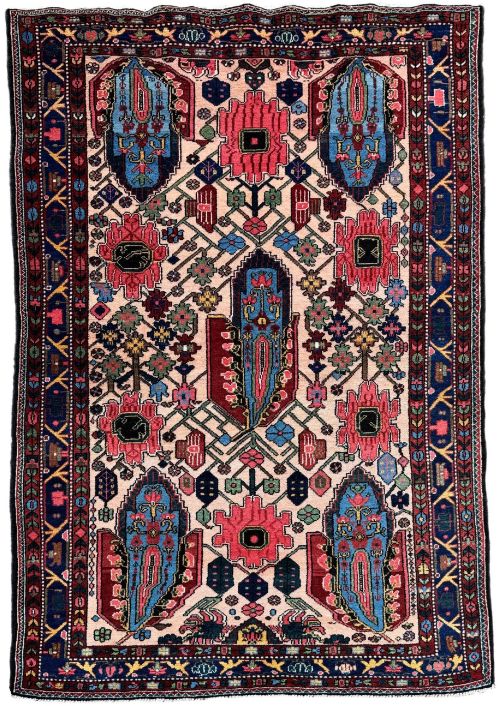
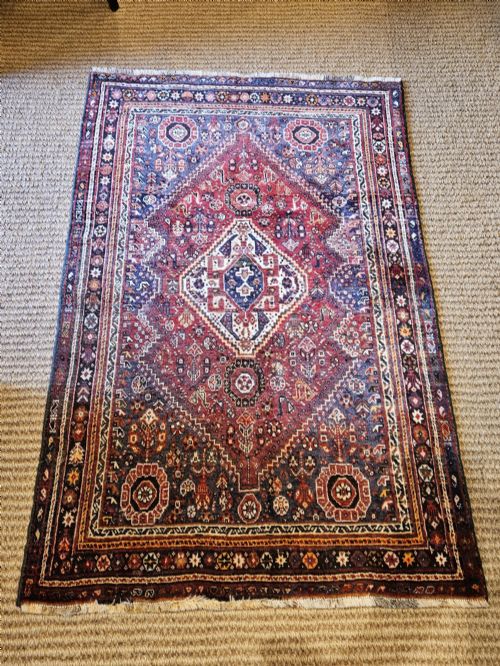
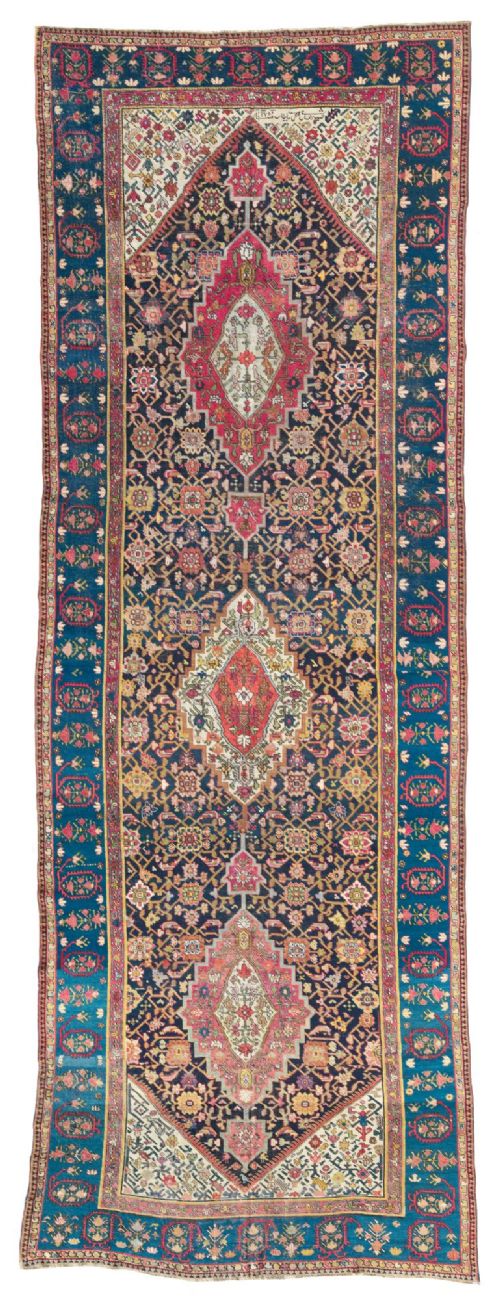
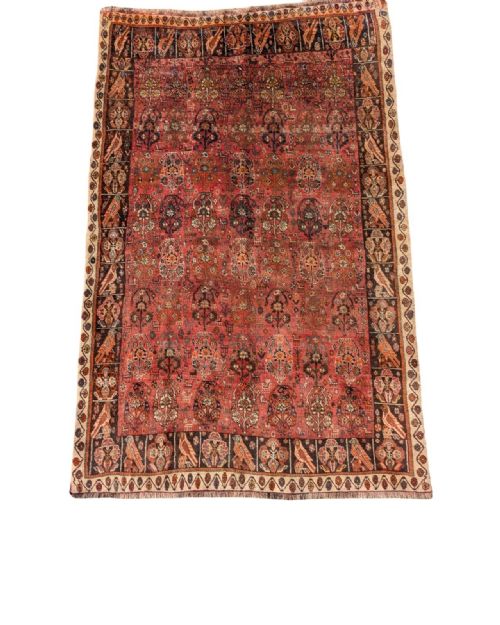
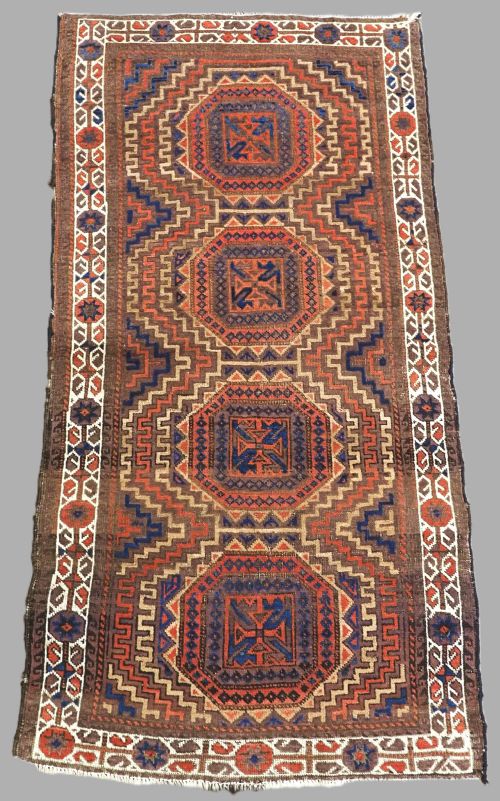
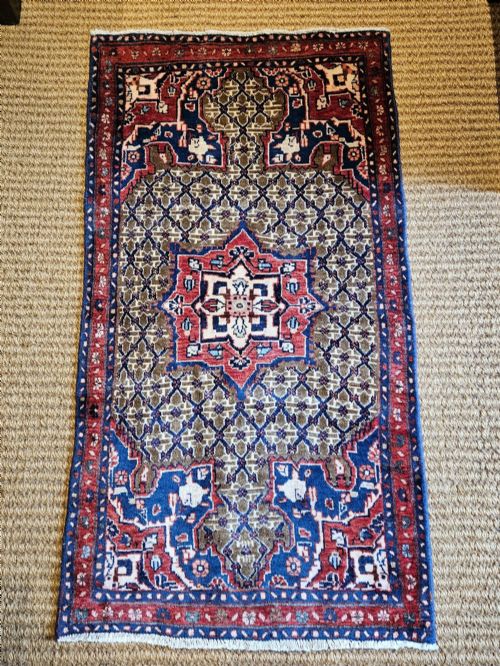
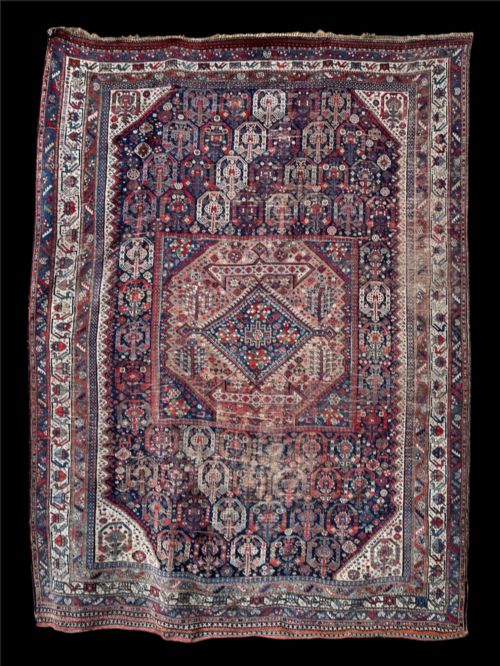
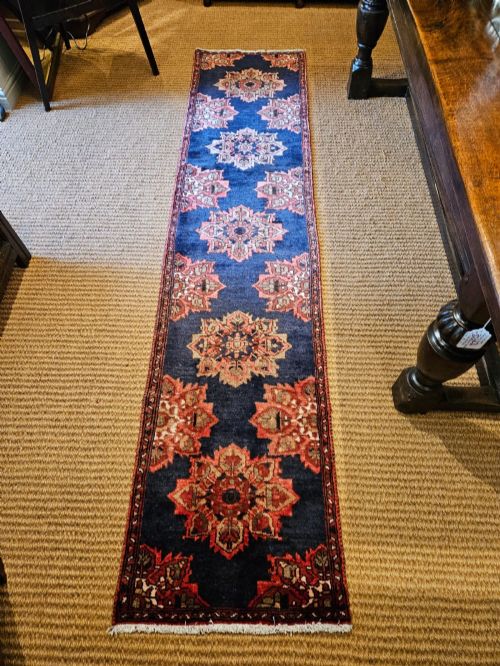
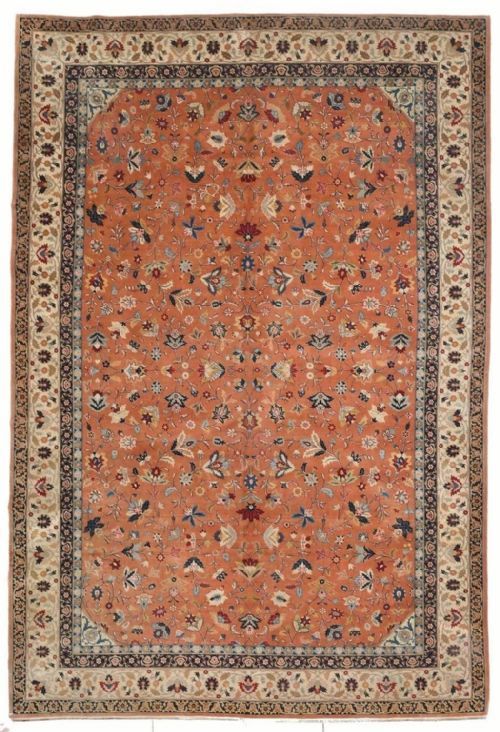
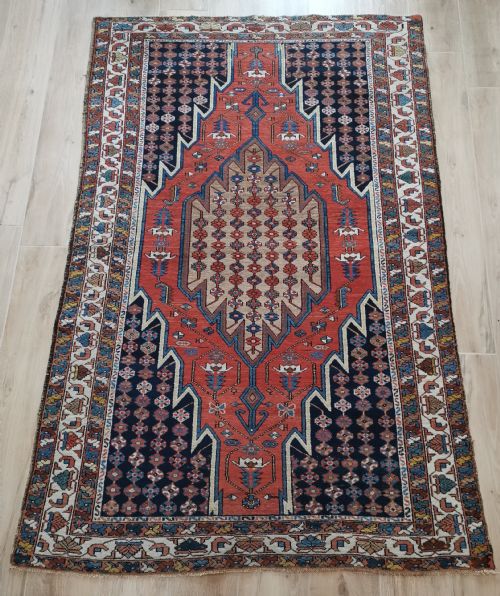
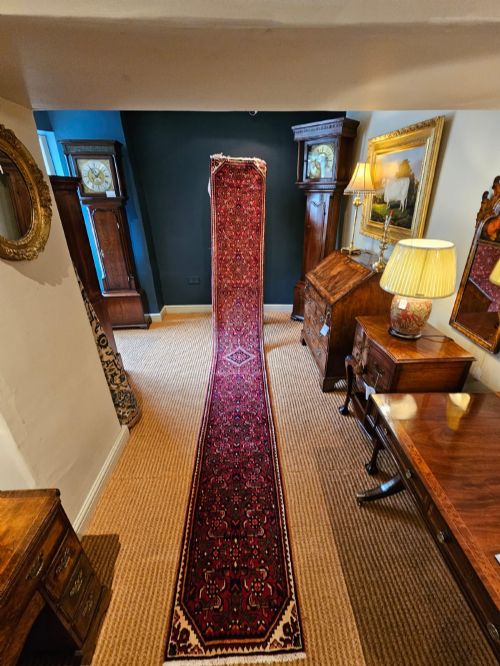
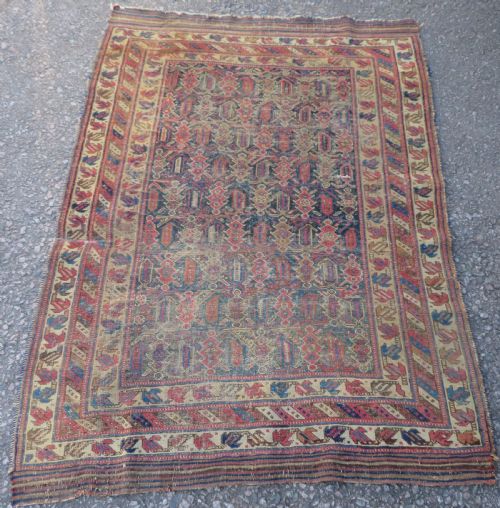
A persian wool floor runner spans narrow formats suited to hallways, corridors and landings, drawing the eye along interior spaces with rhythmic borders and central medallions. When searching for a persian wool floor runner, buyers encounter handwoven carpets originating from village workshops, nomadic tribes and urban looms across Persia and the wider Caucasus region.
The selection ranges from nineteenth-century tribal pieces featuring geometric guls to twentieth-century town rugs with elaborate floral vase designs. Formats include long narrow runner rugs, kelleh carpets and traditional hallway runners spanning various lengths.
How they were made
Makers utilised durable hand-spun wool for the pile, knotted firmly onto cotton or wool foundation warps and wefts to withstand generations of footfall. Natural dyes derived from plants and minerals provided the rich palette of rust backgrounds, deep indigos and earthy tones seen across the inventory.
Weavers employed traditional hand-knotting techniques specific to their region, whether the sturdy symmetrical knots of village workshops or the asymmetrical weave characteristic of tribal nomadic groups.
Many old runners carry small asymmetric wool repairs where nomadic weavers mended their own work by the campfire light.
What varies in quality
Knot density and precision of execution dictate the refinement of a piece, separating coarse nomadic weavings from finely detailed urban workshop carpets. The depth and clarity of natural dye colours also influence the visual hierarchy, alongside the integrity of the original wool pile and structural edges.
The Persian Wool Floor Runner Glossary
- Gul
- A repeating medallion motif often found in tribal and nomadic weavings. This octagonal design forms the primary geometric structure across many traditional carpets.
- Kelleh
- A distinctive rectangular format longer than a standard carpet but wider than a corridor runner. These pieces traditionally occupied specific floor spaces in Persian homes.
- Warp
- The vertical foundation threads stretched tightly on the loom before knotting begins. The visible fringe at either end of a rug consists of these extended warp threads.
- Weft
- The horizontal threads passed back and forth between warp rows to lock the knots in place. This structural element determines the rigidity and drape of the textile.
- Prayer rug
- A small format featuring a mihrab or arch design indicating the direction of prayer. These pieces were historically used for individual daily devotions.
Persian Wool Floor Runner: Frequently Asked Questions
How do I care for a wool runner?
Vacuum gently without a rotating brush roll to protect the vintage pile from unnecessary friction. Rotate the piece periodically to ensure even wear across high-traffic hallway areas.
Professional cleaning by specialists in antique textiles remains essential every few years. Avoid harsh chemical spot treatments that can alter the natural dyes.
Can I place these in a hallway?
These narrow formats suit hallways and corridors perfectly, adding texture and colour to transitional spaces. Use a quality underlay beneath the textile to prevent sliding and cushion the wool pile.
Consider the door clearance in your hallway before selecting a piece with a thicker pile. Lower-profile nomadic weavings often clear tight door swings more easily.
What is an antique kelleh?
A kelleh represents a specific large rectangular format positioned between a standard carpet and a runner. These proportions suited traditional room layouts in Persian architecture.
Collectors prize this format for filling spacious galleries and grand entrance halls. Their balanced proportions offer an alternative to standard runner dimensions.