


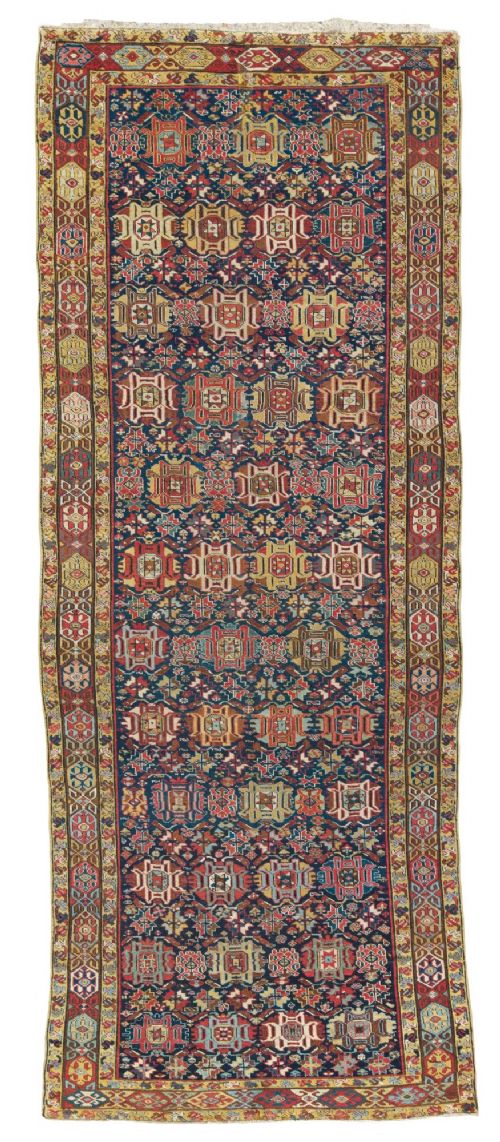
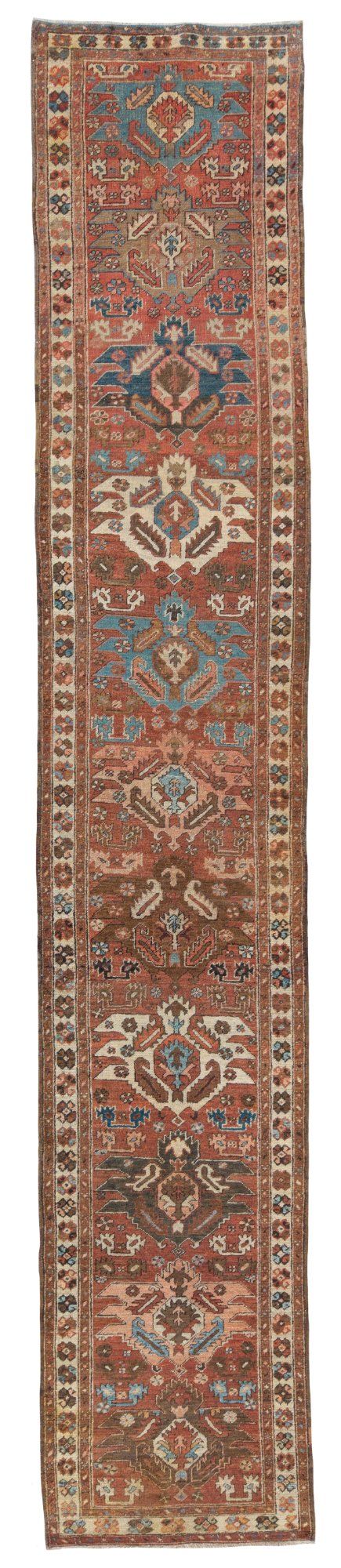


Blue Red Long Runner
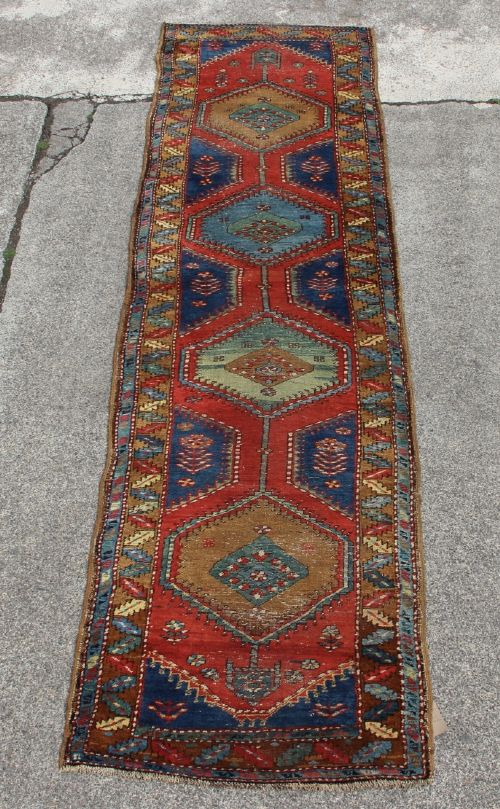
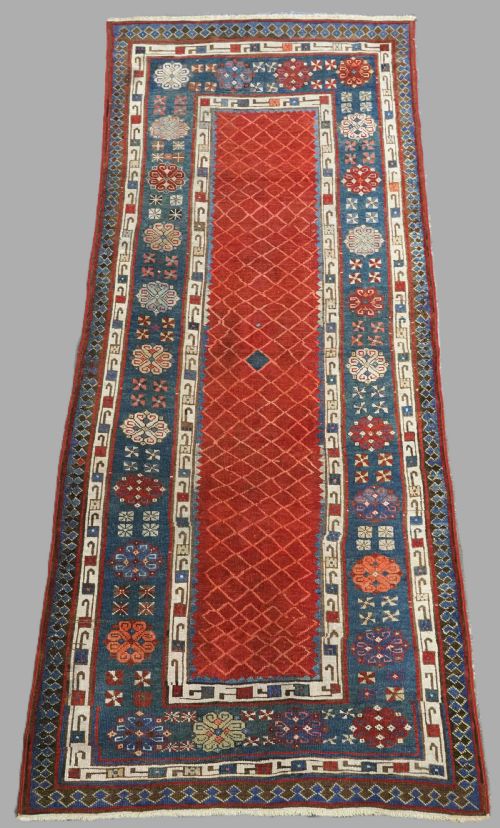
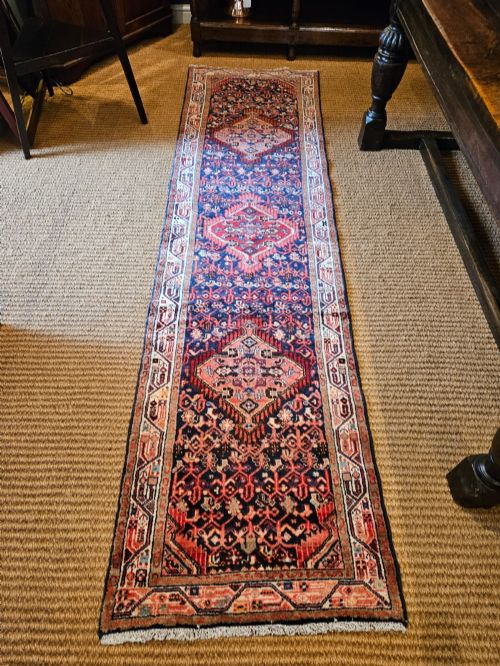
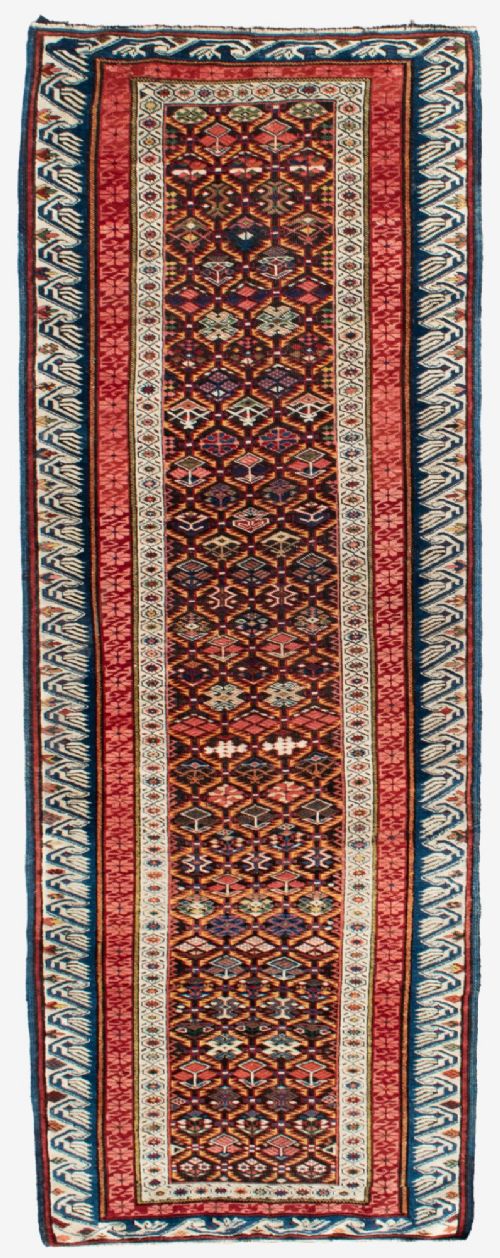
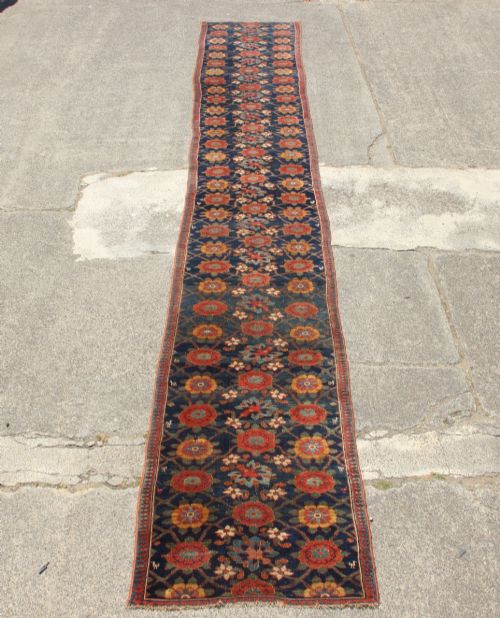
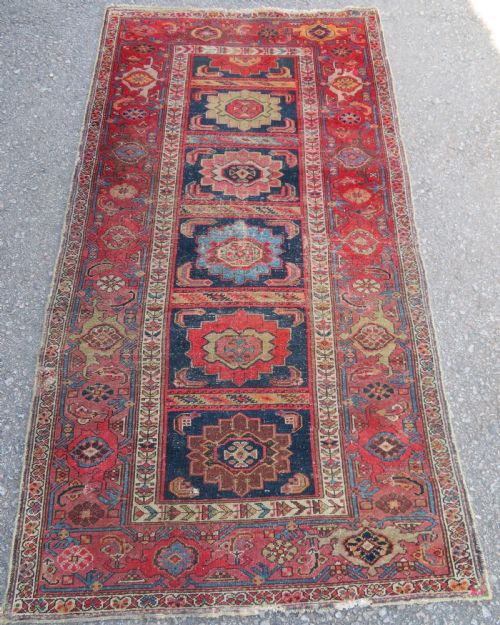
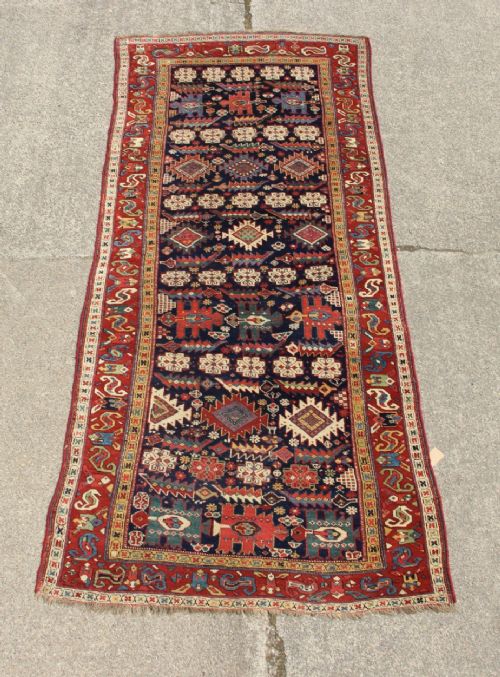
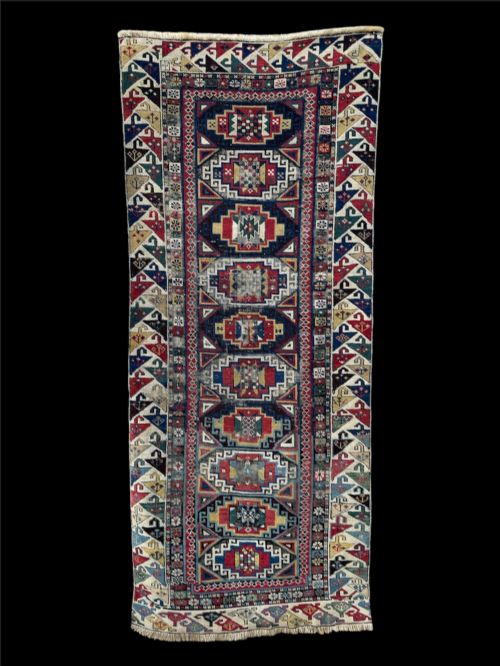
These pieces form a blue red long runner, offering extended proportions woven in traditional wool for hallways and galleries.
Blue Red Long Runner
A blue red long runner is a narrow, elongated textile designed primarily for hallways, corridors, and long gallery spaces. These floor coverings span various origins, including Persian, Caucasian, and Anatolian traditions, dating from the mid-nineteenth century into the early twentieth century.
The most common examples encountered in this selection include Persian Heriz, Hamadan, and Kurdish long runners, alongside Caucasian pieces like Shirvan and Kazak runners. Their proportions are typically rectangular and stretched, measuring significantly longer than they are wide to fit domestic pathways.
Buyers will also find tribal pieces created by groups such as the Luri, Shahsavan, and Qashqai, which often display geometric motifs and rich, saturated natural dyes. These carpets serve both a practical function for foot traffic and a decorative role through complex field designs.
Materials and construction
The foundation and pile of these textiles rely principally on wool, cotton, and hand-spun wool, yielding a sturdy structure built for enduring wear. Weavers knotted the pile by hand onto warp and weft threads, creating dense surfaces that protected against cold stone and timber floors.
Natural dyestuffs provided the characteristic blue and red palettes seen across these rugs, deriving from plant and insect sources that aged with particular depth. Hand-spun wool added subtle variations in tone along the length of the runner as different dye lots absorbed colour organically.
Listings feature pieces dated from the mid-nineteenth century up to the 1930s, constructed predominantly from wool, cotton, and hand-spun wool.
Judging quality in long carpets
Quality in a blue red long runner rests upon the tightness of the knotting, the crispness of the drawn motifs, and the integrity of the wool foundation. Finer examples display intricate geometric or floral lattice work, such as Mina Khani designs, executed with high knot densities that hold sharp lines.
The condition of the original selvedges and ends dictates much of the physical merit, as extended runners endure significant lateral tension and foot wear over decades. Pieces retaining their full length without extensive reweaving or heavy pile distortion represent the upper tier of the range.
The Blue Red Long Runner Glossary
- Runner
- A long, narrow carpet format specifically proportioned for corridors, hallways, and staircases. These pieces measure several times longer than their width.
- Kelleh
- A large format rectangular rug, often intermediate in proportion between a standard carpet and a long runner. These substantial pieces suit wider halls or large open rooms.
- Warp
- The vertical threads stretched tightly on the loom before weaving begins, forming the skeletal grid of the rug. Fringe ends typically consist of these exposed foundation cords.
- Weft
- The horizontal threads passed alternately over and under the warp threads between rows of knots to bind the structure firmly. They stabilize the width of the textile.
- Selvedge
- The finished side edges of a rug formed by wrapping the outermost warp threads with supplementary yarn. Intact selvedges prevent the pile from unravelling along the margins.
Blue Red Long Runner: Frequently Asked Questions
Where should I place a long runner?
These extended floor coverings fit naturally into narrow hallways, corridors, entryways, and alongside large furniture groupings in spacious rooms. Their linear geometry draws the eye down a passage while protecting high-traffic timber or stone flooring.
Ensure you measure the clear floor space carefully, leaving an equal margin of bare flooring exposed around the edges of the rug for a balanced appearance.
How do I care for antique wool runners?
Routine maintenance involves gentle vacuuming without a rotating brush roll to remove grit from the wool pile without damaging the hand-spun fibres. Professional cleaning by a specialist in antique textiles is recommended every few years to preserve the integrity of natural dyes.
Using a quality underlay beneath the runner prevents slipping on hard floors and reduces friction between the wool foundation and the ground during daily use.
What do Heriz and Hamadan mean?
Heriz and Hamadan refer to specific weaving regions and market towns in northwestern Persia known for distinct tribal and village rug production. Heriz runners typically feature bold geometric medallions and sturdy structures, while Hamadan pieces encompass diverse village designs with varied blue and red fields.
These regional designations help identify the likely origin, tribal influence, and general aesthetic framework of individual long runners.
How can I tell tribal from village rugs?
Tribal rugs were woven by nomadic or semi-nomadic groups from memory, resulting in asymmetrical motifs, spontaneous colour changes, and quirky tribal symbols. Village rugs were typically produced in fixed settlements using more structured looms and established regional patterns handed down through generations.
Both categories share a reliance on hand-spun wool and natural dyes, differing primarily in the geometric freedom and layout of the field design.