

Persian Nomadic Wool Textile
These Persian nomadic wool textile pieces bring tactile tribal artistry into modern spaces through enduring hand-woven village and camp creations.
Persian Nomadic Wool Textile
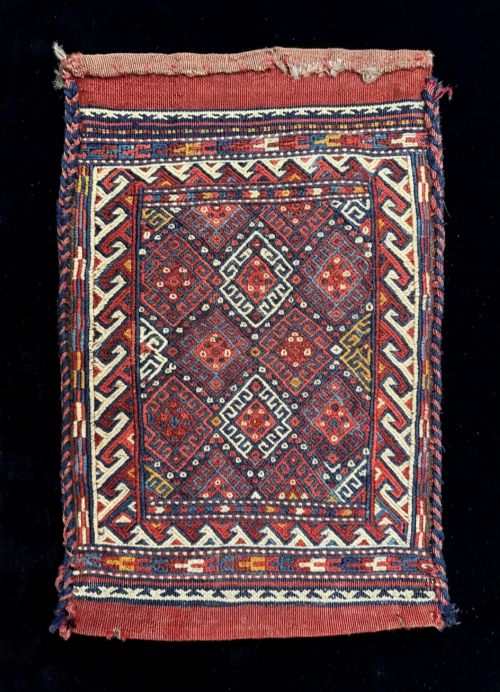
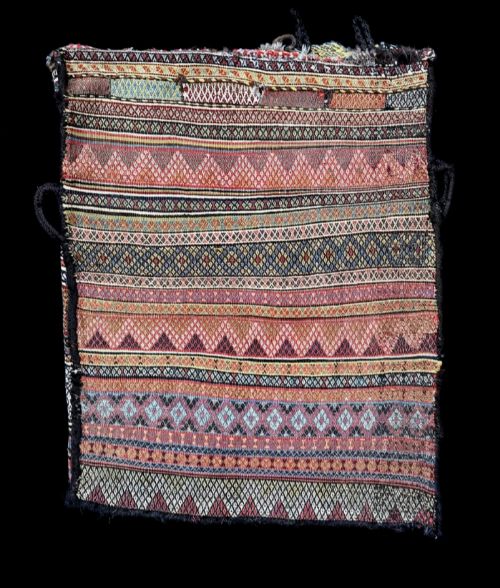
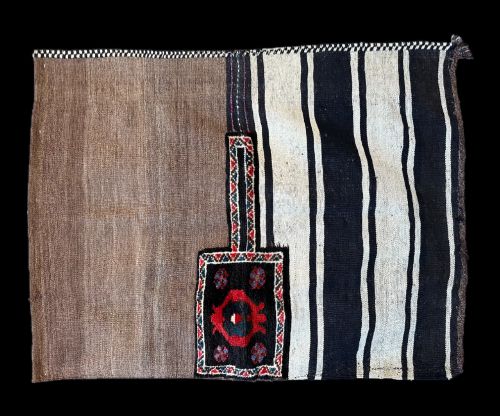
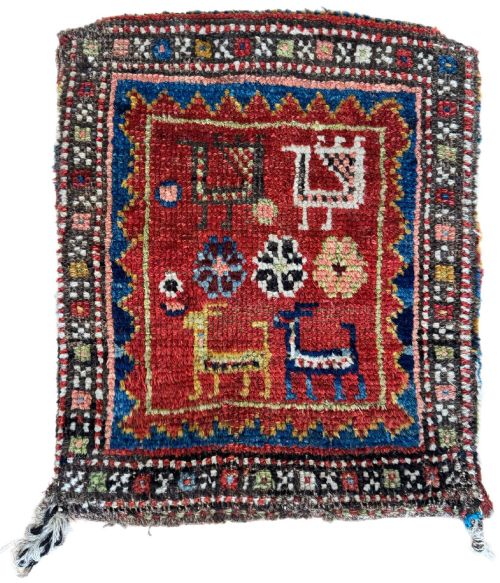
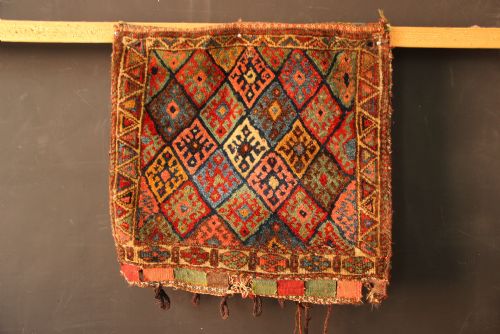
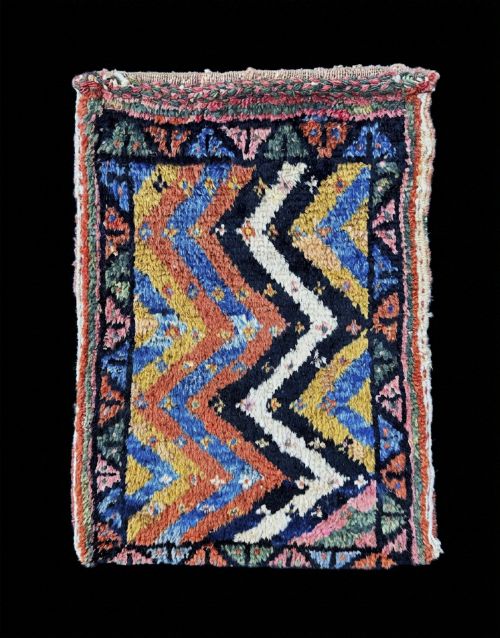
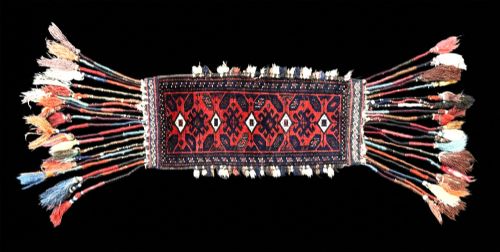
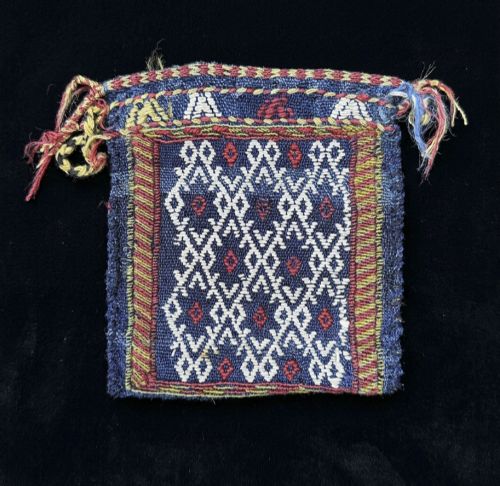
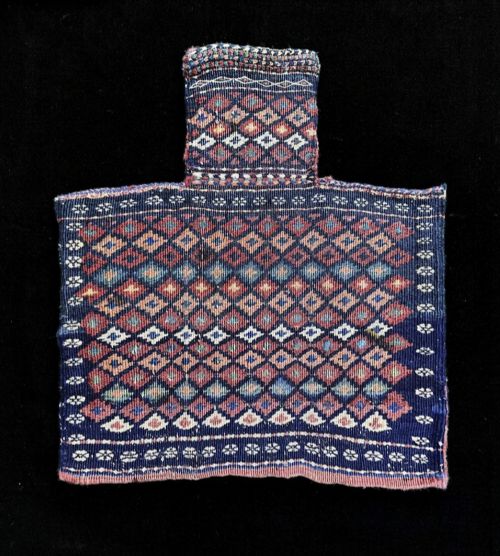
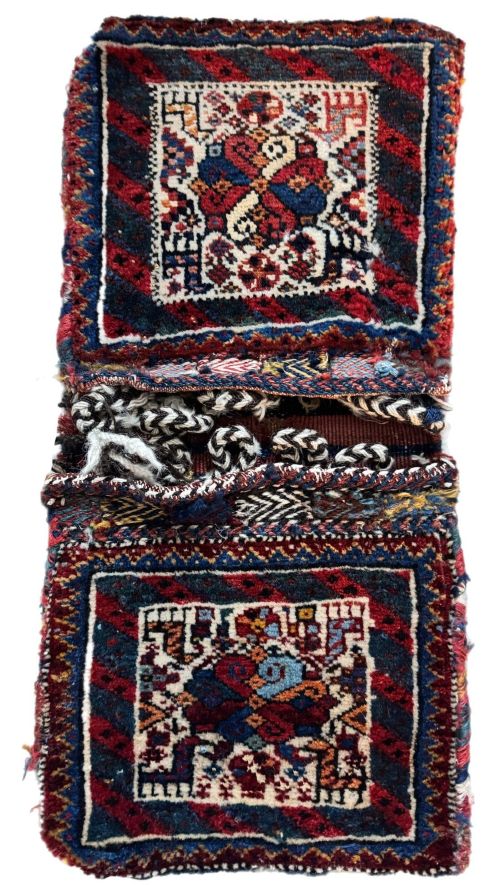
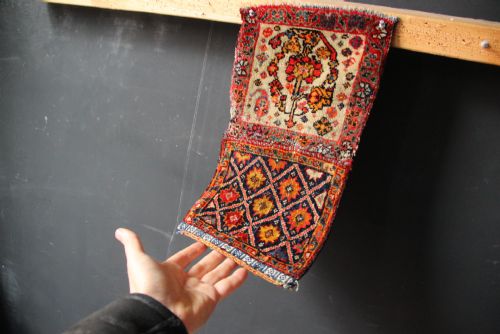
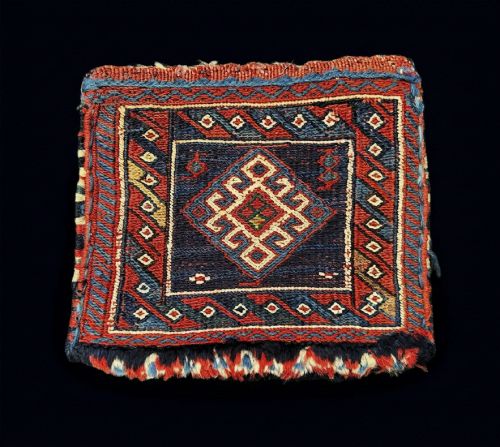
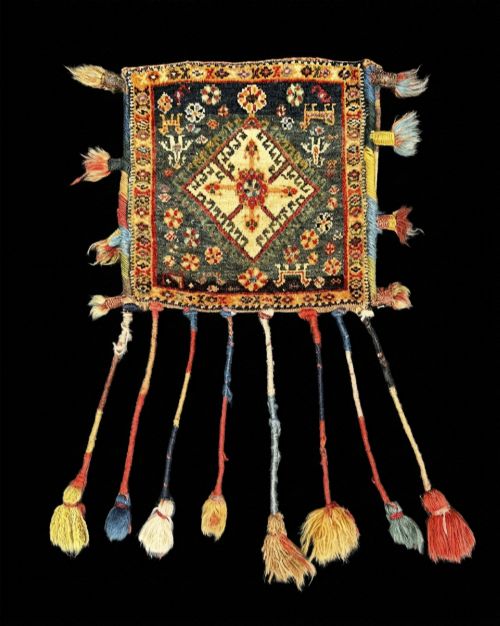
A persian nomadic wool textile encompasses functional woven objects created by tribal confederacies and village groups across regions like Fars, Khorassan, and Kerman. Buyers encounter practical domestic items such as salt bags, vanity bags, animal trappings, bread sofreh cloths, and saddlebags originating from the nineteenth and early twentieth centuries.
These items reflect the distinct cultural identities of groups including the Qashqai, Afshar, Baluch, Shahsavan, and Bakhtiari. Each piece served an active role in nomadic camp life, from storing personal provisions to decorating pack animals during seasonal migrations.
How They Were Made
Weavers utilised hand-spun wool and cotton foundations, frequently incorporating goat hair along selvages for durability against daily camp wear. Natural dyes provided rich colour palettes derived from local plants and minerals, giving each woven surface a depth that developed gracefully over decades.
Techniques varied from pile knotting to flat-woven sumac and tapestry weave structures, executed on portable horizontal ground looms set up directly within tribal encampments.
Persian Nomadic Wool Textile Retail Price Guide 2026
Typical asking prices for persian nomadic wool textile among the pieces listed under this phrase on Sellingantiques today, from the lower quarter to the upper quarter. They describe what is for sale here now, not the wider market.
Nomadic weavers occasionally added cowrie shells to animal decorations to ward off the evil eye during long desert journeys.
What Varies in Quality
Quality rests upon the fineness of the spin, the density of the knotting or tightness of the flat-weave structure, and the integrity of the natural dye palette. Superior examples demonstrate exceptional handling of secondary materials like goat hair and leather, alongside precise execution of tribal motifs.
Condition and completeness also govern the standing of an object, particularly where original closures, fringes, and side cords remain intact on functional containers and animal trappings.
The Persian Nomadic Wool Textile Glossary
- Sofreh
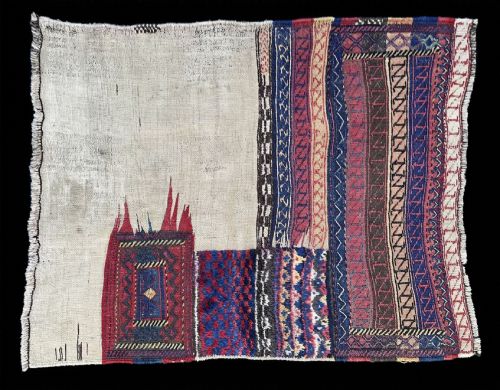
- A flat-woven spread or cloth used primarily for dining, kneading bread, or processing grain within tribal households. These textiles typically display geometric compositions without a central pile.
- Chanteh
- A small woven vanity bag or personal pouch carried or hung inside the tent for holding small possessions. They often showcase intricate tribal designs on the bagface.
- Khorjin
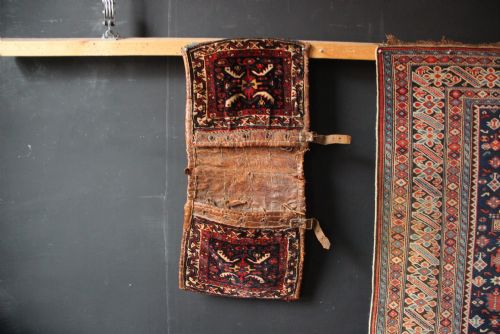
- A pair of saddlebags linked by a central web, designed to be thrown over pack animals during migration. Surviving fragments often consist of isolated bagfaces separated from their original connecting panels.
- Sumac
- A warp-wrapping flat-weave technique producing a sturdy fabric with textured patterns resembling embroidery on the front face. It allows for crisp geometric detailing without the use of pile knots.
- Balisht
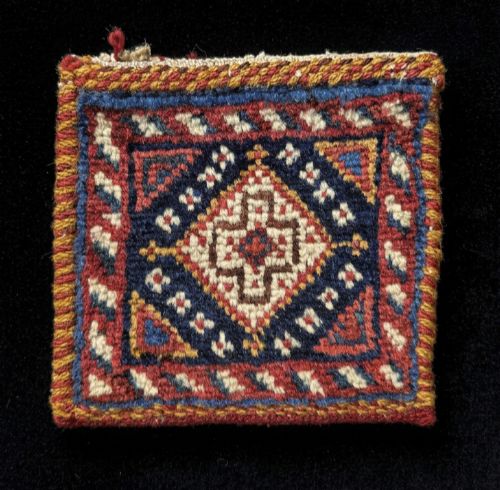
- A traditional pillow or small cushion face woven by nomadic groups for domestic comfort inside tents. These pieces frequently mirror the design vocabulary of larger floor rugs in miniature format.
Persian Nomadic Wool Textile: Frequently Asked Questions
How were these bags used?
Nomadic families utilised these woven containers for practical storage needs during seasonal migrations across harsh terrain. They held essential items such as salt, personal cosmetics, tobacco, and household provisions inside the tent.
Animals also wore decorated trappings and saddlebags to display tribal identity and status during large group movements. Every piece fulfilled a rigorous domestic or transport function before entering collections.
How do I date these textiles?
Dating relies on examining structural characteristics, the chemical composition of natural dyes, and the distinct drawing styles associated with specific tribal confederacies. Pieces from the nineteenth and early twentieth centuries exhibit characteristic hand-spun wool textures and organic colour variation.
Wear patterns, the type of foundation materials such as goat hair or cotton, and regional weaving traits further narrow down the decade of production. Expert comparison with documented tribal examples establishes the historical timeline.
How should I display them?
Smaller bagfaces and cradles mount safely onto neutral backing fabrics for wall display, protecting the structural integrity of the antique wool. Flat-woven sofreh cloths function effectively as table covers or wall hangings depending on their size and weight.
Keeping textiles away from direct sunlight preserves the fugitive nature of natural dyes over time. Gentle rotation and occasional airing help maintain the condition of historical animal fibres.
What defines tribal designs?
Tribal designs draw upon inherited geometric symbols, stylized animals, and totemic motifs passed down through generations of nomadic weavers. Groups like the Qashqai and Afshar incorporated repeating medallions, boteh motifs, and stylized quadrupeds unique to their specific sub-tribes.
These visual languages communicated lineage, geographic origin, and cultural values without the use of written records. The resulting compositions offer a direct window into the worldview of nineteenth-century makers.