

Persian Nomadic Tribal Textile
When you encounter a persian nomadic tribal textile, you are looking at utilitarian weaving produced by pastoral groups across nineteenth and early twentieth-century Persia.
Persian Nomadic Tribal Textile
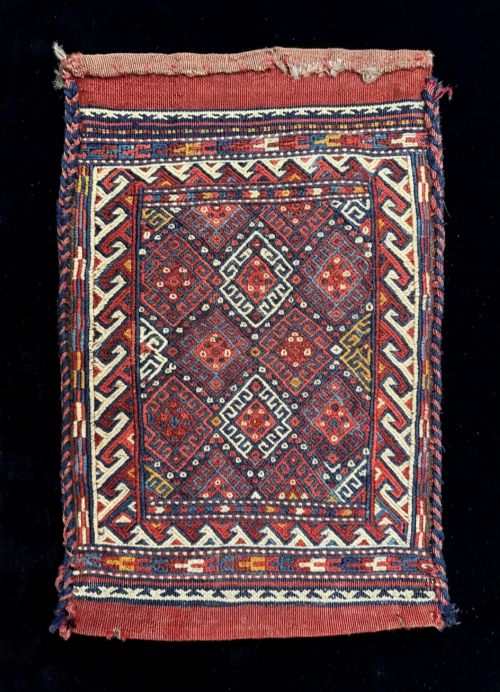
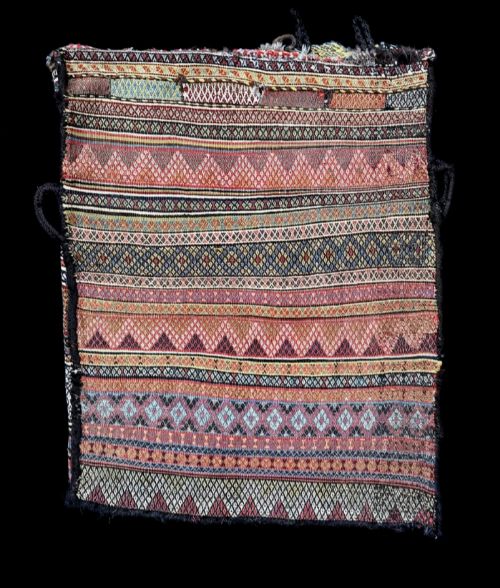
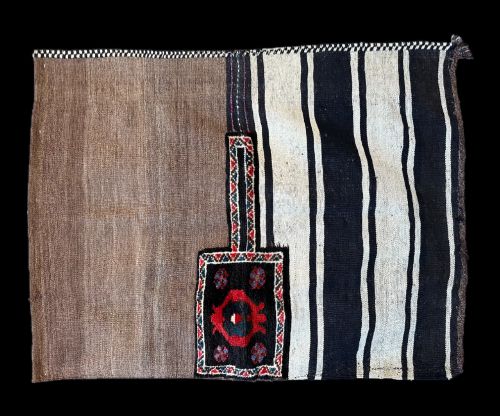
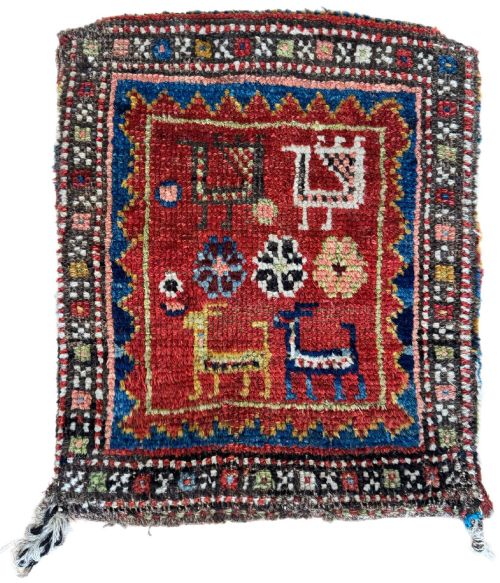
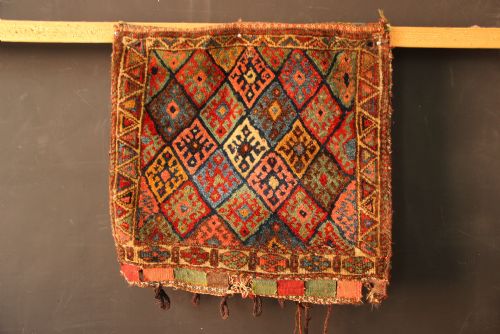
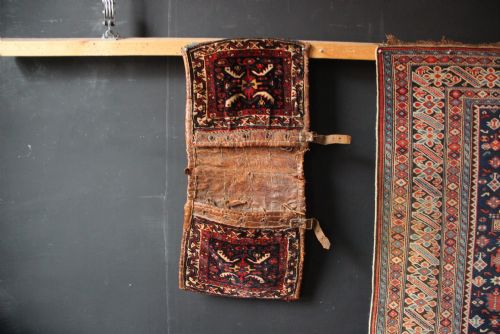
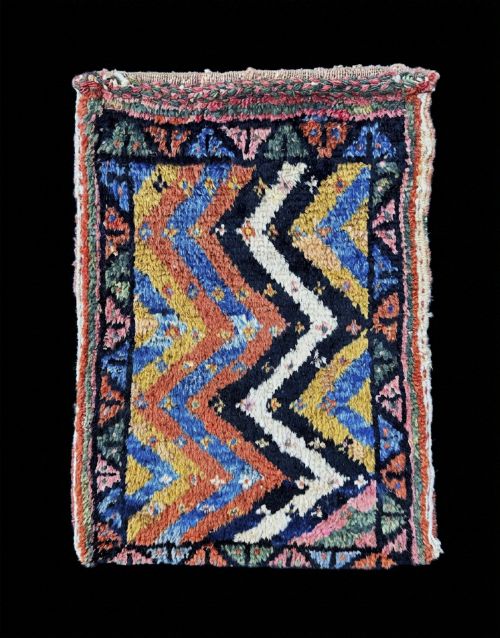
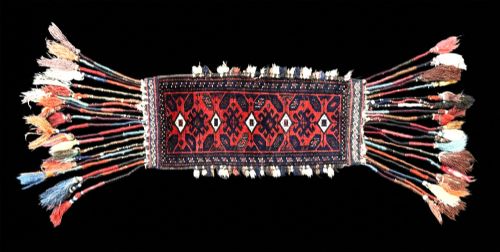
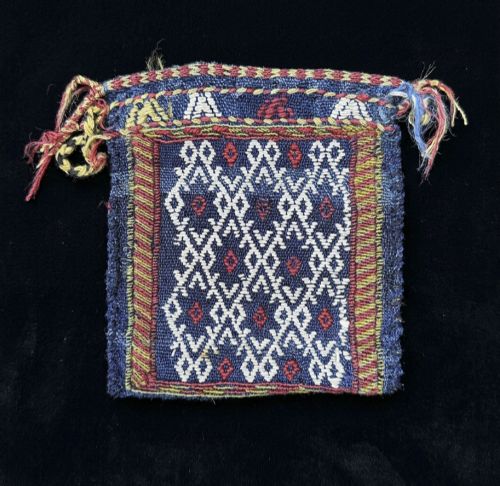
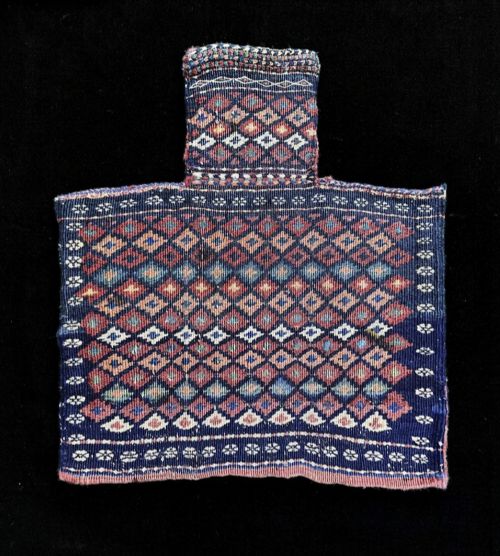
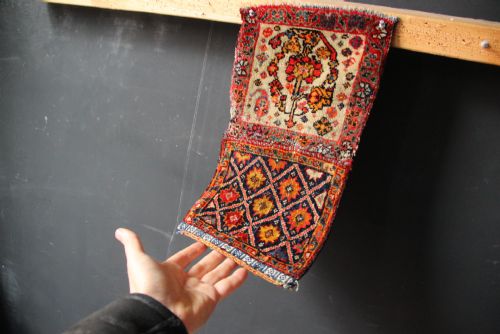
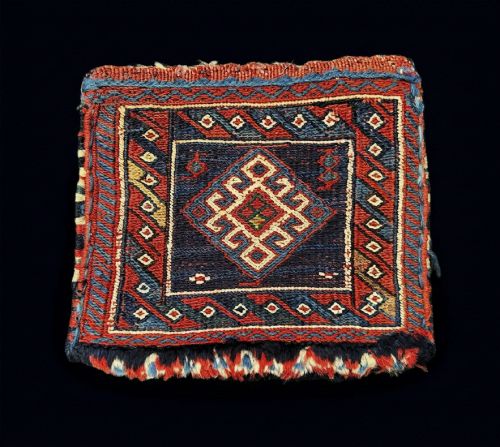
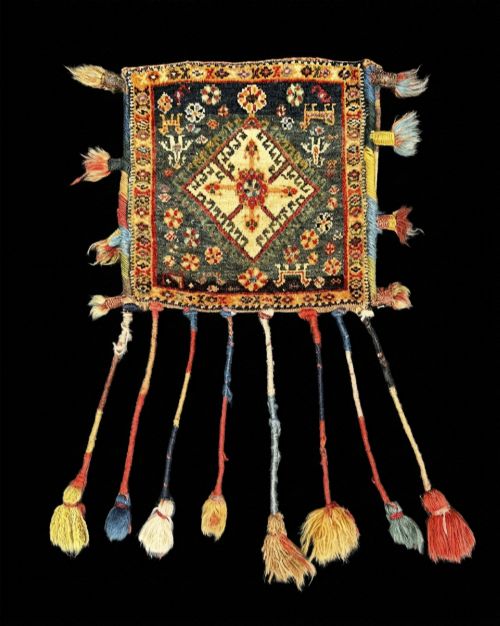
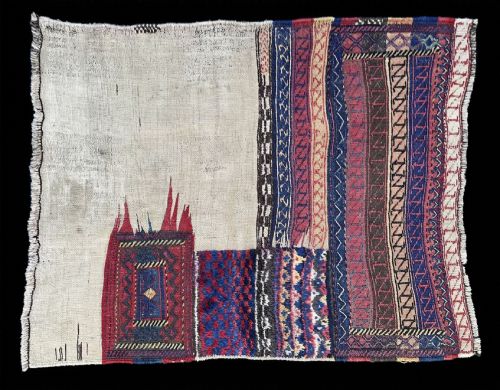
A persian nomadic tribal textile encompasses functional objects created for daily camp life, including salt-bags, vanity-bags, bread sofrehs, and animal trappings. These items originated from regional confederacies and tribes such as the Qashqa'i, Afshar, Shahsavan, Baluch, and Kurdish groups. Most examples date from the late nineteenth century to the early twentieth century.
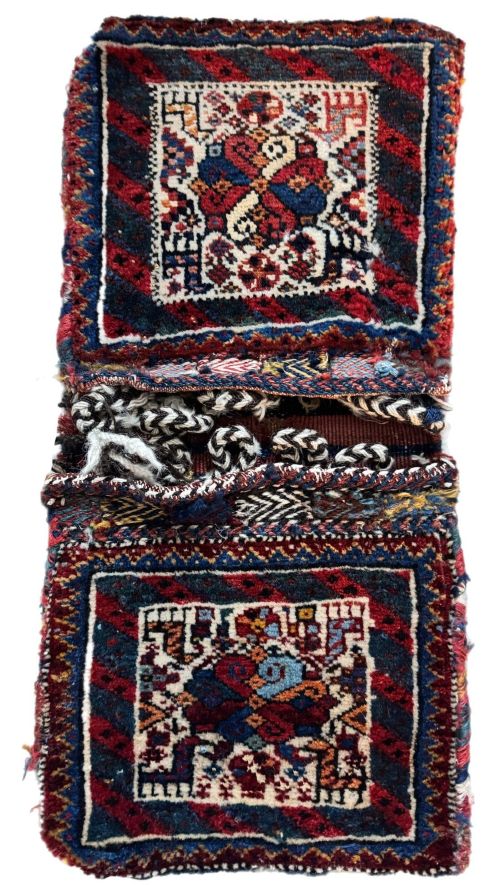
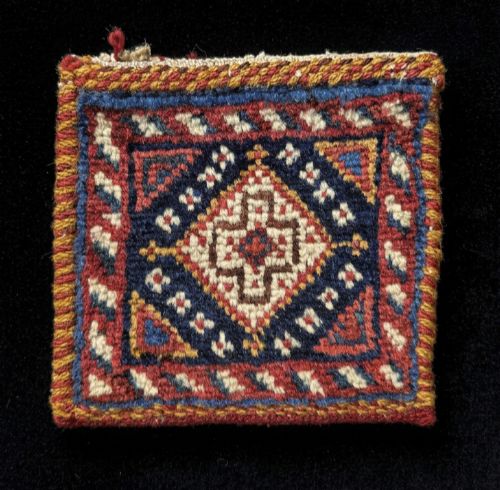
The selection ranges from small personal pouches like chantehs to larger utilitarian spreads and saddlebags. Form follows the nomadic lifestyle, resulting in portable items designed for transport, storage, and domestic utility within tents and settlements across regions from Fars Province to Khorassan.
How they were made
Makers utilised hand-spun wool and natural dyes, occasionally combining cotton foundations with goat hair reinforcement for durability along structural edges. Cowrie shells and wood elements also appear on specific utilitarian forms.
Weaving techniques include pile knots, flatweaves such as sumac, and patterned cloths like jajim. These methods produced dense, resilient surfaces intended to withstand rigorous daily use in nomadic environments.
Persian Nomadic Tribal Textile Retail Price Guide 2026
Typical asking prices for persian nomadic tribal textile among the pieces listed under this phrase on Sellingantiques today, from the lower quarter to the upper quarter. They describe what is for sale here now, not the wider market.
Current listings feature pieces spanning the nineteenth century through the early twentieth century, utilising hand-spun wool, cotton, and natural dyes.
What varies in quality
The refinement of the wool preparation and the depth of natural dye saturation distinguish superior weaving. Finer spun yarn and precise execution of structural details indicate greater skill.
The complexity of regional motifs and the integrity of the original tribal patterns reflect the maker's mastery. Uniformity in tension across the weave contributes to the structural longevity of the piece.
The Persian Nomadic Tribal Textile Glossary
- Sofreh
- A flatwoven spread or cloth used primarily for dining, kneading bread, or serving food within the tent.
- Chanteh
- A small personal vanity-bag or utility pouch woven by tribal makers for carrying small possessions.
- Khorjin
- A pair of saddlebags designed for animal transport, often surviving as individual bagfaces after separation.
- Sumac
- A supplementary weft-wrapping technique that produces a durable, textured surface without pile knots.
Persian Nomadic Tribal Textile: Frequently Asked Questions
What is a tribal sofreh?
A sofreh is a flatwoven textile utilised primarily for food preparation, particularly kneading bread or dining upon the ground within a nomadic tent.
These cloths served essential domestic functions and often display geometric field designs characteristic of the weaving tribe.
How were these bags used?
Nomadic families used these woven pieces for storage, transport, and daily camp organisation, holding salt, tobacco, or personal items.
Larger versions functioned as saddlebags for pack animals, while smaller pouches served personal needs during seasonal migrations.
How do I care for wool textiles?
Gentle vacuuming with appropriate suction protects the wool fibres from accumulated dust without disturbing the historic weave structure.
Keeping the textile away from direct sunlight preserves the natural dye colours over decades of display.
Can I identify the tribe?
Distinctive motifs, colour palettes, and structural techniques point directly to specific confederacies such as the Qashqa'i or Shahsavan.
Regional variations in border patterns and material combinations provide strong clues regarding the origin of the weaving.