


Persian Floral Woven Rug
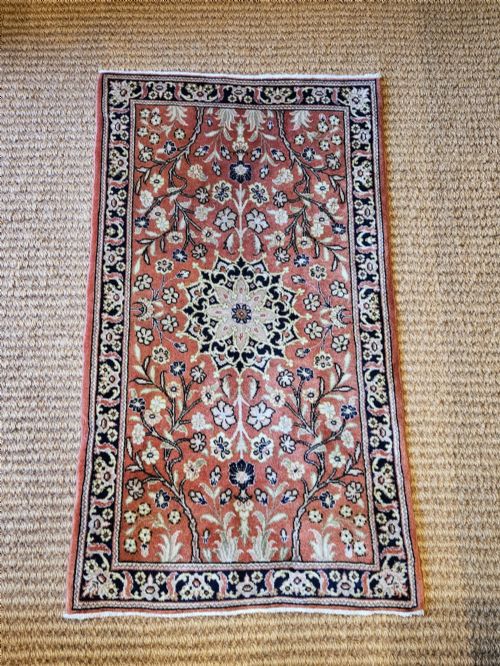
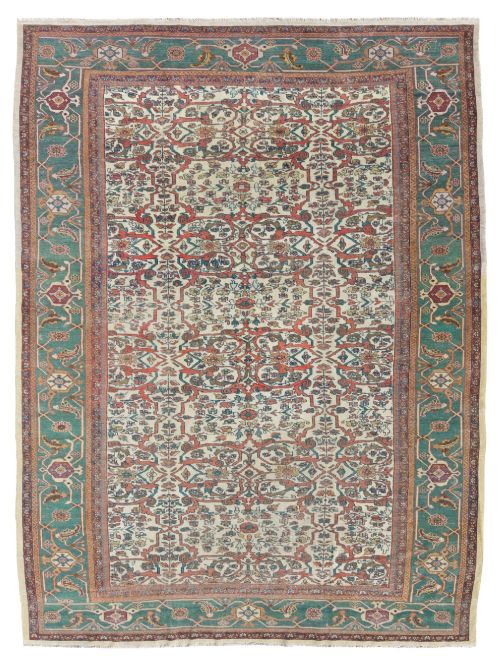
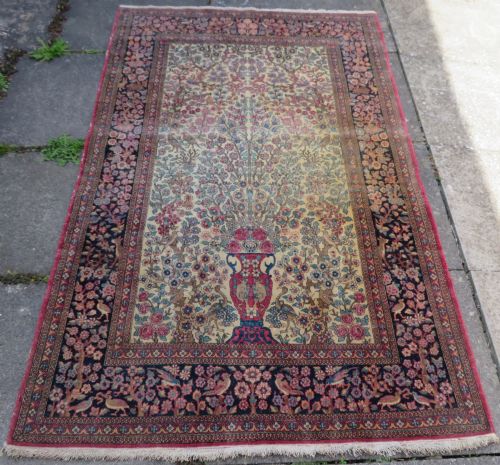
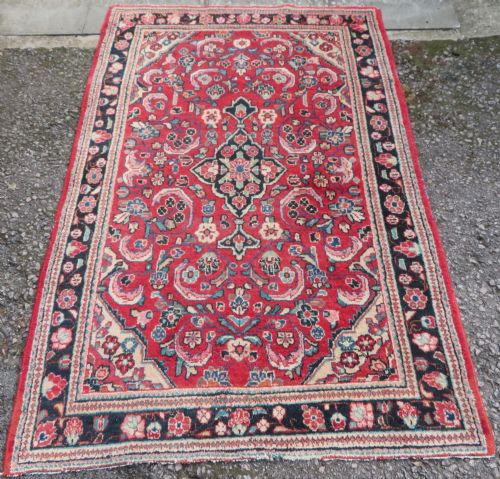
A persian floral woven rug brings centuries of woven artistry into a room, offering rich botanical motifs grounded in traditional village and city workshops.
Persian Floral Woven Rug
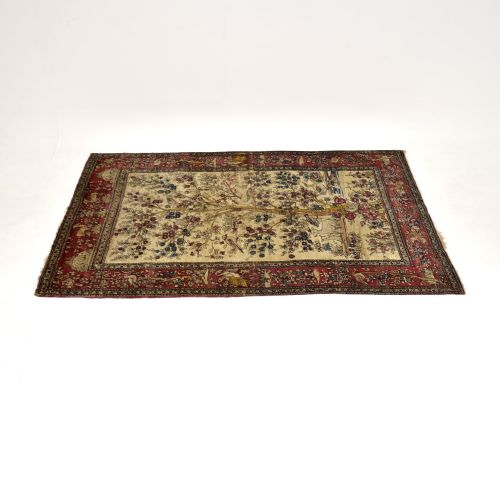
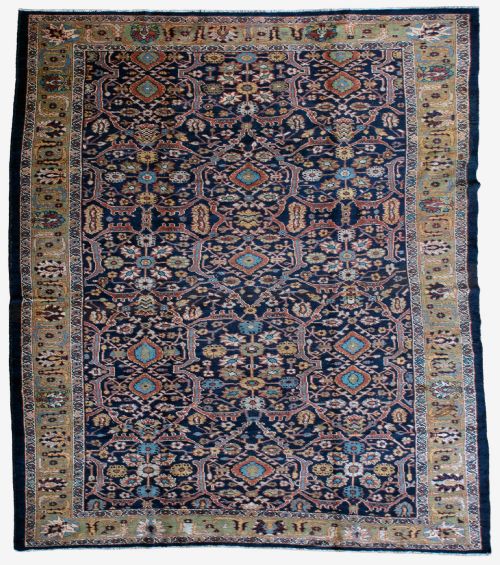
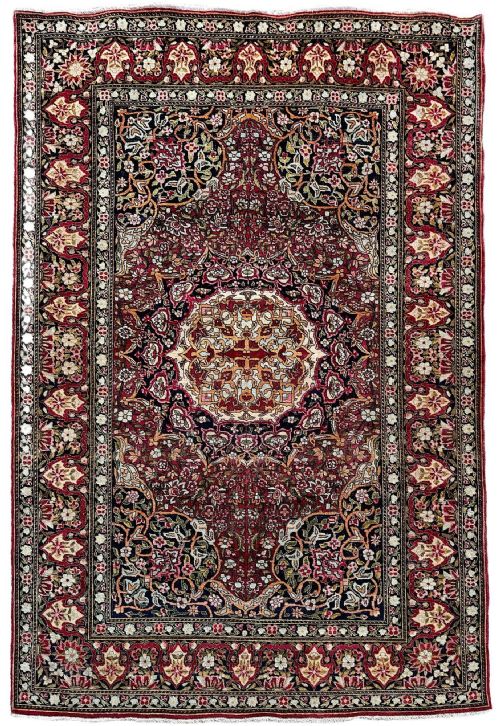
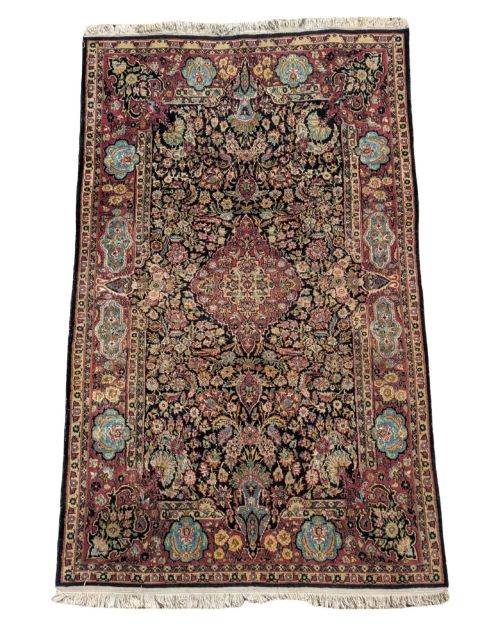
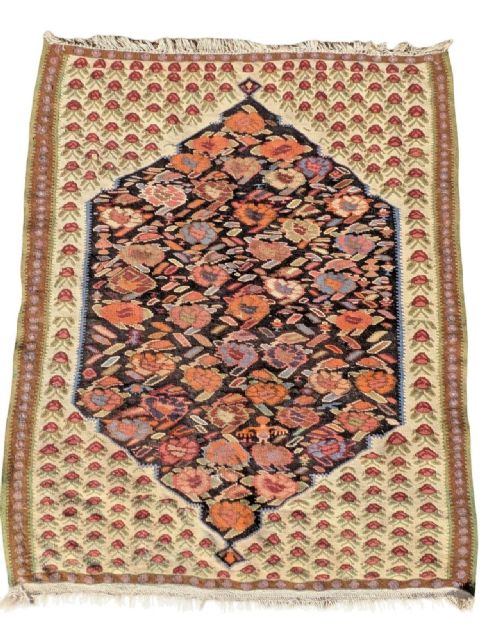
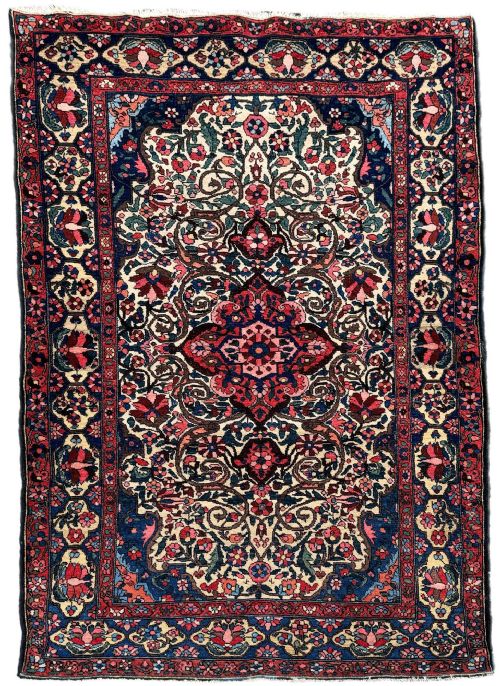
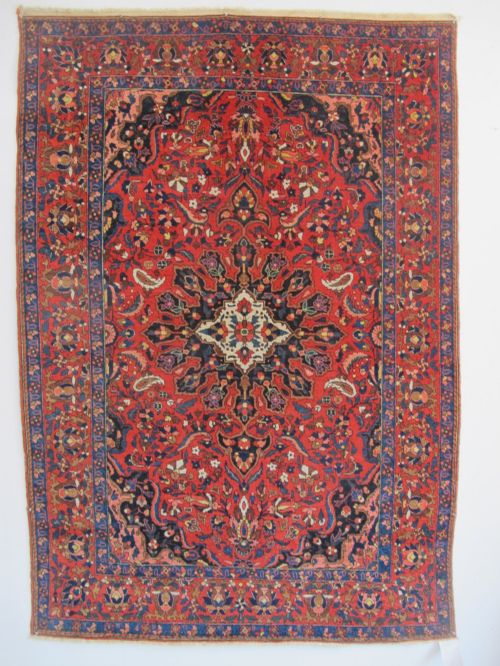
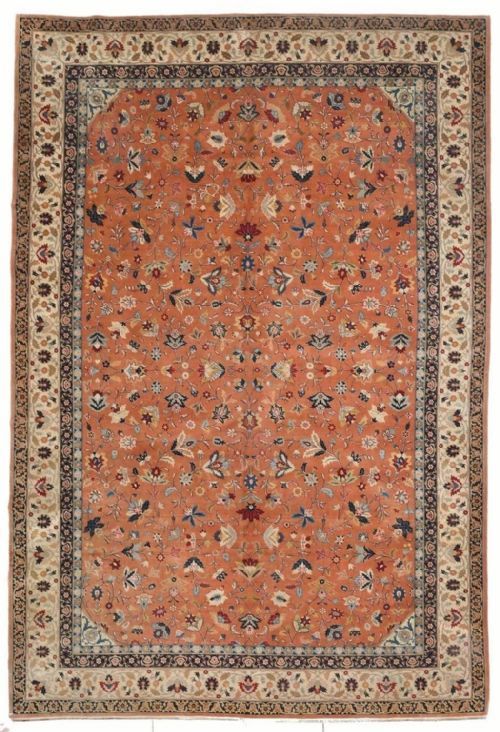
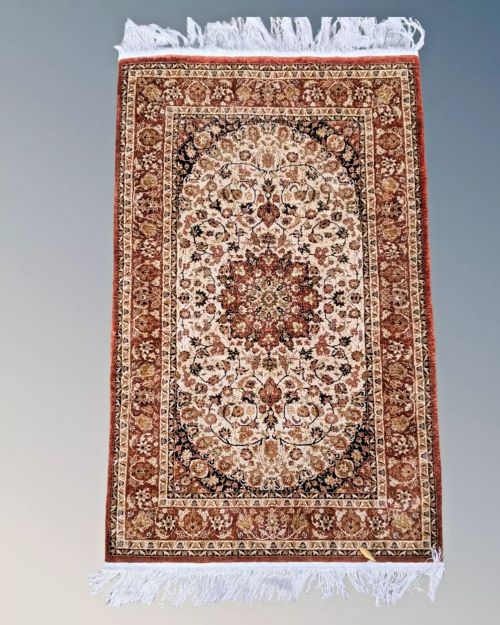
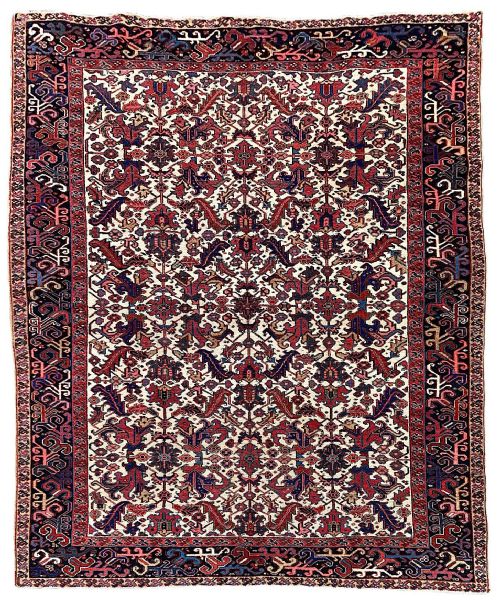
A persian floral woven rug gathers together room-sized carpets and smaller hearth-sized floor coverings originating from weaving centres across Persia and neighbouring regions. These pieces span from the late nineteenth century through to the early decades of the twentieth century, recording traditional styles such as Heriz, Bakhtiari, Tabriz, Sultanabad, Mahal, and Isfahan.
Buyers exploring this selection encounter wool, cotton, and occasionally silk constructions featuring elaborate floral, vine, and tree of life patterns. Village rugs display geometric interpretations of floral themes, whilst city pieces show finely curved botanical medallions and intricate field designs.
How they were made
These floor coverings utilise hand-spun wool for the pile, providing resilience and warmth underfoot, often set against sturdy cotton warps and wefts that maintain the structural integrity of the weave. Selected pieces incorporate silk highlights to accentuate particular botanical details within the design.
Weavers knotted the pile by hand onto vertical looms, employing asymmetrical and symmetrical knotting techniques handed down through generations of regional makers. Natural and early synthetic dyes provided the palette, creating depth of tone that mellows gracefully over decades of use.
Current listings feature pieces dated across the late nineteenth and early twentieth centuries, employing wool, cotton, and silk.
What varies in quality
Knot density and the precision of the underlying design dictate the refinement of a woven carpet, distinguishing between rustic village work and sophisticated urban output. Tightly packed knots allow intricate floral curves to remain crisp and legible across the field.
The choice of materials also influences the character of the piece, with finer wool grades and occasional silk additions creating a softer handle and greater luminosity. Consistency in dye saturation and the harmony of the colour palette determine the overall visual balance.
Benlian
The Persian Floral Woven Rug Glossary
- Warp
- The stationary vertical threads stretched upon a loom before weaving begins. These foundational threads form the fringe at either end of a finished carpet.
- Weft
- The horizontal threads passed across the warp strands to lock the rows of knots in place. They contribute to the structural firmness of the rug.
- Pile
- The upright cut ends of yarn that form the usable surface of a woven rug. Its thickness and density dictate the tactile feel of the textile.
- Medallion
- A symmetrical central ornament placed in the middle of the field. This focal motif dominates the composition of many classical Persian designs.
- Kilim
- A flat-woven carpet or rug produced without a pile by tightly interweaving warp and weft strands. These pieces offer a lightweight alternative to piled floor coverings.
Persian Floral Woven Rug: Frequently Asked Questions
How do I choose the right size?
Consider the dimensions of your room and furniture placement to determine whether you need a compact hearth-sized rug or a large carpet. Smaller formats suit seating areas or bedrooms, whilst room-sized carpets anchor dining and main living spaces.
Ensure sufficient bare floor remains around the perimeter of the rug to frame the piece correctly within the interior scheme.
Where were these rugs made?
These textiles originate from various weaving regions and towns across Persia, including Heriz, Tabriz, Isfahan, Bakhtiari, Sultanabad, and Mahal. Each district developed distinct aesthetic traditions and knotting techniques that reflect local heritage.
Some pieces also derive from neighbouring weaving traditions such as Kashmir, sharing stylistic affinities with classical Persian formats.
How should I care for my rug?
Regular gentle vacuuming without a rotating brush roll prevents dust accumulation within the wool pile. Professional cleaning by specialists in antique textiles ensures the preservation of natural dyes and delicate fibres.
Positioning the rug out of direct, harsh sunlight protects the natural dyes from uneven fading over time.
Are these rugs suitable for high-traffic areas?
The durable wool pile and sturdy cotton foundations of these hand-woven carpets provide natural resilience for daily use. Traditional village and city weaves were constructed to withstand generations of domestic activity.
Using a quality underlay helps absorb foot pressure and prevents slipping on hard floor surfaces.