





Persian Flatweave Wall Hanging
When you search for a persian flatweave wall hanging, you are discovering vibrant tribal textiles originally crafted for nomadic daily life.
Persian Flatweave Wall Hanging
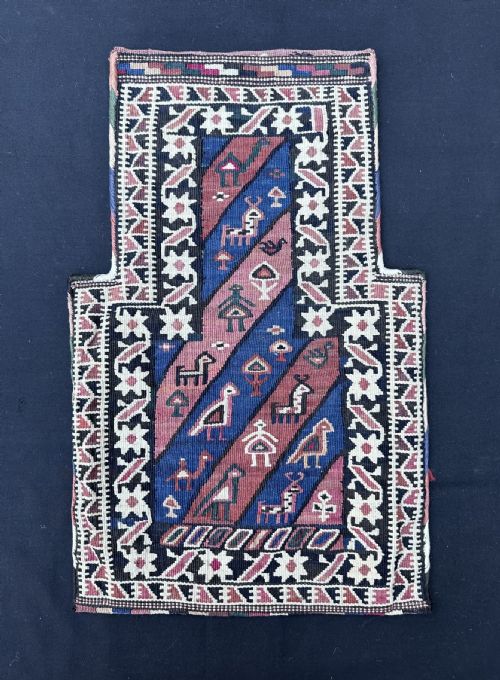
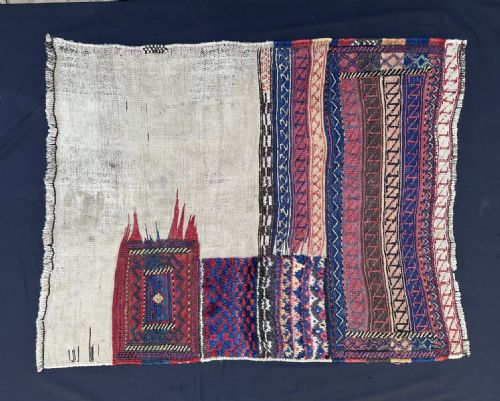
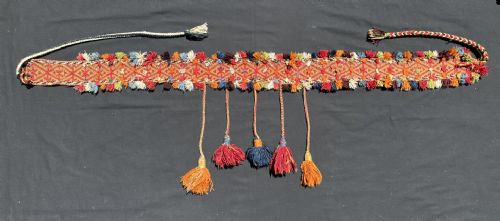
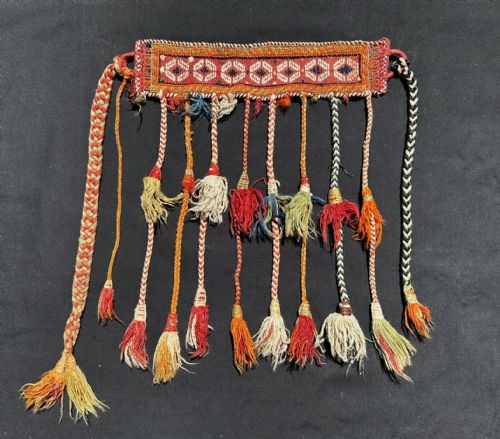
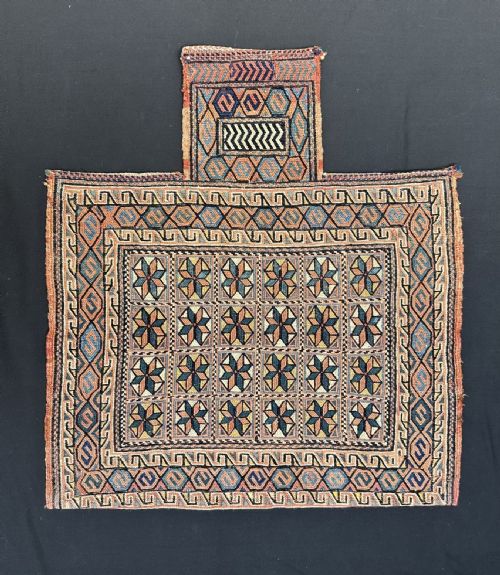
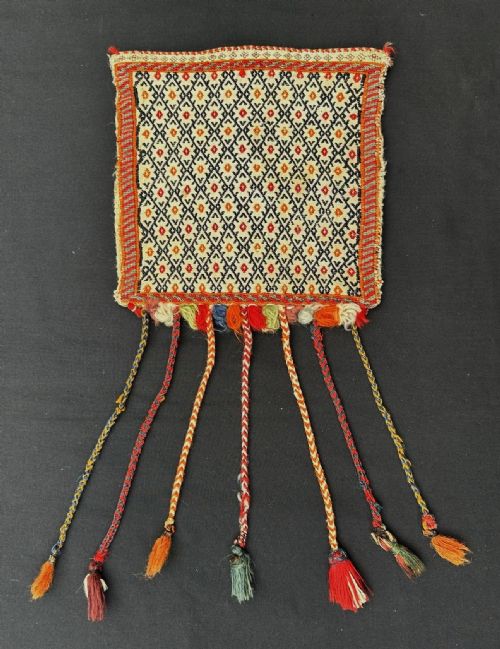
A persian flatweave wall hanging typically originates from nomadic or village groups such as the Qashqai, Afshar, Shahsavan, and Baluch tribes. These pieces manifest primarily as functional domestic items, including salt-bags, grain sacks known as tacheh, and dining cloths called sofreh, repurposed for interior display.
The aesthetic reflects regional traditions across Persia, spanning Fars, Kerman, Khorassan, and Azerbaijan during the nineteenth and early twentieth centuries. Each format embodies the distinct visual vocabulary of its maker, translating utilitarian objects into textile art suitable for modern walls.
Materials and construction
Weavers constructed these textiles predominantly using hand-spun wool and cotton foundations, occasionally incorporating goat hair for durability or silk accents. Natural dyes supplied a rich palette derived from local flora and minerals, yielding depth across the weave.
Techniques varied between plain weave, soumac wrapping, and banded weft work, depending on whether the item functioned as a flexible storage bag or a sturdy floor or dining cloth. Artisans frequently integrated decorative elements such as cowrie shells or supplementary weft patterns into the surface.
Listings feature wool, cotton, and natural dyes across nineteenth and early twentieth century periods.
Distinctions in craftsmanship
Quality separates pieces by the precision of the tribal patterning, the saturation and variety of the natural dyes, and the fineness of the hand-spun wool. Tightly woven structures with complex iconography, such as animal trappings or specific tribal motifs, demonstrate superior execution.
Preservation of original structures, including complete backs on bags or intact borders on sofreh, elevates an example. The handling of secondary materials like cotton or goat hair further indicates the maker's technical capability.
The Persian Flatweave Wall Hanging Glossary
- Sofreh
- A woven cloth utilised for dining or kneading bread within nomadic households. These flatweaves often feature geometric field designs.
- Tacheh
- A traditional grain or wheat sack woven by tribal groups in western Persia. They display robust construction and utilitarian patterning.
- Soumac
- A wrapping technique where weft threads are looped over and under warp threads to create a textured, durable surface. This method allows for crisp geometric details.
- Chanteh
- A small vanity or personal bag produced by tribal weavers. They frequently serve as compact examples of regional ornamentation.
- Jajim
- A flatwoven textile constructed from narrow strips stitched together. They utilise bright colour bands and geometric repeats.
Persian Flatweave Wall Hanging: Frequently Asked Questions
What is a Persian flatweave?
A Persian flatweave is a non-pile textile produced by nomadic and village weavers across Iran using warp and weft interlocking techniques. These pieces include utilitarian bags, grain sacks, and dining cloths.
Historically created for transport, storage, or domestic dining, these flatweaves now function as wall hangings due to their striking geometric designs and natural dye palettes.
How were these bags used originally?
Nomadic groups utilised these woven pieces for practical daily tasks, carrying salt, grain, and personal belongings during seasonal migrations. Saddlebags transported goods across pack animals.
Dining sofreh served as clean surfaces for communal meals on the ground, while specialised bags held household provisions within tribal tents.
How do I hang a flatweave safely?
Hanging a textile requires distributing the weight evenly across the top edge without puncturing or stressing the wool or cotton fibres. Conservation-grade mounting methods utilise custom fabric sleeves or gentle padding.
Avoiding direct, harsh sunlight prevents the natural dyes from fading over time while preserving the structural integrity of the weave.
How can I tell different tribal styles apart?
Tribal styles differ through distinct regional palettes, wool preparation, and specific geometric or zoomorphic motifs. Afshar pieces often display boteh or bird patterns within structured borders.
Shahsavan flatweaves frequently employ precise soumac technique with dragon or hooked polygon motifs, whereas Qashqai works show vibrant polychrome compositions from the Fars province.