

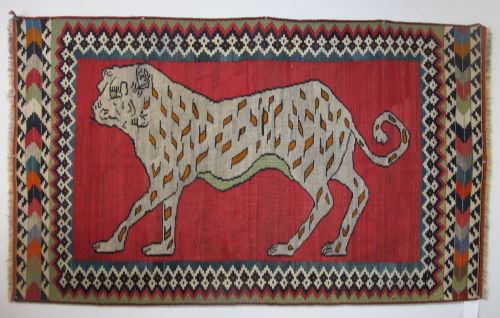

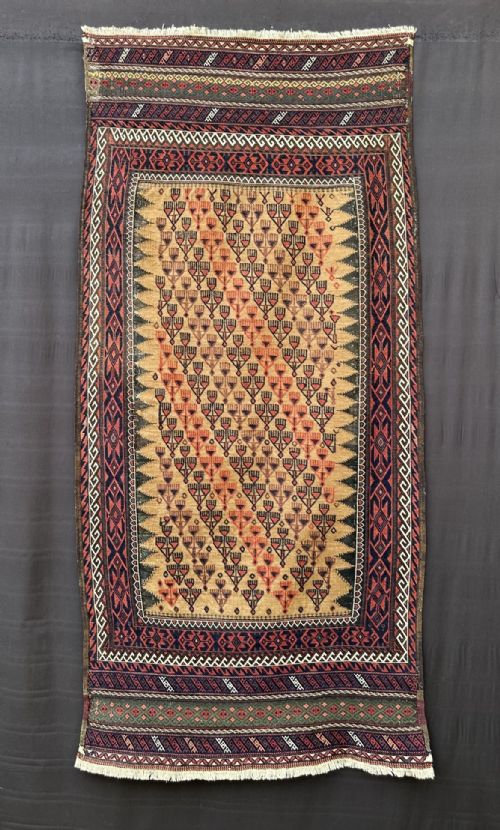

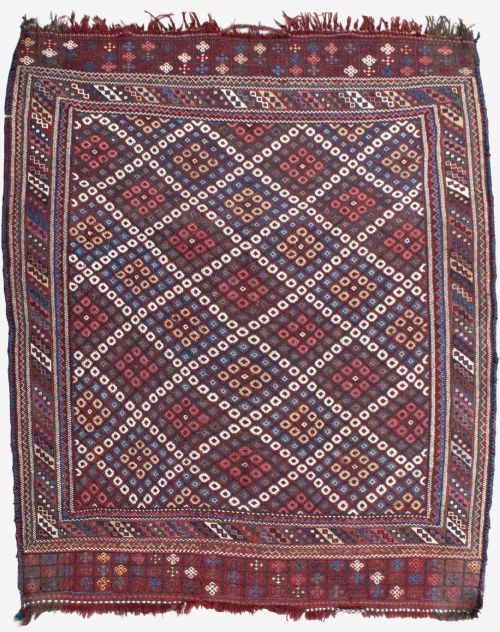


Persian Flatweave Kilim
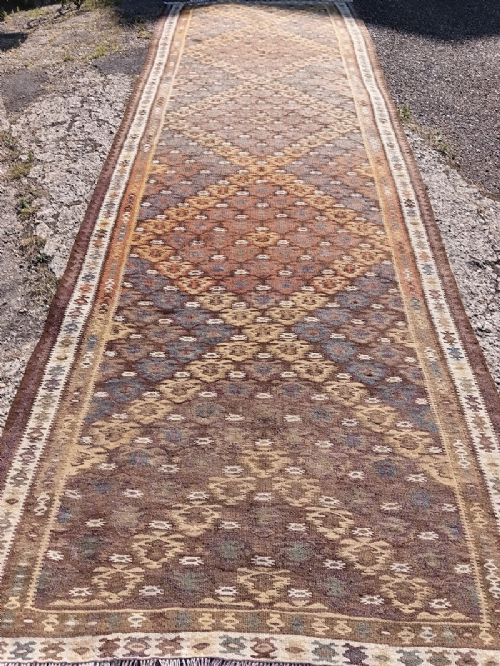
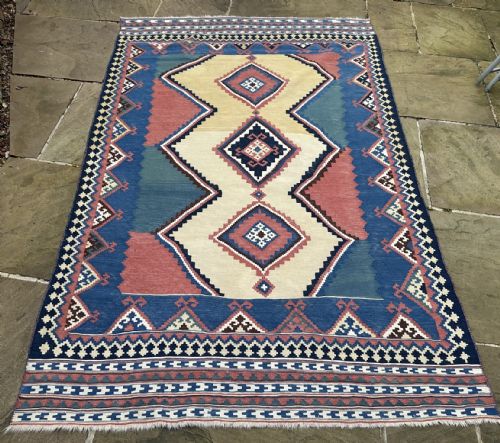
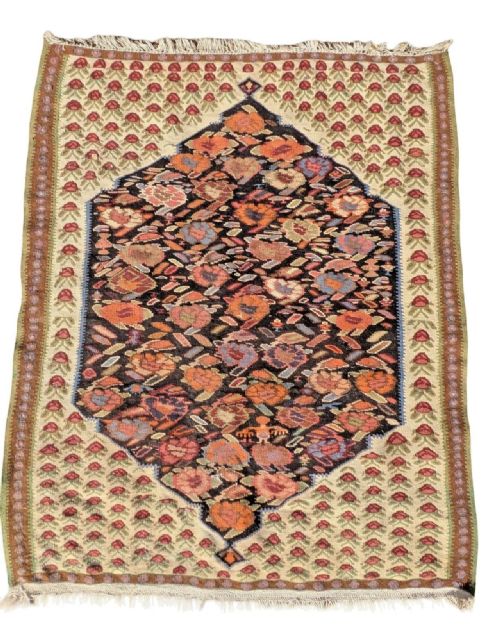
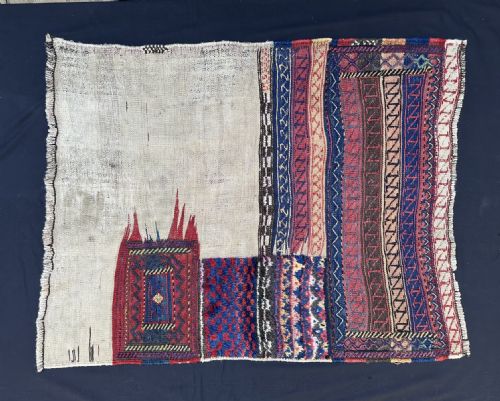
These persian flatweave kilim pieces are warp-faced or slit-woven textiles created by nomadic and tribal weavers across western, southern, and eastern regions.
Persian Flatweave Kilim
A persian flatweave kilim encompasses utilitarian domestic weavings, food-preparation cloths known as sofreh, grain sacks called tacheh, storage bags, and floor coverings produced across Persia from the nineteenth century into the early twentieth century.
The versions most commonly met on this page originate from tribal confederacies and regional groups such as the Qashqai, Afshar, Luri-Bakhtiari, and Baluch.
These textiles were woven for daily nomadic life, serving specific functions like bread-making, table cloths, and grain storage, rather than purely for decoration.
Factors determining quality
Quality rests upon the fineness of the weave, the clarity and depth of natural colour achieved through traditional dyeing, and the complexity of the tribal design.
Early examples retain crisp geometric structure and original finishing such as plain weave backs or complete borders, whereas lesser pieces show compromised structural integrity or fading.
Persian Flatweave Kilim Retail Price Guide 2026
Typical asking prices for persian flatweave kilim among the pieces listed under this phrase on Sellingantiques today, from the lower quarter to the upper quarter. They describe what is for sale here now, not the wider market.
Materials documented across the inventory include hand-spun wool, cotton, natural dyes, goat hair, leather, metal, and camel hair.
The Persian Flatweave Kilim Glossary
- Kilim
- A flat-woven textile or rug made without a pile by interlocking weft threads tightly over warp threads. This technique creates a smooth surface with patterns visible on both sides.
- Sofreh
- A cloth traditionally used for spreading meals or kneading and baking bread within nomadic and tribal households. These rectangular textiles often display striking minimalist or geometric fields.
- Tacheh
- A utilitarian grain or wheat sack woven by tribal groups to transport and store harvests. They frequently feature robust flatweave designs intended for heavy domestic utility.
- Soumak
- A brocade-like flatweaving technique where pattern threads are wrapped over and under the warp threads. This method adds structural weight and raised texture to the surface.
- Warp
- The stationary vertical threads stretched tightly on a loom before weaving begins. The weft threads are passed horizontally across these foundational strands.
Persian Flatweave Kilim: Frequently Asked Questions
How do I care for an antique kilim?
Gentle vacuuming without a rotating brush helps remove dust without catching loose weft threads or damaging the historical structure.
Professional textile cleaning is recommended for deeper maintenance, and avoiding direct, harsh sunlight prevents natural dyes from fading over time.
How can I tell which tribe made a kilim?
Tribal attribution relies on specific structural traits, characteristic colour palettes, and distinct geometric motifs tied to geographic regions like Fars, Kerman, or the Chahar Mahal valley.
Weavers from groups such as the Qashqai or Afshar employed particular structural signatures and wool preparations that separate them from other tribal makers.
Are all flatweaves antique?
The pieces found within these listings date from the nineteenth century up through the early decades of the twentieth century.
Objects from this era were hand-spun and coloured using traditional natural dyes prior to the widespread introduction of commercial synthetic dyes.