

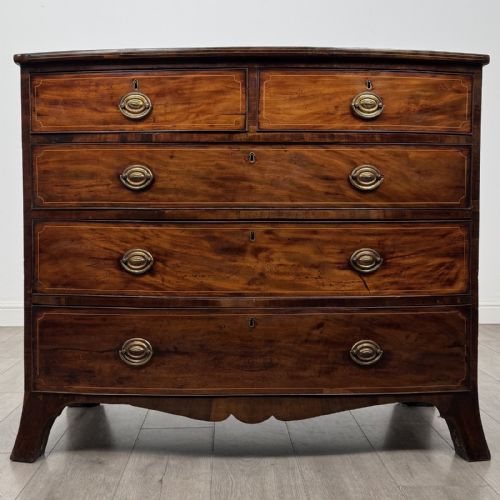
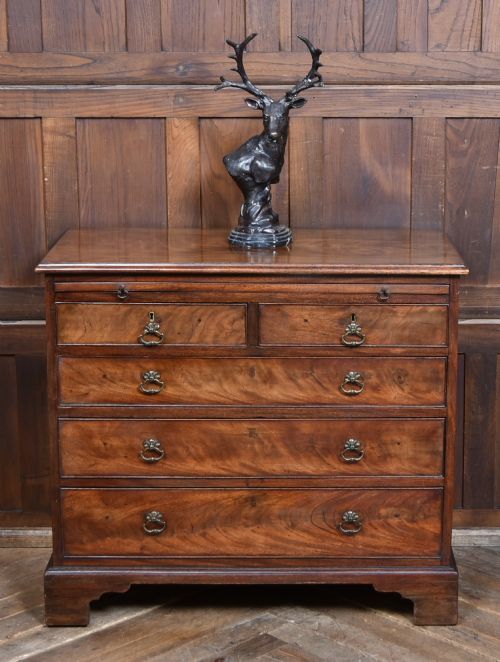
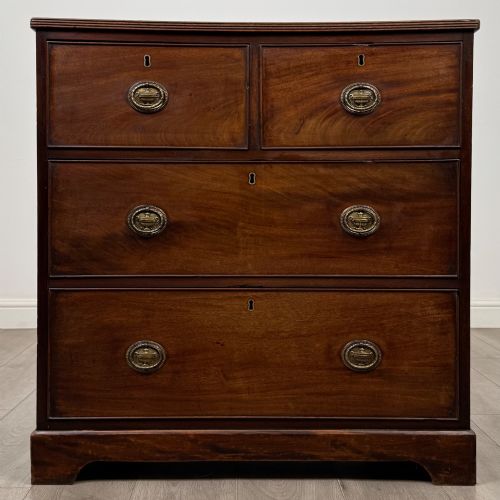
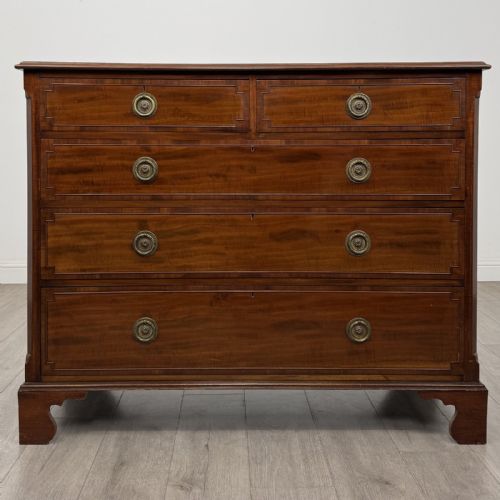
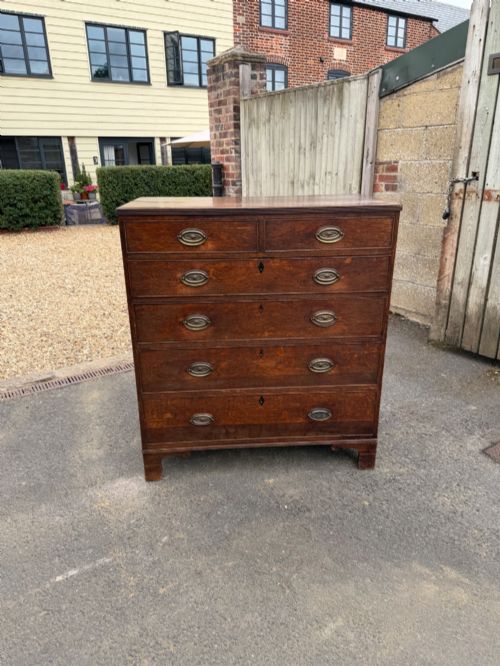
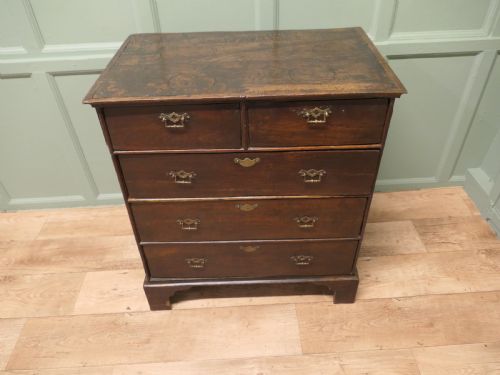

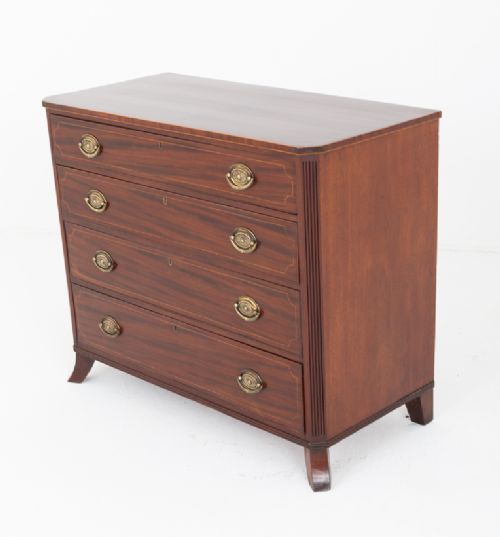
Period Wooden Tallboy
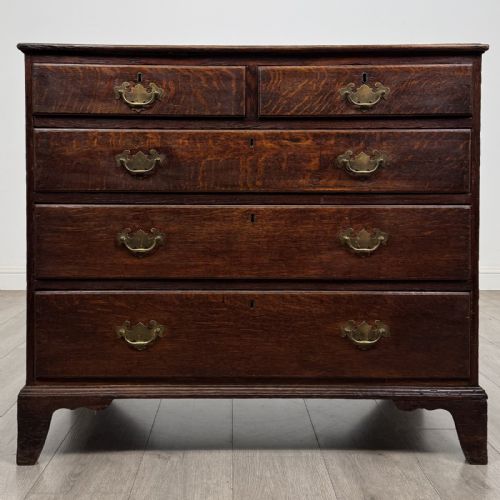
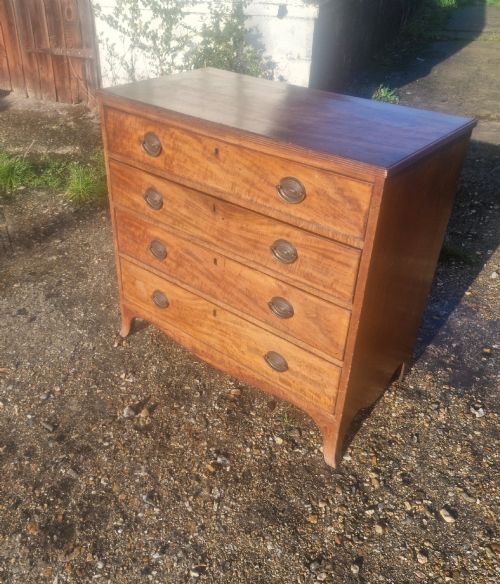
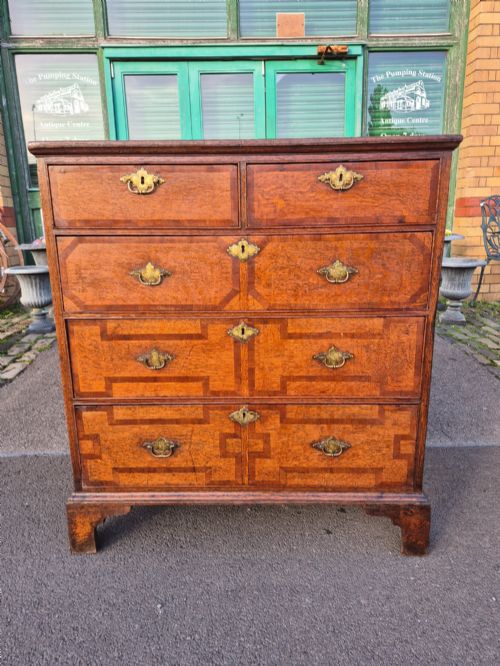
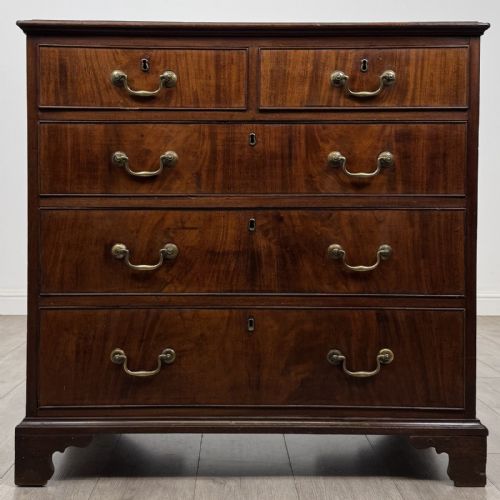
A period wooden tallboy brings substantial scale and rich timber grain to a room, offering generous storage through stacked drawers.
Period Wooden Tallboy
A period wooden tallboy represents vertical storage solutions spanning several centuries of cabinet making, primarily taking the form of chests of drawers and linen presses. Buyers seeking these items will encounter pieces originating from the 17th Century, Georgian era, Regency period, and Edwardian times.
The selection on this page relies heavily on foundational forms like chests of drawers alongside related linen presses and chests on stand. Oak and mahogany dominate these early and classical designs, complemented by walnut, elm, and satinwood.
Most examples lean towards Georgian and Regency aesthetics, showcasing utilitarian utility combined with refined proportions. These taller case pieces maximise floor space while delivering deep storage capacity through multiple graduated drawers.
Distinctions in Quality
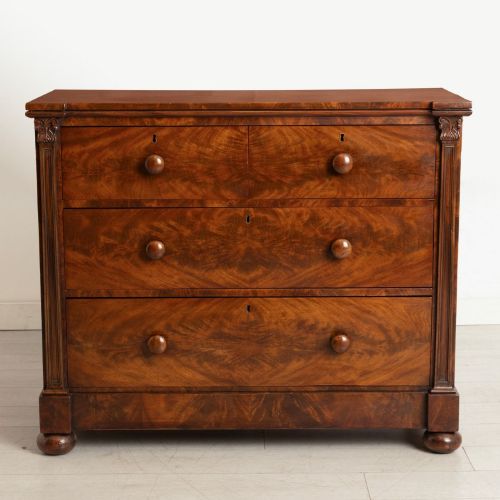
Quality rests upon the selection of timber, particularly the choice of figured mahogany, rich walnut, or quarter-sawn oak. Superior examples display careful grain matching across the drawer fronts and harmonious proportions throughout the carcass.
Refinement in secondary details, such as bracket feet, inlaid stringing, and original brass fittings, elevates a piece. The crispness of carved mouldings and the precision of the drawer joints separate standard utility furniture from finer workshops.
Period Wooden Tallboy Retail Price Guide 2026
Typical asking prices for period wooden tallboy among the pieces listed under this phrase on Sellingantiques today, from the lower quarter to the upper quarter. They describe what is for sale here now, not the wider market.
Listings feature woods including mahogany, oak, walnut, pine, satinwood, iron, bone, yew, and elm.
J Moorcroft
The Period Wooden Tallboy Glossary
- Tallboy
- A tall chest of drawers, often constructed in two sections with multiple drawers stacked vertically. This form provides substantial storage whilst occupying a modest footprint on the floor.
- Bow front
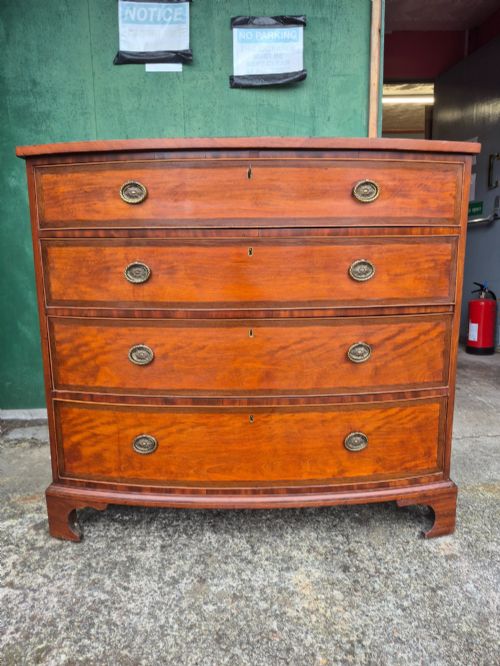
- A convex curved cabinet front that projects outward in the centre. This decorative shaping appears frequently on Georgian and Regency pieces.
- Bracket foot
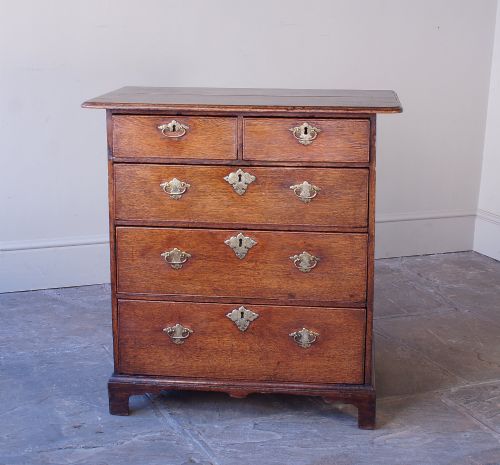
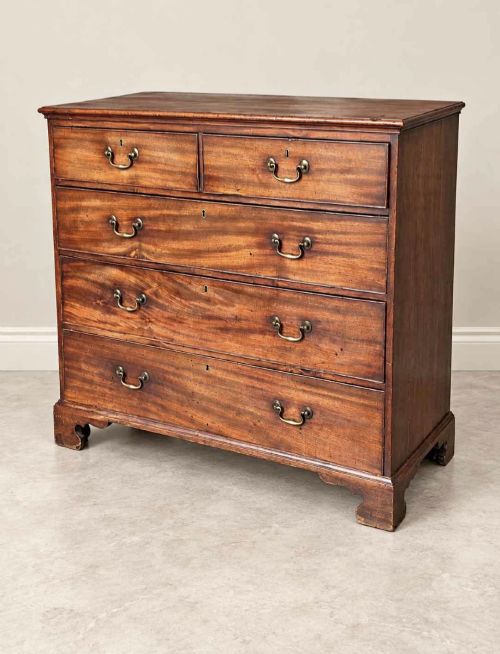
- A structural support foot shaped like an architectural bracket, commonly used on 18th century case furniture. It lifts the carcass slightly off the floor.
- Linen press
- A tall storage piece combining upper cupboard doors enclosing sliding trays with lower drawers. Originally designed for storing household textiles.
- Stringing
- Thin inlay lines of a contrasting wood used to outline drawer fronts and panels. This decorative technique highlights the geometric lines of the furniture.
Period Wooden Tallboy: Frequently Asked Questions
What defines a tallboy?
A tallboy is essentially a tall chest of drawers designed to provide maximum vertical storage without taking up excessive floor space. These pieces often feature graduated drawers stacked securely within a solid wooden carcass.
Historically, they evolved to meet the growing demand for domestic storage in bedrooms and dressing rooms. Their imposing height distinguishes them from standard low chests.
How do I care for wooden surfaces?
Maintaining period wooden furniture requires stable room humidity and protection from direct sunlight to prevent timber shrinkage or fading. Regular dusting with a soft, dry cloth preserves the natural finish without damaging the patina.
Applying occasional appropriate wax feeds the antique wood and protects the grain. Avoid placing damp items or harsh chemical cleaners directly onto the antique surfaces.
How are Georgian and Regency styles different?
Georgian furniture generally emphasises classical symmetry, solid proportions, and robust timbers like oak and early mahogany. Details often include bracket feet and restrained brass hardware.
Regency design introduces lighter woods, satinwood accents, and decorative elements inspired by classical antiquity. Pieces from this later period frequently employ flame mahogany veneers and occasional faux bamboo turning.
Where should I place a tallboy?
A tallboy suits bedrooms, hallways, or dressing areas where vertical wall space allows the piece to anchor the room. Its tall profile makes efficient use of corners and narrow wall sections.
Ensure the placement allows sufficient clearance for drawers to open fully without obstruction. Positioning the piece away from direct heat sources protects the antique wood joints.