


Period Wooden Sideboard
A period wooden sideboard brings grounding weight and practical storage to a dining room, uniting rich timber grain with centuries of functional design.
Period Wooden Sideboard
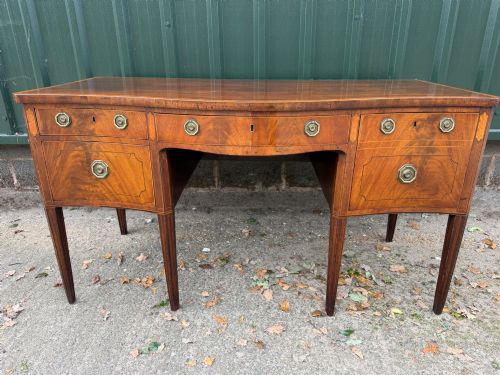
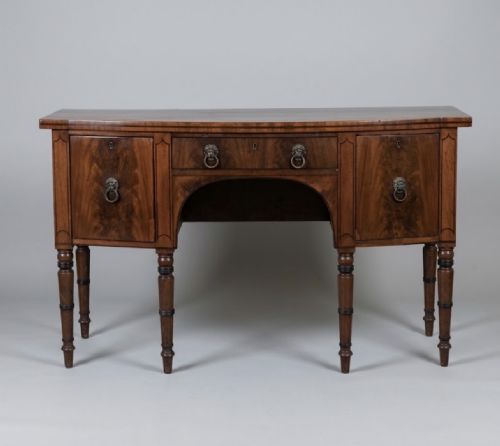
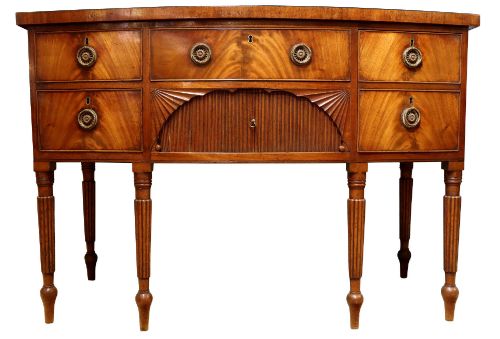
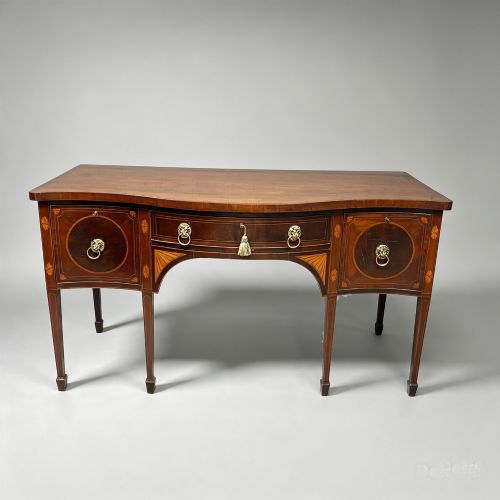
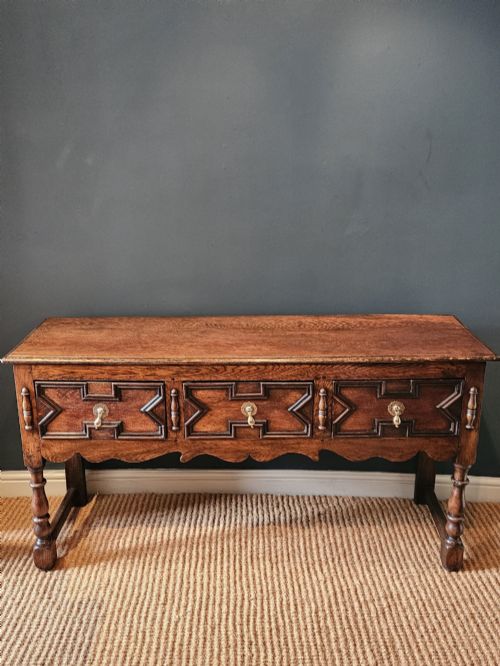
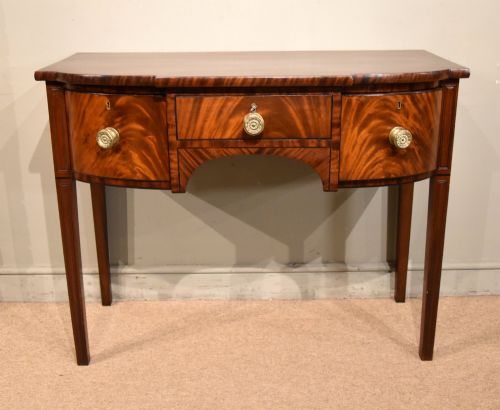
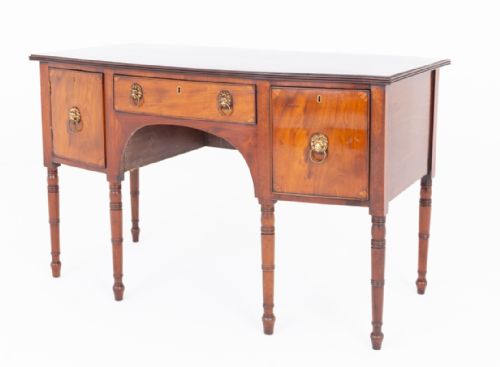
A period wooden sideboard serves as a substantial focal point for dining and living spaces, offering generous surface areas and enclosed storage for serving ware and household items. When exploring a period wooden sideboard, you will most frequently encounter nineteenth-century Regency examples alongside Georgian, Victorian, and seventeenth-century variants.
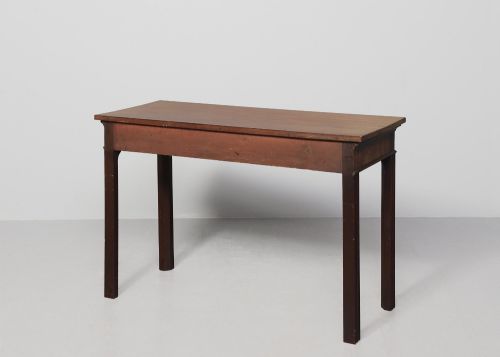
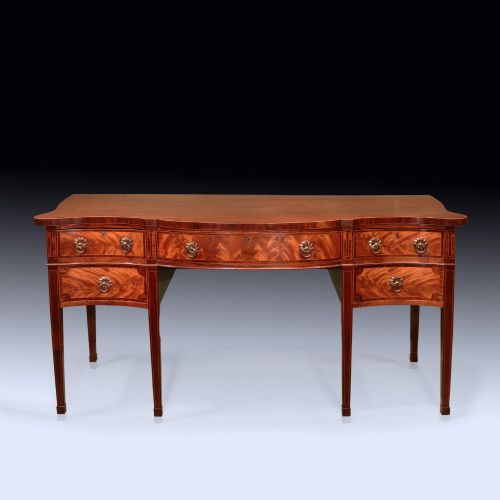
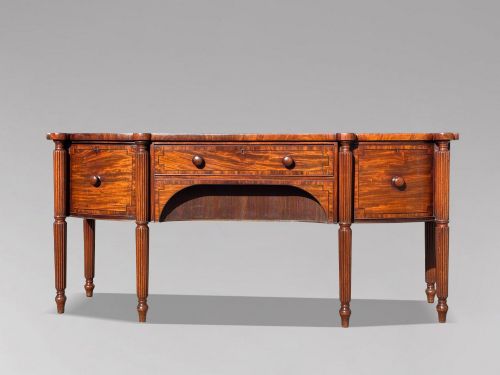
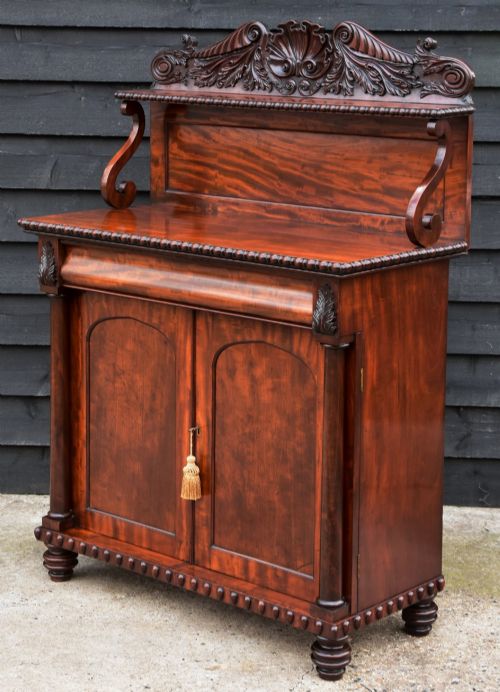
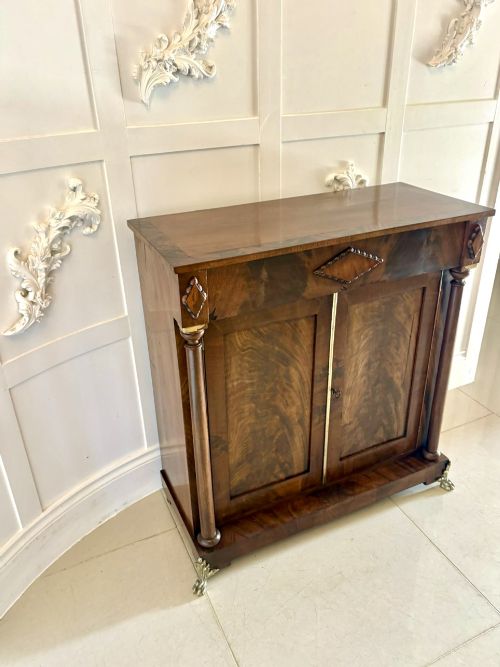
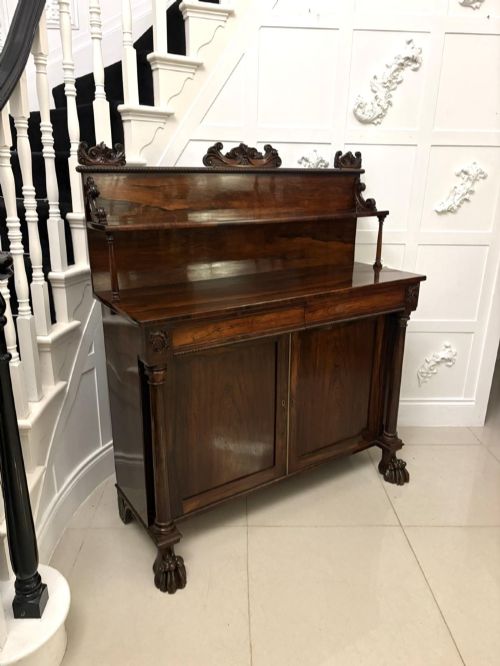
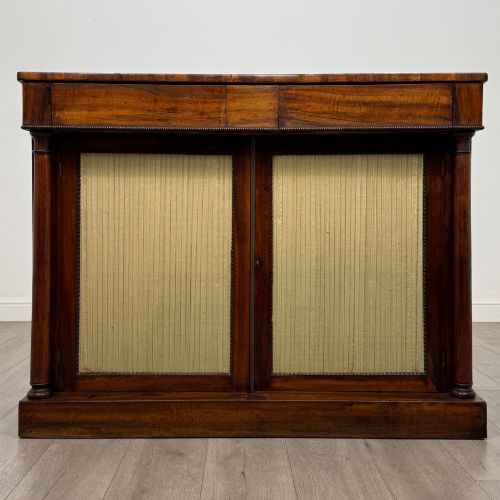
The inventory on this page spans distinct forms including traditional sideboards, chiffoniers, side cabinets, console tables, and serving dressers. These functional items reflect changing domestic dining habits across the Georgian, Regency, and Victorian eras.
Origins vary from British workshops working in mahogany and oak to occasional international forms like Japanese tansu chests. The selection emphasises timber construction ranging from simple geometric moulded oak to highly figured mahogany veneers.
What varies in quality
Quality rests upon the selection of timber figures, such as symmetrical flame mahogany or carefully matched amboyna veneer, paired with crispness in inlaid boxwood details and brass mounts. Superior examples demonstrate refined proportions and meticulous joinery that keep large console tables and side cabinets structurally sound.
Maker attribution elevates certain pieces, as seen in documented work from workshops like Gillows, where structural integrity matches exceptional surface finishing. Simpler vernacular items, such as oak dressers, rely on robust construction and honest patination rather than decorative veneer work.
Period Wooden Sideboard Retail Price Guide 2026
Typical asking prices for period wooden sideboard among the pieces listed under this phrase on Sellingantiques today, from the lower quarter to the upper quarter. They describe what is for sale here now, not the wider market.
Listings feature mahogany, oak, rosewood, amboyna, and gonçalo alves, alongside brass hardware and fabric panels.
Gillows
The Period Wooden Sideboard Glossary
- Bowfront
- A curved convex front typical of many Georgian and Regency sideboards and side servers. This shape softens the corners of dining room furniture while increasing internal capacity.
- Chiffonier
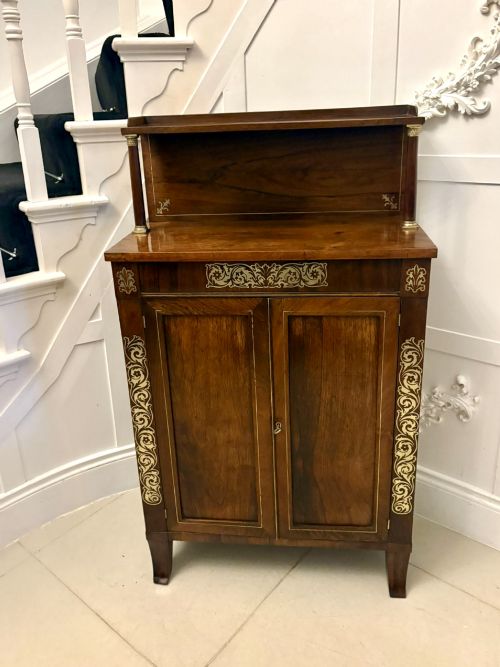
- A compact sideboard or low cabinet featuring a cupboard base, frequently surmounted by a small shelf or tier supported on pillars. These pieces became popular during the Regency and Victorian periods.
- Flame Mahogany
- A veneer cut from the fork of a mahogany tree where the branches join the trunk, producing a distinctive flame-like pattern. Cabinetmakers prized this figure for principal drawer fronts and doors.
- Gonçalo Alves
- A dense exotic hardwood with striking contrasting grain patterns used for decorative side cabinets in the Regency and Victorian eras. It provides a rich, highly figured surface alternative to native timbers.
Period Wooden Sideboard: Frequently Asked Questions
Where should I place a sideboard?
A period wooden sideboard traditionally anchors a dining room wall, offering a convenient surface for serving food and drinks during gatherings. They also function effectively in large hallways or living rooms to display lamps and store household linens.
Ensure you measure the available wall space and clearance for opening doors or drawers before positioning your cabinet. Placing the piece away from direct heat sources protects the timber and delicate veneers from drying out.
How do I care for antique mahogany?
Maintain antique mahogany surfaces by dusting regularly with a soft, dry cloth to prevent abrasive particle buildup. Apply a quality beeswax periodically to nourish the wood and preserve its deep natural lustre.
Avoid using modern silicone sprays or placing wooden furniture in direct sunlight, which can fade the rich reddish-brown tones. Keeping room humidity stable prevents the timber and underlying veneers from warping or cracking.
What is the difference between a sideboard and a chiffonier?
A sideboard is typically a long, low piece designed primarily for dining rooms to store cutlery, linen, and heavy serving dishes. They often feature multiple drawers flanked by cupboards.
A chiffonier is generally smaller and originated as a multi-purpose cabinet featuring enclosed storage below and sometimes a small raised shelf above. They emerged strongly during the Regency and Victorian periods for compact drawing room use.
How can I identify a Regency period piece?
Regency furniture, dating from the early nineteenth century, often incorporates classical architectural motifs inspired by ancient Greece and Rome. Look for brass inlay, reeded legs, and exotic veneers like amboyna or gonçalo alves.
The lines tend to be clean and architectural, reflecting the design tastes influenced by the Prince Regent. Proportions remain balanced, with an emphasis on rich timber grain rather than heavy carving.