


Period Wooden Panelling
Period wooden panelling brings tangible history indoors through centuries of grain and joinery.
Period Wooden Panelling
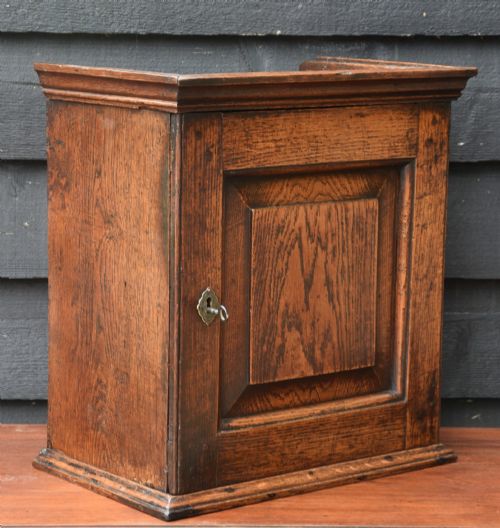
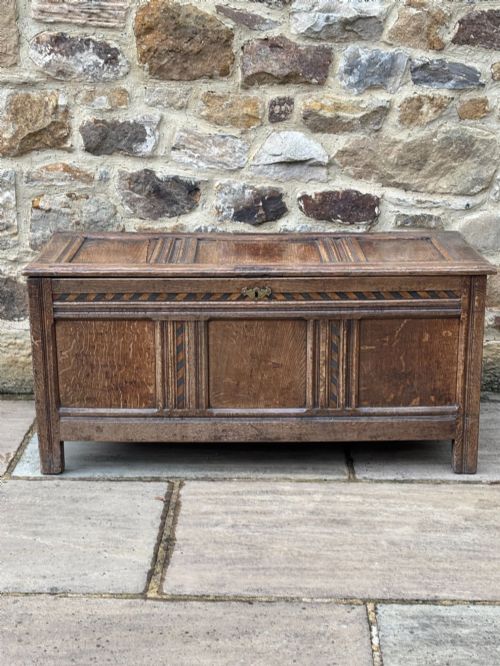
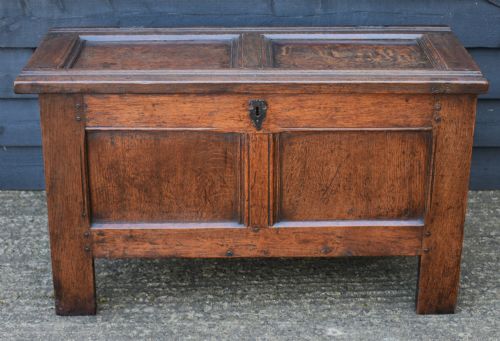
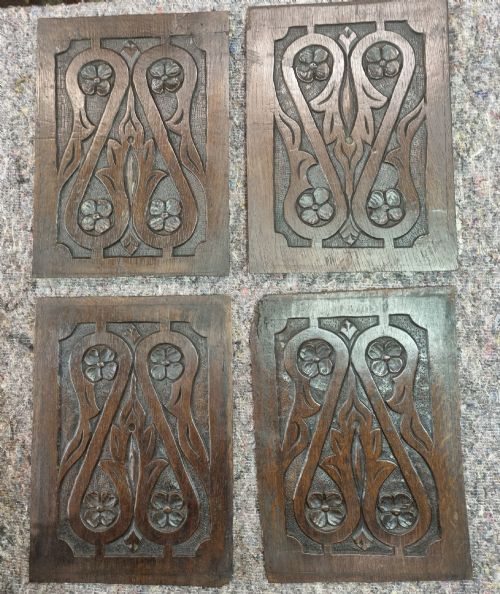
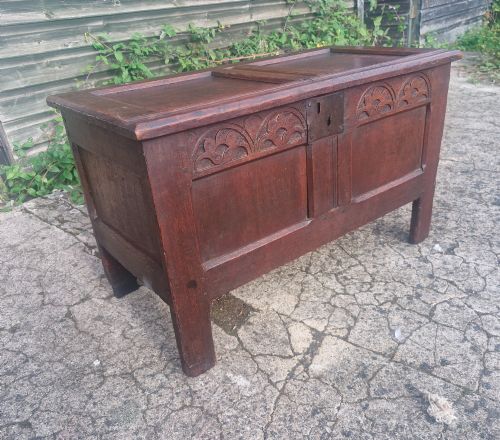
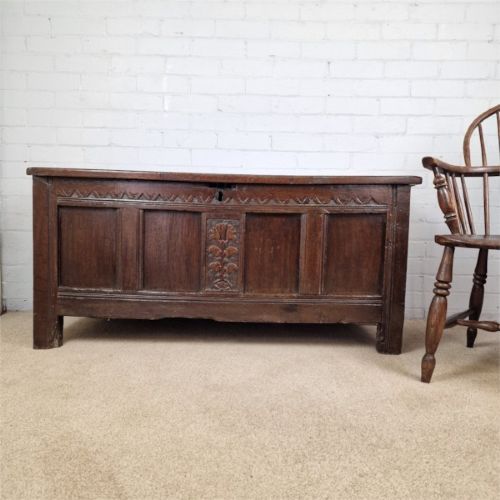
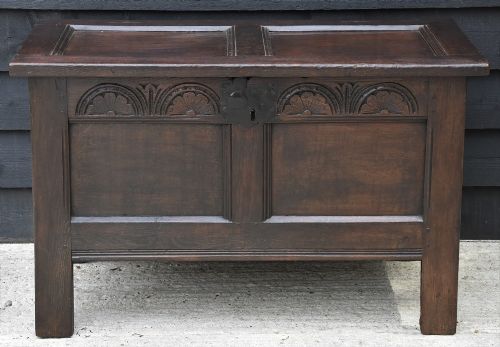
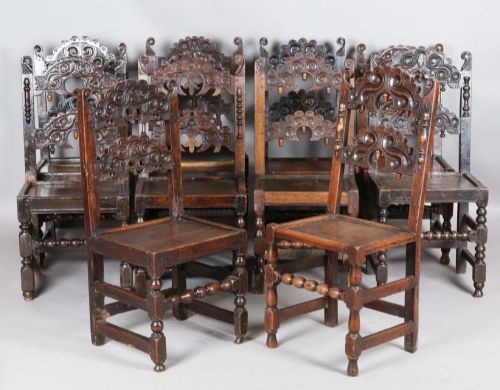
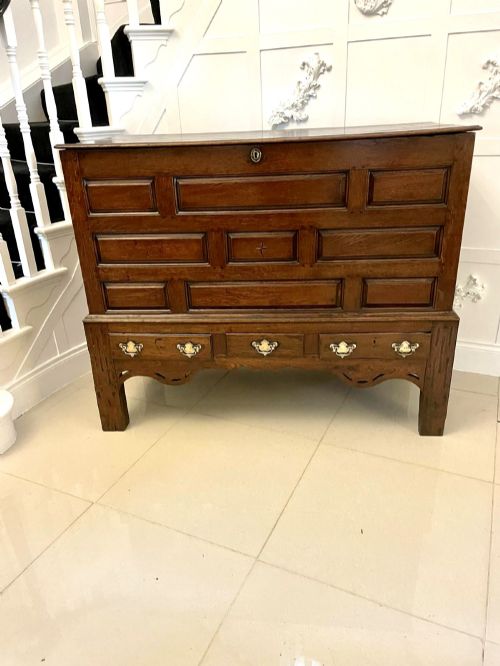
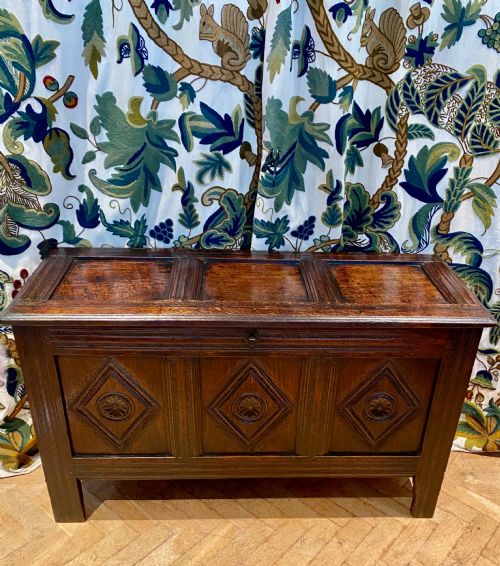
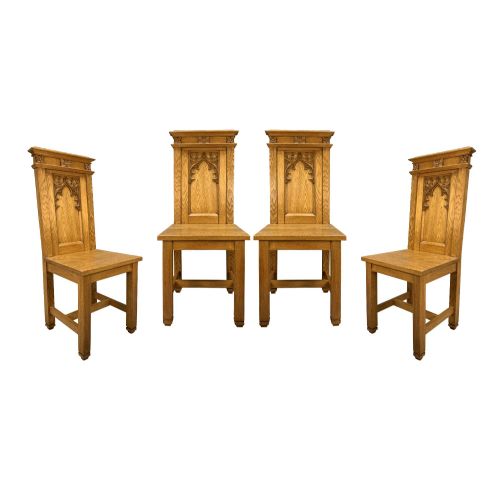
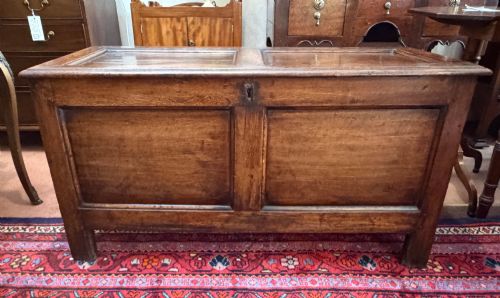
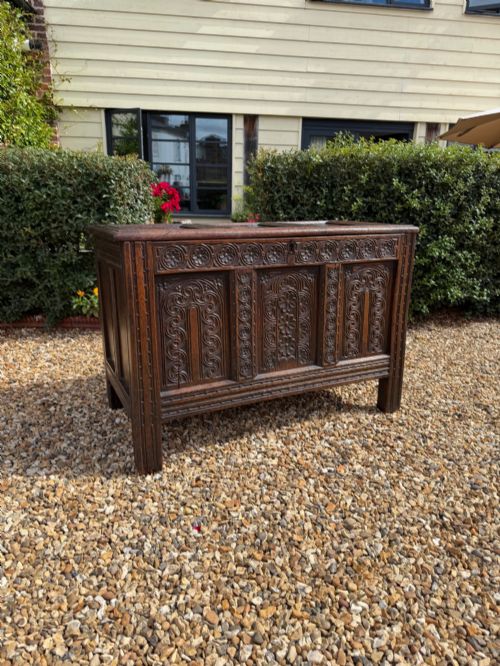
When you search for period wooden panelling, you encounter architectural elements and fitted components alongside furniture assembled from structural panels. The examples seen here predominantly manifest as 17th-century and 18th-century coffers, chests, and wainscot armchairs built from sturdy timber.
The inventory extends across sixteenth-century Elizabethan items up to nineteenth-century interpretations that incorporate earlier components. Alongside storage chests, buyers meet sets of carved panels and seating designed with similar carpentry traditions.
How they were made
Construction relies heavily on oak, English oak, and occasionally mahogany or wider mixed woods shaped by traditional joinery methods. Artisans built structural forms using pegged joints, stiles, and rails to frame individual wooden panels.
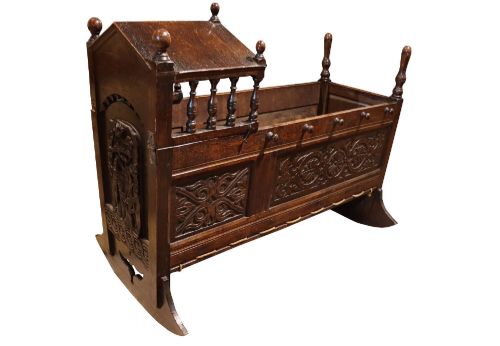
Surface ornamentation integrates carved motifs, marquetry inlay, and timber inlay executed with hand tools. Metal elements in brass and iron appear selectively on hinges, locks, and handles.
Period Wooden Panelling Retail Price Guide 2026
Typical asking prices for period wooden panelling among the pieces listed under this phrase on Sellingantiques today, from the lower quarter to the upper quarter. They describe what is for sale here now, not the wider market.
Several heavy oak coffers double cheerfully as window seats, proving our ancestors appreciated a comfortable view.
What varies in quality
Quality separates pieces through the crispness of the original carving and the integrity of the joined framework. Items retaining their untouched timber surfaces display a depth of patina that alters the visual weight of the construction.
The sophistication of the timber inlay and the restraint or ambition of the decorative carving dictate the tier of the piece. Earlier sixteenth-century and seventeenth-century examples derive distinction from regional joinery quirks and the survival of their primary structure.
The Period Wooden Panelling Glossary
- Coffer
- A heavy wooden chest traditionally used for storage, constructed with framed panels and sturdy stiles. These boxes often served multiple domestic purposes including seating.
- Wainscot
- A type of sturdy wooden armchair constructed with panelled backs and solid timber seats, prevalent during the seventeenth century. The term also applies more broadly to wall panelling.
- Marquetry
- Decorative veneer work arranged in geometric or pictorial patterns using various coloured timbers. This technique adorns the surface of select seventeenth-century chests.
- Joined oak
- Furniture constructed using mortise and tenon joints secured by wooden pegs rather than metal nails. This method defines the structural integrity of early English pieces.
Period Wooden Panelling: Frequently Asked Questions
How were period coffers used?
Period coffers functioned primarily as secure storage for valuables, linens, and documents within the home. Their flat tops also allowed them to serve as benches or window seats.
Over time, these versatile boxes moved between the hall, bedchamber, and parlour as domestic storage needs shifted.
What is a wainscot armchair?
A wainscot armchair is a heavy wooden seat built using panel construction methods similar to wall panelling. These chairs were costly items status symbolising household authority.
They typically feature high panelled backs, solid wooden seats, and sturdy arm supports rooted in seventeenth-century joinery.
How do you date oak coffers?
Dating relies on observing construction techniques, tool marks, joinery styles, and the evolution of carved decorative motifs. Sixteenth and seventeenth-century pieces use pegged frame and panel construction.
Later Victorian reproductions often incorporate genuine earlier panels into newly built carcases, requiring careful inspection of the timber grain.
What is timber inlay?
Timber inlay involves fitting contrasting pieces of wood into recessed cavities on a surface to create decorative patterns. Craftsmen utilised this technique on seventeenth-century coffers to enrich the visual texture.
This painstaking method contrasts with surface painting by embedding the design directly into the structural wood.