

Period Wooden Desk
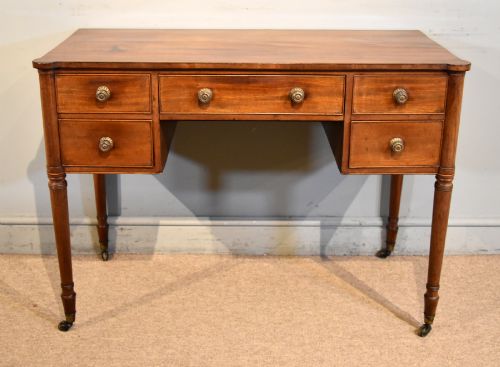
A period wooden desk brings centuries of craftsmanship into a room, offering a solid workspace shaped by Georgian, Regency, and earlier hands.
Period Wooden Desk
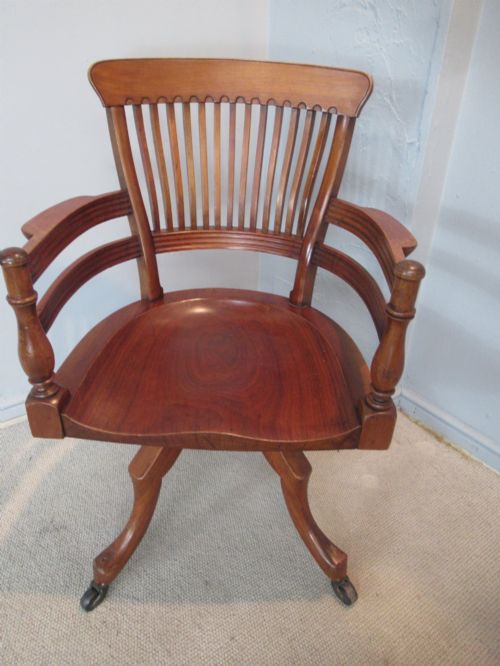
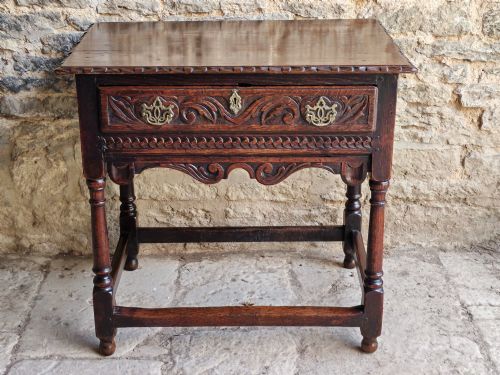
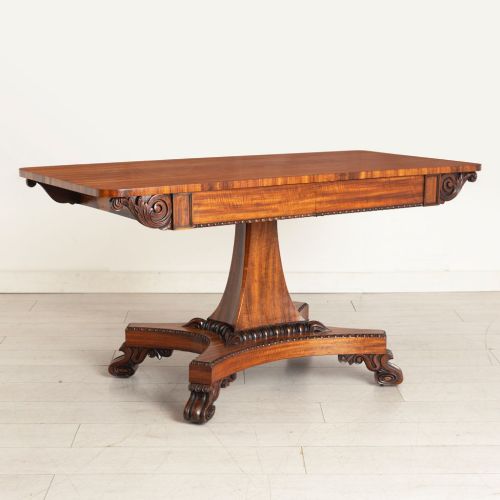
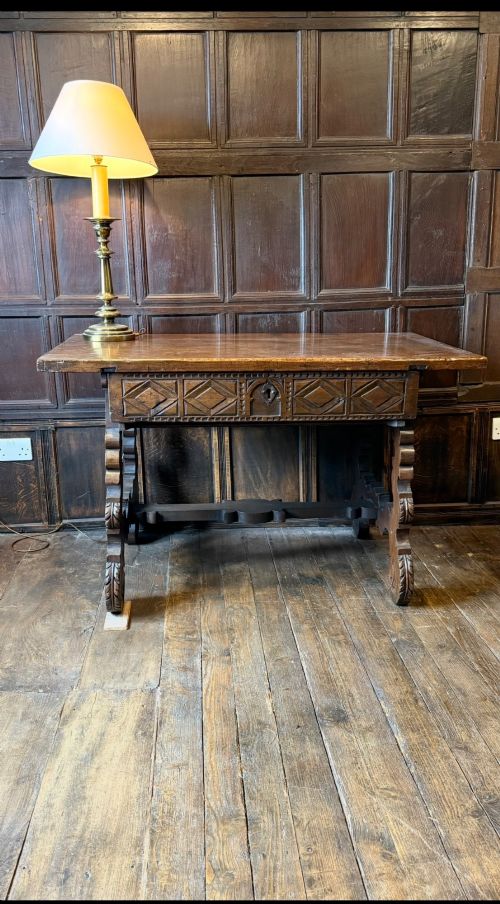
When searching for a period wooden desk, buyers encounter forms that span from early oak boxes to refined mahogany pieces of the Georgian and Regency eras. These writing furniture items reflect the domestic habits of past centuries, designed for correspondence, reading, and estate management rather than modern computing.
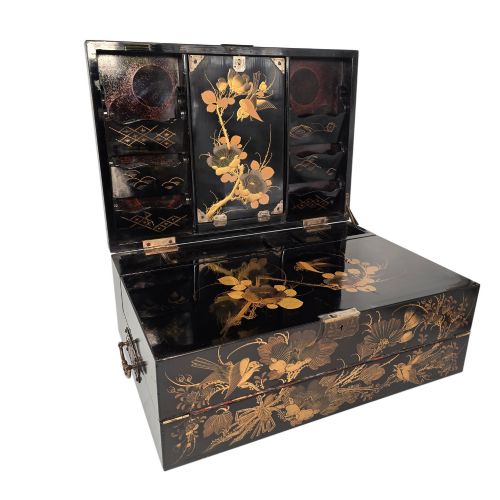
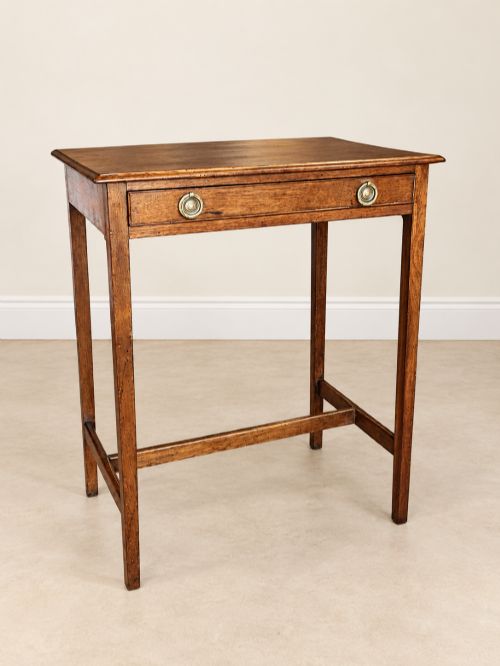
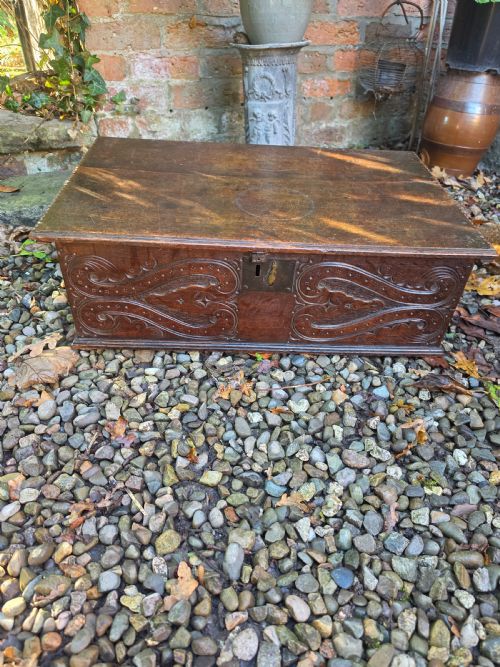
The versions most commonly met on this page include walnut and mahogany tables, oak boxes, and writing cabinets from the seventeenth, eighteenth, and nineteenth centuries. Alongside standard tables, listings incorporate specialised variants like secretaire bookcases and Pembroke forms.
Construction relies heavily on timber selection, joining methods appropriate to the period, and functional hardware such as brass handles and drawer pulls. Buyers examine these core characteristics to understand the age and utility of each writing piece.
How they were made
Cabinetmakers utilised dense hardwoods like mahogany, oak, walnut, and elm, selecting timber for its grain pattern and structural durability. Secondary woods often lined drawer interiors and backing panels.
Joining techniques evolved from pegged mortise and tenon joints in seventeenth-century oak pieces to precise dovetails in eighteenth and nineteenth-century mahogany drawers. Surface finishes relied on hand-applied polish, wax, or oil rather than modern synthetic varnishes.
Period Wooden Desk Retail Price Guide 2026
Typical asking prices for period wooden desk among the pieces listed under this phrase on Sellingantiques today, from the lower quarter to the upper quarter. They describe what is for sale here now, not the wider market.
Early box desks often concealed tiny secret compartments where owners hid their ink, wax seals, and love letters from prying eyes.
What varies in quality
Quality rests on the integrity of the timber, the subtlety of hand-carved details, and the survival of original surfaces. Pieces retaining their initial patination and unreplaced brassware command greater respect from collectors.
Construction depth also distinguishes finer examples, visible in the precision of dovetailing, the thickness of secondary timbers, and the proportion of the overall form. Simpler country-made items differ significantly from metropolitan cabinetwork in their execution and finish.
The Period Wooden Desk Glossary
- Mahogany
- A durable tropical hardwood imported for high-end cabinetmaking from the eighteenth century onward. Its rich reddish-brown tone took a fine polish.
- Oak
- A native British timber utilised extensively for seventeenth-century furniture due to its strength and abundance. It displays a prominent grain and accepts pegged joinery.
- Dovetail
- A joint formed by interlocking wedge-shaped fingers, commonly used in drawer construction. Hand-cut dovetails indicate earlier periods of manufacture.
- Patina
- The surface sheen and colour developed by wood and metal over decades of handling and exposure to light. It serves as an indicator of age and authenticity.
- Secretaire
- A cabinet or desk incorporating a pull-down writing flap that conceals small drawers and pigeonholes. It combined storage with a dedicated writing surface.
Period Wooden Desk: Frequently Asked Questions
How do I date a wooden desk?
Dating relies on examining the timber species, construction methods, and secondary woods used within the interior. Earlier pieces utilise oak with hand-pegged joints, while later examples incorporate mahogany and precise dovetailing.
Hardware styles, tool marks, and overall proportions also provide clear indicators of whether a piece originates from the seventeenth, eighteenth, or nineteenth century.
Are these desks suitable for daily use?
These pieces were built for regular domestic or estate administration, making them robust enough for contemporary writing tasks. Their solid timber construction handles daily interaction well when treated with care.
Placing them away from direct heat sources and using appropriate coasters or pads protects the historic polish and timber surface from damage.
What is the difference between oak and mahogany desks?
Oak desks generally date from the seventeenth and early eighteenth centuries, displaying a heavier, more rustic construction with visible grain. They reflect an earlier vernacular tradition of British cabinetmaking.
Mahogany desks emerged later during the Georgian and Regency periods, offering a smoother surface, finer detail work, and a darker reddish hue suited to formal interiors.
How should I maintain a historic wooden surface?
Maintenance requires gentle cleaning with a soft, dry cloth and occasional application of traditional beeswax to nourish the timber. Avoiding silicone-based polishes prevents buildup that can dull the original patina.
Keeping the piece in a stable environment with moderate humidity protects the wood from splitting or warping over time.