

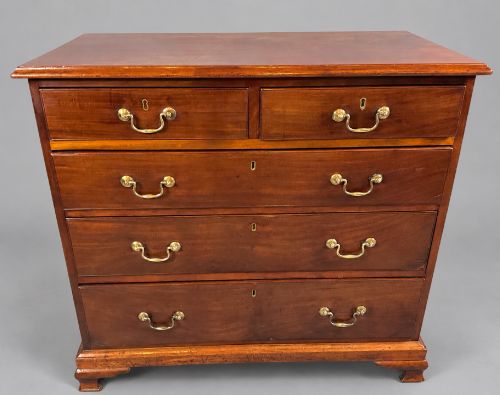
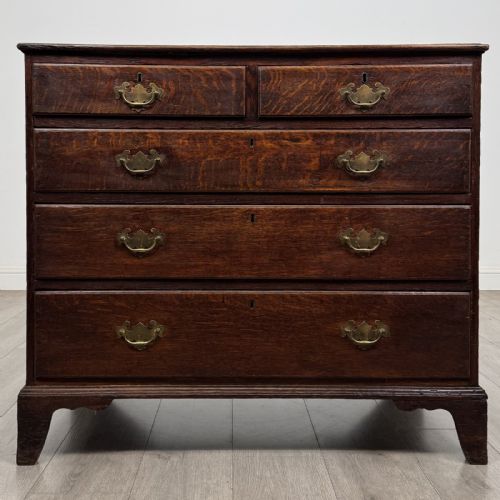
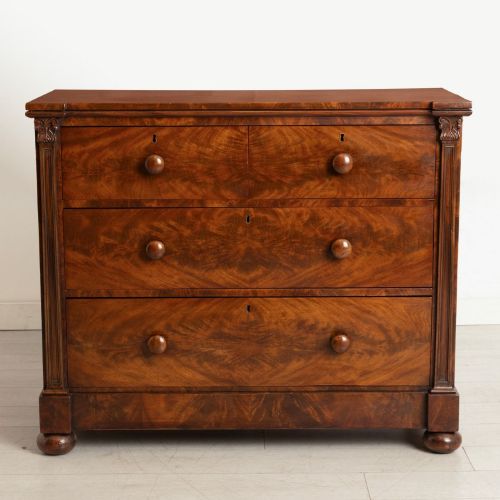
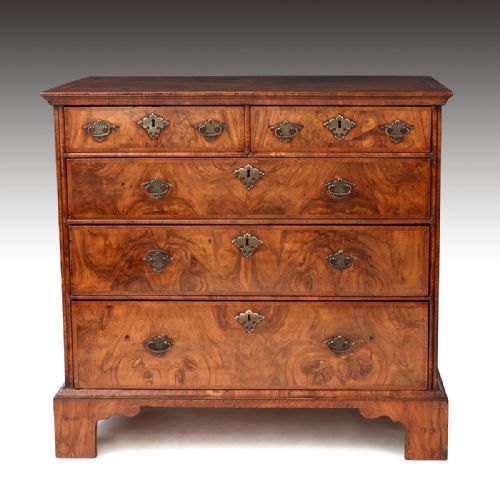

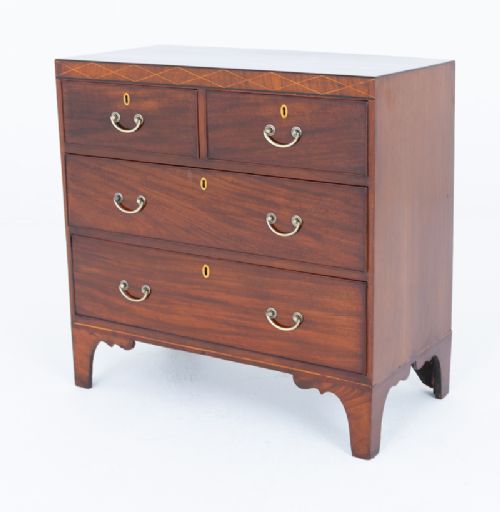
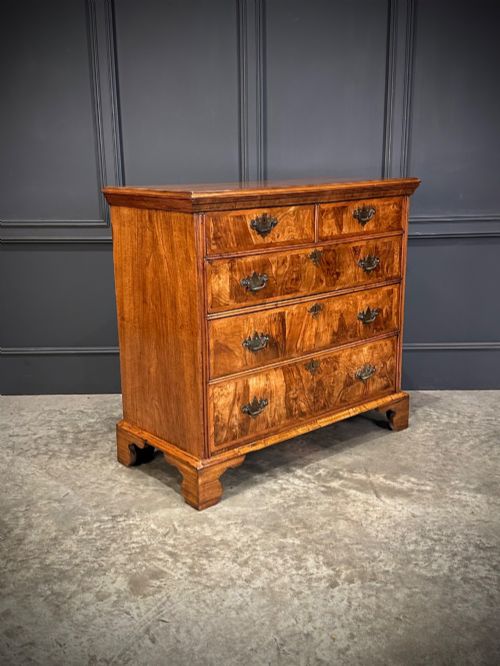
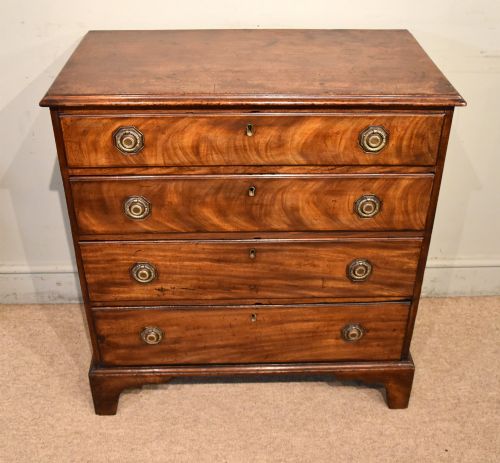
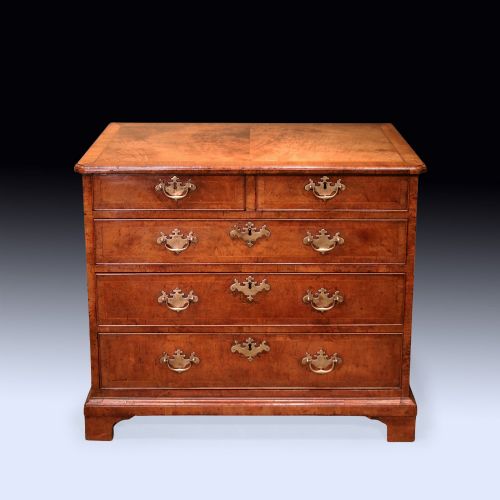

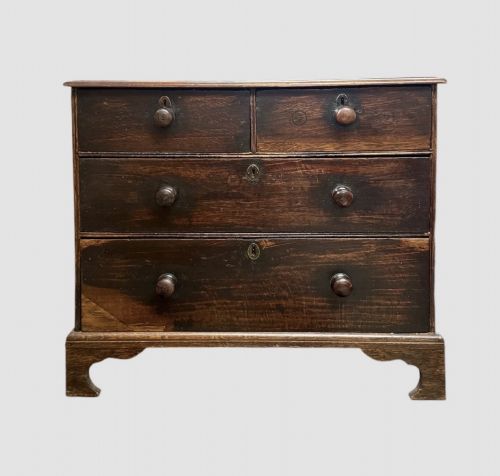
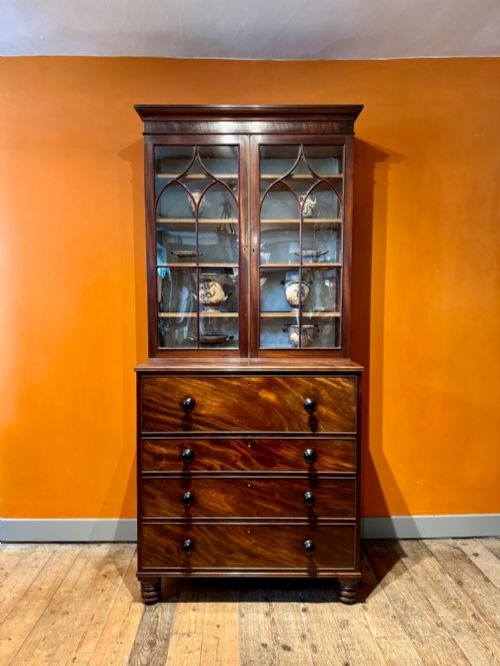
Period Wooden Bureau
A period wooden bureau offers a fitted writing surface above drawers, bringing substantial character and practical storage to any room.
Period Wooden Bureau
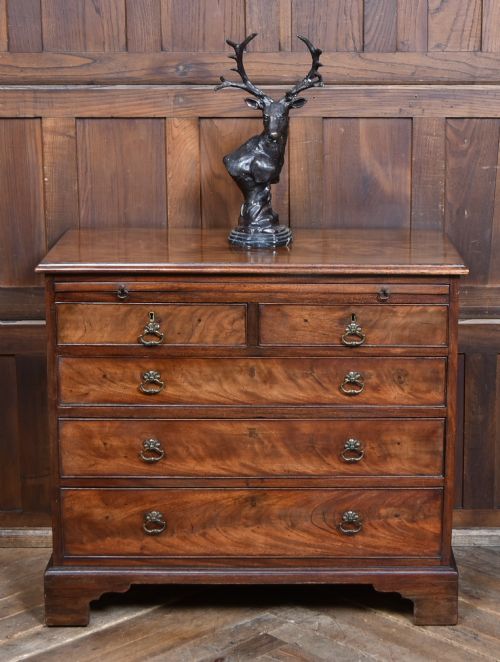
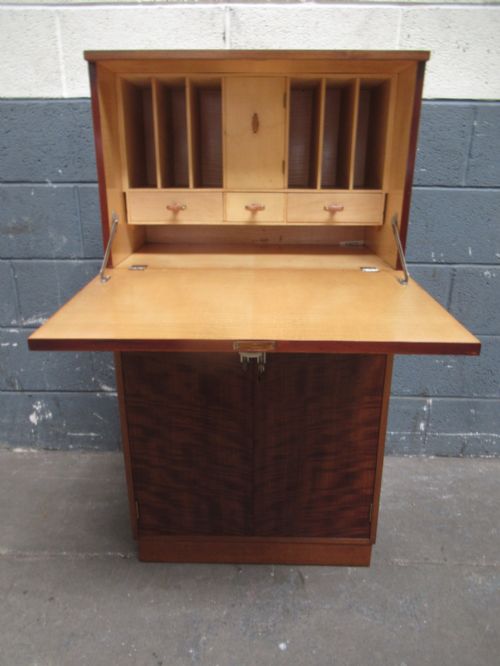
A period wooden bureau combines a sloping or drop-front writing flap with internal pigeonholes and drawers, sitting atop a chest of drawers or fitted base. You will frequently encounter forms described across Georgian, Regency, and Edwardian eras, alongside related writing desks and secretaire bookcases.
The materials span oak, walnut, mahogany, and satinwood, reflecting the cabinetmaker's choice in different centuries. Pieces range from simple elm or oak country examples to finely figured mahogany and burr walnut urban pieces.
These items served as domestic workspaces before modern freestanding desks became common, housing correspondence and valuables behind locked flaps.
Construction and materials
Cabinetmakers built these pieces using dense hardwoods like mahogany, walnut, and oak, often applying decorative veneers and feather-banded borders to primary display surfaces. Solid secondary timbers such as pine appeared inside drawer linings and backboards.
Joinery relied on hand-cut dovetails for drawer construction and mortise and tenon frames for structural integrity, with brass handles and escutcheons securing the operational hardware. Glass panels featured on taller secretaire bookcase variants to showcase libraries.
Period Wooden Bureau Retail Price Guide 2026
Typical asking prices for period wooden bureau among the pieces listed under this phrase on Sellingantiques today, from the lower quarter to the upper quarter. They describe what is for sale here now, not the wider market.
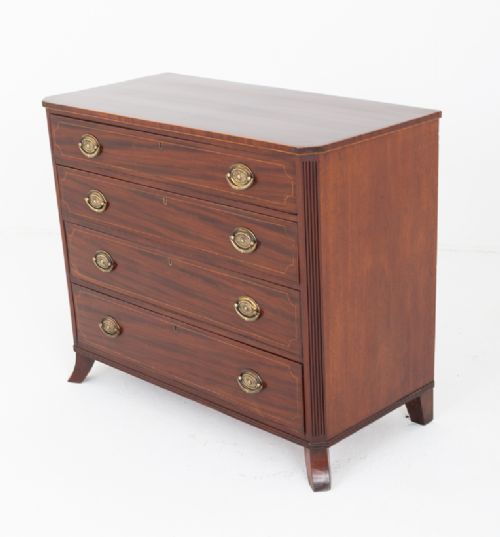
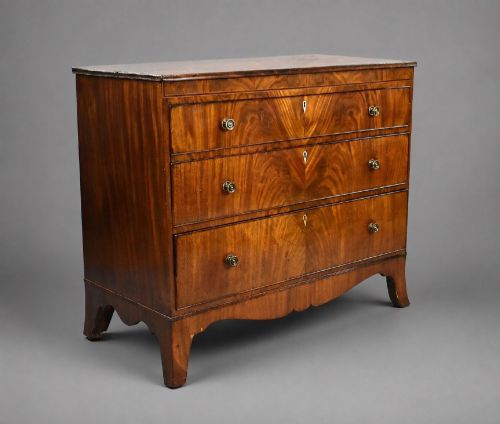
The documented forms include chests of drawers, writing tables, secretaire bookcases, and davenports.
Judging quality and execution
Quality rests upon the selection of timber veneers and the crispness of the cabinetmaker's hand-cut joints. Superior examples display carefully matched grain patterns, intact original brassware, and sound internal pigeonhole construction.
Proportion and scale distinguish finer workshop output from simpler utilitarian items. Untouched surfaces with deep patination command greater regard than heavily refinished pieces.
Gillows·George Faulkner Armitage
The Period Wooden Bureau Glossary
- Bureau
- A desk featuring a sloping lid that opens to reveal a fitted interior of small drawers and pigeonholes. It typically sits upon a chest of multiple drawers.
- Secretaire
- A piece of furniture incorporating a writing drawer or drop-front writing compartment disguised as a standard drawer or cabinet section. It often combines with a bookcase upper section.
- Feather-banding
- A decorative inlay technique using veneer strips arranged in a herringbone pattern around the edges of drawer fronts. This intricate framing highlighted high-status walnut furniture.
- Dovetail
- A traditional interlocking joint used to secure drawer sides to drawer fronts and backs. Hand-cut dovetails indicate age and skilled craftsmanship prior to industrial manufacturing.
- Serpentine
- A curved furniture front shaped in a gentle convex-concave-convex wave. This sophisticated shaping required expert carpentry.
- Pigeonhole
- A small open compartment within a desk interior used for sorting letters and papers. These miniature enclosures often concealed secret compartments.
Period Wooden Bureau: Frequently Asked Questions
What is a period wooden bureau?
A period wooden bureau is a traditional writing desk featuring a hinged flap that folds down for correspondence, concealing internal compartments above lower storage drawers.
These pieces were constructed from timbers like oak, walnut, and mahogany during the Georgian, Regency, and later eras to serve as private household writing cabinets.
How do I date a wooden bureau?
Dating relies on examining the construction methods, such as hand-cut dovetails, timber choices, and overall architectural style. Earlier 18th-century pieces often utilise oak or walnut with feather-banding, while later Georgian and Victorian items frequently employ mahogany.
Hardware styles, including brass handles and escutcheons, also provide clues to the exact manufacturing period.
Where should I place a bureau?
A bureau suits studies, living rooms, or bedrooms where its dual function as a desk and chest of drawers provides both workspace and storage. Ensure adequate clearance in front of the piece for the writing flap to fold down comfortably.
Keep wooden furniture away from direct heat sources and strong sunlight to protect the polish and prevent timber splitting.
Are these desks practical for daily use?
These desks offer functional writing surfaces and deep drawer storage suited for modern laptop use and paperwork organisation. The internal compartments provide neat storage for stationery and small items.
Care should be taken to support heavy drop-front flaps properly when writing to avoid stressing the hinges.