

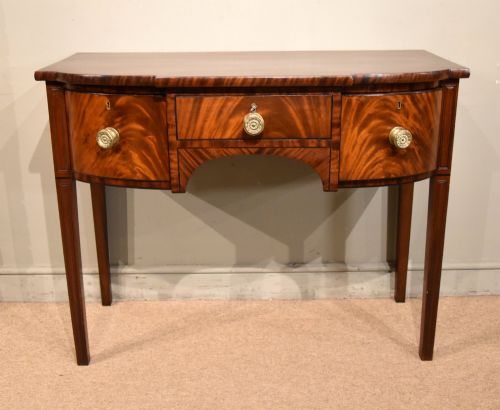
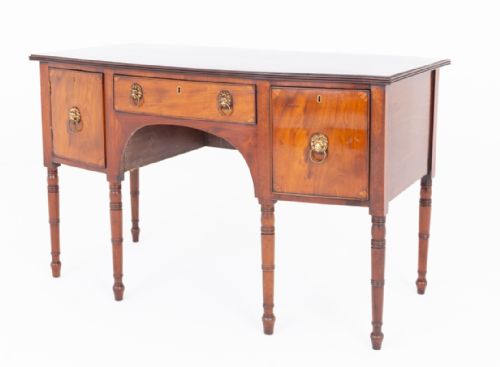


Period Wooden Buffet
A period wooden buffet offers substantial dining room storage, combining rich timbers and traditional craftsmanship to anchor a classic interior.
Period Wooden Buffet
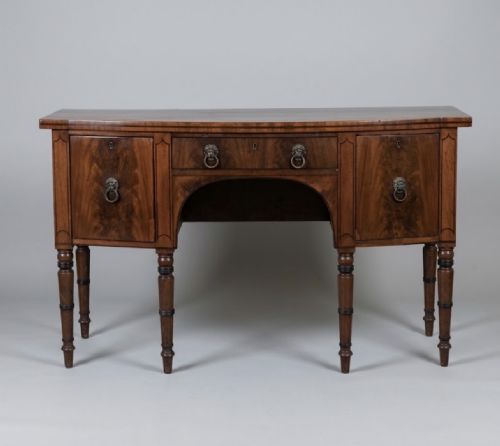
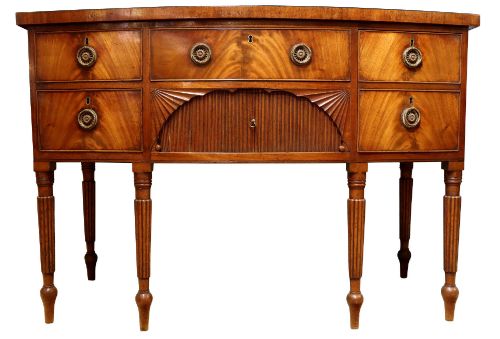
When you search for a period wooden buffet, you encounter dining room furniture designed for serving food and storing silver, linen, or glassware. The listings predominantly show sideboards, serving tables, and chiffoniers originating from the eighteenth and nineteenth centuries.
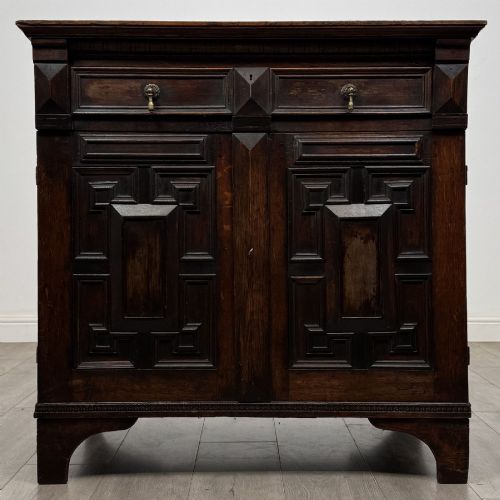
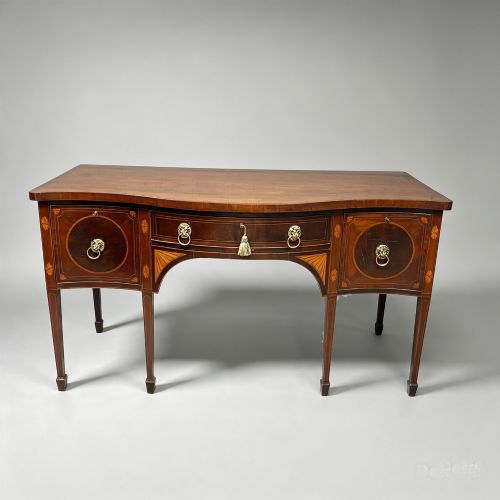
Georgian and Regency examples dominate the selection, featuring formal mahogany construction alongside occasional oak court cupboards from earlier eras. These pieces range from simple side tables and two-tier serving stands to grand twin pedestal sideboards with intricate drawer configurations.
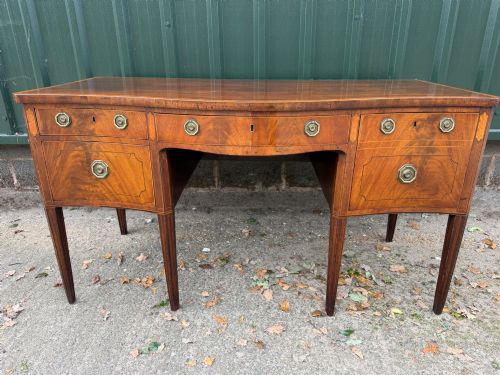
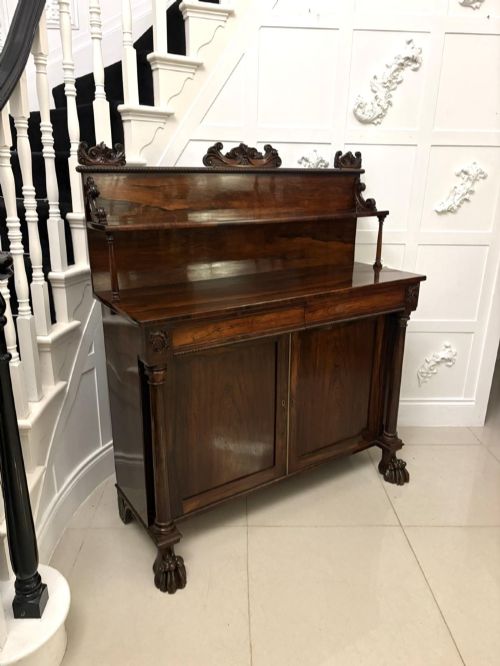
The form evolved from basic serving tables into enclosed cabinets with doors, drawers, and sometimes raised brass galleries or tiered plate shelves. Buyers typically select these items to serve as functional storage units that also function as statement furniture in dining spaces.
Distinctions in construction and design
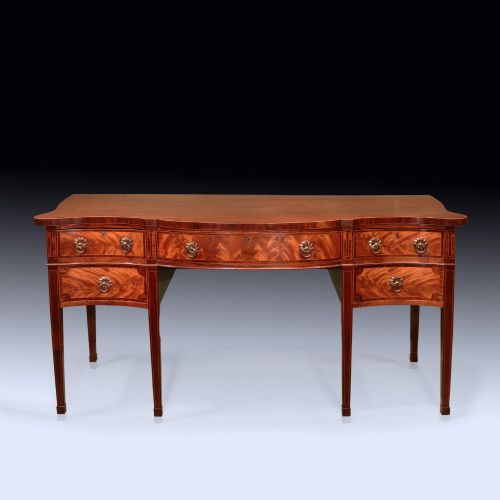
Quality rests primarily on the choice of timber and the precision of the cabinetmaker's joinery, particularly in curved or serpentine fronts where wood movement presents significant challenges. Superior examples display carefully matched flame mahogany veneers and crisp inlay work that remains flush with the surrounding surface.
Design complexity and proportion further distinguish the pieces, separating standard utility furniture from sophisticated items bearing attribution to notable workshops like Gillows. Original hardware, intact brass galleries, and unaltered internal divisions elevate an example above one with replaced components.
Period Wooden Buffet Retail Price Guide 2026
Typical asking prices for period wooden buffet among the pieces listed under this phrase on Sellingantiques today, from the lower quarter to the upper quarter. They describe what is for sale here now, not the wider market.
Gillows
The Period Wooden Buffet Glossary
- Bowfront
- A convex, outwardly curved front shape popular on sideboards during the Georgian and Regency periods. This curved construction required advanced woodworking skill to build.
- Chiffonier
- A compact sideboard or low cabinet typically fitted with doors enclosing shelves and sometimes surmounted by a small shelf or gallery. It gained popularity during the Regency and Victorian eras.
- Court cupboard
- An early two-tiered wooden storage cupboard, frequently constructed from oak with carved detailing. These heavy pieces date from earlier centuries before sideboards became standard.
- Dumb waiter
- A tiered freestanding serving stand with revolving or fixed circular trays mounted on a central column. It allowed diners to access food without domestic servants present.
- Flame mahogany
- A decorative veneer cut from timber where the grain resembles flickering flames. Cabinetmakers prized this figure for prominent display surfaces on drawer fronts.
Period Wooden Buffet: Frequently Asked Questions
How do I care for a mahogany buffet?
Protect antique wood by keeping the buffet away from direct sunlight, heating vents, and rapid humidity changes that cause timber to split. Apply a microcrystalline wax periodically to nourish the surface.
Clean the wood only with a soft, dry cloth and avoid using modern liquid polishes or silicone sprays that damage historic finishes.
Where should I place a serving table?
Position the piece against a dining room wall where it provides accessible surface space during meals and anchors the room visually. Ensure adequate clearance around the unit so drawers and cabinet doors open fully.
Pairing the buffet with a complementary mirror or painting hung directly above helps balance its visual weight in the interior.
How do I identify a Regency period piece?
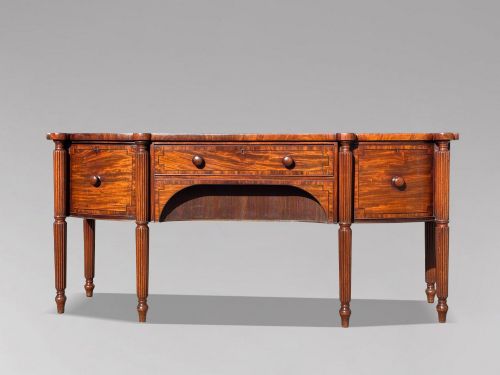
Look for classical architectural motifs, such as reeded legs, brass lion paw feet, and contrasting string inlay in boxwood or ebony. Woods like flame mahogany and rosewood dominate this era of furniture production.
Proportions tend to be bold yet refined, drawing inspiration from ancient Greek and Roman designs popular during the early nineteenth century.