





Period Wooden Bed
A period wooden bed brings the weight of centuries into a bedroom through the honest grain of oak, mahogany, and walnut.
Period Wooden Bed
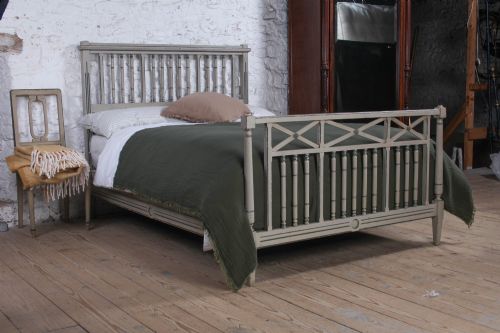
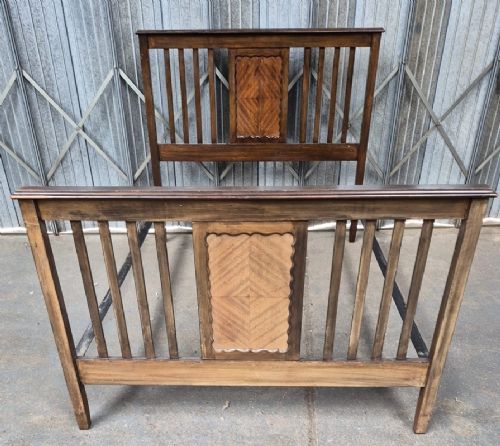
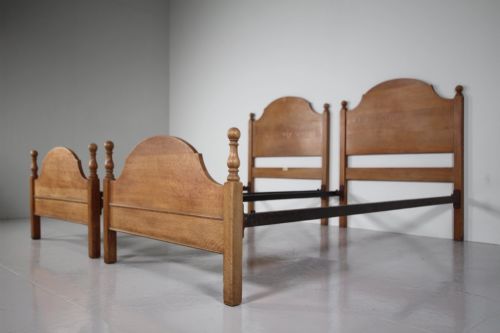
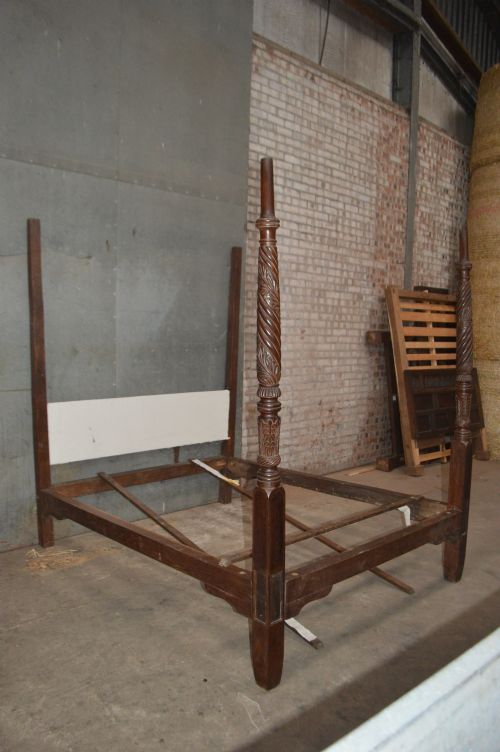
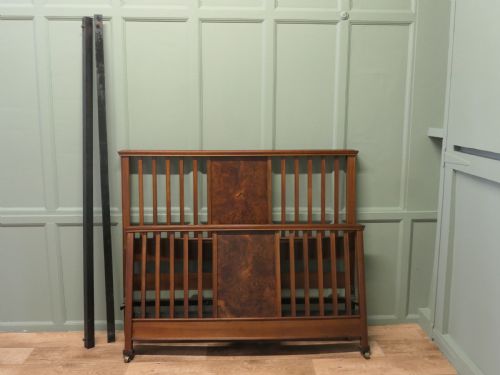
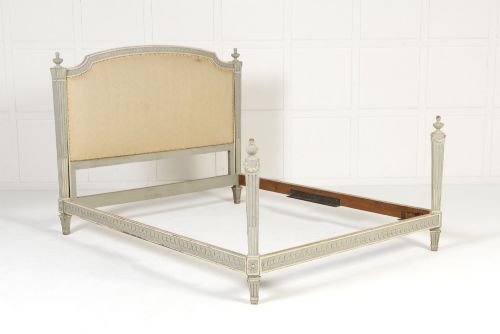
A period wooden bed encompasses substantial four poster frames, double bedsteads, and single beds spanning from the seventeenth century through to the Edwardian era. Buyers seeking a period wooden bed will encounter robust seventeenth century tester structures alongside later mahogany and walnut frames from the Georgian, Victorian, and Edwardian periods.
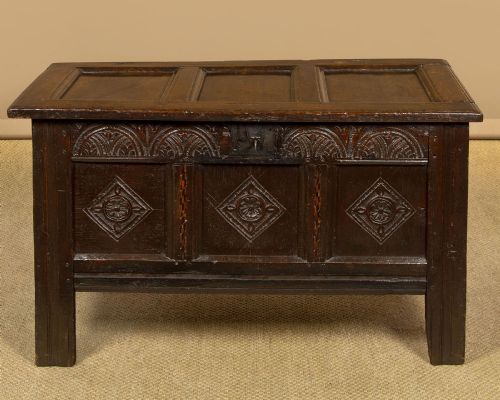
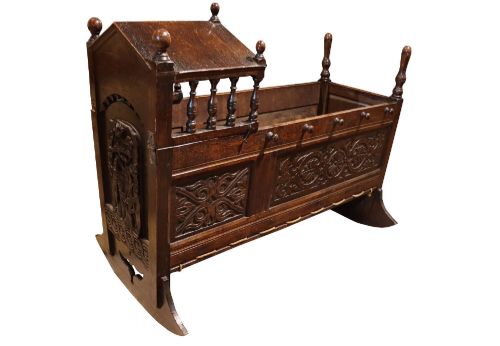
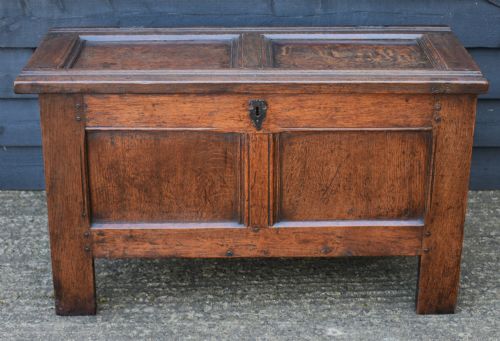
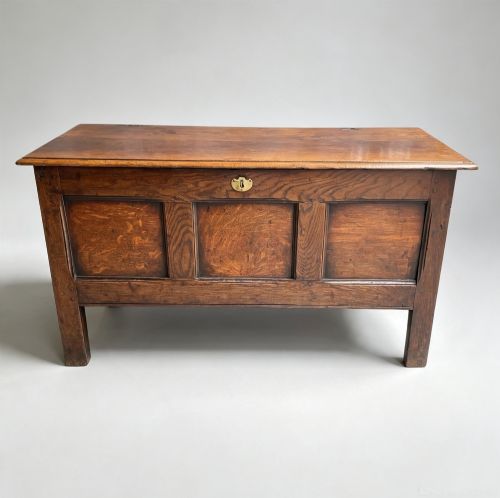
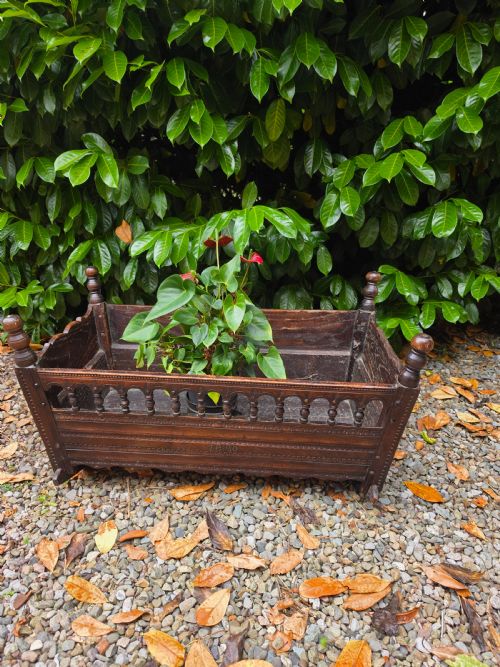
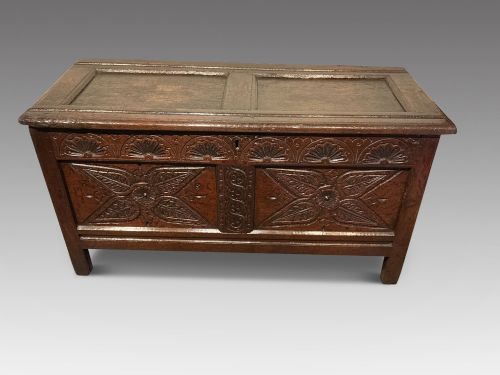
The selection also includes related items such as oak coffers, mule chests, and cradles which share the same timber heritage as the primary bed frames. These pieces originate from English workshops as well as French makers, reflecting domestic craft traditions across multiple centuries.
Materials and construction
Makers relied primarily on native oak for seventeenth century pieces, utilising heavy timbers joined by panel construction for structural stability. Later Georgian and Victorian frames turned toward imported mahogany and walnut, often finished with flame veneers to display complex grain patterns.
Iron and brass fixings support the wooden frameworks, while secondary woods like fruitwood appear in smaller items such as cradles. Carved details, panelled headboards, and polished surfaces demonstrate traditional joinery techniques handed down through generations of cabinet makers.
Period Wooden Bed Retail Price Guide 2026
Typical asking prices for period wooden bed among the pieces listed under this phrase on Sellingantiques today, from the lower quarter to the upper quarter. They describe what is for sale here now, not the wider market.
Early seventeenth century cradles come complete with original rocking mechanisms designed to soothe restless infants centuries ago.
Factors separating grades of quality
Quality rests upon the selection of timber and the integrity of the original construction, distinguishing master cabinet work from vernacular output. Pieces retaining their original timber surfaces, structural joinery, and authentic period hardware command greater appreciation among collectors.
The crispness of hand-carved ornamentation and the depth of the polished finish further separate standard examples from important signed or labelled works. Alterations to proportions or replaced structural timbers diminish the integrity of an antique bed.
Stanley Webb Davies·Heals
The Period Wooden Bed Glossary
- Coffer
- A large wooden chest with a hinged lid, traditionally used for storage and constructed with framed panels. These pieces frequently match the timber and style of contemporary bed frames.
- Mule chest
- A storage chest featuring one or two drawers beneath the main lifting compartment. It bridges the design between a simple coffer and a chest of drawers.
- Kist
- A regional term for a traditional wooden storage chest or trunk, typically constructed from solid oak boards. They serve as early examples of domestic cabinetry.
- Flame-mahogany
- Mahogany timber sliced to reveal a distinctive flame-like pattern in the grain. Cabinet makers used this veneer on prominent surfaces of Regency furniture.
Period Wooden Bed: Frequently Asked Questions
How do I identify a seventeenth century bed?
Seventeenth century beds display heavy oak timbers, panelled headboards, and substantial four poster tester frames joined by traditional peg construction.
Surface patination and deep hand-carving provide further visual evidence of their age and early workshop origin.
What is the difference between a coffer and a mule chest?
A coffer is a simple storage chest with a top-opening lid and panelled wooden sides.
A mule chest incorporates one or more drawers beneath the primary compartment, offering additional practical storage.
Will a period wooden bed fit modern mattresses?
Many antique bedframes were built to historical dimensions rather than modern standard mattress sizes.
Buyers should verify internal measurements carefully to ensure compatibility with contemporary bases and mattresses.
How do I care for antique wood furniture?
Protect antique wood by maintaining stable room humidity and keeping pieces away from direct heat sources and strong sunlight.
Apply traditional beeswax periodically to nourish the timber and preserve the natural polished surface.