


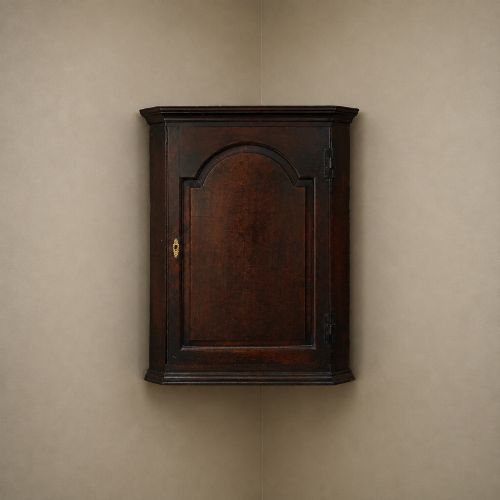
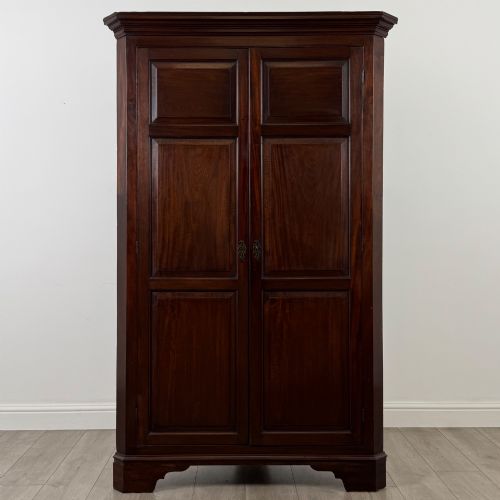
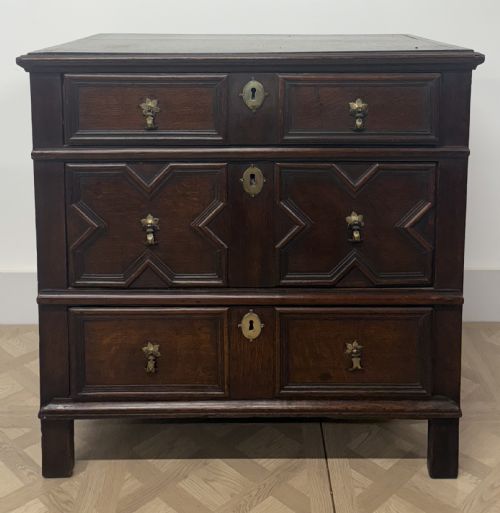
Period Wood Panels
These period wood panels and panelled forms bring centuries of timber craftsmanship straight into a room.
Period Wood Panels
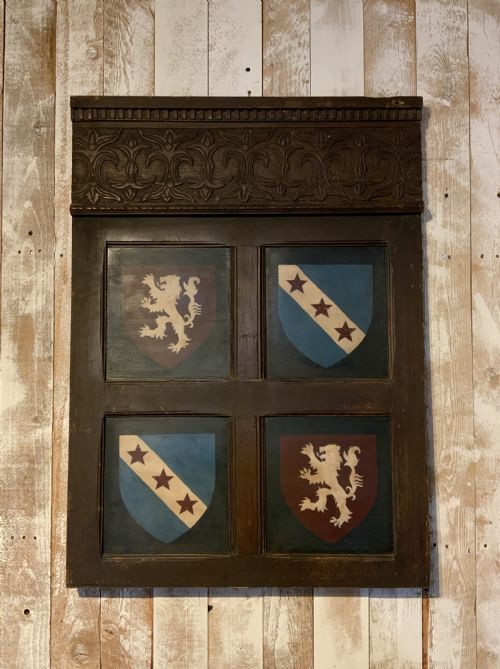
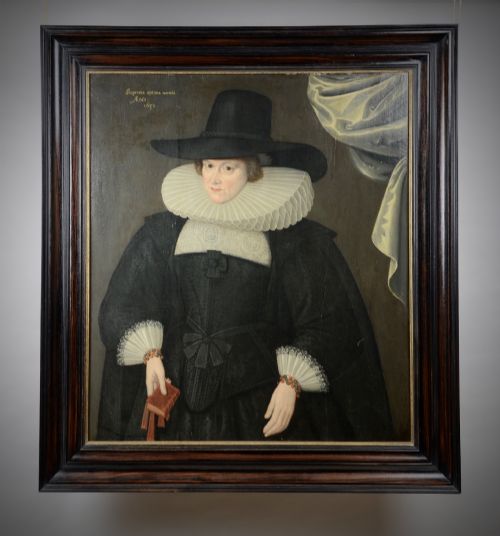
When searching for period wood panels, a buyer encounters architectural elements, furniture components, and complete items constructed from solid timber. The selection spans carved oak wall panels, ceiling rose panels, painted overdoor panels, and decorative inserts on cabinets or seating.
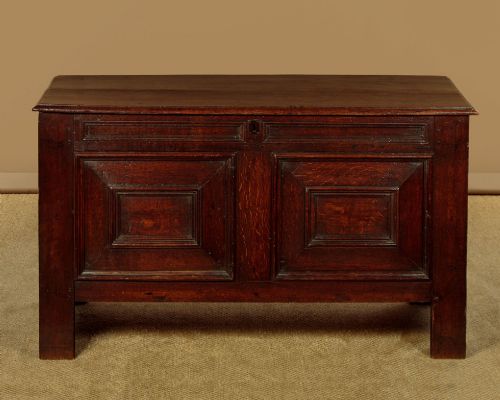
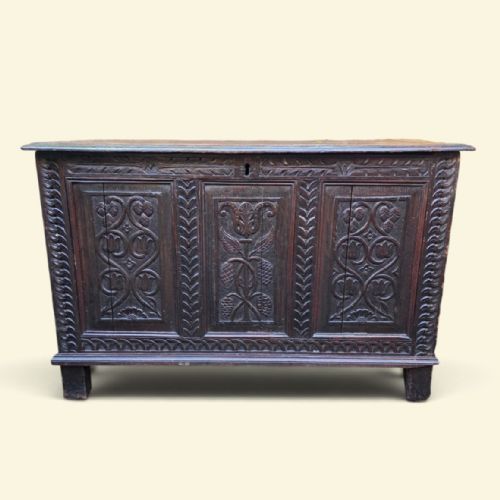
Most pieces met on this page originate from the seventeenth and eighteenth centuries, executed primarily in oak. These take the form of detached architectural carvings, cupboard doors, and coffer fronts rather than flat modern wall cladding.
How they were made
Carpenters and joiners worked principally with oak, utilising hand tools to shape, carve, and assemble timber components. Panels were typically held within frames using mortise and tenon joints, allowing the wood to expand and contract naturally without splitting.
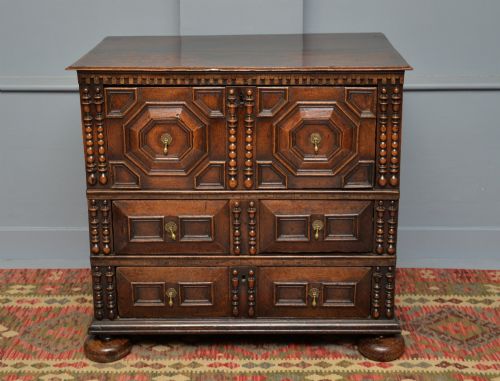
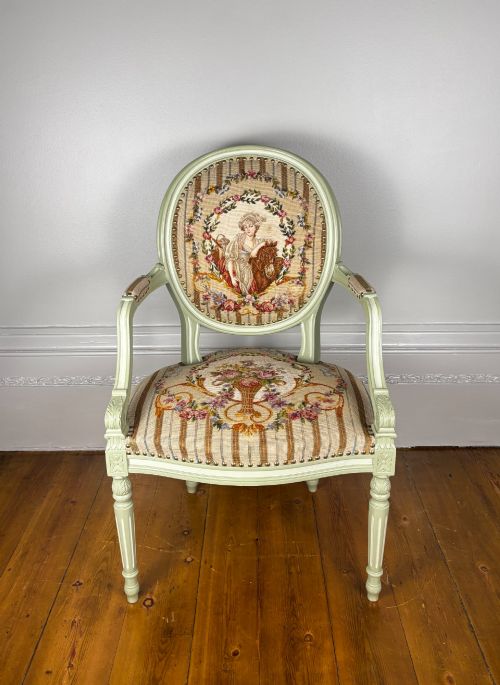
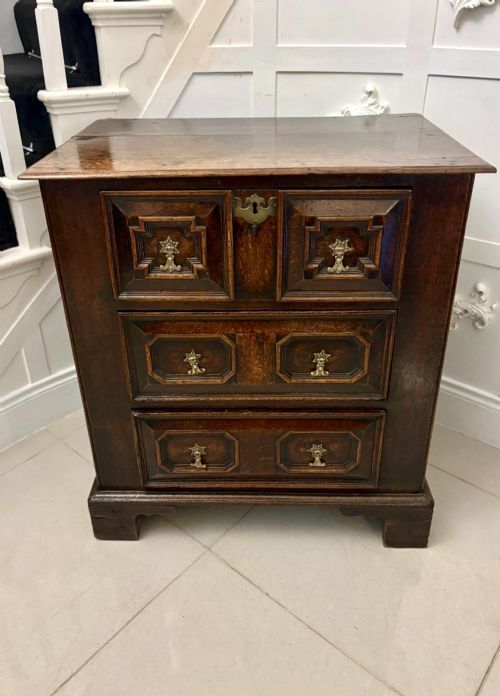
Surface decoration involved relief carving, geometric mouldings, and inlay work, sometimes combined with painted finishes or textile elements like needlepoint and pleated chiffon. Iron and brass hardware completed the construction of functional chests and cabinets.
Period Wood Panels Retail Price Guide 2026
Typical asking prices for period wood panels among the pieces listed under this phrase on Sellingantiques today, from the lower quarter to the upper quarter. They describe what is for sale here now, not the wider market.
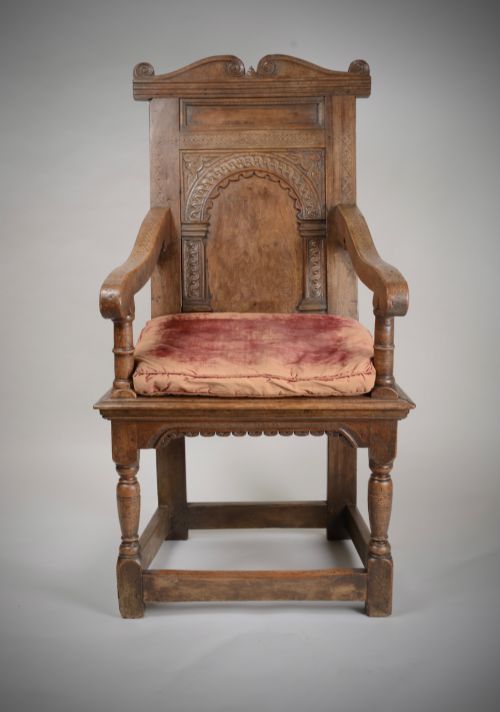
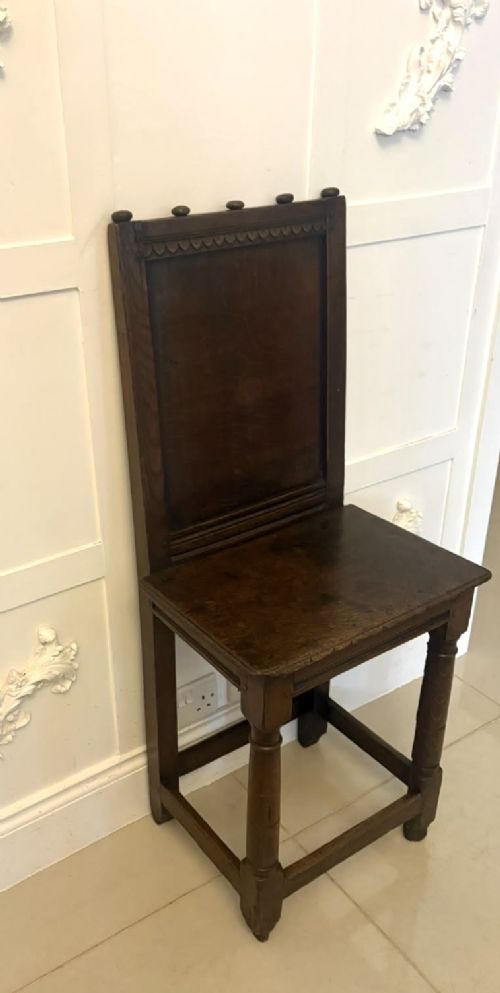
One seventeenth-century chair listed carries the wonderfully blunt historical designation of an English oak correction chair.
What varies in quality
Depth and crispness of the hand carving separate simpler utility items from more ambitious architectural and furniture commissions. The complexity of geometric mouldings and the retention of original surface patination influence the character of each piece.
The integrity of the timber frame and the survival of original joinery dictate the structural standard. Pieces that maintain their primary surfaces without excessive later alteration stand apart from those heavily reworked over subsequent centuries.
The Period Wood Panels Glossary
- Panel
- A flat piece of wood set within a surrounding frame of stiles and rails. This method prevents major warping as the timber ages.
- Coffer
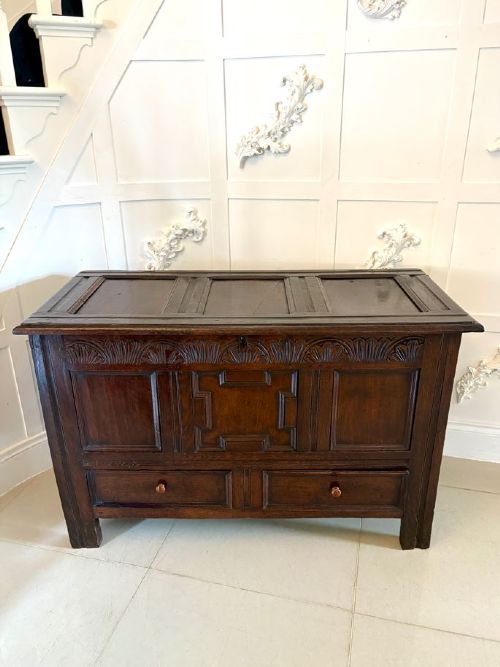
- A large wooden chest used for storage, often constructed with heavy panelled sides and a hinged lid. Early examples frequently display intricate front carving.
- Wainscot
- A type of solid oak armchair or wooden panelling associated with seventeenth-century English interiors. The term originally denoted fine foreign oak used for panelling.
- Linenfold
- A style of wood carving that imitates folded linen cloth. It appears commonly on late medieval and seventeenth-century panels.
- Mule chest
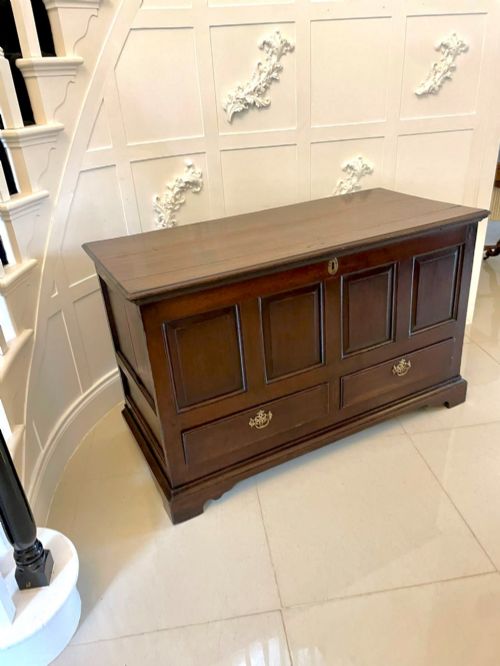
- A chest fitted with one or more drawers beneath the main storage compartment. They bridge the design gap between traditional coffers and modern chests of drawers.
Period Wood Panels: Frequently Asked Questions
How can I date oak panels?
Dating relies on the style of the carving, the method of joint construction, and the tool marks left by the carpenter. Seventeenth-century work often displays geometric moulding and simpler hand-riven timber surfaces.
Later copies or nineteenth-century interpretations typically show different saw marks and tighter, more uniform grain structures than genuine early pieces.
How do I care for antique wood panels?
Keep timber panels away from direct heat sources and sudden humidity changes to prevent the wood from splitting or warping.
Apply a traditional beeswax polish sparingly to maintain the finish and protect the dry surface of older oak.
What is linenfold panelling?
Linenfold is a specific type of relief carving designed to resemble vertical folds of cloth or parchment. It became popular on sixteenth and seventeenth-century interior woodwork and furniture.
This motif provides texture and shadow across flat wooden surfaces without requiring figurative scenes.