






Period Welsh Furniture
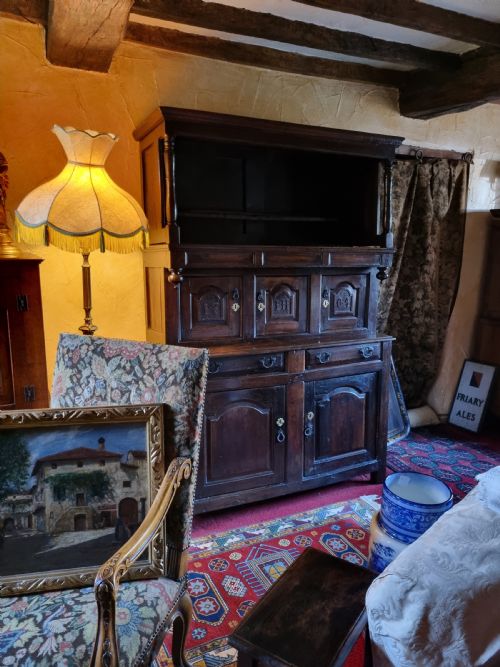
Period welsh furniture brings solid regional character into a room, offering robust oak cupboards, dressers and chests built for domestic life.
Period Welsh Furniture
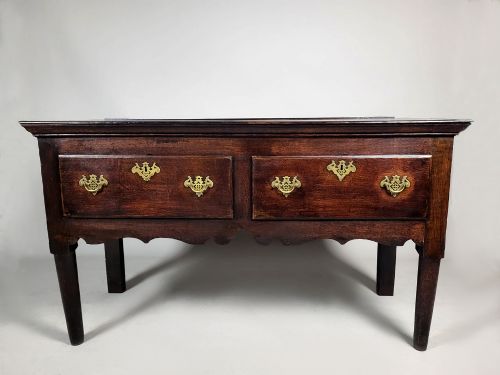
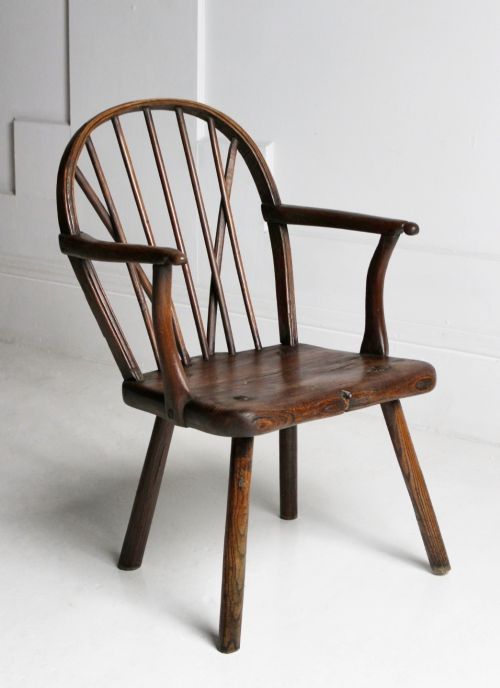
Period welsh furniture encompasses heavy regional items made from local timber, spanning vernacular seating, storage chests, and substantial dining pieces. Buyers exploring this category encounter sturdy dressers, tridarns, side tables, and armchairs rooted in centuries of domestic utility.
The pieces most frequently met on this page date from the seventeenth and eighteenth centuries, reflecting the enduring domestic output of Welsh makers. Oak predominates, frequently paired with elm and ash, shaping forms from simple six plank coffers to elaborate carved court cupboards.
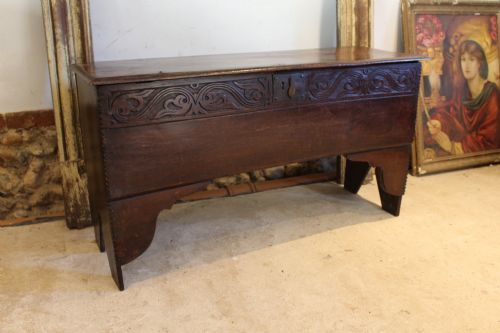
Regional variations emerge clearly across these survivors, linking specific forms to locales such as Snowdonia, the Gower Peninsula, and Montgomeryshire. Buyers find everything from diminutive coffor bach boxes to expansive dresser bases designed for rural households.
Materials and construction
Makers relied primarily on native oak, complemented by secondary timbers like elm, ash, and occasional metal hardware in brass and iron. Construction techniques leaned heavily on pegged joints, solid paneling, and sturdy board construction suited to enduring daily use.
Surface treatments remained straightforward, allowing the grain of the timber to dominate through natural ageing rather than heavy finishing. Blacksmiths provided essential reinforcement through wrought iron hinges, while brass handles appeared on later Georgian iterations.
Period Welsh Furniture Retail Price Guide 2026
Typical asking prices for period welsh furniture among the pieces listed under this phrase on Sellingantiques today, from the lower quarter to the upper quarter. They describe what is for sale here now, not the wider market.
Early Welsh furniture makers occasionally hid miniature compartments inside solid oak coffers to outsmart inquisitive household guests.
Factors determining quality
Quality rests on the integrity of the original timber and the survival of untouched surfaces that show genuine patina from centuries of use. Untouched brasses, original paneling, and uncompromised structural joins separate superior examples from heavily restored pieces.
The sophistication of regional carving and the balance of vernacular proportions also define the upper tier of the range. Maker execution in details like pegged joints and shaped crestings distinguishes standard utility items from masterwork regional survivals.
Liberty and Co
The Period Welsh Furniture Glossary
- Tridarn
- A large three piece Welsh cabinet consisting of a lower buffet, a middle section with cupboards, and an upper canopy. These substantial structures provide impressive display and storage capacity.
- Coffor bach
- A small Welsh chest traditionally used for storing valuables or linens, often featuring delicate paneling. These miniature boxes demonstrate domestic craftsmanship on a domestic scale.
- Vernacular
- Everyday objects made by local craftsmen following regional traditions rather than high style metropolitan fashions. This approach prioritises utility and local materials.
- Backstool
- An early form of side chair featuring an upright wooden back panel connected to a plank or framed seat. They provide sturdy, upright seating common in seventeenth century interiors.
- Mule chest
- A storage chest fitted with one or more drawers beneath the main internal compartment. This design bridged the gap between basic blanket boxes and modern chest of drawers.
Period Welsh Furniture: Frequently Asked Questions
What defines period welsh furniture?
Period welsh furniture consists of utilitarian wooden items made in Wales before the nineteenth century, using local timbers like oak and elm.
These pieces reflect distinct regional construction methods and styles distinct from contemporary English urban workshops.
How were these pieces used originally?
Items like coffers, dressers, and tridarns served essential storage and display functions in rural Welsh homes, holding textiles, food, and tableware.
Seating furniture such as stick back chairs and panelled armchairs provided functional seating around hearths and dining tables.
How do I identify a coffor bach?
A coffor bach is a miniature chest built with the same construction techniques as full sized blanket boxes, measuring small enough to sit on a table.
These small boxes often served as presentation pieces or special containers for family valuables.
What timber was most commonly used?
Oak is the predominant wood found across these regional pieces, valued for its strength, local availability, and durability.
Secondary timbers such as ash and elm appear frequently in chair construction and internal framing.
How do I live with antique oak furniture?
Period oak pieces suit modern interiors by adding warmth and texture through their dark patinated timber and solid construction.
Maintaining stable indoor humidity prevents timber movement while preserving the historic finish.