





Period Walnut Fireside Chair
A period walnut fireside chair brings warmth and traditional seating to a room, offering deep comfort and rich timber tones.
Period Walnut Fireside Chair
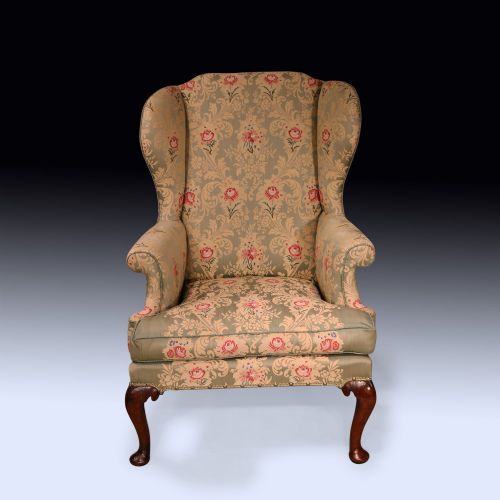
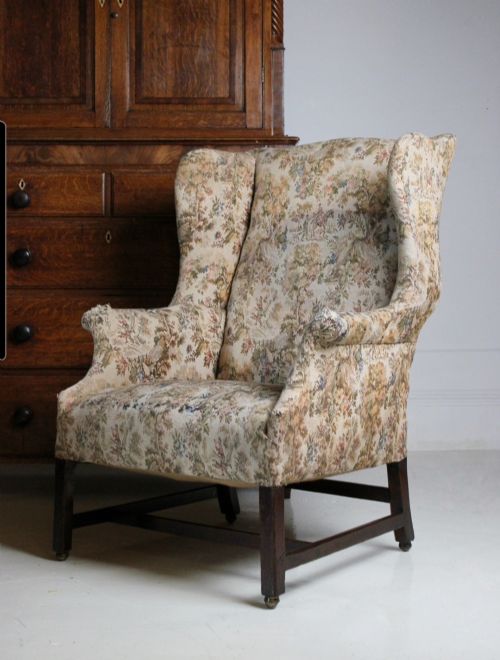
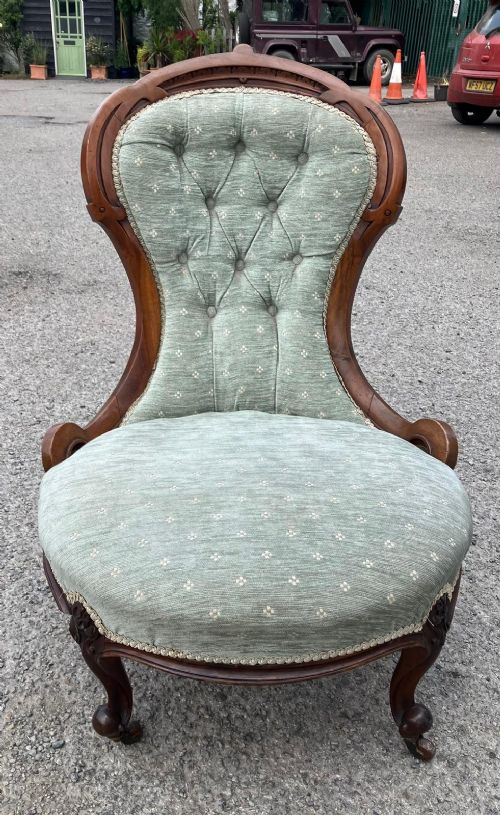
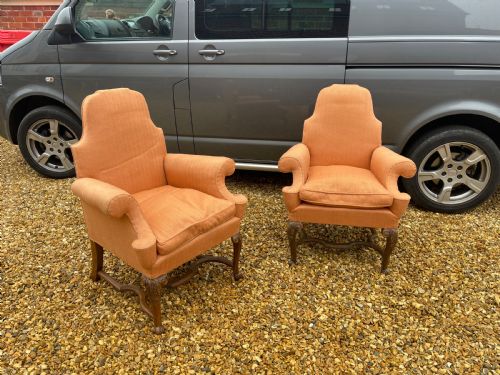
A period walnut fireside chair encompasses low bedroom chairs, nursing chairs, and substantial wingback armchairs designed for fireside placement. These pieces span several eras, including the eighteenth century, Victorian period, and early twentieth-century revivals.
Buyers frequently encounter Victorian examples alongside eighteenth-century wingchairs and Queen Anne revival styles. The selection includes both finished upholstered pieces and frames suited for re-upholstery.
Forms vary from compact nursing chairs with carved frames to large wing armchairs built for deep seating. Many originate from British workshops, alongside occasional continental examples.
Materials and construction
Construction relies heavily on walnut timbers, paired occasionally with mahogany for internal framing or secondary woods. Frames feature exposed carved woodwork, cabriole legs, or upholstered rails.
Upholstery techniques range from traditional horsehair stuffing with fabric covers to modern foam foundations. Decorative elements incorporate brass tacks and exposed carved walnut frames.
Period Walnut Fireside Chair Retail Price Guide 2026
Typical asking prices for period walnut fireside chair among the pieces listed under this phrase on Sellingantiques today, from the lower quarter to the upper quarter. They describe what is for sale here now, not the wider market.
Some nineteenth-century nursing chairs were built intentionally low to the floor so Victorian ladies could tend the hearth without scorching their ankles.
Assessing quality
Quality rests in the crispness of the walnut carving and the integrity of the timber frame. Superior pieces display well-figured grain and robust joinery that withstands decades of use.
The sophistication of the silhouette and the authenticity of the period elements separate standard examples from finer works. Original frame surfaces and restrained carving indicate higher craftsmanship.
The Period Walnut Fireside Chair Glossary
- Cabriole leg
- A furniture leg that bends outward in a convex curve and tapers inward to a foot, typical of eighteenth-century and revival designs. This form mimics animal limbs and adds elegance to heavy chairs.
- Wingback
- An armchair with side panels attached to the arms and back to shield the sitter from drafts. These panels trapped heat from the hearth in older homes.
- Nursing chair
- A low-seated armchair designed historically for feeding infants or nursing the sick. The reduced height allowed the sitter to tend to tasks near a low fire.
- Upholstery
- The materials, including webbing, springs, stuffing, and fabric, that cover a chair frame for comfort. Traditional methods use natural fibres like horsehair.
- Revival
- A design style that imitates or adapts the aesthetics of a previous historical era, such as the Queen Anne revival in the twentieth century. These pieces interpret earlier forms using contemporary woodworking techniques.
Period Walnut Fireside Chair: Frequently Asked Questions
How do I choose between Victorian and eighteenth-century styles?
Eighteenth-century chairs often feature restrained proportions and early joinery, while Victorian examples lean toward heavier carving and varied upholstery. Consider the scale of your room and the existing furniture.
Both periods offer distinct interpretations of the form, allowing you to match specific historical interiors.
Where should I place a fireside chair?
These chairs suit living rooms, studies, or bedrooms where a comfortable reading seat is required. Their upholstered backs and side wings create a private seating nook.
Positioning them near a fireplace or in an empty corner adds both seating capacity and traditional presence.
What does re-upholstery involve?
Re-upholstery involves stripping a chair down to its wooden frame to replace worn webbing, springs, and fabric. This process allows you to select modern textiles while preserving the antique woodwork.
Many buyers choose frames needing re-upholstery to customise the final appearance for their home.