



Period Vernacular Chair
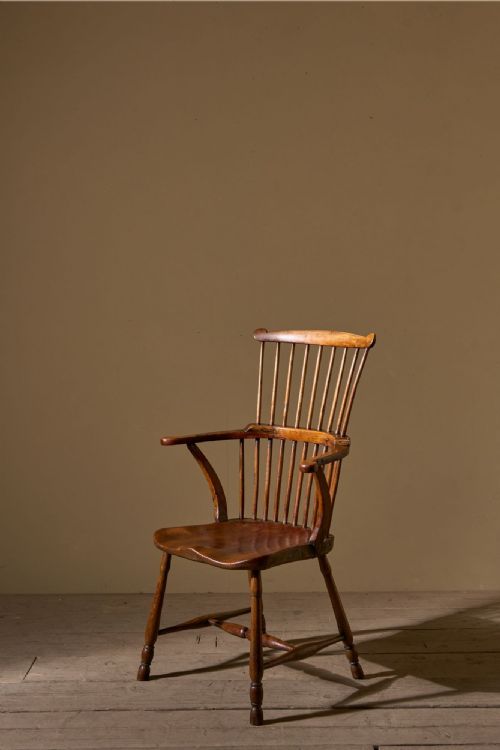
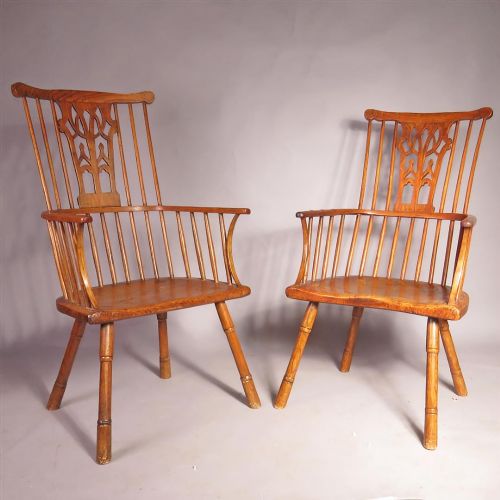
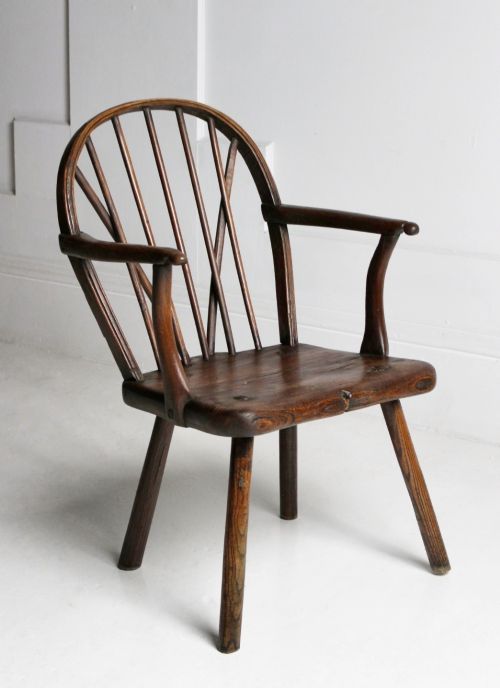
These period vernacular chair examples are honest country seats built by regional makers, prized for their structural integrity and unpretentious charm.
Period Vernacular Chair
When you search for a period vernacular chair, you encounter seating shaped by local traditions rather than metropolitan fashion. These domestic seats served everyday rural life across several centuries.
The selections here span centuries of regional joinery, ranging from sturdy armchairs to smaller child seats. You will frequently meet sturdy elm, oak, and ash forms originating from Welsh and English country workshops.
Common regional configurations include comb back windsors, ladderbacks, and panelled armchairs with rush or timber seats. Each piece reflects the functional requirements of domestic households through the seventeen hundreds and beyond.
How they were made
Constructed primarily from native timbers such as oak, elm, ash, and yew, these seats rely on solid regional woods selected for strength and local availability. Fruitwood and beech also appear within specific framework components and spindles.
Makers utilised traditional joinery techniques, combining pegged mortise and tenon joints with steam-bent parts for Windsor backs. Rush seating provides a woven foundation on specific ladderback and high chair examples.
Period Vernacular Chair Retail Price Guide 2026
Typical asking prices for period vernacular chair among the pieces listed under this phrase on Sellingantiques today, from the lower quarter to the upper quarter. They describe what is for sale here now, not the wider market.
Listings feature oak, elm, ash, yew, fruitwood, beech, and rush materials across seventeenth, eighteenth, and nineteenth century periods.
What varies in quality
The character of the grain and the honesty of timber selection define the upper tier of these regional seats. Original surface patination accumulated through decades of domestic use elevates a piece far above heavily restored alternatives.
Structural harmony between the vernacular form and surviving original components dictates the enduring integrity of each chair. Subtle regional variations in turning and spindle placement separate standard workshop output from exceptional country craftsmanship.
The Period Vernacular Chair Glossary
- Vernacular chair
- A piece of domestic seating shaped by local tradition and available materials rather than metropolitan design. These items prioritise utility and regional craftsmanship over formal stylistic conventions.
- Windsor chair
- A wooden seat constructed with a solid shaped timber saddle into which under-legs and back spindles are wedged directly. Comb back and stick back variations appear frequently in country workshops.
- Backstool
- An early regional form of seating resembling a chair without arms, typically featuring a panelled or upholstered back. These oak or fruitwood seats served domestic dining and parlour functions.
- Rush seating
- A woven seat foundation made from dried marsh rushes fitted tightly across a timber frame. This technique provides a resilient and comfortable surface on ladderback chairs.
Period Vernacular Chair: Frequently Asked Questions
What is a vernacular chair?
A vernacular chair is a piece of regional seating built by local craftsmen to satisfy everyday domestic needs. These seats reflect traditional building methods rather than fashionable metropolitan designs.
Makers utilised whatever native timbers were close at hand, resulting in robust forms like windsors, ladderbacks, and panelled armchairs.
How do I identify periods?
Dating these country seats relies on examining construction methods, timber ageing, and regional joinery styles. Seventeenth century examples often feature heavier oak framing and panelled backs, while later pieces introduce lighter elm and ash Windsor forms.
Evidence from dated pieces and known regional traits helps narrow down the exact decade of manufacture.
Where were these chairs made?
These domestic seats originate from rural workshops across England and Wales. Regional centres developed distinct preferences for specific woods and structural styles, such as Welsh oak armchairs or local ash Windsors.
Local availability of materials dictated whether a maker turned to yew, fruitwood, or beech for spindles and panels.
How should I care for timber?
Maintaining these regional chairs requires stable indoor humidity and protection from direct heat sources. Natural waxes applied sparingly help preserve the historic surface patination without sealing the timber.
Regular dusting and gentle handling ensure the pegged joints and woven rush seats remain stable for daily use.