




Period Vanity
Period vanity pieces are dressing tables, mirrors, and stools designed for personal grooming, offering timeless utility and classic timber craftsmanship.
Period Vanity
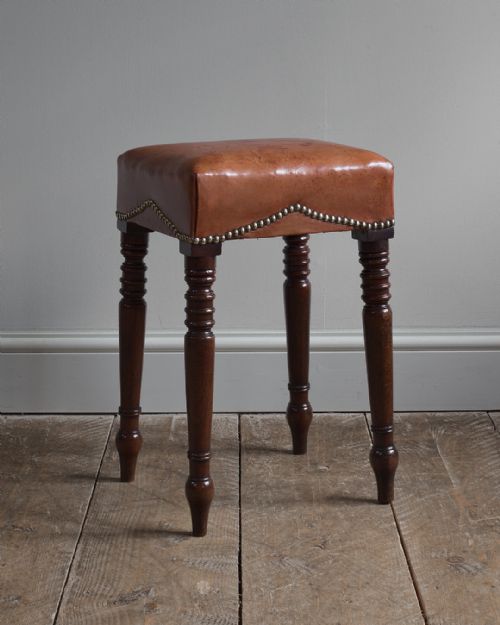
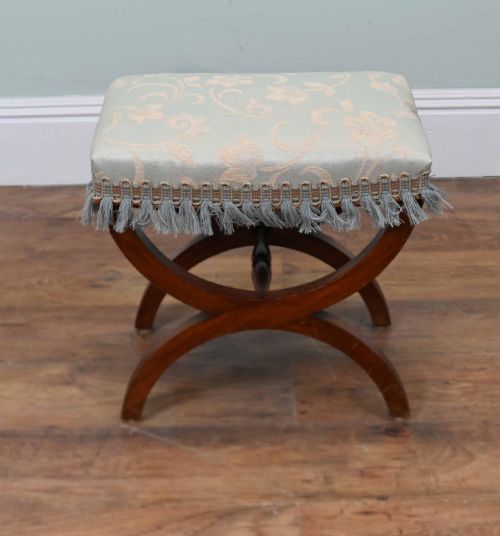
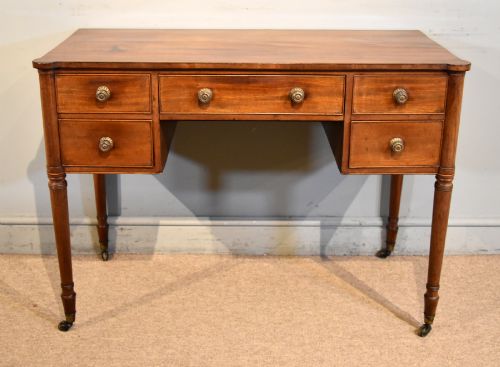
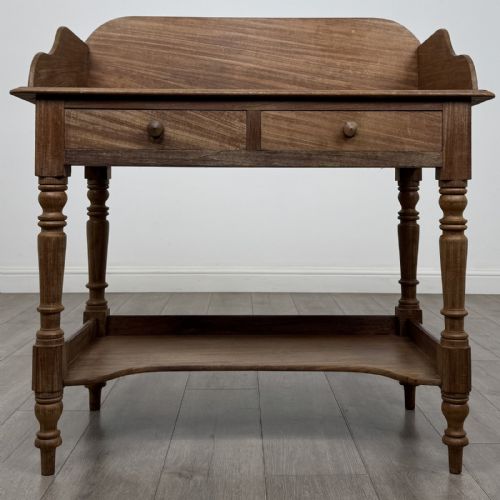
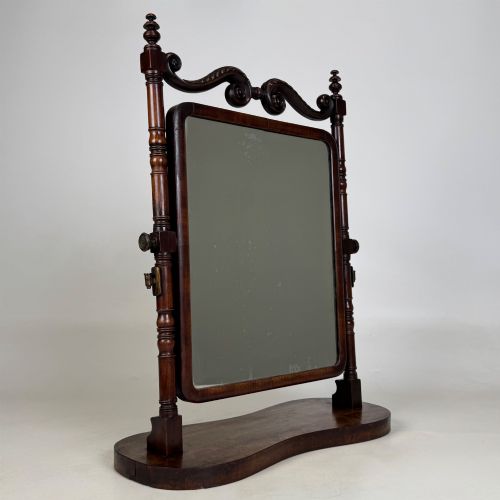
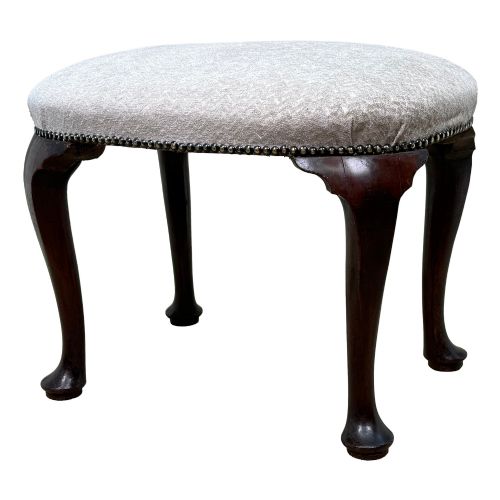
Mahogany and walnut dressing tables with drawers, alongside adjustable tabletop mirrors and low frame stools, appear frequently in the listings. These objects originate from Georgian, Regency, and Victorian periods.
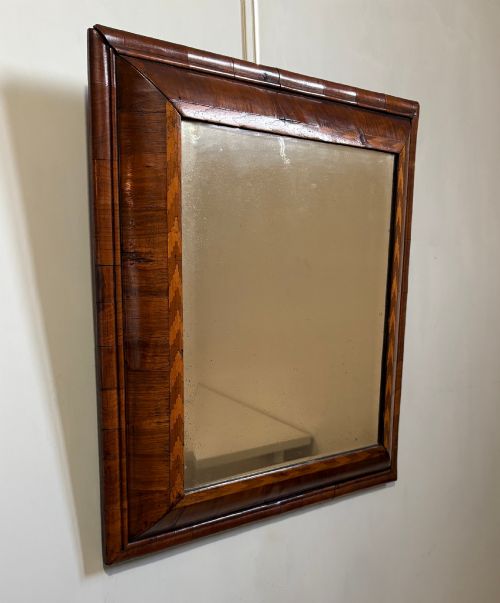
Buyers encounter freestanding cheval glasses, wall mirrors, and small occasional tables adapted for the dressing room. Each piece reflects the domestic habits and cabinet-making standards of its specific era.
Materials and Construction
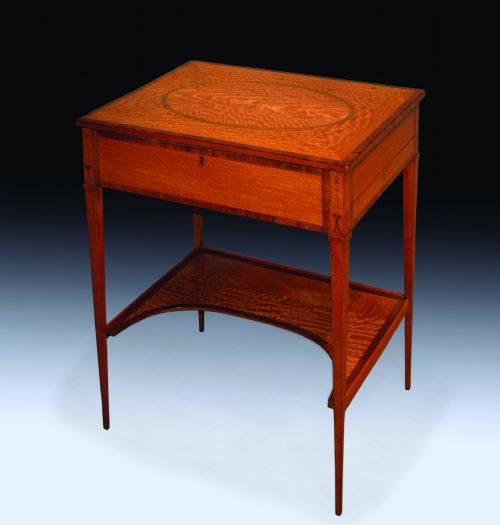
Cabinet makers utilised dense native and imported timbers, notably mahogany, walnut, satinwood, and oak, often enhanced with burr veneers or crossbanded borders. Structural integrity relied on traditional joinery methods such as dovetailing for drawer construction.
Surface enhancement involved careful polishing, gilding, and occasional painted finishes, while specialised pieces incorporated bronze, brass fittings, and mirror glass. Upholstered stools utilised durable fabric on robust wooden frames.
Period Vanity Retail Price Guide 2026
Typical asking prices for period vanity among the pieces listed under this phrase on Sellingantiques today, from the lower quarter to the upper quarter. They describe what is for sale here now, not the wider market.
Listings feature mahogany, walnut, oak, and satinwood across Georgian, Regency, and Victorian periods.
Assessing Craftsmanship
Quality in these items rests upon the depth of the timber figure, the crispness of carved details, and the preservation of original surfaces. Superior examples demonstrate refined proportions and meticulous attention to hidden construction elements like drawer linings.
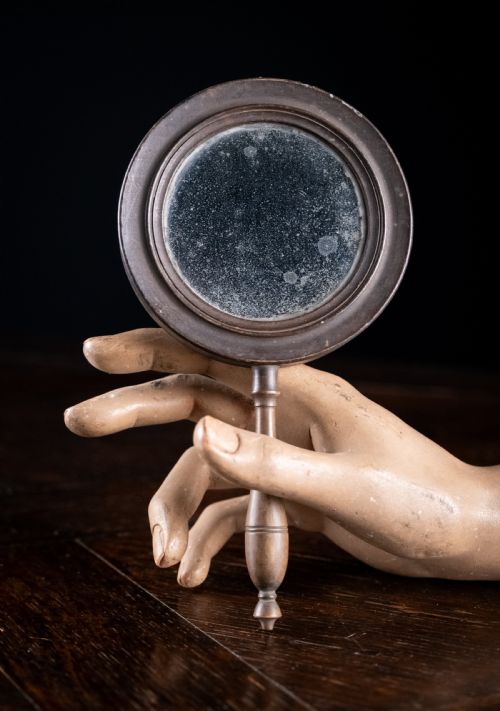
The integrity of mirror glass, the matching of wood grain across panels, and the subtlety of brass hardware distinguish finer workshops from standard domestic production.
Gillows
The Period Vanity Glossary
- Lowboy
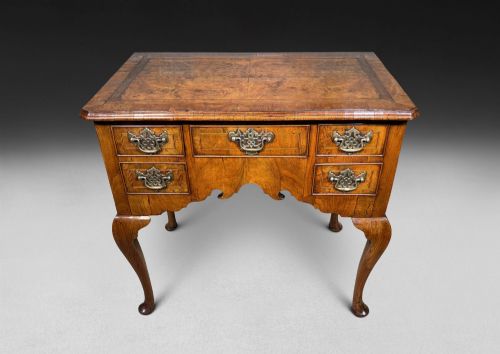
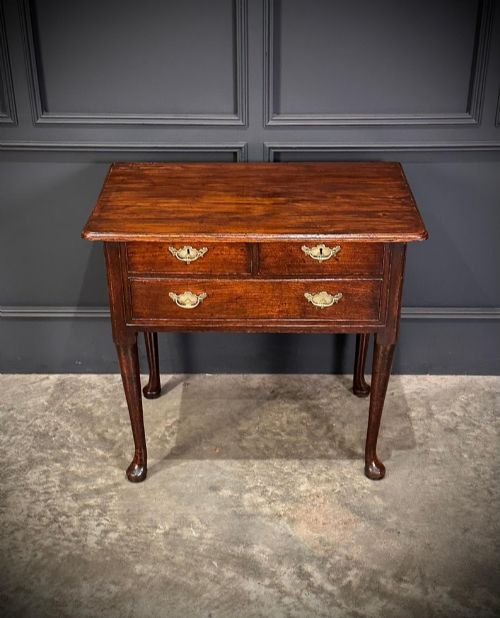
- A small oak, walnut, or mahogany table with drawers, frequently used as a dressing table in the eighteenth century. It typically stands on slender cabriole or straight legs.
- Toilet mirror
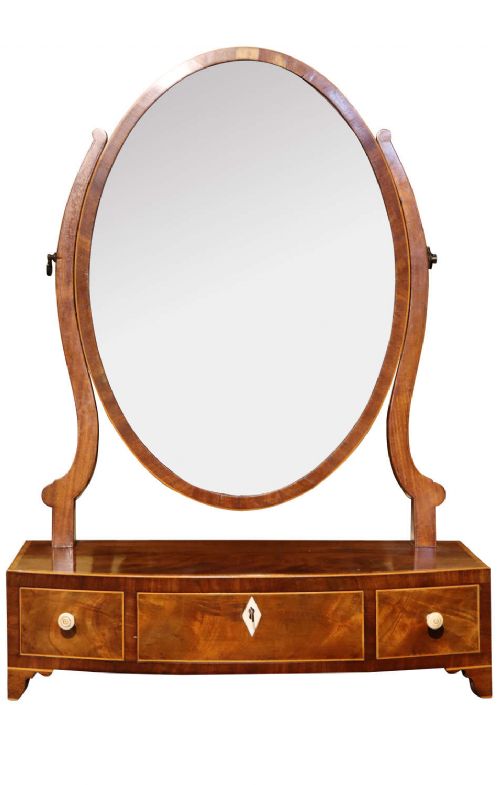
- A small adjustable mirror mounted on a miniature chest of drawers or a supportive wooden frame, designed to sit atop a dressing table.
- Crossbanding
- A decorative border technique where thin strips of veneer are laid across the grain of the primary wood panel. This method frames drawer fronts and table tops.
- Giltwood
- Timber that has been coated with fine gold leaf or gilt preparation, commonly utilised on nineteenth-century mirror frames.
- Gallery
- A raised wooden or metal border running along the edge of a table or washstand top to prevent items from rolling off.
Period Vanity: Frequently Asked Questions
What is a period vanity?
A period vanity encompasses antique dressing tables, tabletop mirrors, washstands, and stools designed for personal grooming rooms. These items date primarily from the eighteenth and nineteenth centuries.
They combine functional storage with decorative woodwork, utilising timbers such as mahogany, walnut, and satinwood to serve daily dressing routines.
How do I date a dressing mirror?
Dating relies on examining the construction of the frame, the thickness and bevel of the mirror glass, and the mounting pivots. Georgian and Regency examples often feature hand-turned uprights and fine mahogany veneers.
Later Victorian versions display heavier mouldings, different joining techniques, and alternative timber selections like rosewood or painted finishes.
Where were lowboys placed?
Lowboys served flexible roles in historic homes, functioning as compact writing desks, side tables, or dressing tables in bedrooms and dressing rooms. Their low profile allowed them to sit beneath wall mirrors.
Today, they adapt easily into modern hallways, living rooms, or bedrooms as convenient surface furniture with discreet drawer storage.
How do I care for antique wood?
Preserving antique wood requires maintaining stable room humidity and keeping furniture away from direct heat sources and strong sunlight. Gentle cleaning with appropriate wax helps maintain the historic finish.
Avoid excessive moisture and harsh chemical polishes to ensure the natural patina and timber grain remain protected over time.